 Wondershare EdrawMind
MindMap Gallery Construction and application of HR legal compliance system (20,000 words)
- 37
Construction and application of HR legal compliance system (20,000 words)
This is a mind map on the construction and application of the legal compliance system of the enterprise's labor and personnel. The main contents include: Module 1: Compliance physical examination for enterprise labor and personnel management; Module 2: Key points of compliance with labor contract conclusion and change and risk identification , Module 3: Compliance points and risk identification for compensation and benefits and rest and vacations, Module 4: Compliance points and risk identification for performance management and equity incentives, Module 5: Compliance points and risk identification for employee resignation, Module 6: Corporate labor and personnel cooperation Construction of a regulation management system.
Edited at 2025-02-07 10:44:19
- DeepSeek User Guide Collection
In order to help everyone use DeepSeek more efficiently, a collection of DeepSeek guide mind map was specially compiled! This mind map summarizes the main contents: Yitu related links, DS profile analysis, comparison of DeepSeek and ChatGPT technology routes, DeepSeek and Qwen model deployment guide, how to make more money with DeepSeek, how to play DeepSeek, DeepSeek scientific research Application, how to import text from DeepSeek into MindMaster, the official recommendation of DeepSeek Wait, allowing you to quickly grasp the essence of AI interaction. Whether it is content creation, plan planning, code generation, or learning improvement, DeepSeek can help you achieve twice the result with half the effort!
- DeepSeek 30 feeding level instructions
This is a mind map about DeepSeek's 30 feeding-level instructions. The main contents include: professional field enhancement instructions, interaction enhancement instructions, content production instructions, decision support instructions, information processing instructions, and basic instructions.
- Voice recognition commercial solution
This is a mind map about a commercial solution for task speech recognition. The main content includes: text file content format:, providing text files according to the same file name as the voice file.
Construction and application of HR legal compliance system (20,000 words)
- DeepSeek User Guide Collection
In order to help everyone use DeepSeek more efficiently, a collection of DeepSeek guide mind map was specially compiled! This mind map summarizes the main contents: Yitu related links, DS profile analysis, comparison of DeepSeek and ChatGPT technology routes, DeepSeek and Qwen model deployment guide, how to make more money with DeepSeek, how to play DeepSeek, DeepSeek scientific research Application, how to import text from DeepSeek into MindMaster, the official recommendation of DeepSeek Wait, allowing you to quickly grasp the essence of AI interaction. Whether it is content creation, plan planning, code generation, or learning improvement, DeepSeek can help you achieve twice the result with half the effort!
- DeepSeek 30 feeding level instructions
This is a mind map about DeepSeek's 30 feeding-level instructions. The main contents include: professional field enhancement instructions, interaction enhancement instructions, content production instructions, decision support instructions, information processing instructions, and basic instructions.
- Voice recognition commercial solution
This is a mind map about a commercial solution for task speech recognition. The main content includes: text file content format:, providing text files according to the same file name as the voice file.
- Recommended to you
- Outline






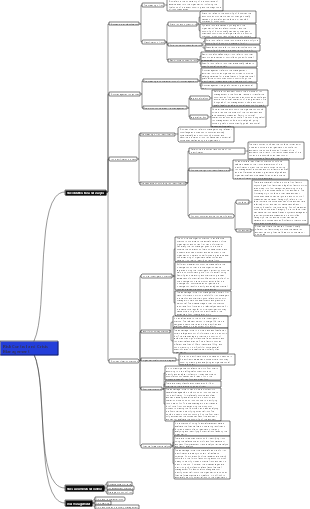

Construction and application of corporate labor and personnel legal compliance system
Module 1: Compliance physical examination for enterprise labor and personnel management
1. Sorting out the laws and regulations of labor and personnel management laws and regulations
1.1 Compliance obligations for labor and personnel management
Employers should strictly abide by labor laws and regulations, improve the labor contract management system, standardize the signing, performance, change and termination of labor contracts, and effectively safeguard the legitimate rights and interests of workers. ——"Guidelines for Compliance Management of Central Enterprises (Trial)"
1.2 Characteristics of labor laws and regulations
Inclinedity
Non-equal subjects and equal protection, preferentially protect the legitimate rights and interests of workers, and compulsory intervention in autonomy of will
Policy-based
There are many normative documents, such as the guidance on labor employment during the COVID-19 epidemic and the protection of new employment forms.
Regional
Legal provisions are too principled, development is unbalanced across regions, and local regulations are huge differences
Timeliness
New regulations on major purchases are constantly being introduced, old regulations are frequently revised, and local policies are set to validity period
1.3 Labor laws and regulations at the national level
1. International Labor Conventions, Bilateral Agreements: Convention on Equal Pay for Equal Work, Convention on Minimum Employment Age, Convention on the Prohibition of Child Labor, Convention on Employment and Occupational Discrimination, Convention on Forced Labor, Convention on the Abolition of Forced Labor, Convention on Occupational Safety With the Health Convention, China has signed bilateral social security agreements with 11 countries including Germany, South Korea, Denmark, Canada, Finland, Switzerland, the Netherlands, Spain, Luxembourg, Japan, Serbia, etc.
2. Labor laws and regulations: Labor Law, Labor Contract Law, Social Security Law, Occupational Disease Prevention and Control Law, Employment Promotion Law, Labor Dispute Mediation and Arbitration Law, Trade Union Law, Labor Contract Law Implementation Regulations, Labor Security Supervision Regulations, Housing Provident Fund Management Regulations, Work-related Injury Insurance Regulations, Regulations on the Protection of Wages of Migrant Workers, Regulations on Labor Protection for Female Employees, Regulations on Paid Annual Leave of Employees, Regulations on Working Hours of the State Council, Regulations on Disciplinary Disciplinary of State-owned Enterprises, etc.
3. Other relevant laws and regulations: Civil Code, Company Law, Production Safety Law, Population and Family Planning Law, Women's Rights Protection Law, Personal Information Protection Law, etc.
4. Labor department regulations and normative documents: opinions on the implementation of several issues in the Labor Law, notices on matters related to the establishment of labor relations, interim provisions on wage payment, regulations on the composition of total wages, minimum wage provisions, and employee illness or non-working Regulations on the medical period of injury, regulations on employment management for foreigners in China, implementation measures for annual leave for enterprise employees, interim provisions on labor dispatch, opinions on several issues related to the implementation of the work-related injury insurance regulations, guidance on labor security in new employment forms, etc.
5. Judicial Interpretation and Cases of Labor Disputes: Interpretation of the Supreme People's Court on the Application of Laws in Trial of Labor Disputes Cases (I), Guiding Cases issued by the Supreme Court, Typical Cases jointly issued by the Supreme Court and the Ministry of Human Resources and Social Security, Reference of the People's Court Case Library Cases, etc.
1.4 Labor regulations and policies at local and industry levels
1. Industry norms and regulatory regulations: industry standards such as banks, insurance, securities and funds, futures companies, management measures for employment of CIRC, etc.
2. Local labor laws and regulations: local labor stations have the same regulations, wage payment regulations, various insurance regulations, population and family planning regulations, labor protection regulations for female employees, various social insurance management measures, flexible employment of workers to participate in the work-related injury insurance office, etc.
3. Normative documents of local labor departments: Jia Che implements labor laws and regulations on labor, electronic labor contracts, shared employment, opinions on labor security in new employment forms, approval methods for special working hours, notices on adjusting the minimum wage standard, etc.
4. Opinions on labor dispute adjudication of local labor arbitration courts: Guiding opinions on labor dispute cases in various places, meeting minutes, question answers, and answers to the application of epidemic policies
2. Draft a list of compliance physical examinations for labor and personnel management
2.1 Module content of the physical examination list
1. Recruitment
Recruitment conditions, background checks, entry physical examinations, recruitment notices, etc.
2. Labor Contract Conclusion
Labor contract signing, probation period management, etc.
3. Labor Contract Contract
Salary benefits, social security provident fund payment, working hours system, rest and leave, performance management, equity incentives, etc.
4. Change of labor contract
The labor station also changes matters, changes methods, changes forms, etc.
5. Termination and Termination of Labor Contract
Termination of labor contract, termination of labor contract, handling of resignation procedures, etc.
6. Service period and competition restrictions
Training, settlement and other service period management, confidentiality obligations and restrictions on competition management, etc.
7. Labor Protection
Labor protection for minor workers, female employees, occupational hazards, high temperature operation positions, etc.
8. Democratic management
Establish trade unions and staff congresses, build rules and regulations, signing of collective contracts, etc.
9. Flexible employment management
Part-time, labor dispatch, labor outsourcing, secondment dispatch, internship, retirement re-employment, platform employment, etc.
10. Foreign-related employment management
Hire foreigners, overseas workers, etc.
2.2 Key points of compliance of physical examination list
Taking the signing process of labor contracts as an example:
1. Sign a written labor contract within 30 days of employment;
2. Employers and workers have subject qualifications;
3. The content of the labor contract has statutory necessary clauses, and there is no content that violates the law or exempts the unit from the statutory responsibilities or excludes the rights of the workers;
4. Deliver the labor contract text to the worker;
5. The notice of the employee refusing to sign the labor contract terminates the labor relationship;
6. Appendixes related to the signing of labor contracts by workers (job description, rules and regulations, employment conditions confirmation letter, confidentiality agreement, etc.);
7. Establish a employee list for reference in accordance with the law (it should include the employee’s name, gender, citizenship ID number, household registration address and current address, contact information, employment form, employment start time, labor contract term, etc.)
8. The worker's resident ID card and other documents shall not be seized, and the worker shall not be required to provide guarantees or collect property from the worker in other names.
2.3 Make a physical examination list form
2.4 Differences in the physical examination list
1. Regional differences
2. Industry differences
3. Nature of the enterprise
4. Group employment
5. Employment method
6. Job type
7. Foreign-related employment
3. Research and prepare labor and personnel management risk assessment report
3.1 Due diligence list
1. Provide a physical examination form
2. Provide various rules and regulations for human resources management
3. Provide various contracts, agreements, notifications and forms for human resources management
4. Provide special working hours, collective contracts and other approval and filing documents for human resources and social security departments
5. Provide legal documents such as labor disputes, work-related injury identification, administrative penalties, etc. in the past three years
3.2 Interview Record
Interview subjects: Employment department, human resources department, compliance department, etc.
Interview time: After sending out due diligence list
Interview method: live interview, online interview, written interview
Interview content:
1. Basic information of the enterprise (nature of the enterprise, industry supervision, organizational structure, etc.)
2. Labor scale and employment method
3. Employee recruitment methods and procedures
4. Employee induction procedures and procedures
5. Procedures and procedures for signing, changing, termination of labor contracts
6. Methods and procedures for attendance and vacation management
7. Salary structure, performance appraisal methods and processes
8. Measures and procedures for employee rewards and punishments
9. Democratic and public announcement procedures for formulating and revising rules and regulations
10. Handling of labor disputes, work-related injury identification, administrative penalties and other cases
3.3 Physical examination report
1. Introduction to due diligence
2. Overall employment evaluation
(1) Organizational setting and functional division of labor
(2) Rules and regulations and process settings
(3) Labor-management relations and disputed quantity
3. Evaluation of labor compliance by module
(1) Positive evaluation
(2) Risk Check Table
4. A complete list of documents that need to be modified and supplemented
4. Formulate and modify labor and personnel compliance management documents
4.1 Formulate and modify the rules and regulations documents
1. Recruitment management system
2. Probation period management system
3. Labor Contract Management System
4. Attendance and leave management system
5. Salary and Benefit Management System
6. Performance appraisal management system
7. Training management system
8. Confidentiality management system
9. Labor protection and production safety management system
10. Archives Management System
11. Special employment management system (internship, outsourcing, dispatch, etc.)
12. Employee job management system
13. Employee disciplinary punishment system
14. Employee resignation management system
4.2 Modify and supplement various agreement forms
Rearing the authorization letter
Recruitment notice
Employee information registration form
Labor Contract and Supplementary Agreement
Labor Contract Signing Registration Form
Recognition letter for employment conditions
Job description
Signing and receiving letters for rules and regulations
Confidentiality Agreement
Restriction of Compete Agreement
Service Period Agreement
Internship Agreement
Labor dispatch agreement
Labor Agreement
Secondment Agreement
Labor Relations Transfer Agreement
Probation period assessment form
Remuneration confirmation letter
Attendance record form
Overtime approval form
Please cancel the approval form
Notice of return to work within a time limit
Performance target confirmation letter
Performance Assessment Table
Notice of performance appraisal results
Disciplinary Violation Notice
Notice of transfer
Labor Contract Change Agreement
Letter of Intent for Renewal of Labor Contract
Resignation application form
Termination of labor contract agreement
Notice of termination of labor contract
Letter for soliciting opinions from trade unions after termination of labor contract
Notice of Termination of Labor Contract
Resignation order
Resignation certificate
4.3 Rules and regulations implement democratic public announcement procedures
1. Democratic procedures: staff congresses, staff meetings, department meetings, OA systems, emails, work groups, etc. release drafts for soliciting opinions, and negotiate with trade unions or employee representatives to determine
2. Public announcement procedures: formal system for OA system, departmental posting, work group, etc.
3. Tell employees: email, system signing, system training, study and examination, etc.
(Choose one of the two public announcement procedures and inform employees)
Module 2: Key points and risk identification of labor contracts
1. Recruitment and Job Admission
1.1 Employment discrimination is prohibited
1. Types of employment discrimination: ethnicity, race, gender, religious belief, carriers of infectious disease pathogens, disabled people, household registration nature, marriage and childbirth status, region, age, height, etc.
2. Discrimination against women in employment: (1) Limited to males or stipulate that males are preferred; (2) Inquiry or investigate marriage and childbirth; (3) Pregnancy tests are used as entry-level physical examination; (4) Restrict marriage, childbirth or marriage and childbirth The situation is used as a condition for recruitment; (5) Other behaviors that refuse to recruit women on the grounds of gender or differentiately increase the standards for recruitment of women.
3. Employment discrimination against carriers of infectious disease pathogens: Except for work prohibited by laws, administrative regulations and health administrative departments of the State Council that are prone to spreading infectious diseases, physical examination items shall not be tested for hepatitis B, AIDS, etc.
4. Illegal consequences: (1) Employment discrimination is included in labor and social security supervision for administrative penalties, (2) The procuratorate may file a public interest lawsuit in accordance with the law, (3) Individuals file a lawsuit for equal employment rights disputes and claim compensation liability
1.2 Trustworthy notification and explanation
1. The unit’s obligation to truthfully inform: work content, working conditions, work location, occupational hazards, production safety conditions, labor remuneration, taboo positions for female employees, and other situations required by the workers
2. Personal obligations truthfully explain: basic situations directly related to labor contracts, such as identity, education, resume, knowledge, skills, performance, health, etc., excluding personal privacy such as marriage and childbirth status
3. Illegal consequences: the unit is subject to false recruitment administrative penalties, the labor contract is invalid, and the labor contract is terminated
1.3 Recruitment risk prevention and control
1. Recruitment interview
2. Background check
3. Physical examination items
4. Recruitment notice
5. Registration for employment
1.4 Typical Cases
Joining the job and concealing the status of marriage and childbirth, the company's unauthorized identification is illegal
Basic facts of the case:
Oriental Meibao Company terminated the question on the grounds that Wang concealed his pregnancy status when he joined the company, and did not report his pregnancy to the company in time during his employment, which violated his commitment at the time of joining the company and the company's rules and regulations. Labor contract.
Referee's opinion
First of all, Article 8 of the Labor Contract Law of the People's Republic of China stipulates that *… Employers have the right to understand the basic situations directly related to labor contracts, and workers should explain them truthfully”. Generally speaking, the basic situations directly related to labor contracts The situation refers to the worker's health status, knowledge and skills, education, professional qualifications, work experience, etc. The worker's marriage and childbirth status should fall within the worker's personal privacy category unless the employer can prove that the privacy information exists with the performance of the labor contract. Direct relationship, otherwise the worker will not have the obligation to report to the employer.
Secondly, according to Article 27 of the Employment Promotion Law of the People's Republic of China, employers shall not refuse to hire women or raise the right to be gender, except for jobs or jobs that do not apply to women as stipulated by the state. Women's recruitment standards. Employers shall not stipulate contents that restrict women's marriage and childbirth in labor contracts" and Article 23 of the "Women's Rights Protection Law of the People's Republic of China" regarding "...Each unit is hiring female employees When the labor (employment) contract or service agreement shall be signed with him in accordance with the law. The labor (employment) contract or service agreement shall not stipulate the provisions that restrict the marriage or childbirth of female employees”, and the marriage and childbirth of the worker is personal privacy Therefore, in addition to recruiting specific positions specified by the state, female workers could have refused the employer's inquiries about their marriage and childbirth status when applying for the job. However, in social reality, workers, especially workers in ordinary positions, are looking for jobs. At the time, it is often in a relatively weak position. Therefore, when female workers choose to make false statements due to actual utilitarianism, they should not be considered as violation of the principle of honesty and trustworthiness. They should not be considered as signing in a fraud period Acts of engaging in contracts.
Third, even if the rules and regulations involved in the case are formulated by democratic procedures, its recruitment should report the pregnancy plan and pregnancy status in a timely manner. Otherwise, it will be deemed to be a serious violation of the company's rules and regulations, which will infringe on the personal privacy of female employees. The right, and the right to employment and labor of female employees in disguise, should be deemed invalid in violation of Article 27 of the Employment Promotion Law and Article 23 of the "Regulations on the Anti-Disaster Law of the People's Republic of China". Based on the reasons stated, the court held that the reason for termination claimed by Oriental Meibao Company in this case was illegal and should be deemed to be illegally terminated. Wang asked to continue to perform the labor contract involved until the expiration of the statutory breastfeeding period, and the court supported it, so Dongfang Meibao Company still
2. Labor Contract Signing
2.1 Signing subject
1. Employers: enterprises, institutions, individual economic organizations, state organs, social groups, private non-enterprise units, accounting firms, law firms, foundations, etc. in China and branches that have obtained business licenses or registration certificates
2. Workers: A person who has reached the legal employment age of 16, including Chinese citizens, Hong Kong, Macao and Taiwan residents, foreigners who come to China to work with work permit procedures, have legal qualifications and special job certificates
3. Illegal consequences: The labor contract is invalid
4. Risk prevention and control: Review the worker's age, identity, and subject qualifications, and retain copies of identity and qualification certificates
2.2 Signing time
1. New signing time: (1) A labor relationship is established from the date of employment, and a written labor contract shall be concluded. (2) If a labor relationship has been established and a written labor contract has not been concluded at the same time, a written labor contract shall be concluded within one month from the date of employment. (3) If a labor contract is concluded before employment, the labor relationship shall be established from the date of employment.
2. Renewal time: Whether there is a one-month grace period, different regulations vary from place to place, and Beijing does not.
3. The consequences of the employer's illegality: (1) If more than one month or more than one year, pay twice the salary every month. The difference in wages is subject to 1 year arbitration limitation. (2) After one year, it is deemed that an unfixed labor contract has been concluded and no double wages are required.
4. The consequences of the employee's illegality: (1) If the employee refuses to sign the visa within one month from the date of employment, after the employer's written notice, the labor relationship will be terminated in writing without paying economic compensation. (2) If the worker refuses to sign a month for less than one year, the labor relationship will be terminated in writing and economic compensation will be paid.
5. Special positions: legal representative, senior executive, human resources, double the salary without signing a contract is generally not supported.
6. Risk prevention and control: New employees sign a labor contract on the day of employment, complete renewal before the expiration of the employee, establish a labor contract custody and borrowing system, and prevent double wages from hitting the car
2.3 Contract Type
1. Fixed-term labor contract: stipulate the contract termination time.
2. Unfixed term labor contract: There is no fixed termination time agreed.
3. Labor contract with the term of completing certain work tasks: It stipulates that the term of the contract is based on the completion of a certain work.
4. Unfixed term must be signed: (1) The worker has worked in the employer for ten years continuously; (2) Conclude a second fixed term labor contract in a row, and the worker does not have Article 39 and 40 of this Law The labor contract shall be renewed in the circumstances stipulated in the first and second paragraphs of the article.
5. The consequences of illegal illegality in accordance with the law: (1) The labor contract is illegally terminated, and the employee may request to continue to perform the labor contract or pay 2n compensation. (2) It is deemed that the two parties have an unfixed labor contract relationship and should enter into it. The worker will be paid twice the monthly salary from the date of the unfixed labor contract.
6. Risk prevention and control: Avoiding unfixed behavior is invalid
3. Probation period management
3.1 Probation period
1. Probation period: (1) If the labor contract has a term of more than 3 months and less than 1 year, the probation period shall not exceed 1 month; (2) If the labor contract has a term of more than 1 year and less than 3 years, the probation period shall not exceed 3 months ; The probation period for labor contracts with a fixed term of more than 3 years and an open-ended term shall not exceed 6 months.
2. Number of probation periods: The same employer and the same worker can only agree on a probation period once. The agreement on the suspension or extension of the probation period shall be stipulated differently in different places.
3. Probation period shall not be agreed: (1) a labor contract with a period of completion of certain work tasks; (2) the labor contract term is less than three months; (3) If the labor contract only stipulates a probation period, the probation period shall not be established, and the period shall be Term of the labor contract.
4. Consequences of illegal probation period: If the probation period is agreed to be illegal, the labor administrative department shall order the correction; if the illegal probation period has been fulfilled, the employer shall use the employee’s full-month salary during the probation period as the standard and the employee’s full-month salary during the probation period as the standard, and the statutory trial has been performed. The workers shall pay compensation during the period.
5. Risk prevention and control: The probation period shall be stipulated in accordance with the law in the labor contract, and the statutory period shall be used.
3.2 Trial expectations
1. Salary standard during the probation period: shall not be less than 80% of the minimum wage for the same position in the unit or shall not be less than 80% of the wage agreed in the labor contract, and shall not be less than the minimum wage standard for the employer's location.
Illegal consequences: Repay the wage difference, and the employee asked to resign and asked for financial compensation.
2. Five insurances and one fund during the probation period: apply for social security and housing provident fund registration for employees within 30 days from the date of employment.
The consequences of the illegal: paying five insurances and one fund, administrative penalties, compensation for social security benefits, employees are forced to resign and demanding economic compensation.
3. Annual leave conditions: New employees work for 12 consecutive months (including different units) and meet the annual leave conditions. The number of annual leave days in the current year = (365 days remaining calendar days in the unit in the current year) X Employees themselves should The number of annual leave days enjoyed.
Illegal consequences: Compensation for unavailable annual leave wages shall be paid separately at 200% of the daily wage.
4. Risk prevention and control: Pay the probationary wages in accordance with the law, pay five insurances and one fund in a timely manner, and arrange annual leave in accordance with the law
3.3 The probation period does not meet the employment conditions and is lifted
1. Recruitment conditions: reasonable and legal (employment discrimination is prohibited), related to the performance of labor contracts (identity, education, resume, skills, health)
2. Notification method: employment notice, labor contract, employment conditions confirmation letter, job description, rules and regulations, probationary assessment form, etc.
3. Assessment certificate: There are specific situations that do not meet the employment conditions (application fraud, labor discipline, ability and performance)
4. Release time: Before the expiration of the probation period, a written notice explains the reason for the revocation
5. Illegal consequences: Illegal termination, employees can choose to continue to perform the labor contract or pay 2N compensation
6. Risk prevention and control: determine the employment conditions in accordance with the law and inform employees, and do not terminate the labor contract at will during the probation period.
4. Labor Contract Change
4.1 Changes and consequences
1. Matters for changing industrial and commercial registration of employers: Matters for changing the name, legal representative, main person in charge or investor of employers will not affect the performance of the labor contract.
2. Merger or division of an employer: If an employer merges or division occurs, the original labor contract will continue to be valid, and the labor contract will be performed by the employer that inherits its rights and obligations.
3. Change of employer entity: transfer of labor relations and terminated by the original labor contract.
4. Changes in the content of the labor contract: Changes in the term of the labor contract (extended) are deemed to be renewal of the labor contract. Changes in the content of labor remuneration, job position, work location, working hours system, etc. are changes, which are considered changes in the labor contract.
4.2 Change methods and forms
1. Consensus change: The employer and the employee can change the contents of the labor contract when they reach agreement.
2. Unilateral changes in accordance with the law: statutory changes (incompetence, medical period, occupational taboos), agreement changes (production and operation needs, declassification period), system regulations (dismissal, dereliction of duty, etc., dismissal, demotion, salary reduction), employment self-employed Change of rights (enterprise relocation, business changes or organizational structure adjustment)
3. Written form: paper form (labor contract change letter, job transfer and salary change confirmation letter), electronic data (e-mail, WeChat, SMS)
4. Oral form is actually performed in one month: the employer and the employee agree to change the labor contract. Although it has not been written, the labor contract that has been actually performed for more than one month. The content of the changed labor contract does not violate the contents of the labor contract. If laws and administrative regulations do not violate public order and good customs, and the parties claim that the change of the labor contract is invalid on the grounds that they do not use written form, the people's court will not support it.
4.3 Legal consequences of illegal changes
1. Illegal salary cut: Repayment of wage difference
2. Illegal job transfer location: You can ask to restore your original job and work at the same location
3. Employees are forced to resign: financial compensation is required
4. The company's illegal termination: Employees can choose to continue to perform the labor contract or pay 2N compensation
4.4 Prevention and control of contract changes
Both sides communicate fully and try to agree on a consensus basis.
Labor contract, rules and regulations design; job adjustment, location adjustment, etc.
Evidence change necessity, legitimacy and rationality
Confirm the change by signing a written agreement
Rules and regulations implement democratic and public announcement procedures
Pay attention to and implement the latest policies, typical cases and local referee possibilities
4.5 Typical Cases
The first batch of typical cases of the Supreme Court of the Ministry of Human Resources and Social Security 14: How employers use workers' autonomy and legally adjust workers' job positions and locations
Basic facts of the case:
Sun joined a mold company in August 2017. The labor contract stipulates that Sun's position is a "logistics auxiliary position", and the specific work content is "financial, pre-management and other administrative work". "The company can be used to carry out a business based on the main production. The need for adjustments to Sun's job, work content and work location. ''Sun is engaged in financial and personnel auxiliary work in the development center. On July 1, 2019, based on the company's production, operation and management needs, in order to reduce the number of The work burden of the center, the company unified the financial work of each center back to the Finance Office of the company's headquarters for unified management. The company communicated and negotiated with Sun and proposed to arrange for him to work in other positions in the development center, but Sun refused. Later, the company arranged the arrangements. Sun went to the company headquarters to engage in personnel-related work. At the end of July, Sun asked the company to transfer him back to his original position to work, and the two parties had a dispute.
Referee's opinion
The exercise of employer's employment autonomy must also meet certain conditions and scope within the framework of relevant laws and policies. If the employer must make reasonable explanations on the adjustment of the position or work location to prevent employers from retaliating against this or forcing labor in disguise. Those who voluntarily resign, that is, prevent the abuse of their rights.
5. Flexible employment management
5.1 Part-time employment
1. Characteristics: hourly remuneration; average working hours do not exceed 4 hours per day, and cumulative hours per week; labor contracts can be concluded with one or more employers.
2. Advantages: There is no double salary for oral agreements; no economic compensation will be terminated at any time; only work-related injury insurance will be paid; no annual leave.
3. Limitations: Working time limit; no probation period shall be agreed upon; wage settlement period shall not exceed 150; labor dispatch shall not be applicable.
4. Illegal consequences: Part-time employment is recognized as full-time employment, and it bears responsibilities such as double the salary, overtime pay, unavailable annual leave wages, termination of economic compensation, and reimbursement of social insurance.
5. Risk prevention and control: Sign part-time labor contracts to control working hours and wage payment cycles.
5.2 Labor dispatch employment
1. Labor dispatch unit: Dispatch license, self-dispatch is prohibited, and labor dispatch agreement is signed. The labor contract term shall not be less than 2 years.
2. Employment positions and quantity restrictions: Only temporary, auxiliary or alternative positions can be used, and shall not exceed 10% of the total employment.
3. Equal pay for equal work: Employers shall implement the same labor remuneration distribution method for dispatched workers and workers in the same position in the unit in accordance with the principle of equal work equal work.
4. Social insurance: If the dispatching unit dispatches workers across regions, it shall handle the social insurance participation procedures for the workers at the location of the employer and in accordance with the relevant regulations of the location.
5. Return and termination: The employer’s return and the labor dispatching unit’s termination of the labor contract must meet the statutory conditions.
6. Illegal consequences: administrative penalties, joint and several liability for compensation, fake outsourcing and real dispatch, and real labor relations.
7. Risk prevention and control: Review the dispatch qualifications, sign dispatch agreements and labor contracts in accordance with the law, control employment positions and proportions, stipulate and standardize returns in accordance with the law, and determine the subject and reason for termination in accordance with the law.
5.3 Student internship and retirement re-employment
1. Legal relations: (1) Labor relations, (2) Labor relations.
2. Written agreement: Sign an internship agreement or retirement reemployment agreement to clearly stipulate rights and obligations.
3. Pay insurance: Pay work-related injury insurance separately according to local regulations, or purchase internship liability insurance, employer liability insurance, and accidental injury insurance.
4. Special labor protection for interns: no more than 10% of on-the-job workers, the job internship time is generally 6 months. The internship remuneration of on-the-job interns shall not be lower than the local minimum wage standard, students shall not be arranged to work overtime or night shifts, and shall not be arranged to be arranged to be unavailable. Students over 16 years old are not allowed to intern in entertainment venues or through intermediary institutions, and minors and female students shall implement special labor protection.
5. Illegal consequences: Violating administrative penalties for labor protection, and the legal responsibility of the employer shall be borne by the establishment of labor relations.
6. Risk prevention and control: Review and confirm identity, sign relevant agreements, pay appropriate insurance, and fulfill labor protection obligations.
Module 3: Compliance points and risk identification for compensation and benefits and rest and vacation
1. Composition and payment of wages
1.1 Composition of wages
1. Composition of wages: (1) hourly wages; (2) piece-based wages; (3) bonuses; (4) allowances and subsidies; (5) overtime wages; (6) wages paid in special circumstances.
2. Income that does not belong to wages: (1) bonus issued in accordance with the regulations of the State Council; (2) social security and welfare expenses; (3) retirement benefits; (4) labor insurance expenses; (5) special work remuneration; (6) travel , home settlement subsidy; (7) compensation for self-produced production tools; (8) compensation for renting risk; (9) dividends and interest; (10) compensation for compensation; (11) borrowing employee management fees; (12) processing fees and contracting fees ; (13) Internship subsidy; (14) Only child expenses.
3. Arbitration Status: Labor remuneration shall be subject to special arbitration Status.
1.2 Payment of wages
1. Payment form and cycle: legal currency shall not be replaced by physical goods and securities; wages shall be paid at least once a month, and wages shall be paid on weekly, day and hourly basis if the wage system is implemented; the labor contract shall be terminated or terminated Pay it in one go.
2. Payment standards: Pay labor remuneration in a timely and full manner in accordance with the provisions of the labor contract and national regulations; the normal labor period shall not be lower than the minimum wage standard; the normal wage for the first month of suspension of work and production shall be paid from the second month.
3. Wage payment record: The amount, time, name and signature of the employee's salary must be recorded in writing, and kept for more than two years for reference. When the employer pays the salary, he/she shall provide the employee with a personal salary list.
4. Deduction of wages: labor contract agreements or enterprise rules and regulations; implement floating wages when economic benefits are declining; workers take leave; and cause economic losses to the employer due to the worker's own reasons.
5. Sites of delayed wage payment: force majeure; production and operation difficulties and capital turnover are affected. If you are in agreement with the trade union or employee representatives, the extended wage payment shall not exceed 30 days.
6. Suspension of wage payment: Detained or arrested for suspected illegal crimes, enlistment and other labor contracts will be suspended, and the two parties will not seek each other for a long time.
7. Illegal consequences: (1) Repayment of wage differences, (2) If the labor supervision orders to pay the payment within the deadline, the compensation will be paid at 50-100%% or more, (3) Employees are forced to resign and ask for economic compensation, ( 4) Refusal to pay labor remuneration.
8. Risk prevention and control: Improve salary agreements and systems, pay wages in a timely and full manner in accordance with the law, deduct, delay or stop paying wages in accordance with the law, keep wage payment records for more than 2 years, and pay wages every month.
1.3 Assessment and distribution of year-end bonuses
1. The nature of the year-end bonus and the arbitration time limit: The year-end bonus belongs to excess labor remuneration, but paying the year-end bonus is not a legal obligation of the enterprise; the year-end bonus belongs to a type of production (business) bonus and is part of the labor remuneration, and special arbitration time limit is applicable.
2. How to set year-end bonuses: agreed by both parties, rules and regulations, and distribution practices.
3. Assessment of year-end bonuses: assessment cycle, assessment indicators, assessment procedures, assessment results, and results application.
4. Year-end bonus when operating losses: the fact that the company loses, the conditions for issuing the year-end bonus, and the distribution practice when the company loses.
5. Year-end bonuses for employees: (1) The payment of year-end bonuses falls within the scope of employment autonomy, and it is stipulated that the year-end bonuses are not valid for employees; (2) The year-end bonuses are calculated and paid according to the actual working hours of the workers; (3) It must be combined Consider a comprehensive consideration of many factors such as the reasons for employee resignation, time, work performance and contribution to the unit.
6. Risk prevention and control: Improve the agreements and institutional regulations for year-end bonuses, and clarify the assessment standards, issuance conditions and calculation standards for year-end bonuses.
1.4 Typical Cases
The Supreme Court’s guidance case No. 183: Can you still get the year-end bonus if you resign before the year-end bonus is issued?
2. Payment of social security and provident fund
2.1 Social Insurance Payment
1. Payment subject: The employer and the employee pay together, and the labor contract, social insurance, and wage payment subjects remain consistent.
2. Payment location: the location of the employer.
3. Payment period: Register within 30 days of employment to avoid paying a "vacuum period"; pay social security on the month of resignation, and reduce employees within 15 days of termination of the labor contract.
4. Payment scope: Payment of all insurance types for labor relations personnel; pay work-related injury insurance for part-time, interns, over-age employees, etc.
5. Payment base: Total salary, the average monthly salary of the previous year/the monthly salary of the employee, the upper and lower limits of the social security payment base, and the average social salary in Beijing is 60%-300%.
6. The effectiveness of waived social security cash compensation: Violation of mandatory laws and regulations is invalid.
2.2 Liability for social security violations
1. Replenishment of social security: If you have not paid, incomplete insurance types, insufficient base, unpaid, and replenishment of the time limit.
2. Pay fines and late payment fees: From the date of indemnification, a late payment fee of 5% per day will be charged; if the payment is not paid within the deadline, the relevant administrative department shall impose a fine of not less than one times but not more than three times the amount of indemnification.
3. Forced to resign: If you are forced to resign because of failure to pay social security (excluding insufficient base), you can ask for financial compensation.
4. Compensation for social security benefits: medical expenses, work-related injury benefits, maternity benefits, unemployment insurance benefits, and pensions.
5. Third-party social security payment: (1) Affiliated companies are engaged in mixed employment and shall bear joint and several liability; (2) Pay social security fees double, (3) bear work-related injury insurance liability by themselves, (4) Fraudulent, forged supporting documents or other If a person defrauds social insurance benefits by means, the social insurance administrative department shall order the defrauded social insurance premium to be returned and fined not less than twice but not more than five times the amount defrauded; (5) Criminal liability for fraud.
6. Handling of social security disputes: The administrative agency handles the disputes between social security payments, and the labor arbitration committee and court handles the disputes between social security benefits and losses.
7. Risk prevention and control: Prevent social security when you join the job in the "vacuum period", correctly calculate the social security base, and avoid social security payment and social security cash compensation.
2.3 Typical cases of social security payment
Case 1: In the case of (2021) Jing 03, the court held that Hu had a labor relationship with Company T from August 2009 to August 2018, and Company A did not go to Beijing in accordance with the law in accordance with the law. The city will collect social insurance for Hu during this period. Employers who violate the provisions of the "Social Insurance Law", "Interim Regulations on the Collection of Social Insurance Premiums", "Social Insurance Audit Measures" and other legal norms shall pay social insurance premiums in full for employees. According to a legal obligation, T Company entrusts other units to collect social insurance for Hu in Jinan City, Shandong Province, and cannot replace the social insurance premium payment obligation he should bear in accordance with the law at the place of social insurance registration. On the basis of ascertaining the above facts, Chaoyang District Social Security Center made an "Auth and Rectification Opinions" to determine that the facts are clear and the basis is correct.
Case 2: In (2020) Su09 Minzhong No. 2544, the court held that Guosen Company paid social insurance premiums on behalf of Wang according to the agreement of the social insurance agency payment agreement signed with Shenmi Clothing Company. Wang signed a labor contract with Shenmi Clothing Company and established a labor relationship. The actual person who paid for Wang's social insurance premiums was also Shenmi Clothing Company. Now Wang was injured due to work. Shenmi Clothing Company, as the employer, deals with Wang. A certain person shall bear the liability for work-related injury compensation for his injury, while Guosin Company shall not bear the liability for Wang's work-related injury.
Case 3: In the case of (2021) Yu 0103 Criminal First Instance No. 18, the court held that He, the legal representative of Shunkun Company, and two other two, affiliated with Shunkun Company for 25 pregnant women through fictitious labor relations and went to Yuzhong District, Chongqing City. The Social Security Bureau used the method of collecting social insurance premiums to defraud the state's maternity insurance benefits of a total of 451,834.78 yuan, which constituted the crime of fraud. He was sentenced to three years in prison, four years in prison, and a fine of 20,000 yuan.
2.4 Housing Provident Fund Payment
1. The depositing entity: the employer and the worker jointly pay.
2. Deposit period: deposit registration within 30 days of employment, transfer or seal it within 30 days from the date of termination of the labor relationship.
3. Scope of deposit: All labor relations personnel shall pay; some localities stipulate that rural household registration personnel shall not be forced to pay.
4. Contribution base: Total salary, the average monthly salary of the previous year/the salary of the month of employment, the upper and lower limits of the provident fund contribution base, and the minimum wage standard in Beijing - the average social wage of 300%.
5. Contribution ratio: No less than 5%, the enterprise will independently determine the contribution ratio, with a maximum of no more than 12%.
6. The effect of waived the provident fund cash compensation: it is invalid for violating mandatory laws.
2.5 Responsibility for provident fund violations
1. Replenishment of provident fund: If the deposit is not paid, the base is insufficient, the payment is inappropriate, the time limit for the payment is paid.
2. Pay fine: If you fail to apply for deposit registration within the deadline, you will be fined between RMB 10,000 and RMB 50,000.
3. Handling of provident fund disputes: If the unit fails to pay or pays less housing provident fund within the time limit, the Housing Provident Fund Management Center shall order the deposit within a time limit; if the deposit is still not paid within the time limit, it may apply to the people's court for compulsory execution; it does not fall within the scope of acceptance of labor disputes.
4. Risk prevention and control: handle provident fund payment in a timely manner and correctly calculate the contribution base
3. Working hours system and overtime management
3.1 Working hours system
1. Standard working hours: No more than 8 hours a day, no more than 40 hours a week, and at least one day off per week.
2. Comprehensive calculation of working hours: Working hours are calculated in a comprehensive manner based on weekly, monthly, quarterly, and yearly cycles, but the average daily working hours and average weekly working hours should be basically the same as the statutory standard working hours.
(1) Employees who need continuous operations due to the special nature of the work in the transportation, railways, postal and telecommunications, water transportation, aviation, fishery and other industries;
(2) Some employees in industries such as geological and resource exploration, construction, salt making, sugar making, tourism, etc. that are subject to seasonal and natural conditions;
(3) Other employees who are suitable for implementing a comprehensive working hours calculation system.
3. Instant working system: (1) Senior management personnel, field personnel, sales personnel, some on-duty personnel and other employees who cannot be measured by standard working hours due to work; (2) Long-distance transportation personnel and rentals in the enterprise Car drivers, some loading and unloading personnel of railways, ports, and warehouses, as well as employees who need to operate mechanical operations due to special nature of the work; (3) Other employees who implement irregular working systems due to production characteristics, special work needs or scope of responsibility.
4. Special working hours system procedures: (1) Democratic procedures - trade unions, employee representatives, staff congresses, staff meetings, etc.; (2) Application and approval - approval authority, validity period; (3) Public notice - public notice, notification, change of labor contract .
5. The consequences of illegality without approval for special working hours: The standard working hours system is applicable.
6. Risk prevention and control: Clearly stipulate the working hours system applicable to employees, and special working hours should be implemented after approval procedures.
3.2 Overtime limit and overtime pay calculation
1. Overtime restrictions: (1) Except for special circumstances, overtime can be arranged after consultation with the trade union and workers, and overtime must not be forced; (2) Generally, no more than 1 hour per day; no more than 3 hours per day for special reasons, but The working hours work system shall not exceed 36 hours per month; (3) The working hours work system shall not exceed the overtime hours limit, and the irregular working hours are not subject to overtime hours limit.
2. Overtime pay standard: (1) If the worker is arranged to work overtime on weekdays, the overtime pay shall not be less than 150% of the salary; (2) If the worker is arranged to work overtime on the rest day but cannot arrange for compensatory leave, the payment shall not be less than the salary 200% overtime pay; (3) If workers are arranged to work overtime on statutory holidays, overtime pay shall not be less than 300% of their wages. (4) Comprehensively calculate the total actual working hours in the working hours period exceeding the total statutory standard working hours, and overtime pay must be paid no less than 150% of the salary. Overtime pay must be paid for overtime during statutory holidays; (5) Overtime pay is not required during irregular working hours. Overtime pay is not required for irregular working hours. Fees, some local governments stipulate that overtime pay is still required on statutory holidays.
3. Overtime pay base: labor contract agreement, collective contract agreement, rules and regulations, actual wages.
4. Illegal consequences: (1) The labor supervision department illegally arranges overtime work to give warnings and fines, (2) The overtime pay is not paid in a timely and full manner, and (3) The labor supervision department orders the reissue to be paid overdue and pay additional compensation 50-100%, (4) Employees who ask for forced resignation may require financial compensation.
3.3 Overtime management and risk control
1. Overtime culture: Do not implement the 996 work system, control and actively arrange overtime work, and refuse to work overtime, and be punished without violations of discipline.
2. Overtime approval: Overtime approval system is controlled through labor contracts or rules and regulations, and is actually implemented.
3. Special working hours: Apply for comprehensive calculation of working hours or irregular working systems based on the business conditions and job nature to save overtime expenses.
4. Pay-bearing system: a large and small weekly and six-day working system. The labor contract stipulates that the salary-bearing system controls overtime pay, and the converted statutory working hours wages should not be lower than the minimum wage standard.
5. Arrange for rest: Work overtime on rest days, arrange for rest time instead of overtime pay. Overtime on weekdays and working days cannot replace overtime pay.
6. Settlement of overtime pay: Regularly settle overtime pay, and retain overtime pay settlement documents confirmed by employees and attendance records of at least 2 years.
3.4 Typical Cases
In 2021, the Supreme Court of the Ministry of Human Resources and Social Security jointly released the second batch of typical cases of labor disputes (Top Ten Overtime Disputes)
Case 1. The worker refuses to illegally work overtime arrangements, can the employer terminate the labor contract?
Case 2. Can the worker and the employer enter into an agreement to waive overtime pay?
Case 3. The employer fails to perform overtime approval procedures in accordance with the rules and regulations, can the fact that the employee works overtime
Case 4. The employer and the worker agreed to implement a salary-bearing system, and whether overtime fees need to be paid in accordance with the law
Case 5. Whether the employer has not reached an agreement with the worker to increase the work tasks. Is the worker entitled to refuse?
Case 6. Handling overtime pay disputes and how to allocate the burden of proof
Case 7. Work-related injuries caused by a worker working overtime overtime. Whether the employer or labor dispatching unit shall bear joint and several liability for compensation
Case 8. Whether the employer denies the fact that workers work overtime in the form of rules and regulations is valid
Case 9. The worker signed the resignation documents to confirm that the overtime pay has been settled, and whether he has the right to request payment of the overtime pay owed
Case 10. How to determine the arbitration status of overtime pay
4. Rest and vacation management
4.1 Rest and leave
Vacation types:
1. Legal holidays: 11 days, including New Year's Day, Spring Festival (1st, 2nd, and 3rd day), Qingming Festival, Labor Day, Dragon Boat Festival, Mid-Autumn Festival, and National Day
2. Paid annual leave: leave conditions, enjoyment of days, annual leave arrangement, unpaid compensation, arbitration time limit
3. Marriage and funeral leave: leave conditions, enjoyment number of days, local regulations
4. Prenatal leave, maternity leave, and lactation leave: the number of prenatal leave, national statutory maternity leave conditions, days, maternity allowance and maternity leave wages, breastfeeding time, overtime and night shift restrictions
5. Maternity reward leave, paternity leave, parenting leave: leave conditions, days, local regulations
6. Sick leave (medical period): leave conditions, sick leave salary, medical period, local regulations
7. Work-related injury leave (stop work and salary period): leave conditions, term, salary and benefits, treatment and nursing
8. Children's nursing leave: leave conditions, number of days, local regulations
9. Leave: Approved by the unit, no salary will be paid
Illegal consequences: (1) Insufficient wages, the wage difference will be paid, (2) Employees who are forced to resign may ask for financial compensation, (3) The company is illegally terminated, and employees may choose to continue to perform their labor contracts or pay 2n compensation
4.2 Holiday Management and Risk Control
1. Leave system: reasonable and legal content, democratic publicity procedures
2. Leave approval: leave application, proof materials, attendance records
3. Holiday benefits: type of vacation, number of days of vacation, salary standard
4. Discipline handling: violations of discipline, disciplinary punishment, and retain evidence
4.3 Typical Cases
If there is no performance during maternity leave, can performance salary be deducted?
The court held that regarding the salary during maternity leave, Sun's salary composition includes performance wages. According to the law, employers shall not reduce their wage standards due to pregnancy, childbirth, or breastfeeding of female employees.
Module 4: Performance Management and Equity Incentive Compliance Points and Risk Identification
1. Contents and procedures of performance appraisal system
1.1 Contents of the performance appraisal system
1. Applicable objects
2. Assignment of responsibilities for performance appraisal management
3. Assessment cycle
4. Assessment target setting
5. Assessment indicators, weights, evaluation standards, result classification, performance salary/bonus coefficient
6. Assessment methods and tools
7. Assessment procedures
8. Assessment results are determined
9. Performance feedback
10. Performance appeal
11. Application of performance results
12. The system takes effect time
1.2 Procedures for formulating performance appraisal system
1. Legal provisions:
Article 4 of the Labor Contract Law Employers shall establish and improve labor rules and regulations in accordance with the law to ensure that workers enjoy labor rights and fulfill labor obligations. When an employer formulates, modifys or decides rules and regulations or major matters that directly involve the vital interests of workers, such as labor remuneration, working hours, rest and leave, labor safety and health, insurance and welfare, employee training, labor discipline and labor quota management, it shall After discussion by the employee representative meeting or all employees, plans and opinions are put forward, and the trade union or employee representatives shall be determined on an equal basis. During the implementation of rules and regulations and major matter decisions, if the trade union or employee thinks it is inappropriate, he has the right to propose to the employer and modify and improve it through consultation.
Employers shall publicize rules and regulations and major matter decisions that directly involve the vital interests of workers, or inform workers of the workers.
2. Procedure for formulating performance appraisal system: Listen to employees' opinions—equal consultation—determination—release
Listen to employee opinions: staff congress, all-employee meetings, departmental comment summary, 0A system, email and other methods
Equal negotiation: whether single decision or double decision is required to pass all employees?
2. Performance plan formulation and assessment
2.1 Case
Employee A joins Company B, and the annual bonus is the target benchmark of 100,000 yuan before tax. The specific amount of payment will be decided based on the company's operating conditions and the employee's annual performance appraisal results.
The company formulated the "Employee Manual" in accordance with legal procedures and did not make detailed provisions on the specific process of performance appraisal.
The company's 0A management system shows that the annual performance appraisal process is: self-evaluation - direct supervisor evaluation - department supervisor evaluation - HR summary - performance interview - performance application. In 2021, according to this process, the employee performance appraisal will be B and the full bonus will be issued. The 2022 annual assessment is NI (unqualified) and there is no bonus.
The employee initiates arbitration.
2.2 Development of performance plan
Three ways:
1. Top-down: Business business goals are broken down into individuals layer by layer
2. Bottom-up: In the scope of business goals of enterprises and departments, individual declarations are made based on job responsibilities
3. Negotiation and determination: Employees and superior managers negotiate and confirm
Core: Performance plans need to be recognized by employees
Question: What should employees do if they do not recognize or reach an agreement on the performance plan formulated by their superiors?
2.3 Performance plan assessment
1. Procedure: The assessment procedure is strictly implemented in accordance with the performance appraisal system, open, complete and traceable
2. Content: Comprehensive assessment according to the assessment goals and indicators set by the performance plan
3. Results: Consistent with the assessment content, reasonable and based on evidence
3. Performance results communication and application
3.1 Case
The company's "Performance Appraisal System" stipulates that those who score less than 60 points must formulate improvement plans with the company to ensure continuous improvement, but does not stipulate under what circumstances should be considered incompetent work.
Jiang's annual performance score was less than 60 points. The company determined that Jiang was incompetent in the work and decided to transfer his job. The work in the new position was more difficult and the employees did not accept it. The company terminated the labor contract.
Jiang filed arbitration without permission.
3.2 Communication of performance results
1. Interviewer
2. Form
3. Leave traces
4. Problems, improvement goals, plans
5. Can't replace training
3.3 Application of performance results
1. Performance salary, bonus
2. Equity incentives
3. Position and rank
4. Training: Performance Improvement Program (PIP) cannot replace training
5. Termination and termination of labor contract: incompetent training/transfer incompetent dismissal protection exclusion
• "Incompetent work" means that the tasks agreed in the labor contract or the workload of personnel of the same type and position as required. The employer shall not deliberately raise the quota standards so that the workers cannot complete it.
6. Understanding of the last-place elimination
• Job compensation adjustment: There is uncertainty
•Transfer of labor relations: Not supported
4. Equity incentive plan and grant agreement
4.1 Equity Incentive Plan
1. Incentive tools: stock options, restricted stocks, virtual equity, etc.
•Stock options: the right to purchase a certain amount of equity in the company at pre-arranged conditions and prices within a certain future period;
•Restricted stocks: Companies with limited rights need to meet pre-set conditions for lifting the ban before they can be punished;
•Virtual equity: Virtual equity with dividend rights, without registration, will not affect the company's shareholder structure and total equity*
2. Motivate objects
3. Grant to the subject
4. Shareholding method
5. Shareholding ratio
6. Duration issues
7. Stock Price
8. Source of employee funds
9. Conditions for exercise
10. Exit mechanism: normal resignation, fault resignation, expiration of incentive plan, employee death, company dissolution/transfer of control
11. The law applies
12. Conditions for effective
4.2 Grant Agreement
1. Grant to the subject
2. Written form
3. Signing method
4. Agreement content: equity incentive tools, share, purchase price, fund source, payment time, equity ownership and exercise conditions, exit mechanism, dispute resolution, effective conditions, etc.
5. Signature and date
5. The nature and handling of equity incentive disputes
5.1 Case
Company D grants restricted shares to employee Chen. According to the company's restricted stock incentive plan, the restricted stocks granted will be lifted in three phases after 24 months from the date of grant. If the employee's personal performance evaluation result in the previous year was C level, 50% of the planned unlocking amount in that year can be unlocked. For restricted stocks that cannot apply for the lifting of the restricted sale in the current period, the company will repurchase and cancel.
•The first phase of the lifting of the restricted sales expires, and the annual performance appraisal of employees in that year is C, and 50% of the restricted shares in the current period are repurchased and cancelled by the company.
• The employee filed an arbitration, but the arbitration was not accepted and then sued to the court.
5.2 The nature of equity incentive disputes
Is equity incentives a labor remuneration? Are equity incentive disputes fall within the scope of acceptance of labor disputes?
Judicial practice holds different views on this:
•Equity incentives do not belong to labor remuneration. It does not meet the definition of "wage", and the purpose is to attract and retain outstanding talents, and it does not have labor consideration and uncertain returns.
•Equity incentives belong to the broad sense of labor remuneration. Equity incentives will bring benefits to employees of the difference. Employees obtaining equity incentives are based on labor relations. Equity incentives have subordinate attributes and labor consideration.
"Interpretation of the Supreme People's Court on the Application of Laws in Trial of Labor Disputes Cases (II) (Draft for Comments)" (2023.12.12)
Article 1 [Acceptance of equity incentive disputes] The dispute arises in which an employer pays labor remuneration to the workers through equity incentives based on labor relations. The employee requests the employer to pay the equity incentive subject or compensate for equity incentive losses. The dispute arising from the issue is a labor dispute, but due to exercise Except for disputes arising from equity. If the parties are dissatisfied with the rulings made by the labor dispute arbitration institution and file a lawsuit in accordance with the law, the people's court shall accept it.
5.3 Handling of equity incentive disputes
1. Subject qualification: The subject of the labor relationship and the subject of the award are inconsistent. Who is the qualified subject?
2. Equity ownership: conditions and share
3. Exercise: Conditional achievement, share
4. Loss compensation: Refer to the standard
5. Competitive consideration: Is it a competitive consideration or liquidated damages valid?
Module V: Key points of employee resignation compliance and risk identification
1. Termination of labor contract
1.1 Labor Contract Termination Method
1. Employees are terminated: Resign voluntarily and are forced to resign
2. Negotiation termination: Both parties agree to terminate
3. Employer termination: (1) The statutory reasons for termination must be applied, and no other termination conditions shall be agreed or stipulated separately; (2) Non-fault termination and economic layoffs shall be applied to fire and protect employees.
Legal reasons for termination
Dismissal protection corresponding situation
1.2 The consequences of the employer illegally terminates the labor contract
1. Pay compensation: 2n
2. Continue to perform the labor contract: (1) Restore labor relations, (2) Compensate for wage losses, (3) Pay the five insurances and one fund.
3. Unable to continue to perform specific situations:
1.3 Typical Cases
1.4 Illegal removal of risk prevention and control
Three lines of defense
Business/Humanpower
Legal compliance
External lawyer
Key review
Reason for revocation
Legal procedures
Facts and Evidence
Rules and regulations
Dismissal Protection
2. Termination of labor contract
2.1 Reasons for termination of labor contracts
The contract expires
Loss of subject qualification
The unit body is eliminated
2.2 Typical Cases
2024.4.30 The Supreme Court issued a typical case: Workers have unilateral choice on whether to enter into an unfixed labor contract
2.3 Application of dismissal protection
1. Labor contract expiration: The situation of dismissal protection will be terminated when the corresponding situation disappears
2. Elimination of employer entities: no restrictions on dismissal protection
2.4 Consequences of illegal termination and risk prevention and control
1. Illegal consequences: (1) Payment of 2n compensation for illegal termination, or (2) Continue the labor contract
2. Risk prevention and control
(1) Review of the situation of dismissal protection and unfixed term conditions before the expiration of the labor contract
(2) Review retirement procedures, retirement age of female employees
(3) Review legal documents such as the employer's ruling to declare bankruptcy, shareholders' meeting dissolution resolution and other legal documents
3. Resignation procedures
3.1 Calculation of economic compensation and compensation
3.2 Resignation Procedures
Work handover
Resignation settlement
If an employee refuses to handle the work handover, the employer may not pay economic compensation for the time being, but he still needs to go through other resignation procedures. Otherwise, he will be responsible for compensation for losses to the employee.
Resignation certificate
File social security transfer
4. Deal with default during service period
4.1 Service period agreement situation
1. Training service period: If the employer provides special training fees for the worker and conducts professional and technical training, he or she may enter into an agreement with the worker to agree on the service period. If the labor contract expires but the service period has not yet expired, the labor contract shall be extended until the service period expires; if the two parties have otherwise agreed, the agreement shall follow.
2. Settlement service period: The employer shall apply for a household registration for the workers they recruit, and the two parties may agree on the service period based on this.
3. Special treatment service period: In addition to paying workers normal labor remuneration, employers will give workers special economic benefits such as automobiles, houses, housing subsidies, etc., and may agree on the working period.
4.2 Service period default situation
1. Employees voluntarily resign: Employees are forced to resign without violating the service period agreement, and employers shall not require payment of liquidated damages.
2. Fault termination (excluding probation period termination)
(1) The worker seriously violates the rules and regulations of the employer;
(2) The worker is seriously dereliction of duty, engages in ill-in corruption, and causes significant damage to the employer;
(3) The worker establishes labor relations with other employers at the same time, which has a serious impact on the completion of the work tasks of the unit, or refuses to correct the situation after the employer proposes;
(4) If the worker uses fraud or coercion or takes advantage of the situation of the user, the user will enter into or change the labor contract if it violates his true intention;
(5) Workers are held criminally responsible in accordance with the law.
4.3 Liability for breach of contract during service period
1. Liquidation of Contract: (1) If the worker violates the agreement on the professional and technical training service period, he shall pay the liquidated damages to the employer in accordance with the agreement. The amount of liquidated damages shall not exceed the training costs provided by the employer. It includes the certificated training fees paid by the employer to provide professional and technical training to the worker, travel expenses during the training, and other direct expenses for the worker incurred by the training. (2) The employer requires the employee to pay no more than the training expenses that should be shared by the part that has not yet been fulfilled during the service period.
2. Compensation for losses: Except for restrictions on competition and professional and technical training, the worker shall not agree with the worker to bear the liquidated damages.
Beijing Municipal Regulation: (1) Loss of settlement: The employer has obtained a household registration for the employer it hires, and the two parties have agreed on the service period and liquidated damages based on this. The employer requires the employee to pay the liquidated damages based on the agreement between the two parties. , should not be supported. If the employee violates the principle of honesty and trustworthiness and causes losses to the employer, the employee shall compensate him. (2) Loss of special treatment: In addition to paying workers normal labor remuneration, employers also give workers special economic treatment such as automobiles, houses, housing subsidies, etc. The two parties have a clear correlation between the special treatment and the agreed working period. The agreement is in accordance with the agreement; although there is no clear agreement, it can be determined that the employer is given special treatment to the employee based on the work period of the worker, since the employee has not fully performed the contract, the employer may refuse to pay for the corresponding part of the employee's failure to perform the contract. Special treatment, for those who have been paid in advance, can be returned in accordance with the corresponding proportion.
3. Risk prevention and control: Professional and technical training can agree to liquidated damages during the service period, and retain training agreements and training fee certificates; settlement and special treatment can agree to liability for compensation for losses in violation of the service period, and retain relevant agreements and expenses and loss certificates.
5. Restriction of Competition Management
5.1 Competitive restriction subject, obligation, scope, and duration
1. Subject: In the labor contract or confidentiality agreement, the restriction of competition clauses can be agreed with the worker, which is limited to (1) senior management of the employer, (2) senior technical personnel, and (3) other persons with the obligation to keep confidentiality.
2. Obligation: After the termination or termination of the labor contract, the restricted person shall not be allowed to compete with other employers who produce or operate similar products or engage in similar businesses after the termination of the labor contract. business.
3. Scope, region, and term: The two parties agree that (1) No more than 2 years after resignation, and (1) The validity of the obligation to restrict competition during the period of employment is controversial.
4. Illegal consequences: The restriction on competition agreement is invalid in whole or in part.
5. Risk prevention and control: When signing a restricted competition clause when joining the company, the restricted competition subject shall not be arbitrarily expanded. The restricted competition period shall not exceed 2 years, and the scope of competitors shall be clear.
5.2 Economic compensation and liability for breach of contract for restriction of competition
1. Compensation compensation for restricted competition: (1) The restricted competition clause can stipulate that after the labor contract is terminated or terminated, the employee will be given financial compensation monthly within the period of restricted competition. (2) Without agreement, the employee shall pay monthly at 30% of the average wage of the twelve months before the termination or termination of the labor contract, and shall not be lower than the minimum wage standard in the place where the labor contract is performed. (3) Local standards are stipulated.
2. Liability for breach of contract for restriction of competition: (1) If the worker violates the agreement on restriction of competition, he shall pay the liquidated damages to the employer in accordance with the agreement. (2) After the worker violates the agreement on the restriction of competition and pays a liquidated damages to the employer, and the employer asks the employee to continue to fulfill the restriction of competition obligations in accordance with the agreement, the people's court shall support it. (3) If the agreement stipulates that the worker should return compensation if he violates the obligation to restrict the competition, it will generally be supported.
3. Illegal consequences: (1) Compensation is too low, and compensation is required. If the compensation is not agreed or the amount is too low, the agreement will not be determined to be invalid. (2) Penalty damages are too high, and the reference factors include the worker's prior to resigning. Wage income, compensation standards, period of competition, subjective malice and severity of breach of contract, losses caused to the original unit, etc.
4. Risk prevention and control: The compensation standard should not be lower than the minimum wage and local regulations. The liquidated damages can be agreed upon by referring to the total amount of compensation or a certain multiple of the year before resignation. The obligation to return the compensation is agreed in advance.
5.3 The launch and lifting of the obligation to restrict competition
1. The initiation of the obligation to restrict competition: The conditions for entry into force stipulated in the agreement, (1) Positive method: Issue a notice when resigning, requiring the worker to fulfill the obligation, otherwise the worker will not need to perform it. (2) Negative method: If the worker is exempted from notice, the worker should Perform obligations. Beijing stipulates that the employer and the employee have agreed on the terms of the restriction of competition in the labor contract or confidentiality agreement. If the employer believes that the employee does not have to fulfill the restriction of competition agreement, the employee shall be clearly informed. The worker has fulfilled his obligations as agreed before the employer informs him, so if the employer is required to pay economic compensation during the performance period, he shall be supported.
2. Employer termination before resignation: Employer may terminate the restricted competition agreement at any time without paying additional compensation.
3. Employer termination after resignation: If the employer requests to termination of the restricted competition agreement within the period of the restricted competition period, the people's court shall support it. When the restriction of competition agreement is lifted, if the worker requests the employer to pay the employee an additional three months of restriction of competition economic compensation, the people's court shall support it.
4. Passive termination of the worker: The parties have agreed on restrictions on competition and economic compensation in the labor contract or confidentiality agreement. After the labor contract is terminated or terminated, the employee has not paid economic compensation for three months due to the reasons of the employer. The employee requests to terminate the competition. If the industry restrictions are agreed, the people's court shall support it.
5. Risk prevention and control: When leaving the job, assess and notify the employee whether to start a competition, agree in advance to link the employment report obligations with compensation payment, pay economic compensation in a timely manner, and collect evidence of employee competition
5.4 Typical Cases
Guiding Case No. 190: How to identify competitive relationships in restricted competition disputes?
Module VI: Construction of enterprise labor and personnel compliance management system
1. Establish a standardized labor and personnel management process and system
1.1 Compliance risk identification for labor and personnel management
Management system
Labor remuneration, working hours, rest and leave, labor safety and health, insurance and welfare, employee training, labor discipline, labor quota, etc.
Management Process
Recruitment, job position, performance appraisal, attendance and vacation, overtime management, training management, punishment for violations of regulations and discipline, etc.
Democratic procedures and public announcements of rules and regulations, major matters
Text Form
Job high school, labor contract, labor contract change/bankment/termination, performance appraisal, vacation/overtime, business secret protection and restrictions on competition, training service period, labor dispatch, labor outsourcing and other agreement texts
Business collaboration
Between internal departments
External suppliers
1.2 "Three Lists" of Labor and Personnel Compliance Management
1. Create a list of HR compliance risk identification
2. Clarify the key points of compliance control
3. Create a list of job compliance responsibilities
4. Production process control list
1.3 Labor and personnel management system and process standardization
Three lists based; moderate flexibility
f〒Industry, scale, organization, business methods, etc.; cost, efficiency; localization
Operational Guide
With technical means
2. Set up labor and personnel compliance management agencies
2.1 Set up a labor and personnel compliance management agency
In combination with the scale of the enterprise, corporate governance situation and business processes, a compliance department or a chief compliance officer, compliance officer and other positions can be set up.
Enterprises with conditions can set up compliance coordinators in their business departments to be responsible for labor and personnel compliance.
Clarify their respective authority, division of labor, and service procedures
2.2 The relationship between compliance and risk control, legal and audit departments
law
Reduce legal risks, reduce losses, safeguard the legitimate interests of the company, and serve business departments
Compliance
Ensure that the company's production and operation activities comply with internal and external laws, systems, regulations, norms, guidelines, etc.
Risk control
Comprehensive risk controls such as market, macro policies, customers, compliance, technology, quality, and compliance capabilities
audit
Evaluate risk management and governance to ensure the normal operation of the organization
3. Organize labor and personnel compliance training
3.1 Basic requirements for training
Full coverage
Different positions, different training focuses
Normalize
Regular/Occurring Training
Leave evidence
Training assessment is included in the scope of reward and punishment
3.2 Training content
1. Systems and processes
• Various rules and regulations for human resources management
•HR Management Process
2. Contract, agreement, form
•Content, usage scenarios, precautions
3. Handling of violations of regulations and discipline
•Certification of violations of regulations and discipline
•Prevention measures and institutional basis
• Notify employees
4. Handling of complaints, complaints, and reports
•process
• Investigators, methods, and evidence collection and retention
• Processing and feedback
3.3 Training form and evidence retention
Online training
• Self-study/teaching of the company's training system
• Self-study/teaching of third-party training systems
•Storage, extraction, and collection of electronic evidence
Offline training
• Company offline teaching
• Third-party offline teaching
• Sign in, training content confirmation, exam
4. Establish a labor and personnel compliance supervision and inspection mechanism
4.1 The necessity of establishing a supervision and inspection mechanism
1. Understand and follow up on the implementation of compliance policies
2. Check for deficiencies and fill in leaks, prevent and resolve risks
3. Upgrade and update management system and management process
4. Deal with violations of regulations and discipline in a timely manner
4.2 Supervision and inspection personnel
1. Internal departments/personnel of the enterprise
Compliance, legal affairs, human resources, finance, auditing, etc.
2. External professional institutions
Lawyers, consulting agencies, etc.
4.3 Regular inspections
1. Annual summary review
•Company of corporate compliance
•Annual compliance inspection for labor employment
2. Review of the periodic inspection of the system stipulated
•Specific business
•Specific employment method
• Dispute Handling
•other
4.4 Periodic inspections
1. Adjustment of laws, regulations and policies
2. Changes in the scale of judicial judgments
3. Changes in enterprise production and operation
•Business, equity, business location, business model, etc.
4. Risk events occur
•Complaints, disputes, audits
4.5 Handling of violations of regulations and discipline
1. Impact on salary and position
• Disciplinary violations
• Performance appraisal, job transfer, salary cut, performance bonus
2. Impact on labor relations
• Termination of labor contract: termination of incompetent work and disciplinary violations
• Termination of labor contract: no renewal of signing after expiration
5. Response and Handle of Labor Disputes
5.1 Should I hire an external lawyer?
1. Does the company have any professional legal affairs to serve HR?
2. Case difficulty and prediction analysis
3. The impact of case results on corporate management
4. Company compliance management requirements for arbitration litigation cases
5. Cost Analysis
6. Choosing lawyer cooperation method
5.2 Focus on program issues
jurisdiction
Objection to jurisdiction
Prosecution and robbery
Subject qualifications
Whether the respondent is qualified for the subject, legal relationship
Appeal analysis
Scope of acceptance, arbitration statute, repeated application, arbitration pre-procedure, etc.
period
Defend, jurisdictional objection, evidence, prosecution, revocation of arbitration, appeal, execution, etc.
Special Programs
One final decision
Execute first
Payment order
5.3 Focus on entity issues
Defend direction
•Procedure: jurisdiction, scope of acceptance, subject qualification, arbitration time limit, etc.
•Entity: Defences are determined based on legal provisions, factual evidence, practical experience, case prediction, etc. for each claim
•Note: "Espism is prohibited"
Prosecution
•Basic Principles: Whoever claims will give evidence
•In special circumstances, the inversion of the noble position: dismissal, expelling, dismissal, termination of labor contracts, reducing labor remuneration, calculating the working years of workers, etc.
• Carefully check the evidence notice
Proof and cross-examination
• Pay attention to the evidence submission period
•Production of evidence: Preparation of evidence list
• Cross-examination of the other party’s evidence: authenticity, relevance, purpose of proof
Applicable to the law
•The legal terms are correctly quoted and appropriately
The choice of mediation
•Mediation timing
•Confirmation of mediation plan
•Mediation content
5.4 Focus on the implementation of effective legal documents on labor disputes
1. Active performance deadline
•The specified deadline for effective legal documents
• Pay attention to the starting date
2. Enforcement risk
•Black trust list
•Height limit measures for legal representatives and direct responsible persons
•Be liable for late payment fees and fines for late performance
• Enforcement Fees
3. Personal tax payment processing
•Specify whether the fees to be paid fall within the scope of personal income tax payment
•Specify whether the personal income tax preferential policies should be enjoyed by the fees paid
•Confirm with the tax department to withhold and pay the withholding obligations and amounts
• Employees negotiate to confirm personal income tax withholding and payment
•Retain withholding and payment certificates
5.5 Review and improvements
1. Replay
•Difference between results and expectations
• Causes of differences
•Summary of experience and lessons
• Discover what needs improvements to management
2. Improvement
•Rules and regulations and management processes upgrades
•HR process format template update
• Updated dispute prevention mechanism
•Update dispute handling process and method