MindMap Gallery Pregnancy check-up strategy
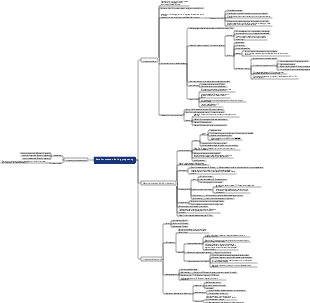
This is a mind map about the complete guide to pregnancy prenatal examination. The main contents include: attention to consultation, diet, carrying items, dressing for pregnancy, what is the expectant father doing? , pregnancy test frequency, important prenatal test time.
Edited at 2025-01-03 10:55:28Rumi: 10 dimensions of spiritual awakening. When you stop looking for yourself, you will find the entire universe because what you are looking for is also looking for you. Anything you do persevere every day can open a door to the depths of your spirit. In silence, I slipped into the secret realm, and I enjoyed everything to observe the magic around me, and didn't make any noise. Why do you like to crawl when you are born with wings? The soul has its own ears and can hear things that the mind cannot understand. Seek inward for the answer to everything, everything in the universe is in you. Lovers do not end up meeting somewhere, and there is no parting in this world. A wound is where light enters your heart.
Chronic heart failure is not just a problem of the speed of heart rate! It is caused by the decrease in myocardial contraction and diastolic function, which leads to insufficient cardiac output, which in turn causes congestion in the pulmonary circulation and congestion in the systemic circulation. From causes, inducement to compensation mechanisms, the pathophysiological processes of heart failure are complex and diverse. By controlling edema, reducing the heart's front and afterload, improving cardiac comfort function, and preventing and treating basic causes, we can effectively respond to this challenge. Only by understanding the mechanisms and clinical manifestations of heart failure and mastering prevention and treatment strategies can we better protect heart health.
Ischemia-reperfusion injury is a phenomenon that cellular function and metabolic disorders and structural damage will worsen after organs or tissues restore blood supply. Its main mechanisms include increased free radical generation, calcium overload, and the role of microvascular and leukocytes. The heart and brain are common damaged organs, manifested as changes in myocardial metabolism and ultrastructural changes, decreased cardiac function, etc. Prevention and control measures include removing free radicals, reducing calcium overload, improving metabolism and controlling reperfusion conditions, such as low sodium, low temperature, low pressure, etc. Understanding these mechanisms can help develop effective treatment options and alleviate ischemic injury.
Rumi: 10 dimensions of spiritual awakening. When you stop looking for yourself, you will find the entire universe because what you are looking for is also looking for you. Anything you do persevere every day can open a door to the depths of your spirit. In silence, I slipped into the secret realm, and I enjoyed everything to observe the magic around me, and didn't make any noise. Why do you like to crawl when you are born with wings? The soul has its own ears and can hear things that the mind cannot understand. Seek inward for the answer to everything, everything in the universe is in you. Lovers do not end up meeting somewhere, and there is no parting in this world. A wound is where light enters your heart.
Chronic heart failure is not just a problem of the speed of heart rate! It is caused by the decrease in myocardial contraction and diastolic function, which leads to insufficient cardiac output, which in turn causes congestion in the pulmonary circulation and congestion in the systemic circulation. From causes, inducement to compensation mechanisms, the pathophysiological processes of heart failure are complex and diverse. By controlling edema, reducing the heart's front and afterload, improving cardiac comfort function, and preventing and treating basic causes, we can effectively respond to this challenge. Only by understanding the mechanisms and clinical manifestations of heart failure and mastering prevention and treatment strategies can we better protect heart health.
Ischemia-reperfusion injury is a phenomenon that cellular function and metabolic disorders and structural damage will worsen after organs or tissues restore blood supply. Its main mechanisms include increased free radical generation, calcium overload, and the role of microvascular and leukocytes. The heart and brain are common damaged organs, manifested as changes in myocardial metabolism and ultrastructural changes, decreased cardiac function, etc. Prevention and control measures include removing free radicals, reducing calcium overload, improving metabolism and controlling reperfusion conditions, such as low sodium, low temperature, low pressure, etc. Understanding these mechanisms can help develop effective treatment options and alleviate ischemic injury.
Pregnancy check-up strategy
Pregnancy check frequency
conventional
Before 28 weeks of pregnancy: once every 4 weeks;
Pregnancy 28-36 weeks: Once every 2 weeks;
After 36 weeks of pregnancy: once a week
Pregnancy check out dress
Clothes should be loose and easy to put on and take off. The heels of shoes should not be high heels. Comfortable sports shoes are better
Carry items
There are many things to check. Prepare a bag and place all the required inspection sheets together to avoid being unable to find them every time.
Before going out for pregnancy check-ups, check what you need to use today, such as ID card, medical insurance card, mother and child health records, appointment form, bank card, inspection form, etc.
Dietary Care
According to the project, confirm whether you need to fast after 8 pm the day before the pregnancy test, and try to drink less water as much as possible.
Care for consultation
When you are at home, you must record your physical reactions on your mobile phone or notepad. Consult a doctor during prenatal examination.
If you don’t understand the test results, be sure to ask the doctor.
What does a prospective dad do?
During the inspection
Find a seat to give your mother a rest, register, pay fees, get urine cups, send urine samples, etc.
When drawing blood, weighing weight, measuring blood pressure, and doing B-ultrasound, expectant mothers need to take off their coat. A prospective father can help pregnant mothers hold coats, bags, prenatal examination materials, etc.
Help expectant mother record doctor's advice
Wait for results
Feeding fruits and warm water to expectant mothers
The expectant father can make a few more trips to see if the inspection results have come out.
Go home from prenatal examination
Implement and urge doctors to provide health advice
Important prenatal examination time
0~4 weeks
Check items
Blood HCG
Progesterone
Prenatal examination focus
Confirm whether you are pregnant
Prenatal examination instructions
After discovering two bars, go to the hospital for examination in time. You can go to the gynecology or obstetrics department. It is recommended to obstetrics department.
4~8 weeks
Check items
Color Super
Prenatal examination focus
Ectopic pregnancy excluded
Prenatal examination instructions
Usually around week 6
Many people will not see the fetal heart tube pulsation during this period, most of which are because they have not yet developed to the extent that they can see color ultrasound. Generally, when encountering this situation, the doctor will recommend that you check the color ultrasound again after 7-10 days.
Some people are also afraid that it will not be seen that the fetal heart tube pulses, which will increase the psychological burden. At this time, the doctor will usually inform you of attention to abdominal pain and bleeding. Under the principle of informed consent, it can be delayed until 7-8 weeks in the lottery.
Depending on the doctor's advice
Week 12
Check items
"Mother and Child Health Record" (Card)
Rule out common diseases such as ectopic pregnancy, hydatidiform molar and various types of miscarriage
Blood routine, urine routine, uterine height, abdominal circumference, fetal heartbeat, blood pressure, weight
Prenatal examination focus
Fetal heart and fetal neck transparent belt (NT examination)
Prenatal examination instructions
Consultation: Doctors usually ask the expectant mothers how much weight they have before they become pregnant, as a reference for future weight gain for expectant mothers during pregnancy. And learn about past medical history, medication allergies, family history, medical history of expectant mothers, etc. Ask about the time of menstruation and re-estimate the estimated delivery date.
Listening to fetal heartbeat: Doctors use Doppler fetal heartbeat to listen to the baby's heartbeat, determine whether a single or twin, determine whether there is an ectopic pregnancy, etc. (Record with your mobile phone, record this sound, and share it with your husband)
Urine test: It mainly tests the two values of the expectant mother's diabetes and proteinuria to determine whether the expectant mother has diabetes or poor milk candy, whether the kidney function is sound (metabolism of protein), pre-seizure and gestational diabetes and other diseases.
Routine physical examination: The doctor will examine the thyroid, breasts, pelvis, etc. of the mother.
The expectant mother undergoes a blood test, mainly to test the blood type, ABO blood type, RH blood type, hemoglobin (testing the degree of anemia of the expectant mother), screening for thalassemia, liver function and syphilis, hepatitis B, AIDS, and whether there is viral infection, etc. Be prepared for the future.
Is it empty
yes
Week 16
Check items
Blood routine, urine routine, uterine height, abdominal circumference, fetal heartbeat, blood pressure, weight
Down syndrome screening
Prenatal examination focus
Down syndrome screening
Prenatal examination instructions
Starting from the second prenatal check-up, expectant mothers must undergo basic routine check-ups each time, including weighing their body, measuring their blood pressure, consultation and seeing their baby's fetal heart.
Down syndrome screening is also known as "congenital foolish" or "21 triplex syndrome". The specially made chromosome 21 has changed from 2 normal to 3. Most children with Down syndrome have severe intelligence disorders, so the doctor Pregnant women will be advised to choose this test. The results show that positive results only mean that the baby has a higher risk of Down than ordinary people. Doctors will recommend amniotic fluid testing or non-invasive DNA testing.
Is it empty
yes
Week 20
Check items
Blood routine, urine routine, uterine height, abdominal circumference, fetal heartbeat, blood pressure, weight
Four-dimensional color ultrasound fetal malformation screening
Prenatal examination focus
Four-dimensional color ultrasound fetal malformation screening
Prenatal examination instructions
In addition to routine examinations, the first ultrasound examination is required for this prenatal examination.
It depends on whether there are major problems in the appearance and development of the fetus. The doctor will carefully measure the fetus' head and abdominal circumference to see the length of the thigh bone and check whether there are congenital abnormalities in the spine.
If the expectant mother takes four-dimensional color ultrasound, you can also see the baby's real-time facial expressions
Before taking color ultrasound, what expectant mothers should do is to maintain a calm mind. If they are too nervous, it will affect the fetus' activities.
This check may require several times to enter and exit the color ultrasound room, because the baby must be in a perfect position to see more accurately. If the location is not good, come out and drink some water and take a walk.
PS At this time, you can already tell whether you are pregnant with a boy or a girl, but the doctor will not say it. Let me leave a surprise for the future. Times are different, both men and women are the same. It feels like scraping the lottery when giving birth to a baby. Joyful
Is it empty
no
Week 24
Check items
Blood routine, urine routine, uterine height, abdominal circumference, fetal heartbeat, blood pressure, weight
Gestational diabetes screening
Prenatal examination focus
Glucose tolerance screening
Prenatal examination instructions
Do not eat after 8 pm the day before the sugar tolerance screening, drink less water, come to the hospital on an empty stomach
Don’t drink sugar water too quickly, drink it slowly, drink it a little bit, don’t finish it in one sip, drink it within 3-5 minutes. It is best to walk more after drinking, so that energy will be consumed within an hour and will help reduce blood sugar concentration.
Is it empty
yes
Week 28
Check items
Blood routine, urine routine, uterine height, abdominal circumference, fetal heartbeat, blood pressure, weight
Hepatitis B antigen, pelvic measurement, fetal position examination, B-ultrasound
Prenatal examination focus
Hepatitis B antigen syphilis serum test
Prenatal examination instructions
If both tests for hepatitis B are positive, you must inform the obstetrician to inject the newborn within 24 hours of the expectant mother giving birth to the baby to prevent the baby from being infected.
The second prenatal examination begins to check the baby's fetal position, check the mother's pelvis, and prepare for delivery
Is it empty
yes
Week 30
Check items
Blood routine, urine routine, uterine height, abdominal circumference, fetal heartbeat, blood pressure, weight
Physical examination (edema, etc.), fetal position examination (instructing mothers to count fetal movements)
Electrocardiogram, liver and gallbladder ultrasound, and blood sugar and bile acid should be checked according to the actual situation of the pregnant woman.
Prenatal examination focus
Fetal heart monitoring
Prenatal examination instructions
After 28 weeks of pregnancy, the prenatal examination changed from once a month to once every two weeks, and the doctor began to check for edema for expectant mothers.
The uterus dilated to a certain extent will compress the vein and affect venous return, thus causing edema in the lower limbs.
Press your thumb on the shin of the calf. When pressed, the skin will be significantly concave and will not recover quickly, which means there is edema.
Focus on monitoring blood pressure, urine protein and other values to prevent the occurrence of epilepsy. After 28 weeks, the examinations for blood pressure, protein and urine sugar are very important. Expectants should not miss every prenatal check-up.
Is it empty
no
Week 32
Check items
Blood routine, urine routine, uterine height, abdominal circumference, fetal heartbeat, blood pressure, weight
Physical examination (edema, etc.), assessment of fetal weight, and fetal position examination (instructing mothers to count fetal movements)
Prenatal examination focus
Assessing fetal weight
Prenatal examination instructions
Whether the baby can be delivered smoothly through the pelvis is related to the size of the pelvis and the size of the baby.
In order to figure out the size and shape of the pelvis and understand the ratio between the baby and the pelvis, the pelvis should be measured during prenatal examination.
The fetus grows too fast, and the doctor will let expectant mothers control their diet to prevent the difficulty of delivery and precautions for pregnancy checkups.
Is it empty
no
Week 34
Check items
Blood routine, urine routine, uterine height, abdominal circumference, fetal heartbeat, blood pressure, weight
Assessing fetal weight
Prenatal examination focus
Assessing fetal weight
Is it empty
no
Week 36
Check items
Blood routine, urine routine, uterine height, abdominal circumference, fetal heartbeat, blood pressure, weight
Evaluate the fetal weight and fetal position examination
Prenatal examination focus
Determine delivery method
Prenatal examination instructions
Starting at 36 weeks, the prenatal examination will be changed from half a month to once a week. The doctor will continue to monitor the status of the fetus.
You can start preparing some production items to avoid being frivolous when production comes
Is it empty
no
Week 37
Check items
Blood routine, urine routine, uterine height, abdominal circumference, fetal heartbeat, blood pressure, weight
Re-examination of liver function in patients with abnormal liver function
Four or five coagulation items, ultrasound, electrocardiogram
Comprehensive situation of fetus and expectant mothers' pelvis, etc., determine the delivery method
Guide expectant mothers to count fetal movements by themselves, and guide expectant mothers to have discomfort, such as abdominal pain, uterine contractions, redness, amniotic fluid breakage, etc.
Prenatal examination focus
Check four or five coagulation items, ultrasound, electrocardiogram
Check the fetus and the pelvis of expectant mothers, etc., and decide the delivery method
Prenatal examination instructions
This is a major prenatal examination, with a lot of content. I hope my father can accompany him throughout the whole process.
The expectant mother should be meticulous and meticulous, observe closely, and pay attention to any "movements" in her body at any time.
The fetal heart rate curve and uterine contraction pressure waveform were recorded with the help of the instrument to understand the basis for fetal heart rate reactions during fetal movement and uterine contraction, and to infer whether the fetus has hypoxia.
Is it empty
yes
Weeks 38-40
Check items
Blood routine, urine routine, uterine height, abdominal circumference, fetal heartbeat, blood pressure, weight
Evaluate the fetal weight and fetal position examination
Prenatal examination focus
Cervical maturity test
Prenatal examination instructions
Starting from week 38, the fetal position begins to be fixed, the head slowly descends and gets stuck in the pelvic cavity
Expectant mothers should be prepared for labor and pay attention to their fetal movement changes.
Impotence of redness, water breakage, regular uterine contractions are admitted to the hospital in time for delivery
Is it empty
no