MindMap Gallery Seven habits of high-performance people
In "Seven Habits of Highly Effective People", author Stephen Covey reveals a complete system from personal growth to teamwork. Habits progress from one to seven layers, from proactive to continuous renewal, covering multiple dimensions of self-improvement such as emotional wisdom, spiritual cultivation, mental upgrading, and physical renewal. Through the principles of win-win thinking, integrated comprehensive effect, combined with practical tools such as listening system, feedback technology, and non-violent communication, we help individuals and teams achieve efficient collaboration and continuous improvement. From priority decision-making to time matrix optimization, from trust building ladder to collaborative innovation processes, this systematic approach provides a clear path to responding to challenges and achieving goals, helping everyone become more outstanding leaders and collaborators.
Edited at 2025-03-09 01:48:52Rumi: 10 dimensions of spiritual awakening. When you stop looking for yourself, you will find the entire universe because what you are looking for is also looking for you. Anything you do persevere every day can open a door to the depths of your spirit. In silence, I slipped into the secret realm, and I enjoyed everything to observe the magic around me, and didn't make any noise. Why do you like to crawl when you are born with wings? The soul has its own ears and can hear things that the mind cannot understand. Seek inward for the answer to everything, everything in the universe is in you. Lovers do not end up meeting somewhere, and there is no parting in this world. A wound is where light enters your heart.
Chronic heart failure is not just a problem of the speed of heart rate! It is caused by the decrease in myocardial contraction and diastolic function, which leads to insufficient cardiac output, which in turn causes congestion in the pulmonary circulation and congestion in the systemic circulation. From causes, inducement to compensation mechanisms, the pathophysiological processes of heart failure are complex and diverse. By controlling edema, reducing the heart's front and afterload, improving cardiac comfort function, and preventing and treating basic causes, we can effectively respond to this challenge. Only by understanding the mechanisms and clinical manifestations of heart failure and mastering prevention and treatment strategies can we better protect heart health.
Ischemia-reperfusion injury is a phenomenon that cellular function and metabolic disorders and structural damage will worsen after organs or tissues restore blood supply. Its main mechanisms include increased free radical generation, calcium overload, and the role of microvascular and leukocytes. The heart and brain are common damaged organs, manifested as changes in myocardial metabolism and ultrastructural changes, decreased cardiac function, etc. Prevention and control measures include removing free radicals, reducing calcium overload, improving metabolism and controlling reperfusion conditions, such as low sodium, low temperature, low pressure, etc. Understanding these mechanisms can help develop effective treatment options and alleviate ischemic injury.
Rumi: 10 dimensions of spiritual awakening. When you stop looking for yourself, you will find the entire universe because what you are looking for is also looking for you. Anything you do persevere every day can open a door to the depths of your spirit. In silence, I slipped into the secret realm, and I enjoyed everything to observe the magic around me, and didn't make any noise. Why do you like to crawl when you are born with wings? The soul has its own ears and can hear things that the mind cannot understand. Seek inward for the answer to everything, everything in the universe is in you. Lovers do not end up meeting somewhere, and there is no parting in this world. A wound is where light enters your heart.
Chronic heart failure is not just a problem of the speed of heart rate! It is caused by the decrease in myocardial contraction and diastolic function, which leads to insufficient cardiac output, which in turn causes congestion in the pulmonary circulation and congestion in the systemic circulation. From causes, inducement to compensation mechanisms, the pathophysiological processes of heart failure are complex and diverse. By controlling edema, reducing the heart's front and afterload, improving cardiac comfort function, and preventing and treating basic causes, we can effectively respond to this challenge. Only by understanding the mechanisms and clinical manifestations of heart failure and mastering prevention and treatment strategies can we better protect heart health.
Ischemia-reperfusion injury is a phenomenon that cellular function and metabolic disorders and structural damage will worsen after organs or tissues restore blood supply. Its main mechanisms include increased free radical generation, calcium overload, and the role of microvascular and leukocytes. The heart and brain are common damaged organs, manifested as changes in myocardial metabolism and ultrastructural changes, decreased cardiac function, etc. Prevention and control measures include removing free radicals, reducing calcium overload, improving metabolism and controlling reperfusion conditions, such as low sodium, low temperature, low pressure, etc. Understanding these mechanisms can help develop effective treatment options and alleviate ischemic injury.
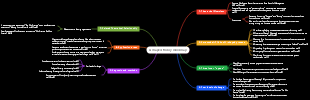
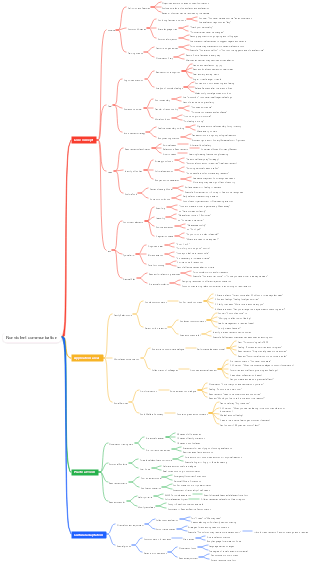
Seven habits of high-performance people
Habit 1: Be proactive
Personal Vision Principles
self conscious
Identify emotional trigger points
Daily reflection record
Values and Behavior Consistency Check
Mind mode monitoring
Active Language
"I chose to do this" instead of "I have to do"
"I can find a way" instead of "This is impossible"
Eliminate hypothetical expressions of "wish" and "if"
Replace "why fail" with "how to solve"
Influence circle
Draw a list of personal controllable areas
Develop response plans for each uncontrollable factor
Create an energy management log
Monthly assessment of impact circle expansion progress
Responsibility
Three-step method of error analysis: recognition → attribution → improvement
Establish a statement of personal responsibility
Implement 30-day no complaints challenge
Create a responsibility transfer warning mechanism
Act positively
Problem prevention system
Risk warning indicator setting
Plan drill process
Resource preconfiguration plan
Solution Toolbox
Brainstorm template
Expert consultation list
Historical case database
Meeting challenges
Pressure conversion technology
Physiological regulation of breathing
Cognitive reconstruction exercises
Stress log analysis
Opportunity Identification Framework
SWOT dynamic analysis
Cross-border thinking migration
Reverse scenario deduction
Habit 2: Start with the end
Leadership Principles
Personal Mission Statement
Writing a five-dimensional declaration: family, career, health, social, spiritual
Adopt visual presentation
Revise the mechanism quarterly
Principle-centered practice
Establish a principled decision matrix
Design the process of responding to conflicts of values
Creating a Principle Review Committee
Target system
Ten-year vision construction
Key field scene description
Milestone Event Planning
Heritage list design
Short-term goal management
Target disassembly SMARTization
Create a target correlation map
Implementation target completion tracking
Role balance
Role Energy Distribution Table
Time-Energy Two-dimensional Matrix
Role Performance Assessment Indicators
Dynamic adjustment algorithm
Priority decision model
Eisenhower Matrix Upgrade Edition
Opportunity Cost Calculation Tool
Decision delay response mechanism
Values are implemented
Behavioral calibration system
Daily behavior audit form
Value deviation warning
List of corrective actions
Belief strengthening strategy
Successful Case Collection
Analyzing role model
Daily reading of the Declaration of Faith
Habit 3: The first priority
Time matrix optimization
Implementation of the second quadrant
Strategic matter identification standards
Preventive investment plan
Production capacity improvement roadmap
Three and four quadrant cleaning
Transactional work automation
Inefficient meeting elimination plan
Interference source shielding system
Priority decision
Weekly planning six-step method
Role Target Alignment
Key results extraction
Time block allocation
Buffer belt settings
Recalling mechanism
Daily execution strategy
Task hierarchical coding
Attention cycle management
Interrupt handling protocol
Authorization system
Delegation classification standards
Fully authorized matters
Supervision and implementation matters
Coordinate matters
Authorization effect evaluation
Results quality tracking
Capacity growth monitoring
Trust Rating
Anti-interference mechanism
In-depth working configuration
90-minute focus cycle
Customized physical environment
Digital drug rehabilitation plan
Reject artistic practice
Priority display method
Alternatives available
Gentle and firm speech
Habit 4: Win-win thinking
Relationship construction
Emotional account operation
Deposit behavior list
Withdrawal warning mechanism
Account audit cycle
Trust builds a ladder
Ability display strategy
Motive clarification method
Character verification approach
Collaboration mode
Benefit discovery technology
Demand Iceberg Analysis
Value Exchange Map
Hidden demand mining
Collaborative innovation process
Cross-border thinking collision
Solution iteration mechanism
Risk sharing design
Institutional design
Protocol Feature Template
Result definition criteria
Resource allocation rules
Acceptance process design
Incentive mechanism
Incremental income distribution
Quantification of intangible value
Long-term equity binding
Habit 5: Know the enemy and understand yourself
Listening system
Five-layer listening model
Ignorance → Pretend → Selective → Focus → Empathy
Diagnosis of hearing disorders
Upgrade training plan
Feedback Technology
Repetition confirmation method
Emotional annotation technique
Ask and guide
Expression strategy
Structured expression
Pyramid principle application
Visual assistive tools
Story packaging skills
Nonviolent communication
Observation record template
Feel the vocabulary library
Request expression formula
Deepening relationships
Trust Accelerator
Vulnerability display strategy
Confidentiality test
Crisis support record
Interaction enhancement
Significant Events
Personalized care list
Co-growth project
Habit 6: Integrated comprehensive effect
Innovation mechanism
Differential utilization method
Cognitive Difference Map
Complementary experience differences
Style difference synergies
Third plan design
Breakthrough assumptions
Combination innovation
Reverse Engineering Method
Team Catalysis
Synergistic efficiency
Role Complementary Matrix
Information Sharing Platform
Cross-functional collaboration
Conflict transformation
Restructuring technology
Emotional stripping training
Creative conflict framework
System upgrade
Leverage point identification
Bottleneck analysis
Enhanced loop design
Delay effect management
Continuous improvement
PDCA-R cycle
Best Practice Library
Death mode preview
Habit 7: Continuous update
Body renewal
Health System
Biological clock calibration
Nutritional Combination Program
Exercise cycle planning
Recovery Science
Sleep optimization
Active recovery technology
Pressure Release Valve
Mind upgrade
Learning system
Topic Learning Map
Cross-border learning plan
Feynman's teaching method
Reshaping thinking
Cognitive bias correction
Thinking Model Library
Breakthrough in mental mode
Spiritual cultivation
Inner Growth
Three daily procedures
Exploration of the meaning of life
Spiritual Mentor System
Value output
Knowledge productization
Experience inheritance plan
Influence Investment
Emotional wisdom
Relationship Network
Key relationship map
Social Energy Management
Community operation strategy
Improve emotional intelligence
Emotional granularity refinement
Reaction mode reconstruction
Empathy ability training