MindMap Gallery Introduction to Basic Chemistry Mind Map
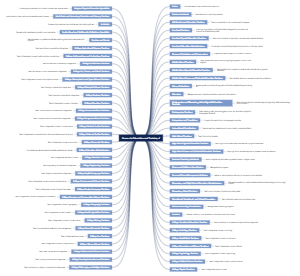
This mind map, created with EdrawMind, offers a structured overview of basic chemistry concepts. It categorizes key topics into Lipids, Amino Acids, Proteins, Fatty Acids, Inorganic Compounds, Organic Compounds, Carbohydrates, and Nucleic Acids. Each category is further broken down into subtopics, providing detailed information on the structure, function, and examples of each chemical group. This visual tool is ideal for students and educators seeking a comprehensive yet digestible summary of fundamental chemistry principles.
Edited at 2025-10-06 12:31:55This mind map provides a detailed overview of the pharmacotherapy for heart failure, focusing on drug categories, their mechanisms of action, and specific treatment strategies. It includes information on drugs used to manage heart failure symptoms and improve patient outcomes, such as ACE inhibitors, beta-blockers, diuretics, and newer pharmacological agents. The map also outlines treatment goals, non-pharmacological interventions, and considerations for different stages of heart failure, offering a comprehensive guide for healthcare professionals.
This mind map, created using EdrawMind, provides a detailed overview of anti-arrhythmic drugs. It categorizes the drugs into different classes based on their mechanisms of action, such as sodium channel blockers, beta-blockers, potassium channel blockers, and calcium channel blockers. Each category includes specific drugs, their mechanisms, clinical uses, and potential side effects. The mind map also features an overview section with an ECG waveform illustration, highlighting the effects of these drugs on heart rhythms, and an information section discussing general principles of arrhythmia treatment.
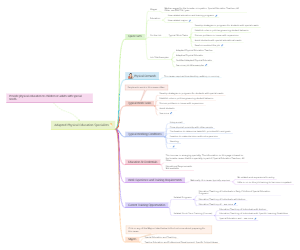
This mind map, created using EdrawMind, outlines the pharmacotherapy options for angina pectoris. It covers various classes of drugs used in treatment, including their mechanisms of action, therapeutic uses, and important considerations. The map is divided into sections such as "Angina," "Drugs," "Organic Nitrates," and "Management," providing a structured overview of how different medications alleviate symptoms and improve patient outcomes in angina pectoris.
This mind map provides a detailed overview of the pharmacotherapy for heart failure, focusing on drug categories, their mechanisms of action, and specific treatment strategies. It includes information on drugs used to manage heart failure symptoms and improve patient outcomes, such as ACE inhibitors, beta-blockers, diuretics, and newer pharmacological agents. The map also outlines treatment goals, non-pharmacological interventions, and considerations for different stages of heart failure, offering a comprehensive guide for healthcare professionals.
This mind map, created using EdrawMind, provides a detailed overview of anti-arrhythmic drugs. It categorizes the drugs into different classes based on their mechanisms of action, such as sodium channel blockers, beta-blockers, potassium channel blockers, and calcium channel blockers. Each category includes specific drugs, their mechanisms, clinical uses, and potential side effects. The mind map also features an overview section with an ECG waveform illustration, highlighting the effects of these drugs on heart rhythms, and an information section discussing general principles of arrhythmia treatment.
This mind map, created using EdrawMind, outlines the pharmacotherapy options for angina pectoris. It covers various classes of drugs used in treatment, including their mechanisms of action, therapeutic uses, and important considerations. The map is divided into sections such as "Angina," "Drugs," "Organic Nitrates," and "Management," providing a structured overview of how different medications alleviate symptoms and improve patient outcomes in angina pectoris.
Introduction to Basic Chemistry
Inorganic compounds
Definition of inorganic compounds
Do not contain carbon
Exceptions: CO2, CO, and bicarbonates
Common inorganic compounds
Acids
Bases
Salts
Organic compounds
Definition of organic compounds
Contained element carbon, hydrogen and oxygen
Carbon atoms bond to form covalent bond
Monomer: Single molecules in a polymer
Polymers: Long molecules formed by repeating the monomers
Macromolecules essential to maintaining life processes: cell functions storage energy homeostasis and genetic information
Types of organic compounds
Carbohydrates
Make up sugars and starch
Contain hydroxyl group
Contain carbon, hydrogen and oxygen
Provide energy to the cells
Dissolve in water
Types
Monosaccharide
One sugar
Ex: Milk sugar (glucose)
Disaccharide
Two sugar bonds together
Ex: Maltose
Polysaccharide
Many sugar linked together
Ex: Satrch
Lipids
Proteins
Nucleic acids
Functional groups in organic compounds
Hydroxyl group
Carboxyl group
Amino group
Carbohydrates
Definition of carbohydrates
Role in biological systems
Classification of carbohydrates
Types of carbohydrates
Monosaccharides
Examples
Functions
Disaccharides
Examples
Functions
Polysaccharides
Examples
Functions
Nucleic acids
Definition
Macromolecules
Composed of nucleotides
Include DNA and RNA
Central to genetic information
Types
DNA
Structure
Double helix
Antiparallel strands
Complementary base pairing
Function
Genetic storage
Template for replication
RNA
Structure
Singlestranded
Contains ribose
Types
Messenger RNA mRNA
Carries genetic information
Transcribed from DNA
Transfer RNA tRNA
Brings amino acids to ribosome
Anticodoncodon pairing
Ribosomal RNA rRNA
Component of ribosomes
Facilitates protein synthesis
Functions
Genetic coding
Instructions for protein synthesis
Inheritance
Regulation
Gene expression
Cellular activities
Replication
Process of copying DNA
Semiconservative mechanism
Enzymes involved
DNA polymerase
Helicase
Ligase
Importance
Ensures genetic continuity
Repairs damaged DNA
Transcription
Process of synthesizing RNA from DNA
Initiation
Elongation
Termination
Role in gene expression
Translation
Process of synthesizing proteins from mRNA
Ribosome function
Role of tRNA
Importance of amino acid sequence
Importance in biology
Central dogma of molecular biology
DNA > RNA > Protein
Role in evolution
Mutation and variability
Natural selection effects
Fatty acids
Definition of fatty acids
Saturated vs unsaturated fatty acids
Saturated fats contain only single bonds between the carbon atoms
Unsaturated fats contain one or double or triple bonds between the carbon atoms
Importance in diet
Long chains of carbon atoms with attaced hydrogens atom
Ex: Triglycerides
Types of fatty acids
Shortchain fatty acids
Mediumchain fatty acids
Longchain fatty acids
Proteins
Definition
Fundamental macromolecules
Composed of amino acids
Essential for various biological functions
Structure
Primary structure
Sequence of amino acids
Determined by genetic code
Secondary structure
Local folding patterns
Alpha helices
Beta sheets
Tertiary structure
Overall threedimensional shape
Influenced by interactions between side chains
Quaternary structure
Assembly of multiple polypeptide chains
Forms functional proteins
Functions
Enzymatic activity
Catalyze biochemical reactions
Lower activation energy
Structural support
Provide shape and strength
Constituents of membranes
Transport
Carry molecules across membranes
Hemoglobin for oxygen transport
Defense
Antibodies in immune response
Identify and neutralize pathogens
Sources
Dietary
Animal sources
Meat, dairy, eggs
Plant sources
Legumes, nuts, grains
Synthesized
Endogenously in the body
From amino acids
Importance
Essential for growth and repair
Critical in development
Role in cellular functions
Participate in signaling pathways
Importance in health
Balanced intake necessary for wellbeing
Amino acids
Definition
Building blocks of proteins
Organic compounds containing amino and carboxyl groups
Structure
Central carbon atom
Attached to an amino group NH2
Attached to a carboxyl group COOH
Attached to a hydrogen atom
Attached to a variable R group side chain
General structure of amino acids
Central carbon atom C
Alpha carbon position
Amino group NH2
Basic property of amino acids
Participates in peptide bond formation
Carboxyl group COOH
Acidic property of amino acids
Releases protons in aqueous solutions
Hydrogen atom H
Attached to the alpha carbon
Variable side chain R group
Determines the unique properties of each amino acid
Can be polar, nonpolar, acidic, or basic
Peptide bonds
Formed between amino acids
Carboxyl group of one amino acid reacts with the amino group of another
Process of dehydration synthesis
Water molecule is released during bond formation
Importance in protein structure
Links amino acids in a specific sequence
Determines the protein's primary structure
3D structure of proteins
Primary structure
Linear sequence of amino acids
Secondary structure
Local folding patterns eg, alphahelix, betapleated sheet
Tertiary structure
Overall 3D shape of a single polypeptide chain
Influenced by interactions between R groups
Quaternary structure
Arrangement of multiple polypeptide chains
Functional protein complexes formed by multiple subunits
Classification
Essential amino acids
Cannot be synthesized by the body
Must be obtained from diet
Nonessential amino acids
Can be synthesized by the body
Not necessarily required from diet
Conditional amino acids
Usually nonessential
Becomes essential in times of stress or illness
Functions
Protein synthesis
Structural role in cells and tissues
Enzymatic functions
Metabolism
Energy production
Precursor for neurotransmitters
Signaling
Role in immune response
Involvement in hormone production
Sources
Animalbased sources
Meat
Dairy products
Eggs
Plantbased sources
Legumes
Nuts and seeds
Whole grains
Importance
Growth and repair of tissues
Synthesis of enzymes and hormones
Overall maintenance of cellular function
Lipids
Definition of lipids
Importance in cellular function
Hydrophobic but may contain parts that can dissolve in water
Contains carbon. hydrogen and oxygen
H:O ratio is higher than lipids in carbohydrates
Typically contain glycerol and fatty acids
Glycerol contains hydroxyl (OH) group
Fatty acids contain carboxyl (COOH) group
Types of lipids
Fats
Phospholipids
Found in membranes: Head phosphate groups (hydrophilic), tails are the fatty acid (hydrophobic)
Steroids
Cholesterol, testosterone, estrogen
Waxes
Functions of lipids
Energy storage
Protection for the body