MindMap Gallery Anti-Arrhythmic Drugs
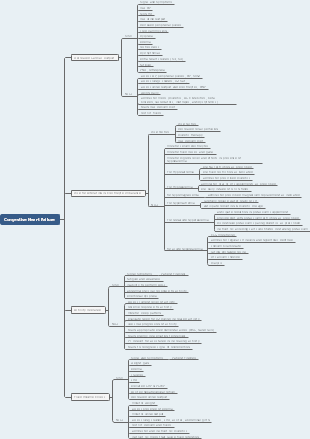
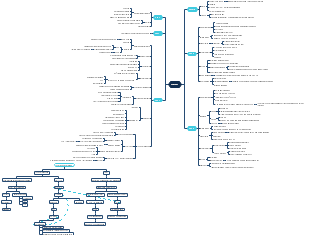
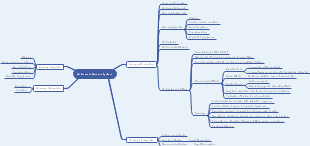
This mind map, created using EdrawMind, provides a detailed overview of anti-arrhythmic drugs. It categorizes the drugs into different classes based on their mechanisms of action, such as sodium channel blockers, beta-blockers, potassium channel blockers, and calcium channel blockers. Each category includes specific drugs, their mechanisms, clinical uses, and potential side effects. The mind map also features an overview section with an ECG waveform illustration, highlighting the effects of these drugs on heart rhythms, and an information section discussing general principles of arrhythmia treatment.
Edited at 2025-11-16 06:46:45This mind map provides a detailed overview of the pharmacotherapy for heart failure, focusing on drug categories, their mechanisms of action, and specific treatment strategies. It includes information on drugs used to manage heart failure symptoms and improve patient outcomes, such as ACE inhibitors, beta-blockers, diuretics, and newer pharmacological agents. The map also outlines treatment goals, non-pharmacological interventions, and considerations for different stages of heart failure, offering a comprehensive guide for healthcare professionals.
This mind map, created using EdrawMind, provides a detailed overview of anti-arrhythmic drugs. It categorizes the drugs into different classes based on their mechanisms of action, such as sodium channel blockers, beta-blockers, potassium channel blockers, and calcium channel blockers. Each category includes specific drugs, their mechanisms, clinical uses, and potential side effects. The mind map also features an overview section with an ECG waveform illustration, highlighting the effects of these drugs on heart rhythms, and an information section discussing general principles of arrhythmia treatment.
This mind map, created using EdrawMind, outlines the pharmacotherapy options for angina pectoris. It covers various classes of drugs used in treatment, including their mechanisms of action, therapeutic uses, and important considerations. The map is divided into sections such as "Angina," "Drugs," "Organic Nitrates," and "Management," providing a structured overview of how different medications alleviate symptoms and improve patient outcomes in angina pectoris.
This mind map provides a detailed overview of the pharmacotherapy for heart failure, focusing on drug categories, their mechanisms of action, and specific treatment strategies. It includes information on drugs used to manage heart failure symptoms and improve patient outcomes, such as ACE inhibitors, beta-blockers, diuretics, and newer pharmacological agents. The map also outlines treatment goals, non-pharmacological interventions, and considerations for different stages of heart failure, offering a comprehensive guide for healthcare professionals.
This mind map, created using EdrawMind, provides a detailed overview of anti-arrhythmic drugs. It categorizes the drugs into different classes based on their mechanisms of action, such as sodium channel blockers, beta-blockers, potassium channel blockers, and calcium channel blockers. Each category includes specific drugs, their mechanisms, clinical uses, and potential side effects. The mind map also features an overview section with an ECG waveform illustration, highlighting the effects of these drugs on heart rhythms, and an information section discussing general principles of arrhythmia treatment.
This mind map, created using EdrawMind, outlines the pharmacotherapy options for angina pectoris. It covers various classes of drugs used in treatment, including their mechanisms of action, therapeutic uses, and important considerations. The map is divided into sections such as "Angina," "Drugs," "Organic Nitrates," and "Management," providing a structured overview of how different medications alleviate symptoms and improve patient outcomes in angina pectoris.
Anti-Arrhythmic Drugs
Overview
Electrocardiogram (ECG)
By Willem Einthoven
Measures electrical activity of the heart beat
Phase 0: Fast Na+ influx ↦ ventricular depolarisation
Phase 1: Transient efflux of K+ ↦ ventricular repolarisation
Phase 2: Efflux of K+ and influx of Ca2+, Na+↦ ventricular repolarisation but form a plateau
Phase 3: Efflux of K+ > influx of Ca2+ ↦ major ventricular repolarisation
Phase 4: Ion balance via Na+/K+ ATP and Na+ gradually entering the cell
Causes
Ischaemic damage
Heart failure
Hypovolaemia
Hypercapnia
Hypotension
Electrolyte disturbances
Drug toxicities
Information
Pathophysiology
Abnormal impulse conduction
Re-entry
Most common cause of arrhythmias
Occur if a unidirectional block caused by myocardial injury results in an unevenness (heterogeneity) of depolarisation and repolarisation
Re-excitation of cardiac muscles
Abnormal impulse formation
Increased automaticity
Occurs if the rate of diastolic depolarisation in the SA node or in latent pacemakers is increased
Also occurs if a shift of the TP occurs to a more negative value
Triggered activity
Result from abnormal calcium influx into cardiac cells during or immediately after phase 3 of the ventricular action potential
Can lead to extrasystoles and tachycardia
Cardiac problems
Palpitations
Reduced CO ↦ reduced exercise capacity, breathlessness, fatigue, dizziness, loss of conciousness
High myocardial demand for blood ↦ may lead to angina
Sudden death from cardiac arrest
Development of blood clots ↦ stroke ↦ treatment with anticoagulant
Management
Pharmacological
- Antiarrhythmics ↦ modify impulse formation and conduction - May cause arrhythmias ↦ K+ inhibition ↦ QT prolongation ↦ ventricular tachycardia
Non-pharmacological
- Lifestyle changes - External defibrillators - Implanted pacemaker - Implantable cardioverter defibrillator - Radiofrequency ablation via a catheter - Surgery
Antiarrhythmics
Introduction
Acts by blocking specific ions channels in cardiac cells and hence lower abnormal automaticity or cardiac conduction, increase repolarisation
Classified by Vaughan-Williams based on their predominant MOA on ventricular cardiac cells
Class
Class I Na+ channel blockers
A
Quinidine
MOA: Binds to open inactivated Na+ channels ↦ lower Na+ influx ↦ slows the upstroke phase 0 Drug properties: Prototype of class 1A drug, anti-malaria drug, has mild a-adrenergic blocking actions Clinical uses: Proarrhythmic, atrial, AV junctional ADRs: Diarrhoea, excessive prolongation of QT interval, thrombocytopaenia
Procainamide
Disopyramide
B
Lidocaine
MOA: Blocks Na+ channel ↦ rapid association & dissociation, open Phase 3 repolarisation and decrease the duration of action potential Drug properties: Local anaesthetic with antiarrhythmic activity Clinical uses: Ventricular arrhythmias during cardiac procedures, largely replaced by amiodarone ADRs: CNS effects (nervousness, tremor, paresthesia)
Mexiletine
C
Flecainide
MOA: Blocks Na+ channels and slowly dissociate from the channels Drug properties: Increased mortality among patients with structural heart Clinical uses: Supraventricular arrhythmias (patients without structural heart diseases), life-threatening ventricular arrhythmias ADRs: Blurred vision, dizziness, nausea
Propafenone
MOA: Blocks Na+ channels ↦ suppresses phase 0↦ lower cardiac conduction Drug properties: Increased mortality among patients with structural heart Clinical uses: Supraventricular tachycardia, atrial fibrillation ADRs: Haematologic abnormalities, anaemia, bronchospasm
Blocks Na+ channel ↦ lower Na+ influx ↦ slow phase 0 depolarisation ↦ inhibit centricular automaticity and decrease conduction velocity
Use dependence property ↦ blocks cells that are discharging at abnormal high frequency without interfering normal, healthy cells
Class II B-adrenoceptor blockers
Non-selective
Propranolol
MOA: Competitively block B1 and B2, inhibit sympathetic activation of cardiac automaticity Clinical uses: Supraventricular arrhythmias, ventricular arrhythmias ADRs: Bronchoconstriction, arrhythmias, cold extremities
Cardio-selective
Esmolol
MOA: Selectively block B1-adrenoceptor, inhibit sympathetic activation of cardiac automaticity and conduction Clinical uses: Acute arrhythmias during surgery or emergencies ADR: Similar to propranolol but lower risks of bronchospasm and hypoglycaemia
Metoprolol
MOA: Selectively block B1-adrenoceptor, inhibit sympathetic activation of cardiac automaticity and conduction Clinical uses: Supraventricular arrhythmias, ventricular arrhythmias after MI, cardioprotective ADR: Similar to propranolol but lower risks of bronchospasm and hypoglycaemia
Class III K+ channel blockers
Amiodarone oral or IV
Drug properties: Contains iodine, structurally related to thyroxine, multi-mechanism ↦ blocks K+ channels, Na+ channels, least proarrhythmic Clinical uses: Supraventricular arrhythmias and ventricular arrhythmias ADRs: Pro-arrhythmias, corneal microdeposits, pulmonary fibrosis
Dronedarone Oral
Drug properties: Noniodinated amiodarone analogue↦no effect on thyroid function, moa similar to amiodarone but less effective than amiodarone Clinical uses: Atrial fibrillation, atrial flutter ADRs: Liver failure, increase mortality in patients with HF
Sotalol oral
Drug properties: Blocks K+ channels during 3 phase Clinical uses: Adjunct therapy in patients with an implantable cardioverter-defibrillator ADRs: Bradycardia, bronchospasm, dyspnoea
Dofetilide oral
Drug properties: Blocks K+ channels only Clinical use: Atrial fibrillation ADRs: Pro-arrhythmias↦drug initiation in in-patient setting
Ibutilide IV
Drug properties: Blocks K+ and Na+ channels Clinical uses: Chemical conversion of atrial flutter ADRs: Proarrhythmias ↦ drug initiation in in-patient setting
Class IV Ca2+ channel blockers
Verapamil (Isoptin)
Drug properties: Non-dihydropyridine Ca2+ channel blockers, significant effects on cardiac MOA: Block Ca2+ channel blockers ↦ lower Ca2+ influx, slow conduction is SA and AV nodes Clinical uses: Effective for treating supraventricular arrhythmias but not effective in treating ventricular arrhythmias ADRs: Constipation, flushing, dizziness, hypotension
Diltiazem
Drug properties: Non-dihydropyridine Ca2+ channel blockers, significant effects on cardiac MOA: Block Ca2+ channel blockers ↦ lower Ca2+ influx, slow conduction is SA and AV nodes Clinical uses: Effective for treating supraventricular arrhythmias but not effective in treating ventricular arrhythmias ADRs: Constipation, flushing, dizziness, hypotension
Others
Adenosine
MOA: Opens K+ channels, blocks Ca2+ channels, slow AV conduction velocity Drug properties: Naturally occurring nucleoside, pharmacologic counterpart to electrical cardioversion Clinical uses: Acute supraventricular tachycardia ADRs: Bronchospasm
Digoxin
MOA: Inhibits Na+/K+-ATPase pump, slow conduction velocity Drug properties: Digitalis plant, narrow therapeutic index Clinical uses: Atrial fibrillation ADRs: Anorexia, nausea, vomiting, blurred vision, yellowish vision
Magnesium sulphate
MOA: Slows SA node impulse formation, prolongs conduction time in cardiac muscles Drug properties: Transport Na+, Ca2+, and K+ across membrane Clinical uses: Torsades de pointes, digoxin-induced arrhythmias ADRs: Generally well tolerated