MindMap Gallery Central Nervous System Stimulants: Comprehensive Insights
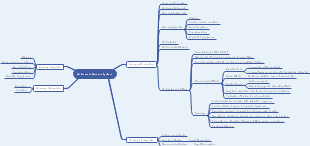
This mind map, created using EdrawMind, offers an in-depth exploration of central nervous system stimulants, encompassing categories like cocaine, amphetamines, methylphenidate, nicotine, and vanoxicline. Each category is elaborated with detailed subtopics including introductions, mechanisms of action, therapeutic uses, side effects, and more. This structured overview serves as a valuable resource for understanding the diverse effects, applications, and potential risks associated with CNS stimulants, catering to students, professionals, and researchers in the medical and pharmacological fields.
Edited at 2025-11-01 03:27:01This mind map provides a detailed overview of the pharmacotherapy for heart failure, focusing on drug categories, their mechanisms of action, and specific treatment strategies. It includes information on drugs used to manage heart failure symptoms and improve patient outcomes, such as ACE inhibitors, beta-blockers, diuretics, and newer pharmacological agents. The map also outlines treatment goals, non-pharmacological interventions, and considerations for different stages of heart failure, offering a comprehensive guide for healthcare professionals.
This mind map, created using EdrawMind, provides a detailed overview of anti-arrhythmic drugs. It categorizes the drugs into different classes based on their mechanisms of action, such as sodium channel blockers, beta-blockers, potassium channel blockers, and calcium channel blockers. Each category includes specific drugs, their mechanisms, clinical uses, and potential side effects. The mind map also features an overview section with an ECG waveform illustration, highlighting the effects of these drugs on heart rhythms, and an information section discussing general principles of arrhythmia treatment.
This mind map, created using EdrawMind, outlines the pharmacotherapy options for angina pectoris. It covers various classes of drugs used in treatment, including their mechanisms of action, therapeutic uses, and important considerations. The map is divided into sections such as "Angina," "Drugs," "Organic Nitrates," and "Management," providing a structured overview of how different medications alleviate symptoms and improve patient outcomes in angina pectoris.
This mind map provides a detailed overview of the pharmacotherapy for heart failure, focusing on drug categories, their mechanisms of action, and specific treatment strategies. It includes information on drugs used to manage heart failure symptoms and improve patient outcomes, such as ACE inhibitors, beta-blockers, diuretics, and newer pharmacological agents. The map also outlines treatment goals, non-pharmacological interventions, and considerations for different stages of heart failure, offering a comprehensive guide for healthcare professionals.
This mind map, created using EdrawMind, provides a detailed overview of anti-arrhythmic drugs. It categorizes the drugs into different classes based on their mechanisms of action, such as sodium channel blockers, beta-blockers, potassium channel blockers, and calcium channel blockers. Each category includes specific drugs, their mechanisms, clinical uses, and potential side effects. The mind map also features an overview section with an ECG waveform illustration, highlighting the effects of these drugs on heart rhythms, and an information section discussing general principles of arrhythmia treatment.
This mind map, created using EdrawMind, outlines the pharmacotherapy options for angina pectoris. It covers various classes of drugs used in treatment, including their mechanisms of action, therapeutic uses, and important considerations. The map is divided into sections such as "Angina," "Drugs," "Organic Nitrates," and "Management," providing a structured overview of how different medications alleviate symptoms and improve patient outcomes in angina pectoris.
Central Nervous System Stimulants
Introduction
Psychomotor Stimulants
Excitement & euphoria
Decreased fatigue & feelings
Increased motor activity
Examples
Methylxanthines
Nicotine
Cocaine
Amphethamine
Hallucinogens/psychotomimetic
Changes in thought pattern & mood
Examples
Lysergic acid diethylamine (LSD)
Phencyclidine (PCP)
Tetrahydrocannabibol (THC)
Methylxanthines
Mechanism of action
Translocation of extracellular Ca2+
Inhibit phosphodiesterase
Blockade of adenosine receptors
Example
Caffeine
Found in coffee, tea, soft drinks, chocolates; (short acting) the most widely consumed
Theobromide
Found in cocoa
Theophylline
Found in tea; long-acting prescribed for night-time asthma
Actions
CNS
Caffeine decreased fatigue and increased mental alertness
Anxiety & tremors
Spinal cord stimulation
Tolerance rapidly develop
CVS
High doses of caffeine, positive inotropic and chronotropic effect on heart
Diuretic
Caffeine has mild diuretic action that increased urinary output of Na+, Cl-, K+
Gastric mucosa
All methylxanthines stimulate secretion of HCl from gastric mucosa
Respiratory
Relax smooth muscles of the bronchioles
Therapeutic uses
Relax smooth muscle of bronchioles - asthma therapy
Used for treatment of COPD and asthma
Caffeine combination with analgesic (acetaminophen & aspirin) - management of headache
Adverse effect
Moderate doses: Insomnia, anxiety, agitation
High doses: Toxicity that can cause emesis & convulsion
Routinely consume 600mg per day and then suddenly stop: lethargy, irritability, headache
Nicotine
Introduction
Active ingredient in tobacco
Not therapeutically used except in smoking cessation
Nicotine replacement therapies (NRT)
Available as
Skin patches
Chewing gum
Inhalers
Oral mouth sprays
Microtabs
Nasal sprays
Lozenges
Deliver nicotine quickly to the brain, but less rapidly than smoking cigarettes
Mechanism of action
Low dose > ganglionic stimulation by depolarization
High dose > ganglionic blockade
Actions
CNS
Highly lipid soluble and readily crosses the blood brain barrier
Low dose
Euphoria, arousal, relaxation
Improves attention, learning, problem solving and reaction time
High dose
Central respiratory paralysis & severe hypotension
Peripheral
Stimulation of sympathetic ganglia and adrenal medulla
Increase BP and HR (harmful for hypertension patients
Stimulation of parasympathetic ganglia
Increase motor activity of the bowel
Higher dose: BP falls & activating ceases in both GIT and bladder
Adverse effect
CNS: Irritability and tremors
Intestinal cramps, diarrhea
Increase HR and BP
Cigarette smoking increase rate of metabolism for a number of drugs
Withdrawal syndrome
Irritability, anxiety, restlessness, difficulty concentrating, headaches and insomnia
Appetite is affected, and GI upset often occurs
Varenicline
Introduction
Non nicotine based - Used along with education and counselling to help people stop smoking
In class of medications called smoking cessation aids
Actions
It works by blocking the pleasant effects of nicotine on the brain
Maintaining moderate levels of dopamine to counteract withdrawal symptoms (acting as an agonist) and reducing smoking satisfaction (acting as an antagonist)
Partial agonist at nicotinic receptor in CNS cause less euphoric effects being produces
Adverse effect
Common: nausea. abnormal dreams and sleep disturbance
Serious adverse effects: Neuropsychiatric, cardiovascular events
Cocaine
Introduction
Widely available and highly addictive drug
Mechanism of action
Blockade of reuptake of the monoamines into the presynaptic terminals. This potentiates and prolongs the CNS and peripheral actions of these monoamine
Action
Produce the intense euphoria by prolongation of dopaminergic effects in the brain's pleasure system
Follow by dysphoria in a few minutes as it is degraded by plasma estrase
Pharmacological effects
CNS
Dose dependent increase in mental awareness, self confidence & well-being
Higher dose: euphoria
Repeated doses cause involuntary motor movement, paranoia
Pheripheral
Pontentiate action of NE, produce effects such as adrenergic stimulation (fight or flight)
Dose dependent increase HR and BP
Vasoconstriction, pupil dilation
Cause hyperthermia by impairing sweating and cutaneous vasodilation
Therapeutic uses
Applied topically as local anesthetic during eye, ear, nose and throat sugery
Local anesthetic action due to blockage of voltage activated Na+ channel
Adverse effects
Anxiety reaction that includes: hypertension, tachycardia, sweating and irritability
Arrhythmias, seizures & respiratory depression
Chronic inhalation of cocaine powder causing necrosis & perforation of nasal septum d/t vasoconstriction
Addicts withdrawing from cocaine exhibit physical and emotional depression as well as agitation
Amphetamine
Introduction
Potent central nervous system stimulant that is used in the treatment of attention deficit hyperactivity disorder, narcolepsy, and obesity
Non-catechoaminergic sympathetic amine that shows similar neurologic and clinical effects to cocaine
Mechanism of action
Releasing intracellular stores of catecholamines
Inhibits monoamine oxidase (MAO) & weak reuptake transport inhibitor causing a high level catecholamines are readily released in synaptic spaces
Action
CNS
Stimulates the entire cerebrospinal axis, brainstem, and medulla
Increase mental alertness
Decrease fatigue
Lowering appetite
May help to manage hyperactive children, narcolepsy & appetite
SNS
Adrenergic stimulation - indirectly stimulating the receptors through NE release
Therapeutic uses
Attention deficit hyperactivity disorder (ADHD)
Narcolepsy
Appetite suppression
Clinical uses limited due to
Psychological and physiological dependence
Development of tolerance euphoria
Anorectic (lacking appetite) effects
ADHD
Significant problems of attention, hyperactivity, or acting impulsively that not appropriate for a person's age
Dextroamphetamine, methamphetamine, the mixed amphetamine salts and methylphenidate - help improve attention span and alleviate many of behavioral problem
Mechanism of action
Attributed to the binding of dopamine transporter and subsequent inhibition of dopamine reuptake resulting in increased levels of extra cellular dopamine
Lisdexamfetamine - a prodrug that is converted to the active component dextroamphetamine after GI absorption and metabolism
Also used to treat binge eating disorder
Comes as a capsule
Should not be used for weight loss in people who are obese
Narcolepsy
Rare sleep disorder - uncontrollable of sleepiness during the day. Sometimes accompanied by catalepsy, a loss in muscle control and even paralysis brought on by strong emotions
Sleepiness - treated with drugs
Modafinil and its R-enantiomer derivative, armodafinil, are considered first-line agents for the treatment of narcolepsy
Promotes wakefulness, but it produces fewer psychoactive and euphoric affects and fewer alterations in mood, perception, thinking, and feelings typical of other CNS stimulant
Appetite suppression
Phentermine and diethylpropionare sympathomimetic amines that are related structurally to amphetamine
Used for the management of obesity
Phentermine is amphetamine derivative that suppresses appetite
Induces moderate weight loss
Should only be used short-term because of their stimulant action on the central nervous system
Side effects: Insomnia, dry mouth, constipation, euphoria, palpitations and hypertension
Adverse effect
CNS
Insomnia, irritability, weakness, dizziness, tremor, and hyperactive reflexes
Confusion, delirium, panic states, and suicidal tendencies
CVS
Palpitations, cardiac arrhythmias, hypertension, anginal pain, and circulatory collapse
Headache, chills, and excessive sweating may also occur
GI system
Anorexia, nausea, vomiting, abdominal cramps and diarrhea
Contraindications
Hypertension
Cardiovascular disease
Hyperthyroidism
Glaucoma
History of drug abuse
Methylphenidate
Introduction
Has CNS-stimulant properties similar to those amphetamine, and also may lead to abuse
In schedule II drug
One of most prescribed medications in children
Can inhibit the metabolism of warfarin, phenytoin, phenobarbital, primidone and the tricyclic antidepressants
Mechanism of action
Methylphenidate is a dopamine and norepinephrine transport inhibitor and may act by increasing both dopamine and norepinephrine in the synaptic space
Therapeutic uses
Effective in the treatment of narcolepsy
Adverse effect
GI adverse effects most common include abdominal pain and nausea
Anorexia, insomnia, nervousness and fever
In seizure patients, methylphenidate may increase seizure frequency, especially if the patient is taking antidepressants
Contraindicated
Patients with glaucoma
Hallucinogens/Psychotomimetics
Introductions
Ability to induce altered perceptual states of reminiscent of dreams
Accompanied by visions of bright, colourful changes in the environment and by a plasticity of constantly changing shapes and color
Individual under influence of these drugs incapable of normal making decision
Primary effect is to produce perceptual changes & hallucinations
Main types
Lysergic acid diethylamide (LSD)
Methylenedioxy-mathamphetamine (MDMA)
Increases neuronal dopamine and norepinephrine
Ketamine and phencyclidine (PCP)
Neurotransmitters related
Serotonin: LSD, psilocybin, dimethyltryptamine
Norepinephrine: Amphetamine related, mescaline, MDMA
Acetylcholine: Atropine, scopolamine
Dissociative anesthetics: PCP, ketamine
Psychotomimetic Drugs
LSD: Exceptionally potent, producing long lasting sense of dissociation and disordered thought, sometimes with frightening hallucinations and delusions
Appears to act as an agonist at 5-HT2A receptors
MDMA: Amphetamine analogue that has powerful psychostimulant as well as mild psychotomimetic effects
Can cause acute hyperthermia reaction as well as over-hydration and hyponatremia, sometimes fatal
Ketamine and phencyclidine: Blocking glutamate-activated NMDA receptor channel