MindMap Gallery Pharmacotherapy of Heart Failure (Part 1)
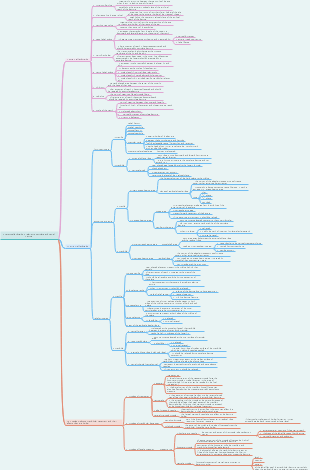
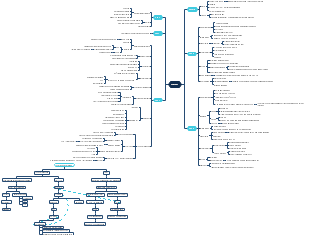
This mind map, created using EdrawMind, provides a structured overview of the pharmacotherapy for heart failure. It includes detailed sections on the introduction to heart failure, its types, pathophysiology, and various treatment strategies. The map breaks down complex information into manageable sections, covering topics such as compensatory mechanisms, neurohormonal responses, and classification of heart failure. It serves as a comprehensive guide for understanding the pharmacological approaches to managing heart failure.
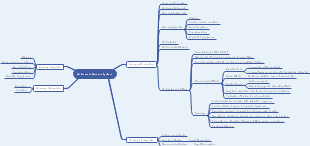
Edited at 2025-11-15 08:14:16This mind map provides a detailed overview of the pharmacotherapy for heart failure, focusing on drug categories, their mechanisms of action, and specific treatment strategies. It includes information on drugs used to manage heart failure symptoms and improve patient outcomes, such as ACE inhibitors, beta-blockers, diuretics, and newer pharmacological agents. The map also outlines treatment goals, non-pharmacological interventions, and considerations for different stages of heart failure, offering a comprehensive guide for healthcare professionals.
This mind map, created using EdrawMind, provides a detailed overview of anti-arrhythmic drugs. It categorizes the drugs into different classes based on their mechanisms of action, such as sodium channel blockers, beta-blockers, potassium channel blockers, and calcium channel blockers. Each category includes specific drugs, their mechanisms, clinical uses, and potential side effects. The mind map also features an overview section with an ECG waveform illustration, highlighting the effects of these drugs on heart rhythms, and an information section discussing general principles of arrhythmia treatment.
This mind map, created using EdrawMind, outlines the pharmacotherapy options for angina pectoris. It covers various classes of drugs used in treatment, including their mechanisms of action, therapeutic uses, and important considerations. The map is divided into sections such as "Angina," "Drugs," "Organic Nitrates," and "Management," providing a structured overview of how different medications alleviate symptoms and improve patient outcomes in angina pectoris.
This mind map provides a detailed overview of the pharmacotherapy for heart failure, focusing on drug categories, their mechanisms of action, and specific treatment strategies. It includes information on drugs used to manage heart failure symptoms and improve patient outcomes, such as ACE inhibitors, beta-blockers, diuretics, and newer pharmacological agents. The map also outlines treatment goals, non-pharmacological interventions, and considerations for different stages of heart failure, offering a comprehensive guide for healthcare professionals.
This mind map, created using EdrawMind, provides a detailed overview of anti-arrhythmic drugs. It categorizes the drugs into different classes based on their mechanisms of action, such as sodium channel blockers, beta-blockers, potassium channel blockers, and calcium channel blockers. Each category includes specific drugs, their mechanisms, clinical uses, and potential side effects. The mind map also features an overview section with an ECG waveform illustration, highlighting the effects of these drugs on heart rhythms, and an information section discussing general principles of arrhythmia treatment.
This mind map, created using EdrawMind, outlines the pharmacotherapy options for angina pectoris. It covers various classes of drugs used in treatment, including their mechanisms of action, therapeutic uses, and important considerations. The map is divided into sections such as "Angina," "Drugs," "Organic Nitrates," and "Management," providing a structured overview of how different medications alleviate symptoms and improve patient outcomes in angina pectoris.
Pharmacotherapy of Heart Failure (Part 1)
Introduction
Types of Heart Diseases
Heart Failure
Valvular heart disease
Rheumatic heart disease
Congenital heart defect
Heart failure
A chronic, progressive heart condition where the heart muscle is unable to pump sufficient blood to meet body needs
Clinical syndrome due to any structural physiological abnormality of the heart resulting in its inability to meet metabolic demands of the body
Focus on systolic dysfunction and diastolic diastolic dysfunction
Cause
High blood pressure
Heart attack/Coronary Artery Disease
Genetic heart defects
Hypertrophy
Valvular heart disease
Diabetes melitus
Viruses
Drug and medicines
Symptoms
Fatigue set in when heart can't pump enough oxygen-rich blood
Activity limitation occurs due to tiredness & shortness of breath
Congestion due to fluid build-up result in coughing
Edema or swelling cause by excess fluid
Shortness of breath
Compensatory mechanism
1. Weakened or damaged heart muscle
2. Decreased contraction of heart to pump out blood
Blood returns to the heart faster than the ability to pump out
4. Pooling and accumulation of blood in the heart
5. Depletion of oxygen-rich blood to the rest of the body
6. Heart beats faster to compensate for time
Heart increases in size to accommodate more blood volume
Fluid accumulates in the lung
Kidney retain water
Signs and symptoms
Right heart failure
Congestion of peripheral tissues
Dependent edema and ascites
GI tract congestion
Anorexia, GI distress, weight loss
Liver congestion
Signs related to impaired liver function
SWELLING
1. Swelling of the legs and hands
2. Weight gain
3. Edema (pitting)
4. Large neck veins (jugular vein distention)
5. Lethargy or fatigue
6. Irregular heart rate
7. Nocturia
8. Girth
Left heart failure
Depressed cardiac output
Activity intolerance and signs of decreased tissue perfusion
Pulmonary congestion
Impaired gas exchange
Cyanosis of signs and hypoxia
Pulmonary edema
Cough with frothy suptum
Orhtopnea
Paroxysmal nocturnal dyspnea
DROWNING
1. Dyspnea (shortness of breath)
2. Rales (crackles)
3. Orthopnea
4. Weakness/fatigue
5. Nocturnal paroxysmal dyspnea
6. Increased heart rate
7. Nagging cough (forthy, blood tinged sputum)
8. Gain weight
Classification of HF
Heart failure
High cardiac output heart failure
- Anaemia - Pregnancy - Hyperthyroidism - Arteriovenous malformation
Low cardiac output heart failure
Right-sided heart failure Oedema, ascites, hepatomegaly, nausea, anorexia
Common causes: - Left ventricular failure - Pulmonary stenosis - Lung disease
Left-sided heart failure Dyspnoea. poor exercise tolerance, orthopnoea, PND, wheeze
Systolic heart failure (HFREF) Inability of ventricle to contract normally and fail to pump enough blood into circulation
- Ischaemic heart disease - Dilated cardiomyopathy - Valvular disease - Hypertension
Diastolic heart failure (HFPEF) Inability of ventricle to relax and fill normally
- Hypertension - Restricted cardiomyopathy - Constrictive pericarditis - Pericardial tamponade
By time course
Acute HF
Decompensated, unstable
Rapid onset or change of new/worsening signs & symptoms of HF that can be life threathening
A medical emergency, requires treatment and medication to be administered by injection
Chronic HF
Compensated, stable
Progressive onset, a long-term condition associated with undergoing adaptive responses
Main types HF
Heart failures
Diastolic heart failure Not enough blood fills into ventricles during diastole
Systolic heart failure Ventricles can't pump hard enough during systole
Both of these HF, cause blood to backs up result in congestion
Congestive Heart Failure (CHF)
A term that comes from blood backing up into the liver, abdomen, lower extremities and lungs
CHF specific subset of HF characterized by LV systolic dysfunction with classic symptoms
Stages
Stage A - No pumping abnormality. Presence of risk factors
Symptoms: No symptoms while doing physical excretion
Treatment
Monitoring regularly
Lifestyle changes
Medications
Stage B - Pumping is reduced and the left ventricle is enlarged
Symptoms: Normal at rest, physical activity causes, weakness, increased heartbeat and difficulty in breathing
Treatment
Monitoring regularly
LIfestyle changes
Medications
Stage C - Poor ventricular contraction or pumping ability of the left ventricle
Symptoms: Obvious limitations while doing physical activity, mild activity causes weakness, increased heartbeat, and difficulty in breathing
Treatment
Medications
Cardiac defibrillators
Pacemaker
Stage D - Advanced disease
Symptoms: Symptoms present even at rest, swelling in the legs, abdomen and feet
Treatment
Surgical intervention
Terminologies
Cardiac output (CO): The volume of blood pumped from ventricle/min (CO = HR x SV)
Dependent on 4 factors - Heart rate - Contractility - Preload - Afterload
Heart rate (HR): Number of times the heart contracts/min
Stroke volume (SV): The volume of blood pumped from the ventricle/beat (SV = EDV - ESV)
Ejection fraction (EF): % of end-diastolic volume (EDV) pumped from the ventricle/beat (EF = [SV/EDV] x 100)
Venous return is the amount of the blood (from the periphery) that returns to the heart (right atrium)
Contractility (cardiac inotropy): The ability of the heart muscle to generate force and to shorten, independently of changes in the HR, preload and afterload
Preload: Volume of blood in ventricles at the end of diastole (end diastolic pressure)
Afterload: Resistance left ventricle must overcome to circulate blood
Compensatory mechanism
- Initially help maintain CO
The Starling's Law
States "the heart will eject a greater stroke volume (SV) in response to a greater end-diastolic volume (EDV) when all other factors remain constant"
Also known as Maestrini heart's law/Frank-Staring mechanism
Maintains CO by increasing SV in response to increase preload (EDVP)
Consequences
Help maintain SV
Systolic + diastolic dysfunction, coupled with compensatory volume expansion lead to increase preload that causes:
Pulmonary congestion and edema
Systemic edema and ascites
Chronic ventricular dilatation and hypertrophy
Neurohumoral Mechanisms
Lower SV and subsequent lower CO lead to lower MAP and cause tissue hypoperfusion that results in activation of neurohumoral responses: 1. Activation of SNS 2. Activation of the RAAS 3. Antidiuretic hormone (ADH) release 4. Atrial natriuretic peptide (ANP) release
Aim to produce > arterial vasoconstriction (to help maintain MAP) > venoconstriction (to increase venous pressure) > increased BV (to increase ventricular filling)
Consequences
Aim to preserve arterial BV and circulatory homeostasis during lower CO, can worsen HF by increase afterload and preload
SNS overdrive + hyperactivation RAAS + Ang II which stimulate cardiac remodelling that can progressively contribute to CHF in the long term
Cardiac remodelling (dilatation/hypertrophy)
An alteration in the structure and function of the heart in response to hemodynamic load and/or cardiac injury in association with neurohumoral activation
2 types: Dilatation and hypertrophy
Dilatation (cardiomegaly): Involves an increase in the size of the inside cavity of the heart chamber
Occurs in response to long-standing hypertension
Types of damage: Prior heart attack, long-term alcohol abuse, myocarditis
The heart's healing response - a thinning and stretching-out of the muscle to increase preload
Hypertrophy: Involves increasing thickness of the heart muscle
Occurs in response to long-standing hypertension
Typically involves the ventricles and related to increase BP in either lungs or the body
Extra work of pumping blood against the increase pressure causes the ventricle to thicken over time
Consequences
Positive
Initial compensation: Help maintain cardiac output despite damage or stress
Improved function: Remodeling can lead to improved cardiac function if the heart adapts effectively to he increased workload
Negative
Ventricular enlargement: Decreased efficiency in pumping blood
Altered shape: Shape may change form elliptical to more globular
Increased wall stress: Enlargement increases the wall stress on the heart, and further damage the heart muscle
Reduced EF: Heart becomes less efficient, the EF can decrease