Wondershare EdrawMind
MindMap Gallery Hengli Group PESTLE Analysis
Hengli Group PESTLE Analysis
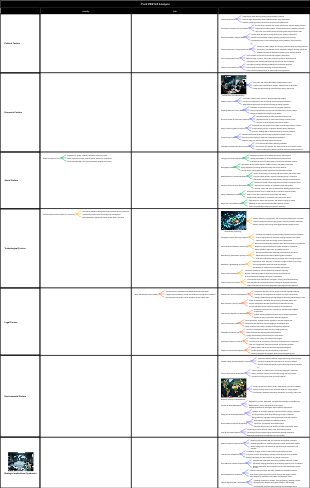
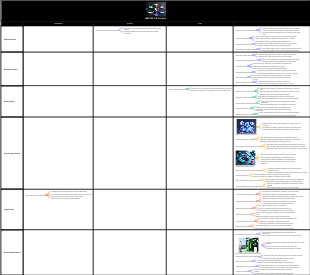
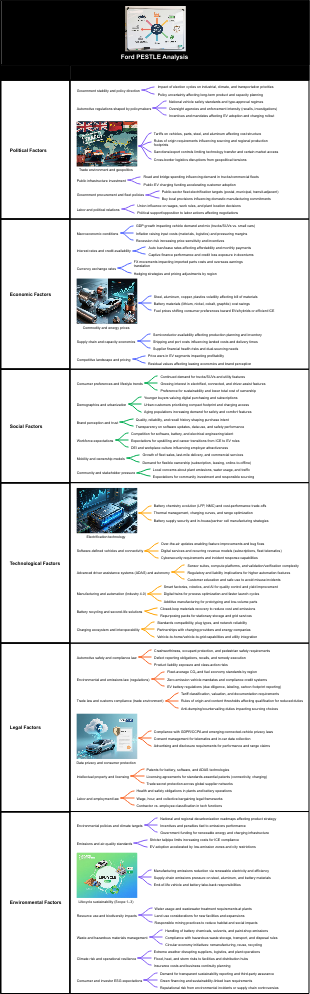
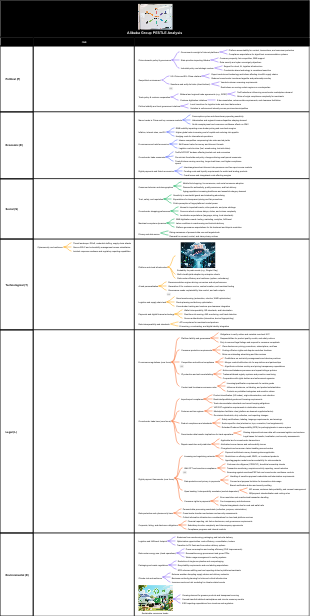
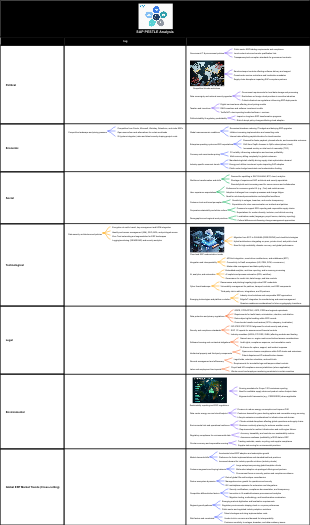
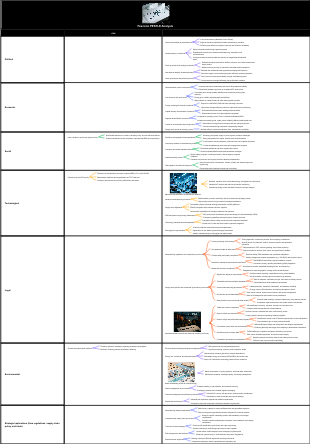
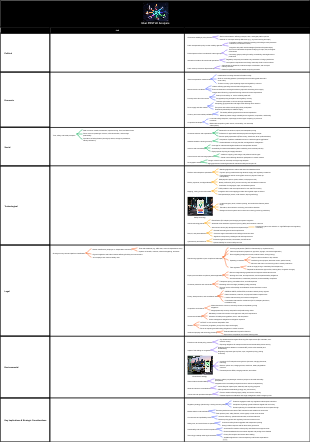
This mind map, titled Hengli Group PESTLE Analysis (Petrochemical Operations), provides a structured overview of the key macro-environmental factors shaping Hengli Group’s strategic landscape as a fully integrated petrochemical enterprise. The mind map begins with China industrial policy and state priorities, analyzing alignment with national goals such as manufacturing upgrading, energy security, and domestic chemical supply, along with risks from policy pivots affecting heavy industry and refining-chemical integration. Geopolitics and trade relations address export market exposure to tariffs, sanctions, or import restrictions on petrochemical products, constraints on cross-border technology access (process licensors, catalysts, advanced control systems), and shifts in global supply chains due to regionalization and “friend-shoring.” Energy policy and price administration cover government influence on domestic fuel/refined product pricing mechanisms, strategic petroleum reserve and crude import management affecting feedstock availability, and policies on coal-to-chemicals vs. oil-to-chemicals shaping the competitive landscape. Regional and local government dynamics examine incentives for employment and tax base, regional differences in environmental enforcement, and land-use approvals, zoning, and port/logistics policy impacting site operations. Security, safety, and emergency governance focus on hazardous chemical management, anti-terror/security standards, mandatory inspections and periodic shutdowns for safety rectification, and increasing accountability for incidents. Crude price swings directly impact naphtha, aromatics, and olefins margins. Designed for petrochemical industry analysts, corporate strategy researchers, policy researchers, and business school students, this template offers a clear conceptual framework for understanding the macro-environmental forces affecting a large-scale integrated petrochemical operator.
Edited at 2026-03-25 02:11:29
- New Employee First - week Onboarding Plan
Mappa mentale per il piano di inserimento dei nuovi dipendenti nella prima settimana. Strutturata per giorni: Giorno 1 – benvenuto, configurazione strumenti, presentazione team. Secondo giorno – formazione su policy aziendali e obiettivi del ruolo. Terzo giorno – affiancamento e primi task guidati. Il quarto giorno – riunioni con dipartimenti chiave e feedback intermedio. Il quinto giorno – revisione settimanale, definizione obiettivi a breve termine e integrazione culturale.
- Analisi del campo di allenamento inglese
Mappa mentale per l’analisi della formazione francese ai Mondiali 2026. Punti chiave: attacco stellare guidato da Mbappé, con triplice minaccia (profondità, taglio, sponda). Criticità: centrocampo poco creativo – la costruzione offensiva dipende dagli attaccanti che arretrano. Difesa solida (Upamecano, Saliba, Koundé). Portiere Maignan. Variabili: gestione infortuni e condizione fisica dei big. Ideale per scout, giornalisti e tifosi.
- Analisi della lineup francese
Mappa mentale per l’analisi della formazione francese ai Mondiali 2026. Punti chiave: attacco stellare guidato da Mbappé, con triplice minaccia (profondità, taglio, sponda). Criticità: centrocampo poco creativo – la costruzione offensiva dipende dagli attaccanti che arretrano. Difesa solida (Upamecano, Saliba, Koundé). Portiere Maignan. Variabili: gestione infortuni e condizione fisica dei big. Ideale per scout, giornalisti e tifosi.
Hengli Group PESTLE Analysis
- New Employee First - week Onboarding Plan
Mappa mentale per il piano di inserimento dei nuovi dipendenti nella prima settimana. Strutturata per giorni: Giorno 1 – benvenuto, configurazione strumenti, presentazione team. Secondo giorno – formazione su policy aziendali e obiettivi del ruolo. Terzo giorno – affiancamento e primi task guidati. Il quarto giorno – riunioni con dipartimenti chiave e feedback intermedio. Il quinto giorno – revisione settimanale, definizione obiettivi a breve termine e integrazione culturale.
- Analisi del campo di allenamento inglese
Mappa mentale per l’analisi della formazione francese ai Mondiali 2026. Punti chiave: attacco stellare guidato da Mbappé, con triplice minaccia (profondità, taglio, sponda). Criticità: centrocampo poco creativo – la costruzione offensiva dipende dagli attaccanti che arretrano. Difesa solida (Upamecano, Saliba, Koundé). Portiere Maignan. Variabili: gestione infortuni e condizione fisica dei big. Ideale per scout, giornalisti e tifosi.
- Analisi della lineup francese
Mappa mentale per l’analisi della formazione francese ai Mondiali 2026. Punti chiave: attacco stellare guidato da Mbappé, con triplice minaccia (profondità, taglio, sponda). Criticità: centrocampo poco creativo – la costruzione offensiva dipende dagli attaccanti che arretrano. Difesa solida (Upamecano, Saliba, Koundé). Portiere Maignan. Variabili: gestione infortuni e condizione fisica dei big. Ideale per scout, giornalisti e tifosi.
- Recommended to you
- Outline