Wondershare EdrawMind
MindMap Gallery Unilever PESTLE Analysis
Unilever PESTLE Analysis
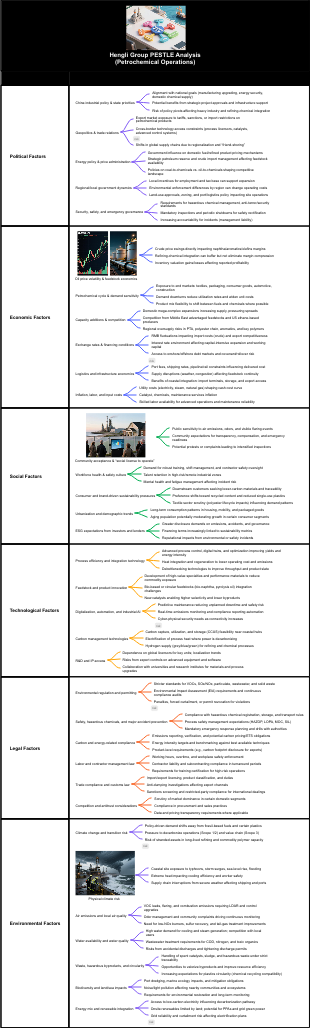
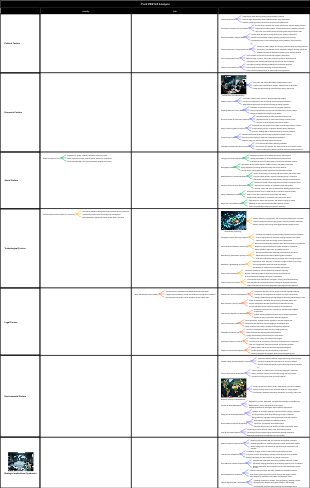
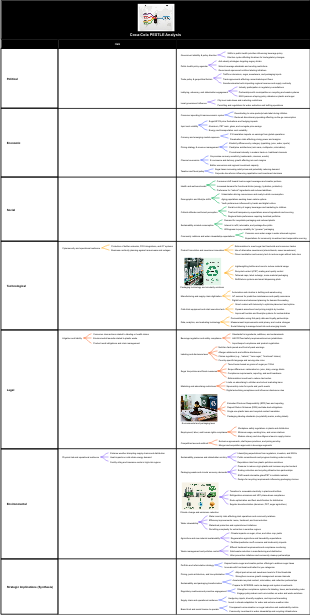
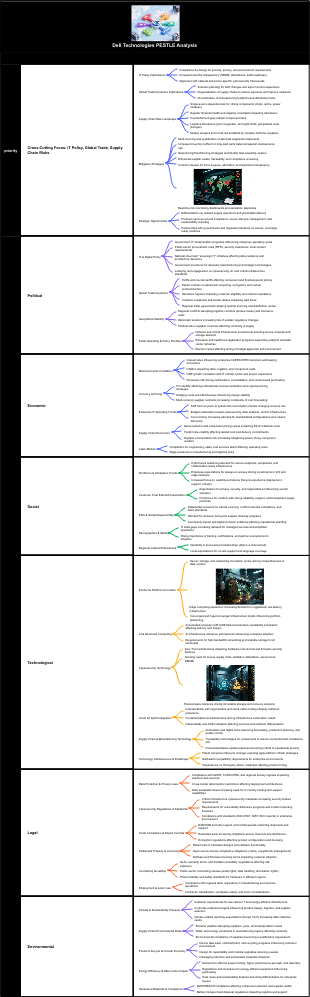
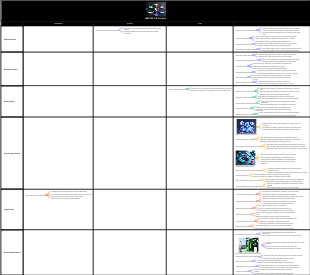
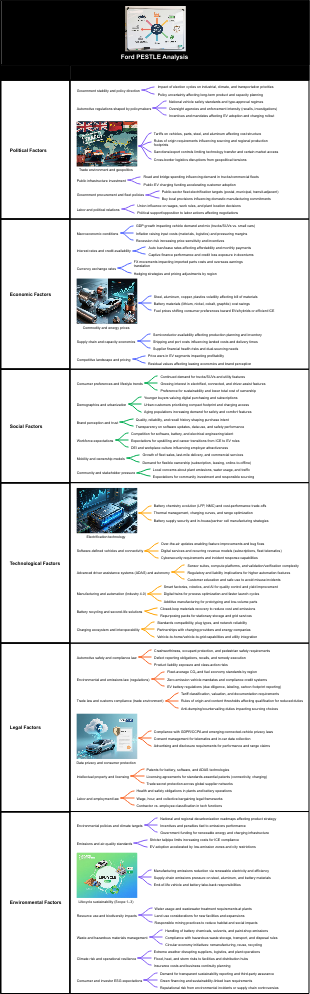
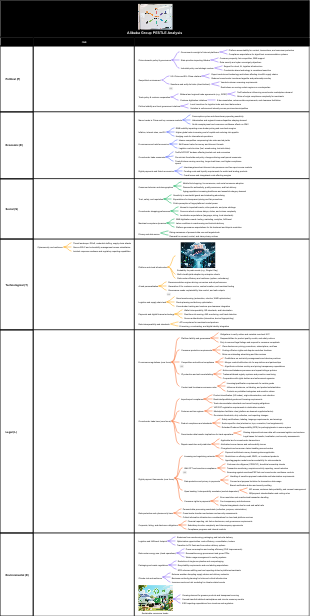
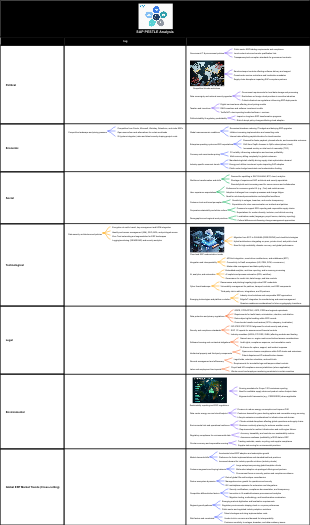
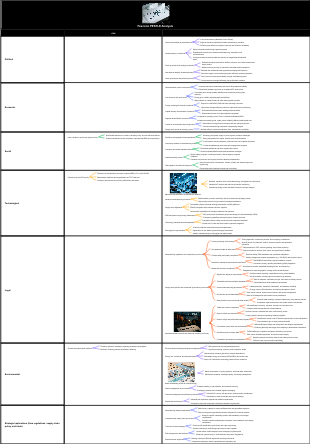
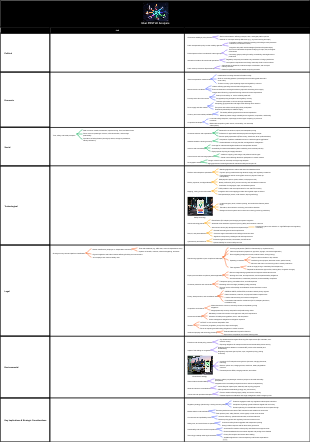
This comprehensive PESTLE analysis explores the multifaceted landscape shaping Unilever, examining political, economic, social, technological, legal, and environmental factors. Political factors: trade policies (tariffs, Brexit, US-China, EU-Asia), government stability (emerging markets: Brazil, India, South Africa), labor laws (minimum wage, working conditions). These affect sourcing costs, market access, and operational stability. Economic factors: inflation (rising raw material: palm oil, packaging; energy, logistics), consumer purchasing power (recession, unemployment, disposable income), currency fluctuations (USD, EUR, GBP, INR, BRL), commodity volatility (palm oil, crude oil, cocoa). Social factors: health and wellness expectations (low sugar, low salt, natural ingredients, plant-based), demographic shifts (aging Europe, youth in Asia, urbanization), cultural preferences (halal in Indonesia, vegetarian in India), hygiene awareness (post-COVID, handwashing, sanitizers). Sustainability expectations (recycled packaging, carbon reduction, ethical sourcing). Technological factors: digital transformation (e-commerce, DTC, social commerce), manufacturing automation (Industry 4.0, robotics), product innovation (plant-based meats, biodegradable formulas, water-saving products), data analytics (personalization, supply chain optimization). Legal factors: compliance with environmental regulations (plastic waste, carbon emissions), labor laws (supplier audits), food safety, advertising standards, antitrust. Environmental factors: sustainability pressure (plastic pollution, carbon footprint, water use), circular economy (refillable, recycled, reusable), climate change (sourcing vulnerability: palm oil, tea, cocoa). Understanding these dynamics helps Unilever navigate challenges and capitalize on opportunities.
Edited at 2026-03-25 15:06:59
- New Employee First - week Onboarding Plan
Mappa mentale per il piano di inserimento dei nuovi dipendenti nella prima settimana. Strutturata per giorni: Giorno 1 – benvenuto, configurazione strumenti, presentazione team. Secondo giorno – formazione su policy aziendali e obiettivi del ruolo. Terzo giorno – affiancamento e primi task guidati. Il quarto giorno – riunioni con dipartimenti chiave e feedback intermedio. Il quinto giorno – revisione settimanale, definizione obiettivi a breve termine e integrazione culturale.
- Analisi del campo di allenamento inglese
Mappa mentale per l’analisi della formazione francese ai Mondiali 2026. Punti chiave: attacco stellare guidato da Mbappé, con triplice minaccia (profondità, taglio, sponda). Criticità: centrocampo poco creativo – la costruzione offensiva dipende dagli attaccanti che arretrano. Difesa solida (Upamecano, Saliba, Koundé). Portiere Maignan. Variabili: gestione infortuni e condizione fisica dei big. Ideale per scout, giornalisti e tifosi.
- Analisi della lineup francese
Mappa mentale per l’analisi della formazione francese ai Mondiali 2026. Punti chiave: attacco stellare guidato da Mbappé, con triplice minaccia (profondità, taglio, sponda). Criticità: centrocampo poco creativo – la costruzione offensiva dipende dagli attaccanti che arretrano. Difesa solida (Upamecano, Saliba, Koundé). Portiere Maignan. Variabili: gestione infortuni e condizione fisica dei big. Ideale per scout, giornalisti e tifosi.
Unilever PESTLE Analysis
- New Employee First - week Onboarding Plan
Mappa mentale per il piano di inserimento dei nuovi dipendenti nella prima settimana. Strutturata per giorni: Giorno 1 – benvenuto, configurazione strumenti, presentazione team. Secondo giorno – formazione su policy aziendali e obiettivi del ruolo. Terzo giorno – affiancamento e primi task guidati. Il quarto giorno – riunioni con dipartimenti chiave e feedback intermedio. Il quinto giorno – revisione settimanale, definizione obiettivi a breve termine e integrazione culturale.
- Analisi del campo di allenamento inglese
Mappa mentale per l’analisi della formazione francese ai Mondiali 2026. Punti chiave: attacco stellare guidato da Mbappé, con triplice minaccia (profondità, taglio, sponda). Criticità: centrocampo poco creativo – la costruzione offensiva dipende dagli attaccanti che arretrano. Difesa solida (Upamecano, Saliba, Koundé). Portiere Maignan. Variabili: gestione infortuni e condizione fisica dei big. Ideale per scout, giornalisti e tifosi.
- Analisi della lineup francese
Mappa mentale per l’analisi della formazione francese ai Mondiali 2026. Punti chiave: attacco stellare guidato da Mbappé, con triplice minaccia (profondità, taglio, sponda). Criticità: centrocampo poco creativo – la costruzione offensiva dipende dagli attaccanti che arretrano. Difesa solida (Upamecano, Saliba, Koundé). Portiere Maignan. Variabili: gestione infortuni e condizione fisica dei big. Ideale per scout, giornalisti e tifosi.
- Recommended to you
- Outline