Wondershare EdrawMind
MindMap Gallery Coca-Cola PESTLE Analysis
Coca-Cola PESTLE Analysis
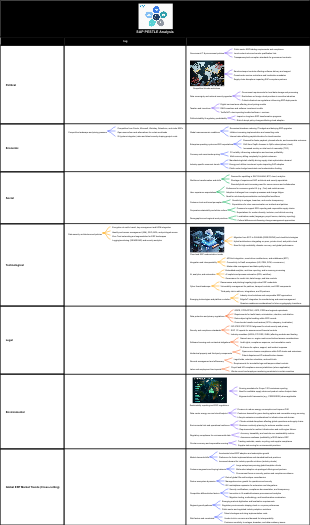
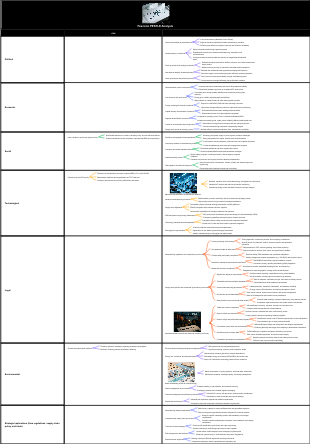
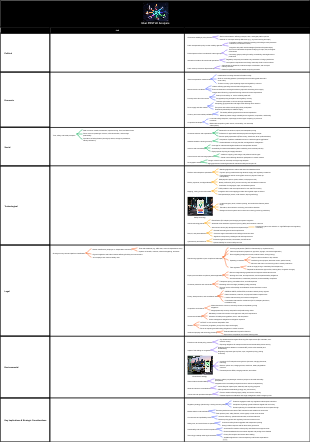
This comprehensive PESTLE analysis explores the multifaceted landscape influencing Coca-Cola, examining political, economic, social, technological, legal, and environmental factors. Political factors: public health policies (sugar taxes, warning labels, advertising restrictions to children), government regulations (beverage choices in schools, vending machines), trade policies (tariffs on aluminum, plastic, sugar; Brexit; US-China). These shape product formulation, packaging, and market access. Economic factors: consumer behavior (recession, inflation → trade-down to private label, reduced discretionary spending), input cost fluctuations (sugar, corn syrup, aluminum, plastic, shipping), currency volatility (USD vs. EUR, BRL, INR, CNY), interest rates (borrowing costs for capital investment). Social factors: health trends (low sugar, natural ingredients, plant-based, functional beverages), changing demographics (aging Europe, youth in Asia, Gen Z values), sustainability expectations (plastic waste, carbon footprint), convenience culture (on-the-go packaging, e-commerce). Technological factors: product formulation (stevia, monk fruit, sugar reduction without taste loss), packaging innovation (plant-based bottles, recycled PET, lightweighting), digital marketing (personalization, social commerce), supply chain (automation, data analytics). Legal factors: compliance with sugar taxes, labeling laws (calories, ingredients), advertising regulations, antitrust. Environmental factors: sustainability concerns (plastic pollution, carbon emissions, water use), community expectations (recycling, replenishment, renewable energy). Understanding these factors helps Coca-Cola adapt strategies in a dynamic market.
Edited at 2026-03-25 15:06:46
- New Employee First - week Onboarding Plan
Mappa mentale per il piano di inserimento dei nuovi dipendenti nella prima settimana. Strutturata per giorni: Giorno 1 – benvenuto, configurazione strumenti, presentazione team. Secondo giorno – formazione su policy aziendali e obiettivi del ruolo. Terzo giorno – affiancamento e primi task guidati. Il quarto giorno – riunioni con dipartimenti chiave e feedback intermedio. Il quinto giorno – revisione settimanale, definizione obiettivi a breve termine e integrazione culturale.
- Analisi del campo di allenamento inglese
Mappa mentale per l’analisi della formazione francese ai Mondiali 2026. Punti chiave: attacco stellare guidato da Mbappé, con triplice minaccia (profondità, taglio, sponda). Criticità: centrocampo poco creativo – la costruzione offensiva dipende dagli attaccanti che arretrano. Difesa solida (Upamecano, Saliba, Koundé). Portiere Maignan. Variabili: gestione infortuni e condizione fisica dei big. Ideale per scout, giornalisti e tifosi.
- Analisi della lineup francese
Mappa mentale per l’analisi della formazione francese ai Mondiali 2026. Punti chiave: attacco stellare guidato da Mbappé, con triplice minaccia (profondità, taglio, sponda). Criticità: centrocampo poco creativo – la costruzione offensiva dipende dagli attaccanti che arretrano. Difesa solida (Upamecano, Saliba, Koundé). Portiere Maignan. Variabili: gestione infortuni e condizione fisica dei big. Ideale per scout, giornalisti e tifosi.
Coca-Cola PESTLE Analysis
- New Employee First - week Onboarding Plan
Mappa mentale per il piano di inserimento dei nuovi dipendenti nella prima settimana. Strutturata per giorni: Giorno 1 – benvenuto, configurazione strumenti, presentazione team. Secondo giorno – formazione su policy aziendali e obiettivi del ruolo. Terzo giorno – affiancamento e primi task guidati. Il quarto giorno – riunioni con dipartimenti chiave e feedback intermedio. Il quinto giorno – revisione settimanale, definizione obiettivi a breve termine e integrazione culturale.
- Analisi del campo di allenamento inglese
Mappa mentale per l’analisi della formazione francese ai Mondiali 2026. Punti chiave: attacco stellare guidato da Mbappé, con triplice minaccia (profondità, taglio, sponda). Criticità: centrocampo poco creativo – la costruzione offensiva dipende dagli attaccanti che arretrano. Difesa solida (Upamecano, Saliba, Koundé). Portiere Maignan. Variabili: gestione infortuni e condizione fisica dei big. Ideale per scout, giornalisti e tifosi.
- Analisi della lineup francese
Mappa mentale per l’analisi della formazione francese ai Mondiali 2026. Punti chiave: attacco stellare guidato da Mbappé, con triplice minaccia (profondità, taglio, sponda). Criticità: centrocampo poco creativo – la costruzione offensiva dipende dagli attaccanti che arretrano. Difesa solida (Upamecano, Saliba, Koundé). Portiere Maignan. Variabili: gestione infortuni e condizione fisica dei big. Ideale per scout, giornalisti e tifosi.
- Recommended to you
- Outline