Wondershare EdrawMind
MindMap Gallery Uber PESTLE Analysis
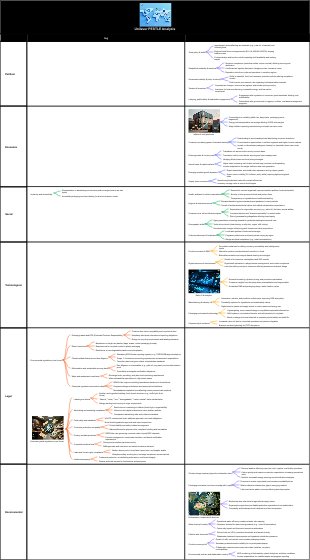
Uber PESTLE Analysis
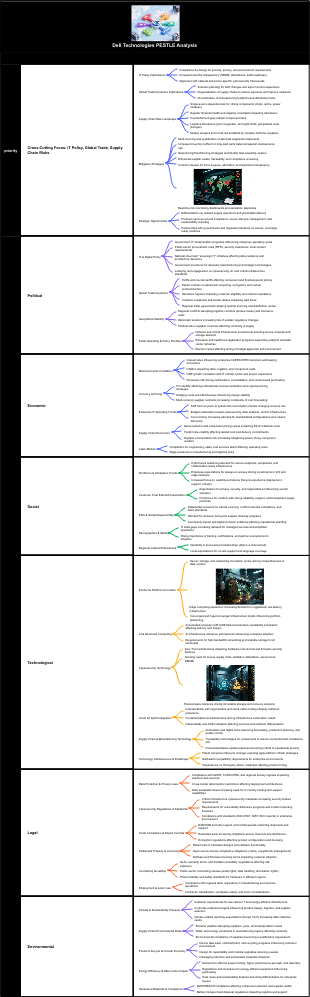
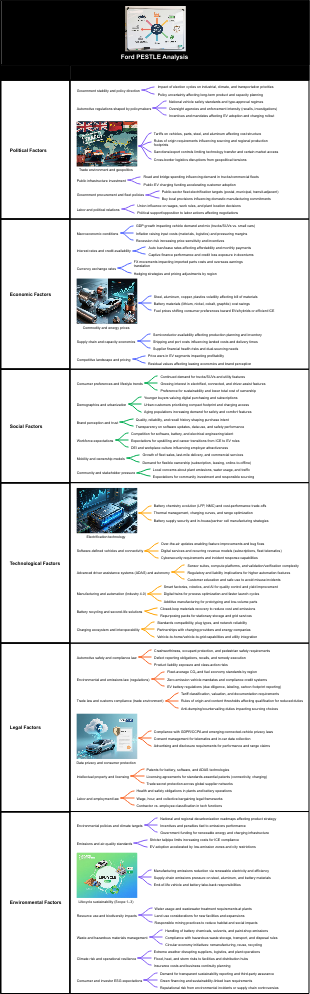
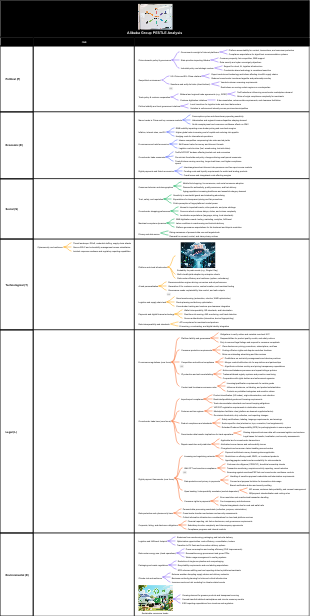
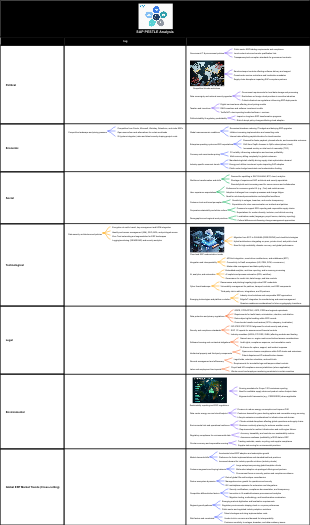
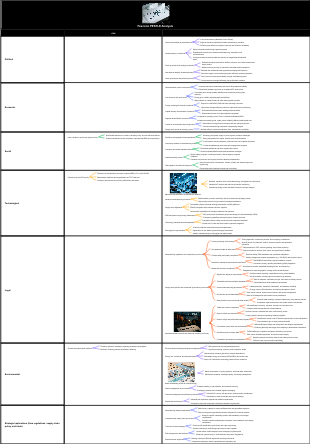
This comprehensive PESTLE analysis explores the intricate landscape of Uber’s operational environment, examining political, economic, social, technological, legal, and environmental factors shaping its strategies. Political factors include government policies on ride-hailing regulations, licensing requirements, and driver classification; public transportation agendas, with cities integrating or competing with mobility services; and trade policies, affecting international operations and cross-border logistics. Economic factors encompass market trends such as consumer spending and demand elasticity; labor supply, including driver availability and wage expectations; and competition, with rivals like Lyft, DoorDash, and traditional taxi services impacting pricing and market share. Social factors involve safety expectations, with riders prioritizing background checks, trip monitoring, and in-app safety features; convenience, driving demand for on-demand services; and cultural acceptance, varying across regions regarding ride-hailing adoption. Technological factors focus on innovations in autonomous vehicles, AI-driven matching algorithms, and app functionality; data privacy, ensuring secure handling of user information; and platform scalability, supporting global operations and service diversification. Legal factors include regulatory challenges such as driver classification (independent contractor vs. employee), labor rights, and antitrust scrutiny. Environmental factors address sustainability efforts, including electric vehicle adoption, carbon reduction goals, and investments in micro-mobility. This analysis provides valuable insights for stakeholders navigating the complexities of the ride-hailing and delivery industries, highlighting how Uber adapts to evolving political, economic, social, and technological pressures.
Edited at 2026-03-25 15:17:52
- New Employee First - week Onboarding Plan
Mappa mentale per il piano di inserimento dei nuovi dipendenti nella prima settimana. Strutturata per giorni: Giorno 1 – benvenuto, configurazione strumenti, presentazione team. Secondo giorno – formazione su policy aziendali e obiettivi del ruolo. Terzo giorno – affiancamento e primi task guidati. Il quarto giorno – riunioni con dipartimenti chiave e feedback intermedio. Il quinto giorno – revisione settimanale, definizione obiettivi a breve termine e integrazione culturale.
- Analisi del campo di allenamento inglese
Mappa mentale per l’analisi della formazione francese ai Mondiali 2026. Punti chiave: attacco stellare guidato da Mbappé, con triplice minaccia (profondità, taglio, sponda). Criticità: centrocampo poco creativo – la costruzione offensiva dipende dagli attaccanti che arretrano. Difesa solida (Upamecano, Saliba, Koundé). Portiere Maignan. Variabili: gestione infortuni e condizione fisica dei big. Ideale per scout, giornalisti e tifosi.
- Analisi della lineup francese
Mappa mentale per l’analisi della formazione francese ai Mondiali 2026. Punti chiave: attacco stellare guidato da Mbappé, con triplice minaccia (profondità, taglio, sponda). Criticità: centrocampo poco creativo – la costruzione offensiva dipende dagli attaccanti che arretrano. Difesa solida (Upamecano, Saliba, Koundé). Portiere Maignan. Variabili: gestione infortuni e condizione fisica dei big. Ideale per scout, giornalisti e tifosi.
Uber PESTLE Analysis
- New Employee First - week Onboarding Plan
Mappa mentale per il piano di inserimento dei nuovi dipendenti nella prima settimana. Strutturata per giorni: Giorno 1 – benvenuto, configurazione strumenti, presentazione team. Secondo giorno – formazione su policy aziendali e obiettivi del ruolo. Terzo giorno – affiancamento e primi task guidati. Il quarto giorno – riunioni con dipartimenti chiave e feedback intermedio. Il quinto giorno – revisione settimanale, definizione obiettivi a breve termine e integrazione culturale.
- Analisi del campo di allenamento inglese
Mappa mentale per l’analisi della formazione francese ai Mondiali 2026. Punti chiave: attacco stellare guidato da Mbappé, con triplice minaccia (profondità, taglio, sponda). Criticità: centrocampo poco creativo – la costruzione offensiva dipende dagli attaccanti che arretrano. Difesa solida (Upamecano, Saliba, Koundé). Portiere Maignan. Variabili: gestione infortuni e condizione fisica dei big. Ideale per scout, giornalisti e tifosi.
- Analisi della lineup francese
Mappa mentale per l’analisi della formazione francese ai Mondiali 2026. Punti chiave: attacco stellare guidato da Mbappé, con triplice minaccia (profondità, taglio, sponda). Criticità: centrocampo poco creativo – la costruzione offensiva dipende dagli attaccanti che arretrano. Difesa solida (Upamecano, Saliba, Koundé). Portiere Maignan. Variabili: gestione infortuni e condizione fisica dei big. Ideale per scout, giornalisti e tifosi.
- Recommended to you
- Outline