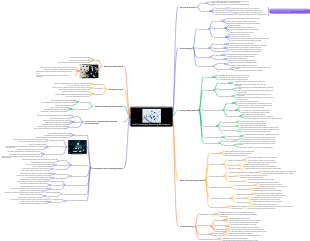
MindMap Gallery Bayer Marketing Mix Analysis
Discover Bayer's innovative marketing mix, strategically designed to cater to diverse sectors in life sciences. This analysis delves into Bayer's dual-sector commercialization approach, encompassing regulated pharmaceuticals and consumer health products, along with crop science solutions. Explore the company's offerings, including specialty therapies, OTC medicines, and agronomic tools, each with distinct value propositions and governance frameworks. Learn how Bayer captures value through evidence-based pricing strategies, market-driven pricing for consumer health, and patient affordability initiatives. Understand the intricate balance of product strategies across sectors, unified by a commitment to quality and regulatory compliance. Join us to uncover the dynamics shaping Bayer's market presence and drive for excellence in healthcare and agriculture.
Edited at 2026-03-25 15:01:08Discover how Aeon can navigate the competitive online landscape with a strategic SWOT analysis. This comprehensive overview highlights Aeon’s strengths, such as its strong brand recognition, omnichannel capabilities, and customer loyalty programs, alongside its weaknesses, including digital maturity gaps and cost structure challenges. Opportunities for growth include enhancing e-commerce competitiveness and leveraging data-driven strategies, while threats from online-first players and market dynamics require attention. Explore how Aeon can strengthen its market position through innovation and customer-centric approaches in the ever-evolving retail environment.

Discover how Aeon effectively tailors its offerings to meet the diverse needs of family-oriented consumers through a comprehensive Segmentation, Targeting, and Positioning (STP) analysis. Our approach begins with demographic segmentation, examining family life stages, household sizes, income levels, and parent age bands to identify distinct consumer groups. Geographic segmentation highlights store catchment types and community characteristics, while psychographic segmentation delves into family values and lifestyle orientations. Behavioral segmentation focuses on shopping missions, price sensitivity, and channel preferences. Finally, needs-based segmentation reveals core family needs related to value and budget considerations. Join us as we explore these insights to enhance family shopping experiences at Aeon.
Discover the dynamics of sneaker transactions with our Kream Sneaker Consumption Scene Analysis Template. This comprehensive framework aims to visualize the purchasing and consumption journeys of sneakers, identifying key demand drivers and obstacles. It covers user behavior within Kream and external influences, targeting various sneaker categories over specific timeframes and regions. The analysis defines user segments, including collectors, resellers, sneakerheads, casual trend followers, and gift purchasers, each with unique values and KPIs. It outlines the consumption journey from awareness to resale, highlighting critical touchpoints such as search, purchase, inspection, and sharing experiences. Key performance indicators are established to measure engagement and satisfaction throughout the process. Join us in exploring the intricate world of sneaker trading!
Discover how Aeon can navigate the competitive online landscape with a strategic SWOT analysis. This comprehensive overview highlights Aeon’s strengths, such as its strong brand recognition, omnichannel capabilities, and customer loyalty programs, alongside its weaknesses, including digital maturity gaps and cost structure challenges. Opportunities for growth include enhancing e-commerce competitiveness and leveraging data-driven strategies, while threats from online-first players and market dynamics require attention. Explore how Aeon can strengthen its market position through innovation and customer-centric approaches in the ever-evolving retail environment.
Discover how Aeon effectively tailors its offerings to meet the diverse needs of family-oriented consumers through a comprehensive Segmentation, Targeting, and Positioning (STP) analysis. Our approach begins with demographic segmentation, examining family life stages, household sizes, income levels, and parent age bands to identify distinct consumer groups. Geographic segmentation highlights store catchment types and community characteristics, while psychographic segmentation delves into family values and lifestyle orientations. Behavioral segmentation focuses on shopping missions, price sensitivity, and channel preferences. Finally, needs-based segmentation reveals core family needs related to value and budget considerations. Join us as we explore these insights to enhance family shopping experiences at Aeon.
Discover the dynamics of sneaker transactions with our Kream Sneaker Consumption Scene Analysis Template. This comprehensive framework aims to visualize the purchasing and consumption journeys of sneakers, identifying key demand drivers and obstacles. It covers user behavior within Kream and external influences, targeting various sneaker categories over specific timeframes and regions. The analysis defines user segments, including collectors, resellers, sneakerheads, casual trend followers, and gift purchasers, each with unique values and KPIs. It outlines the consumption journey from awareness to resale, highlighting critical touchpoints such as search, purchase, inspection, and sharing experiences. Key performance indicators are established to measure engagement and satisfaction throughout the process. Join us in exploring the intricate world of sneaker trading!
Bayer Marketing Mix Analysis (Dual-Sector Commercialization Approach)
Overview
Company context
Life Science-focused enterprise with strong R&D and regulatory exposure
Core commercialization split
Prescription/regulated businesses (e.g., Pharmaceuticals)
Consumer-oriented businesses (e.g., Consumer Health; select crop products sold via dealers)
Dual-sector commercialization meaning
Sector A: Highly regulated, HCP-/payer-driven demand (Rx)
Sector B: Retail/consumer-driven demand (OTC/consumer health)
Crop Science: B2B2C model (growers + channels) with regulatory constraints and seasonal demand
Product (What Bayer offers)
Pharmaceuticals (Rx, specialty, primary care)
Product types
Branded patented medicines
Specialty therapies (high clinical value, complex administration)
Companion diagnostics / patient support services (where applicable)
Core value propositions
Clinical efficacy and safety evidence
Differentiated mechanism of action and outcomes
Indication breadth and label expansions
Lifecycle management
New indications, line extensions, reformulations
Real-world evidence generation
Post-marketing safety surveillance
Service layer
Medical education, MSL support (scientific exchange)
Patient support programs (adherence, access navigation)
Consumer Health (OTC, wellness, self-care)
Product types
OTC medicines (pain, allergy, GI, cold/flu)
Vitamins/minerals/supplements (where permitted)
Dermatology/skin and intimate health products (varies by market)
Core value propositions
Trust, safety, convenience, symptom relief
Brand recognition and clear on-pack claims
Portfolio strategy
Brand architecture (masterbrand vs individual brands)
Flavors, formats (gummies, liquids, fast-dissolve), pack sizes
Innovation cadence aligned to seasonal needs
Crop Science (B2B, seasonal, agronomic outcomes)
Product types
Seeds/traits, crop protection (herbicides, fungicides, insecticides)
Digital farming tools and agronomic services
Core value propositions
Yield, pest resistance, resilience, ROI per acre/hectare
Stewardship and resistance management programs
Bundled solutions
Seed + trait + chemistry + advisory packages
Outcome-based recommendations using field data
Cross-portfolio product governance
Quality systems and compliance-by-design
Packaging and labeling tailored by sector
Rx: clinical detail, safety information, serialization
OTC: consumer-readable claims, dosage clarity, shelf impact
Crop: use instructions, environmental/worker safety, stewardship
Product strategy splits into evidence-led Rx therapies, brand-led OTC portfolios, and outcome-led Crop solutions, unified by quality and sector-specific labeling rules.
Price (How Bayer captures value)
Pharmaceuticals pricing (regulated and value-based)
Pricing drivers
Therapeutic value and outcomes evidence
Competitive landscape and standard of care
Payer policies, reference pricing, HTA decisions
Contracting mechanisms
Rebates, formulary negotiations, tendering (where applicable)
Outcomes-based or risk-sharing agreements (select markets)
Patient affordability levers
Copay support (where legal), patient assistance programs
Differential pricing across markets under regulatory constraints
Lifecycle pricing strategy
Launch sequencing by country/HTA pathway
Indication-based value narratives
Consumer Health pricing (market-driven)
Pricing architecture
Good/Better/Best tiering
Pack-price laddering (trial vs value packs)
Promotional pricing
Temporary price reductions, coupons, loyalty programs
Trade promotions and retailer funding
Price elasticity management
Category benchmarks and competitive price matching
Channel-specific pricing (pharmacy vs e-commerce vs mass retail)
Crop Science pricing (value-in-use, seasonal)
Pricing drivers
Expected yield uplift and commodity price context
Pest pressure forecasts and resistance risk
Regional agronomy and regulatory constraints
Commercial mechanisms
Pre-season booking programs, volume discounts
Bundled rebates for seed + protection programs
Financing options through channel partners (where available)
Dual-sector pricing governance
Compliance constraints on inducements and promotions (Rx)
Transparent trade terms and promotional controls (OTC/retail)
Global-to-local guardrails to manage parallel trade and equity
Place (Distribution and access)
Pharmaceuticals distribution (complex, regulated)
Stakeholder access pathways
Physicians/HCPs, hospitals, clinics
Payers, PBMs, HTA bodies, tender authorities
Channel structure
Wholesalers, specialty pharmacies, hospital pharmacies
Cold chain and controlled distribution for select therapies
Access enablement
Field reimbursement support and hub services
Pharmacovigilance and controlled substance requirements (as needed)
Consumer Health distribution (omnichannel retail)
Key channels
Pharmacies and drugstores
Mass retail and grocery
E-commerce marketplaces and DTC (where used)
Shelf and search visibility
Planograms, endcaps, in-store displays
Digital shelf optimization (SEO, ratings, content)
Supply chain excellence
Forecasting for seasonality (cold/flu, allergy)
Fast replenishment and inventory optimization
Crop Science distribution (dealer and agronomy networks)
Key channels
Distributors, cooperatives, local dealers
Large growers/key accounts with direct programs
Service delivery
Field trials, demonstrations, agronomist support
Application timing coordination and stewardship monitoring
Geographic/seasonal routing
Regional warehousing for peak planting/spraying windows
Reverse logistics for returns and compliance
Dual-sector place synergies
Shared capabilities
Global supply chain planning, quality systems
Data-driven demand forecasting
Sector-specific separation
Rx: restricted channels and controlled communications
OTC: broad retail reach and merchandising intensity
Promotion (How Bayer communicates and drives demand)
Pharmaceuticals promotion (scientific, compliant)
Target audiences
HCPs, KOLs, hospital committees
Payers and formulary decision-makers
Patient communities (disease education within rules)
Tactics
Medical congresses, peer-reviewed publications
Field force detailing and MSL scientific exchange
Continuing medical education support (within regulations)
Digital HCP portals and webinars
Messaging pillars
Clinical endpoints and real-world evidence
Safety profile, dosing, patient selection
Health-economic outcomes and quality of life
Compliance controls
Promotional review committees, fair balance, adverse event reporting
Restrictions on gifts/inducements and off-label discussion
Consumer Health promotion (brand-led, mass + digital)
Target audiences
Consumers, caregivers, pharmacists as influencers
Retail buyers and category managers
Tactics
TV/CTV, digital video, social media, influencers (where allowed)
Search and retail media (sponsored listings, onsite ads)
In-store POS, sampling, pharmacist recommendation programs
Content marketing (symptom checkers, self-care education)
Messaging pillars
Symptom relief speed, convenience, trust and safety
Clear claims, usage occasions, lifestyle fit
Reputation and trust building
Corporate trust signals, quality standards, sustainability claims (substantiated)
Crop Science promotion (technical + relationship-driven)
Target audiences
Growers, agronomists, dealers, cooperatives
Tactics
Field days, plot demonstrations, yield trials
Dealer training and co-marketing programs
Precision ag platforms: alerts, recommendations, dashboards
Seasonal campaigns tied to pest/disease outlooks
Messaging pillars
ROI per acre/hectare, risk reduction, stewardship
Resistance management and integrated pest management alignment
Dual-sector promotion architecture
Separation of promotional standards
Rx: evidence-first, audience-restricted, compliance-heavy
OTC: brand storytelling, broad reach, retail execution
Shared enablers
Unified brand trust, corporate reputation
Centralized content operations and analytics with sector tailoring
Promotion ranges from compliant scientific exchange (Rx), to scaled brand/media execution (OTC), to technical relationship selling (Crop), with shared reputation but separate standards.
Dual-Sector Commercialization Operating Model
Segmented go-to-market design
Rx: stakeholder mapping (HCP → payer → patient)
OTC: shopper journey mapping (awareness → consideration → purchase → repeat)
Crop: grower decision cycle (pre-season planning → in-season application → post-harvest review)
Customer experience differentiation
Rx experience
Access services, adherence programs, nurse support (where applicable)
OTC experience
Frictionless purchase, clear instructions, responsive customer care
Crop experience
Advisory-led selling, agronomic support, rapid issue resolution
Field force and partner strategy
Rx
Sales reps, MSLs, key account managers, payer teams
OTC
Retail sales teams, merchandisers, e-commerce specialists
Crop
Technical sales reps, agronomists, dealer managers
Data and analytics backbone
Rx
Claims data, formulary status, HCP engagement analytics
OTC
POS data, retailer media metrics, digital attribution, sentiment
Crop
Field data, weather, pest models, adoption tracking
Compliance and risk management
Pharmacovigilance, promotional compliance, privacy and data governance
Environmental/worker safety compliance and stewardship (Crop)
Crisis communications and recall readiness across sectors
Market Segmentation, Targeting, Positioning (STP)
Pharmaceuticals
Segmentation
Indication, disease severity, treatment line, biomarker status
Provider type (specialist vs primary care), institution type
Targeting
High-prescribing centers, integrated delivery networks, key accounts
Positioning
Differentiation through outcomes evidence and patient selection fit
Consumer Health
Segmentation
Need states (pain, allergy, digestive), lifestyle and life stage
Shopper missions (urgent relief vs stock-up)
Targeting
High-value shopper cohorts, pharmacists, e-commerce buyers
Positioning
Trusted relief with clear benefit and superior experience
Crop Science
Segmentation
Crop type, geography, farm size, risk tolerance
Technology adoption level (precision ag users vs traditional)
Targeting
High-acreage growers, influential agronomists, strategic dealers
Positioning
Integrated solutions improving yield stability and profitability
Competitive Strategy and Differentiation
Pharmaceuticals
Differentiators
Novel science, evidence depth, access execution
Competitive moves
Indication expansion, combination studies, real-world studies
Consumer Health
Differentiators
Brand trust, innovation formats, distribution breadth
Competitive moves
Retail media dominance, faster innovation cycles, bundling promotions
Crop Science
Differentiators
Trait pipeline, chemistry efficacy, digital agronomy integration
Competitive moves
Stewardship leadership, integrated programs, dealer partnerships
KPI Framework (by 4Ps and sector)
Product KPIs
Rx: time-to-approval, label expansions, adherence, safety metrics
OTC: trial-to-repeat, NPS, claim comprehension, returns rate
Crop: adoption rate, yield uplift proxies, stewardship compliance
Price KPIs
Rx: net price realization, access coverage, rebate efficiency
OTC: price index vs competitors, promo ROI, margin by channel
Crop: booking penetration, bundle uptake, gross-to-net stability
Place KPIs
Rx: formulary wins, distribution service level, hub cycle time
OTC: weighted distribution, out-of-stock rate, digital share of shelf
Crop: dealer coverage, on-time delivery in peak windows, retention
Promotion KPIs
Rx: HCP reach/frequency, guideline inclusion, payer approvals
OTC: brand awareness, share of voice, retail media ROAS
Crop: demo attendance, lead conversion, seasonal campaign ROI
Risks, Constraints, and Mitigations
Regulatory and compliance risk
Rx promotional restrictions and safety reporting obligations
OTC claim substantiation and advertising standards
Crop environmental regulation changes and product re-registrations
Market and reputational risk
Litigation, recalls, misinformation, trust erosion
Mitigation: transparent communication, robust QA, monitoring
Supply chain risk
API constraints, seasonality spikes, cold chain failures
Mitigation: dual sourcing, safety stocks, scenario planning
Competitive and pricing pressure
Generics/biosimilars (Rx), private label (OTC), commodity cycles (Crop)
Mitigation: differentiation, portfolio optimization, cost discipline
Strategic Recommendations (Aligned to Dual-Sector Approach)
Strengthen evidence-to-access engine for Rx
Prioritize HEOR and real-world evidence to support payer value narratives
Expand patient support services where compliant and impactful
Win the digital shelf for Consumer Health
Invest in retail media, content quality, ratings/reviews programs
Optimize pack-price architecture for e-commerce and subscription use cases
Scale integrated solutions in Crop Science
Bundle products with digital agronomy to prove ROI and reduce churn
Lead stewardship and resistance management to protect long-term efficacy
Build shared capabilities while preserving compliance separation
Shared analytics, demand planning, and content operations
Separate governance for Rx promotional compliance and data access rules