MindMap Gallery Dell Technologies Marketing Mix Analysis
Explore the strategic marketing mix of Dell Technologies, where innovation meets tailored solutions across diverse markets. This analysis delves into how Dell effectively combines Product, Price, Place, and Promotion to cater to B2C, SMB, Enterprise, and Public Sector segments. Discover their core product offerings, from client solutions to infrastructure services, and understand the differentiation strategies that set them apart. Additionally, learn about Dell's pricing architecture, designed to balance competitiveness and profitability while addressing specific segment needs. Join us as we unravel how Dell's marketing mix supports their commitment to value, performance, and compliance across all customer segments.
Edited at 2026-03-25 15:13:11Discover how Aeon can navigate the competitive online landscape with a strategic SWOT analysis. This comprehensive overview highlights Aeon’s strengths, such as its strong brand recognition, omnichannel capabilities, and customer loyalty programs, alongside its weaknesses, including digital maturity gaps and cost structure challenges. Opportunities for growth include enhancing e-commerce competitiveness and leveraging data-driven strategies, while threats from online-first players and market dynamics require attention. Explore how Aeon can strengthen its market position through innovation and customer-centric approaches in the ever-evolving retail environment.

Discover how Aeon effectively tailors its offerings to meet the diverse needs of family-oriented consumers through a comprehensive Segmentation, Targeting, and Positioning (STP) analysis. Our approach begins with demographic segmentation, examining family life stages, household sizes, income levels, and parent age bands to identify distinct consumer groups. Geographic segmentation highlights store catchment types and community characteristics, while psychographic segmentation delves into family values and lifestyle orientations. Behavioral segmentation focuses on shopping missions, price sensitivity, and channel preferences. Finally, needs-based segmentation reveals core family needs related to value and budget considerations. Join us as we explore these insights to enhance family shopping experiences at Aeon.
Discover the dynamics of sneaker transactions with our Kream Sneaker Consumption Scene Analysis Template. This comprehensive framework aims to visualize the purchasing and consumption journeys of sneakers, identifying key demand drivers and obstacles. It covers user behavior within Kream and external influences, targeting various sneaker categories over specific timeframes and regions. The analysis defines user segments, including collectors, resellers, sneakerheads, casual trend followers, and gift purchasers, each with unique values and KPIs. It outlines the consumption journey from awareness to resale, highlighting critical touchpoints such as search, purchase, inspection, and sharing experiences. Key performance indicators are established to measure engagement and satisfaction throughout the process. Join us in exploring the intricate world of sneaker trading!
Discover how Aeon can navigate the competitive online landscape with a strategic SWOT analysis. This comprehensive overview highlights Aeon’s strengths, such as its strong brand recognition, omnichannel capabilities, and customer loyalty programs, alongside its weaknesses, including digital maturity gaps and cost structure challenges. Opportunities for growth include enhancing e-commerce competitiveness and leveraging data-driven strategies, while threats from online-first players and market dynamics require attention. Explore how Aeon can strengthen its market position through innovation and customer-centric approaches in the ever-evolving retail environment.
Discover how Aeon effectively tailors its offerings to meet the diverse needs of family-oriented consumers through a comprehensive Segmentation, Targeting, and Positioning (STP) analysis. Our approach begins with demographic segmentation, examining family life stages, household sizes, income levels, and parent age bands to identify distinct consumer groups. Geographic segmentation highlights store catchment types and community characteristics, while psychographic segmentation delves into family values and lifestyle orientations. Behavioral segmentation focuses on shopping missions, price sensitivity, and channel preferences. Finally, needs-based segmentation reveals core family needs related to value and budget considerations. Join us as we explore these insights to enhance family shopping experiences at Aeon.
Discover the dynamics of sneaker transactions with our Kream Sneaker Consumption Scene Analysis Template. This comprehensive framework aims to visualize the purchasing and consumption journeys of sneakers, identifying key demand drivers and obstacles. It covers user behavior within Kream and external influences, targeting various sneaker categories over specific timeframes and regions. The analysis defines user segments, including collectors, resellers, sneakerheads, casual trend followers, and gift purchasers, each with unique values and KPIs. It outlines the consumption journey from awareness to resale, highlighting critical touchpoints such as search, purchase, inspection, and sharing experiences. Key performance indicators are established to measure engagement and satisfaction throughout the process. Join us in exploring the intricate world of sneaker trading!
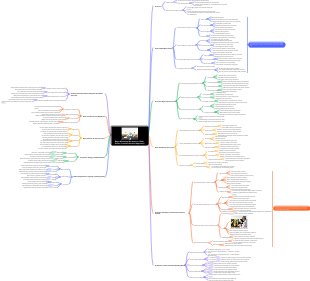
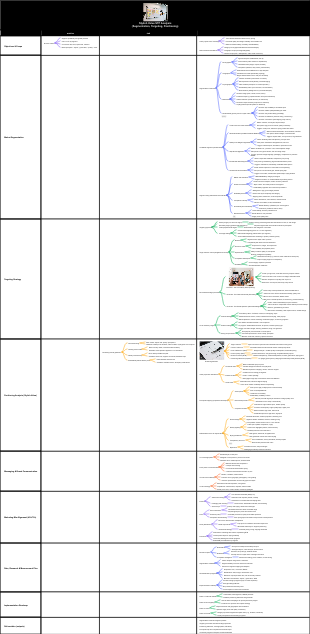
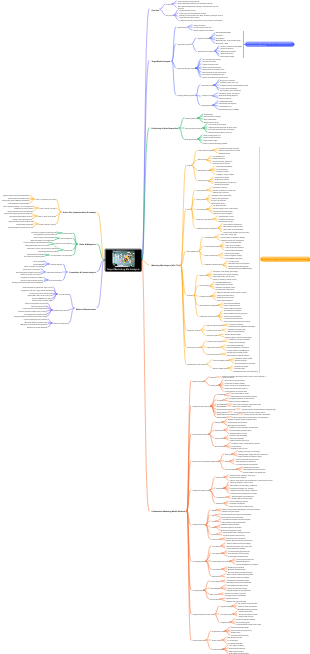
Dell Technologies Marketing Mix Analysis
Overview & Objectives
Purpose
Explain how Dell combines Product, Price, Place (Channels), and Promotion to compete in B2C, SMB, Enterprise, and Public Sector markets
Highlight how pricing, channel, and tech support strategies reinforce the overall mix
Target Segments
Consumers & SOHO
Value/performance laptops, desktops, monitors, peripherals
SMB & Mid-Market
Standardized fleets, financing, managed services, endpoint security
Enterprise & Hyperscale
Data center infrastructure, storage, HCI, networking, services
Public Sector (Gov/Edu/Healthcare)
Compliance, procurement frameworks, long lifecycle support
Dell tailors the mix by segment: consumer value, SMB standardization, enterprise scale, public-sector compliance.
Product Strategy
Core Product Portfolio
Client Solutions
Laptops (e.g., XPS, Inspiron, Latitude, Precision mobile workstations)
Desktops & All-in-ones (Inspiron, OptiPlex, Precision towers)
Monitors & Peripherals (UltraSharp, docking stations, keyboards/mice)
Infrastructure Solutions
Servers (PowerEdge)
Storage (PowerStore, PowerScale, PowerProtect)
Hyperconverged/Platforms (VxRail and related ecosystem)
Networking (enterprise switching/edge solutions)
Services & Subscriptions
Deployment and configuration services
Managed services and lifecycle services
Security services and incident response capabilities (where bundled/partnered)
Cloud and multi-cloud services (advisory, migration, operations)
Product Differentiation
Design & Performance
Premium build and display quality in flagship lines
Thermal management, battery optimization, high-performance configurations
Enterprise Reliability
Standardized SKUs, long-term availability, validated configurations
Compatibility with enterprise management tools and security baselines
Modularity & Scalability
Configurable builds-to-order; scalable infrastructure architectures
Ecosystem & Integration
Interoperability
Compatibility with major OS, virtualization, and cloud platforms
Certification/validation programs for enterprise workloads
Bundling Strategy
Device + warranty + support bundles
Infrastructure + services bundles for faster time-to-value
Product Lifecycle Management
Roadmapping
Regular refresh cycles with CPU/GPU/platform updates
Generational transitions managed for enterprise continuity
Sustainability Features
Energy efficiency targets, recycled materials in packaging/hardware (where applicable)
Take-back/recycling programs and asset recovery offerings
Pricing Strategy (Detailed)
Pricing Objectives
Balance competitiveness with margin discipline across segments
Encourage upsell to higher-margin configurations and services
Provide predictable cost structures for enterprise procurement
Pricing Architecture
Tiered Product Lines
Good/Better/Best laddering across consumer and business lines
Clear differentiation by performance, durability, service levels, and manageability
Configuration-Based Pricing
Build-to-order pricing tied to CPU/GPU/RAM/storage/display and warranty choices
Premium pricing on high-demand components; dynamic adjustments with supply constraints
Services & Support Pricing
Warranty extensions priced by term (1/3/5 years), coverage scope, and response times
Subscription/contract pricing for managed services (per device, per user, per site, or per workload)
Segment-Specific Pricing Approaches
Consumer
Competitive price points vs. key PC brands
Promotional discounting during seasonal events and product launches
Bundle pricing (laptop + monitor + accessories) to increase basket size
SMB/Mid-Market
Volume discounts and standardized fleet pricing
Financing/lease-to-own and predictable monthly payments
Bundled “device + services” packages to reduce complexity
Enterprise/Public Sector
Contractual pricing via master agreements
Large-volume and multi-year discounts tied to commitments
Framework pricing aligned to procurement rules and compliance requirements
Discounting & Promotions
Direct Channel Promotions
Time-limited offers, coupons, and cart-level discounts
Trade-in credits (where offered) to stimulate upgrades
Partner/Reseller Incentives
Deal registration protection to reduce channel conflict
Rebates, MDF (market development funds), and performance-based incentives
Price Protection & Governance
Guardrails on advertised pricing (varies by region and partner agreements)
Controls to avoid severe undercutting and margin erosion
Psychological & Value-Based Pricing
Value Messaging Anchors
Total cost of ownership (TCO): durability, manageability, energy savings
Productivity gains: performance, reliability, downtime reduction
Premium Positioning
Flagship devices priced for design/innovation and brand halo effects
Financing & Payment Options
Consumer Financing
Installments via third-party or in-house financing programs (region-dependent)
Business Financing
Leasing, device-as-a-service style payments, and structured lifecycle refresh financing
Flexible terms for infrastructure procurement (capex/opex optimization)
Place / Channel Strategy (Detailed)
Channel Objectives
Maximize coverage across consumer and enterprise markets
Reduce friction in purchasing, deployment, and renewals
Balance direct profitability with partner scale
Direct-to-Customer (DTC)
Dell.com & Online Storefronts
Primary platform for configuration, upsell, and personalization
Cross-sell accessories, monitors, warranties, and services
Regional localization: pricing, taxes, shipping, and compliance
Direct Sales Teams
Account-based selling for enterprise and public sector
Solution selling combining hardware, software ecosystem, and services
Inside Sales & Tele-sales
SMB-focused support for quotes, configuration guidance, and procurement
Partner Ecosystem (Indirect)
Value-Added Resellers (VARs) & System Integrators (SIs)
Custom solution builds, integration, deployment, and managed services
Industry-specific vertical solutions (healthcare, finance, education)
Distributors
Inventory aggregation, credit support, and regional reach
Enable smaller resellers to access Dell portfolios
Cloud/Technology Partners
Joint solutions with hyperscalers and software vendors
Co-selling motions where partners influence architecture decisions
Retail & Marketplaces (Consumer Reach)
Big-box Retail and Electronics Chains
Physical touchpoints for consumers to try devices
Curated SKUs for retail simplicity and promotional events
E-commerce Marketplaces
Expand reach and fast fulfillment expectations
SKU and pricing governance to control brand consistency
Channel Management & Conflict Avoidance
Differentiated Offers by Channel
Exclusive configurations or bundles for retail/partners
Direct-only CTO (configure-to-order) emphasis on Dell.com
Partner Programs
Tiering, certifications, technical enablement, and sales incentives
Deal registration to protect partner investment in opportunities
Operational Excellence
Lead times, supply chain visibility, and inventory optimization
Reverse logistics for returns, repairs, and recycling
Global Coverage & Localization
Regional Compliance and Procurement
Country-specific certifications, data/privacy requirements, and tender processes
Local Service Presence
On-site support networks and authorized service providers
Promotion Strategy
Brand Positioning & Messaging
Business outcomes: productivity, security, manageability, sustainability
Innovation narratives: performance leadership, AI-ready devices/infrastructure (where relevant)
Promotional Channels
Digital Marketing
SEO/SEM for high-intent purchase searches
Retargeting, email nurturing, cart recovery, and lifecycle campaigns
Content marketing: buyer guides, solution briefs, case studies
Enterprise Marketing
Account-based marketing (ABM) for priority accounts
Webinars, executive roundtables, and solution workshops
Events & Sponsorships
Industry conferences, partner summits, and product launch events
Partner Co-Marketing
MDF-funded campaigns, joint webinars, and bundled solution promotions
Sales Enablement
Solution Playbooks
Vertical-specific collateral and ROI/TCO calculators
Trial/POC Support
Proof-of-concept programs and reference architectures for enterprises
Promotions & Offers (Tied to Pricing)
Seasonal sales, back-to-school, holiday campaigns
Business refresh campaigns aligned to device lifecycle cycles (3–5 years)
Tech Support & Services Strategy (Detailed)
Support Strategy Goals
Reduce downtime and increase customer trust
Drive differentiation via premium support experiences
Expand recurring revenue through support tiers and managed services
Support Portfolio (Tiered)
Standard Warranty Support
Basic hardware coverage and standard repair/replace processes
Online self-help knowledge base and diagnostic tools
Enhanced/Premium Support
Priority access to skilled agents
Faster response SLAs and next-business-day or same/next-day on-site options (region-dependent)
Proactive monitoring/issue detection (where packaged)
Mission-Critical / Enterprise Support
24/7 support, advanced escalation, and dedicated support resources
Customized SLAs, on-site engineers, and parts logistics planning
Support for complex infrastructure environments and multi-vendor coordination (where contracted)
Omnichannel Support Delivery
Self-Service
Support portals: drivers/firmware, manuals, warranty lookup, ticketing
Automated diagnostics and guided troubleshooting
Assisted Support
Phone, chat, and email support with case management
Remote support tools for faster resolution
On-Site Service Network
Field technicians, certified partners, depot repair options
Parts availability and regional logistics hubs to meet SLAs
Proactive & Predictive Support
Monitoring and Alerts
Telemetry-driven health checks (device/infrastructure dependent)
Automated case creation and pre-failure notifications (where supported)
Preventive Maintenance
Firmware/driver lifecycle management guidance
Scheduled maintenance windows for enterprise infrastructure
Enterprise Services & Customer Success
Deployment & Imaging
Factory imaging, asset tagging, kitting, and staged rollouts
Lifecycle Services
Asset management, warranty renewals, refresh planning
Secure data wipe, decommissioning, and asset recovery
Managed Services
Endpoint management, patching, security operations support (scope varies)
Infrastructure operations support for hybrid environments
Tech Support as a Revenue & Retention Engine
Upsell/Cross-sell Motions
Attach-rate focus: warranties, accidental damage coverage, premium SLAs
Renewal & Expansion
Multi-year agreements with renewal playbooks
Bundled support for fleets and data center estates
Quality, Compliance & Risk Management
Process Standards
ITIL-aligned service management practices (common in enterprise contexts)
Security & Privacy
Secure remote sessions, access controls, and audit trails
Data handling policies aligned with regulatory requirements
People, Process, Physical Evidence (Extended Services Marketing)
People
Sales engineers, solution architects, support agents, field technicians
Partner training and certification programs
Process
Quote-to-cash automation and procurement integration
Case management workflows and escalation paths
Standardized deployment methodologies for large rollouts
Physical Evidence
Branded packaging, documentation, and support portals
Service reports, SLA dashboards, and customer health reporting
Competitive Positioning & Differentiators
Key Differentiators
Direct selling strength and configuration flexibility
Enterprise-grade portfolio breadth (client + infrastructure + services)
Strong lifecycle and support ecosystem
Common Competitive Pressures
Price competition in consumer PCs
Channel competition and partner loyalty dynamics
Rapid innovation cycles and component supply volatility
KPIs & Measurement
Pricing Metrics
Gross margin by segment, discount rate, attach rate of services/warranties
Win rate vs. competitors at various price points
Channel Metrics
Channel mix (direct vs. partner), conversion rate, average order value (AOV)
Partner pipeline, deal registration performance, inventory turns
Support Metrics
First-contact resolution, time-to-resolution, SLA attainment
Customer satisfaction (CSAT), Net Promoter Score (NPS), renewal rate
Cost per ticket and deflection rate via self-service
Risks & Recommendations
Risks
Over-discounting leading to margin erosion
Channel conflict reducing partner motivation
Support complexity across diverse product lines and global regions
Strategic Recommendations
Tighten value-based pricing with clearer TCO proof points per segment
Increase partner enablement and differentiated channel bundles
Expand proactive support and automation to reduce downtime and service costs
Strengthen renewal programs linking support outcomes to expansion opportunities