MindMap Gallery AstraZeneca Organizational Chart
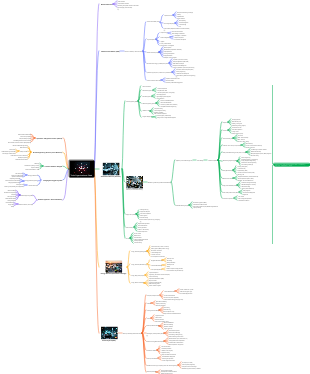
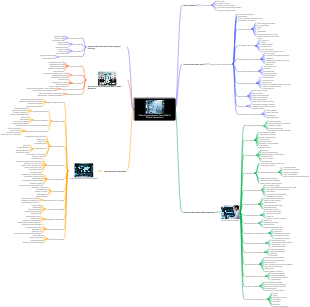
Explore the intricate structure of AstraZeneca's organizational chart, which reveals the synergy between its Research & Development and Commercial Operations. At the helm is the Board of Directors, guided by the CEO, who oversees various executive roles, including the CFO, CHRO, and CIO/CDO. Each division is strategically designed to enhance operational efficiency, from Finance and Legal to Human Resources and Digital Innovations. The R&D organization, led by the Chief R&D Officer, encompasses Discovery Sciences, Preclinical, and Clinical Development, ensuring a robust pipeline of innovative therapies. Regulatory Affairs and Corporate Communications further streamline AstraZeneca's commitment to sustainability and patient engagement. Dive into this detailed framework to understand how AstraZeneca drives healthcare forward.
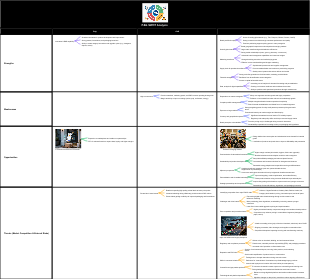
Edited at 2026-03-25 15:01:50This strategic SWOT analysis explores how Aeon can navigate the competitive online landscape, highlighting strengths, weaknesses, opportunities, and threats. Strengths include strong brand recognition (trusted Japanese heritage, quality), omnichannel capabilities (stores + online + mall integration), customer loyalty programs (Aeon Card, points, member pricing), and physical footprint (extensive store network for pickup/returns). Weaknesses encompass digital maturity gaps (e-commerce penetration, app functionality, personalization vs. Amazon, Alibaba), cost structure challenges (store-heavy, real estate, labor), and supply chain complexity (fresh food, frozen logistics for online). Opportunities include enhancing e-commerce competitiveness (faster delivery, wider assortment, lower minimum order), leveraging data-driven strategies (purchase history, personalized offers, inventory optimization), expanding omnichannel integration (buy online pick up in store, ship from store), and private label growth (Topvalu, localized brands). Threats involve online-first players (Amazon, Alibaba, Sea Limited) with lower costs, wider selection, faster delivery, market dynamics (changing consumer behavior post-COVID, discount competitors), and regulatory risks (data privacy, cross-border e-commerce rules). Aeon can strengthen market position by investing in digital capabilities, leveraging store assets for omnichannel, and using customer data for personalization, while addressing cost structure and online competition.
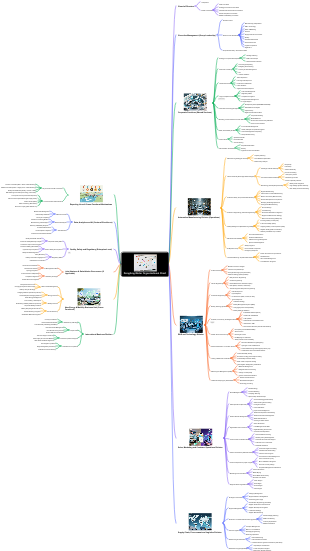
This analysis explores how Aeon effectively tailors offerings to meet the diverse needs of family-oriented consumers through a comprehensive Segmentation, Targeting, and Positioning (STP) framework. Demographic segmentation examines family life stages (young families with babies, school-aged children, teenagers, empty nesters), household sizes (small vs. large), income levels (mass, premium), and parent age bands (millennials, Gen X). This identifies distinct consumer groups with different spending patterns. Geographic segmentation highlights store catchment types (urban, suburban, rural), community characteristics (density, income, competition), and local preferences (fresh food, halal, Japanese products). Psychographic segmentation delves into family values (health, safety, education, convenience), lifestyle orientations (busy professionals, home-centered, eco-conscious). Behavioral segmentation focuses on shopping missions (daily grocery, weekly stock-up, seasonal shopping), price sensitivity (value seekers, premium), channel preferences (in-store, online, pickup). Needs-based segmentation reveals core family needs related to value (good-better-best pricing), budget considerations (affordability, promotions, member pricing), safety (food quality, product recall), convenience (one-stop shopping, parking, store hours). Targeting prioritizes young families with school-aged children, budget-conscious households, and convenience-seeking shoppers. Positioning emphasizes Aeon as a family-friendly, value-for-money, one-stop destination with Japanese quality and local relevance. These insights enhance family shopping experiences through tailored assortments (kids’ products, school supplies), promotions (family bundles, weekend events), and services (nursing rooms, kids’ play areas).
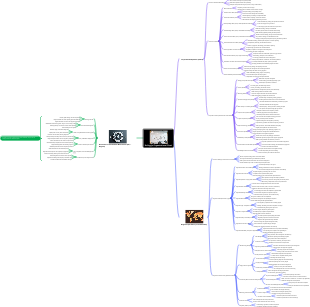
This Kream Sneaker Consumption Scene Analysis Template aims to visualize purchasing and consumption journeys of sneakers, identifying key demand drivers and obstacles. User behavior within Kream includes searching, bidding, buying, selling, authentication, and community engagement. External influences include brand drops (Nike, Adidas), social media (Instagram, TikTok), influencer hype, and cultural trends. Target categories: limited editions, collaborations, retro releases, performance sneakers, and general releases. Timeframes: launch day, first week, first month, long-term (seasonal, yearly). Regions: North America, Europe, Asia (Korea, China, Japan). User segments: Collectors: value rarity, condition, completeness (box, accessories). KPIs: collection size, spend, authentication rate. Resellers: value profit margin, volume, turnover. KPIs: sell-through rate, average profit, listing frequency. Sneakerheads: value hype, trends, community validation. KPIs: purchase frequency, social engagement, wishlist adds. Casual trend followers: value style, convenience, price. KPIs: conversion rate, average order value, repeat purchases. Gift purchasers: value ease, presentation, brand trust. KPIs: gift message usage, return rate. Consumption journey: Awareness: social media, email, push notifications. Search: browse, filter, search by brand, model, size. Purchase: bid, buy now, payment, shipping. Authentication: inspection, verification, certification. Resale: list, price, sell, transfer. Sharing: review, unboxing, social post, community discussion. Key performance indicators: conversion rate, sell-through rate, average order value, customer lifetime value, authentication pass rate, return rate, Net Promoter Score. This framework helps understand sneaker trading dynamics, user motivations, and touchpoints for engagement and satisfaction.
This strategic SWOT analysis explores how Aeon can navigate the competitive online landscape, highlighting strengths, weaknesses, opportunities, and threats. Strengths include strong brand recognition (trusted Japanese heritage, quality), omnichannel capabilities (stores + online + mall integration), customer loyalty programs (Aeon Card, points, member pricing), and physical footprint (extensive store network for pickup/returns). Weaknesses encompass digital maturity gaps (e-commerce penetration, app functionality, personalization vs. Amazon, Alibaba), cost structure challenges (store-heavy, real estate, labor), and supply chain complexity (fresh food, frozen logistics for online). Opportunities include enhancing e-commerce competitiveness (faster delivery, wider assortment, lower minimum order), leveraging data-driven strategies (purchase history, personalized offers, inventory optimization), expanding omnichannel integration (buy online pick up in store, ship from store), and private label growth (Topvalu, localized brands). Threats involve online-first players (Amazon, Alibaba, Sea Limited) with lower costs, wider selection, faster delivery, market dynamics (changing consumer behavior post-COVID, discount competitors), and regulatory risks (data privacy, cross-border e-commerce rules). Aeon can strengthen market position by investing in digital capabilities, leveraging store assets for omnichannel, and using customer data for personalization, while addressing cost structure and online competition.
This analysis explores how Aeon effectively tailors offerings to meet the diverse needs of family-oriented consumers through a comprehensive Segmentation, Targeting, and Positioning (STP) framework. Demographic segmentation examines family life stages (young families with babies, school-aged children, teenagers, empty nesters), household sizes (small vs. large), income levels (mass, premium), and parent age bands (millennials, Gen X). This identifies distinct consumer groups with different spending patterns. Geographic segmentation highlights store catchment types (urban, suburban, rural), community characteristics (density, income, competition), and local preferences (fresh food, halal, Japanese products). Psychographic segmentation delves into family values (health, safety, education, convenience), lifestyle orientations (busy professionals, home-centered, eco-conscious). Behavioral segmentation focuses on shopping missions (daily grocery, weekly stock-up, seasonal shopping), price sensitivity (value seekers, premium), channel preferences (in-store, online, pickup). Needs-based segmentation reveals core family needs related to value (good-better-best pricing), budget considerations (affordability, promotions, member pricing), safety (food quality, product recall), convenience (one-stop shopping, parking, store hours). Targeting prioritizes young families with school-aged children, budget-conscious households, and convenience-seeking shoppers. Positioning emphasizes Aeon as a family-friendly, value-for-money, one-stop destination with Japanese quality and local relevance. These insights enhance family shopping experiences through tailored assortments (kids’ products, school supplies), promotions (family bundles, weekend events), and services (nursing rooms, kids’ play areas).
This Kream Sneaker Consumption Scene Analysis Template aims to visualize purchasing and consumption journeys of sneakers, identifying key demand drivers and obstacles. User behavior within Kream includes searching, bidding, buying, selling, authentication, and community engagement. External influences include brand drops (Nike, Adidas), social media (Instagram, TikTok), influencer hype, and cultural trends. Target categories: limited editions, collaborations, retro releases, performance sneakers, and general releases. Timeframes: launch day, first week, first month, long-term (seasonal, yearly). Regions: North America, Europe, Asia (Korea, China, Japan). User segments: Collectors: value rarity, condition, completeness (box, accessories). KPIs: collection size, spend, authentication rate. Resellers: value profit margin, volume, turnover. KPIs: sell-through rate, average profit, listing frequency. Sneakerheads: value hype, trends, community validation. KPIs: purchase frequency, social engagement, wishlist adds. Casual trend followers: value style, convenience, price. KPIs: conversion rate, average order value, repeat purchases. Gift purchasers: value ease, presentation, brand trust. KPIs: gift message usage, return rate. Consumption journey: Awareness: social media, email, push notifications. Search: browse, filter, search by brand, model, size. Purchase: bid, buy now, payment, shipping. Authentication: inspection, verification, certification. Resale: list, price, sell, transfer. Sharing: review, unboxing, social post, community discussion. Key performance indicators: conversion rate, sell-through rate, average order value, customer lifetime value, authentication pass rate, return rate, Net Promoter Score. This framework helps understand sneaker trading dynamics, user motivations, and touchpoints for engagement and satisfaction.
AstraZeneca Organizational Chart (R&D and Commercial Operations)
Board of Directors
Board Chair
Board Committees
Audit Committee
Remuneration Committee
Nomination & Governance Committee
Science & Sustainability Committee (or equivalent)
Chief Executive Officer (CEO)
Chief Financial Officer (CFO)
Finance
FP&A (Financial Planning & Analysis)
Accounting & Reporting
Treasury
Tax
Controls & Compliance (SOX/IFRS)
Investor Relations
Procurement / Strategic Sourcing
Enterprise Services (shared services)
Chief Legal / General Counsel
Legal (commercial, IP, litigation)
Compliance & Ethics
Privacy / Data Protection
Corporate Security
Chief Human Resources Officer (CHRO)
Talent Acquisition
Learning & Development
Total Rewards
HR Business Partners (R&D and Commercial)
Culture, DEI, Employee Relations
Chief Information / Digital Officer (CIO/CDO)
Enterprise IT
Digital & Data Platforms
Cybersecurity
R&D Informatics (clinical, omics, modeling)
Commercial Digital (CRM, omnichannel, analytics)
Corporate Affairs / Communications
External Communications
Government Affairs / Public Policy
Internal Communications
Patient Advocacy / Engagement
Sustainability / ESG (with cross-functional governance)
R&D Organization
R&D Leadership (EVP/Chief R&D Officer)
R&D Strategy & Portfolio
Portfolio Governance (stage gates)
Indication & Asset Prioritization
Competitive Intelligence
External Innovation Strategy
Discovery Sciences
Target Identification & Validation
Genomics / Functional Genomics
Translational Target Validation
Lead Generation
High-Throughput Screening
Hit-to-Lead
Structure-Based Design
Lead Optimization
Medicinal Chemistry
DMPK / ADME
In vitro / In vivo Pharmacology
Biologics Discovery
Antibody Engineering
Protein Engineering
Cell Line Development (research)
Data Science & AI (research)
ML for target/lead discovery
Knowledge graphs / literature mining
Preclinical Development
Safety Assessment / Toxicology
Pharmacokinetics & Bioanalysis
Translational Medicine (preclinical-to-clinic)
Animal Models / In vivo Biology
Preclinical Regulatory Strategy
Clinical Development
Clinical Development Units (by therapy area)
Oncology
BioPharmaceuticals (e.g., CVRM, Respiratory/Immunology)
Rare Disease (if applicable)
Vaccines & Immune Therapies (if applicable)
Clinical Operations
Site Selection & Feasibility
Study Start-up
Monitoring / CRA Operations
Vendor Management (CROs)
Patient Recruitment & Retention
Clinical Science / Medical Monitoring
Clinical Pharmacology
Dose finding / modeling
Population PK/PD
Biometrics
Biostatistics
Statistical Programming
Clinical Data Management
Data Standards (CDISC)
Medical Writing
Trial Supply (clinical)
Regulatory Affairs
Global Regulatory Strategy
Regional Regulatory (US, EU, APAC, etc.)
CMC Regulatory (quality/manufacturing submissions)
Labeling Strategy (R&D interface)
Health Authority Interactions
Patient Safety / Pharmacovigilance
Case Processing
Signal Detection & Risk Management
Safety Science
Benefit-Risk Assessment
Post-Marketing Safety (R&D interface)
Translational Medicine & Precision Medicine
Biomarker Discovery & Validation
Companion Diagnostics Strategy
Human Genetics
Clinical Biomarkers / Assay Development
CMC (Chemistry, Manufacturing & Controls) / Technical Development
Process Development
Small Molecule Process Chemistry
Biologics Process Development (upstream/downstream)
Formulation & Drug Product Development
Analytical Development
Tech Transfer to Manufacturing
CMC Project Management
CMC Documentation for filings
R&D Quality
GxP Quality Systems (GCP/GLP/GMP interfaces)
Audit & Inspection Readiness
Quality Risk Management
Training & Qualification
R&D Project & Program Management
Cross-functional Program Teams
Timelines, budgets, resourcing
Decision support & governance facilitation
External Partnerships & Business Development (R&D-facing)
Academic Collaborations
Licensing / Alliances (early-stage)
Open Innovation Platforms
Commercial Organization
Commercial Leadership (EVP/Chief Commercial Officer)
Global Commercial Strategy
Product/Brand Strategy (per asset)
Lifecycle Management
Launch Excellence (playbooks, readiness)
Competitive Strategy
Regional/Market Commercial Organizations
North America (e.g., US/Canada)
Market Access (payer/provider)
Sales (field force)
Marketing (HCP and consumer where permitted)
Account Management (IDNs, hospitals, oncology centers)
Patient Support Services
Europe
Country Affiliates
Market Access & Pricing
Sales & Marketing
Asia-Pacific
Country/Area Teams
Growth Markets Strategy
International / Emerging Markets
Distributor Management (where applicable)
Local partnerships
Regional execution model combining access, sales/marketing, accounts, and patient support, adapted to local structures.
Therapeutic Area Commercial Teams
Oncology Commercial
Tumor franchise teams
Key Account Oncology
Medical-scientific engagement coordination (with Medical)
BioPharmaceuticals Commercial
CVRM franchise
Respiratory/Immunology franchise
Rare Disease Commercial (if applicable)
Therapy-area franchises tailor strategy and field engagement to disease and customer ecosystems.
Market Access & Pricing (Global and Regional)
Value & Evidence
Health Economics & Outcomes Research (HEOR)
Real-World Evidence (RWE) strategy
Pricing Strategy
Global pricing governance
Contracting guidance
Reimbursement & Policy
Payer engagement
HTA submissions support (with R&D/Regulatory)
Commercial Operations / Enablement
Sales Operations
Territory design & alignment
Incentive compensation
Field analytics
Omnichannel & Digital Marketing
CRM platform management
Content operations
Campaign orchestration
Commercial Analytics & Insights
Forecasting (commercial)
Market research
Competitive intelligence (commercial)
Training (sales/marketing capability building)
Medical Affairs (Commercial interface, independent governance)
Medical Strategy (per therapy area)
Medical Science Liaisons (MSLs)
Scientific Communications
Publications
Medical information
Medical Education (CME/IMEs where compliant)
Investigator-Initiated Studies (IIS) support
Medical Governance & Review
Patient, Customer & Stakeholder Engagement
Patient programs (support, adherence)
Advocacy relations (coordination with Corporate Affairs)
Customer experience / journey design
Commercial Quality & Compliance
Promotional review (MLR/PRC)
Anti-corruption / ABAC controls
Pharmacovigilance reporting obligations (commercial side)
Audits & monitoring of commercial activities
Operations / Manufacturing & Supply (R&D and Commercial enabling)
Operations Leadership (EVP/Chief Operations Officer)
Global Manufacturing
Small Molecule Manufacturing
Biologics Manufacturing
Packaging & Labeling
Supply Chain
Demand planning (commercial inputs)
Supply planning
Logistics & distribution
Cold chain (if applicable)
Quality (GMP)
Quality Assurance
Quality Control labs
Supplier quality
Batch release / QP (where required)
Engineering & Facilities
Capital projects
Maintenance and reliability
Environmental Health & Safety (EHS)
Operational Excellence
Lean / Six Sigma
Continuous improvement
Enterprise Governance & Cross-Functional Committees
Executive Committee (ExCo)
Portfolio/Investment Committee (R&D and commercial prioritization)
Risk Management Committee
Data Governance Council
Compliance Committee (global)
Safety Governance (signal management, RMP oversight)
Launch Readiness Council (R&D-to-commercial transition)
Geographic/Legal Entity Structure (typical)
Headquarters / Global functions
Regional hubs
Country affiliates
Strategic sites (R&D centers, manufacturing plants, commercial offices)