 Wondershare EdrawMind
MindMap Gallery ITIL V3 Maturity Assessment Criteria
- 31
ITIL V3 Maturity Assessment Criteria
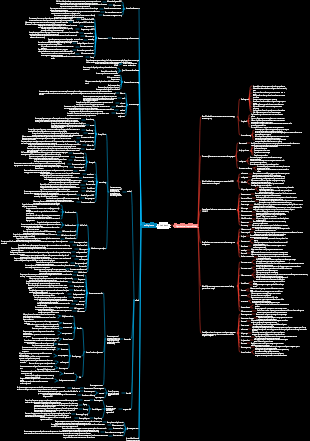
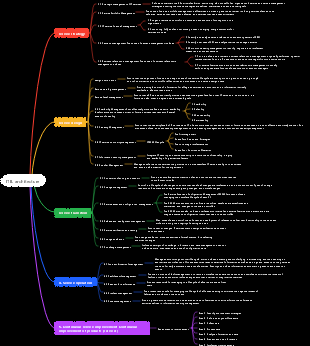
Referring to the relevant theoretical methods and best practical experiences of ISO20000, ITIL, and ITSS, a relatively complete introduction to ITIL-V3 evaluation standards is provided, including service strategy (service level, financial management, business relationships, etc.), service design (service level, capacity, availability, etc.) Continuity, information security, etc.), service transformation (change, release), service operation (incidents, service requests, service desk), continuous improvement (reporting), etc. After purchasing the copyright, the map will continue to be updated and enriched, so please pay attention to!
Edited at 2024-03-05 10:19:15
- bacteria
This is a mind map about bacteria, and its main contents include: overview, morphology, types, structure, reproduction, distribution, application, and expansion. The summary is comprehensive and meticulous, suitable as review materials.
- Plant asexual reproduction
This is a mind map about plant asexual reproduction, and its main contents include: concept, spore reproduction, vegetative reproduction, tissue culture, and buds. The summary is comprehensive and meticulous, suitable as review materials.
- Reproductive development of animals
This is a mind map about the reproductive development of animals, and its main contents include: insects, frogs, birds, sexual reproduction, and asexual reproduction. The summary is comprehensive and meticulous, suitable as review materials.
ITIL V3 Maturity Assessment Criteria
- bacteria
This is a mind map about bacteria, and its main contents include: overview, morphology, types, structure, reproduction, distribution, application, and expansion. The summary is comprehensive and meticulous, suitable as review materials.
- Plant asexual reproduction
This is a mind map about plant asexual reproduction, and its main contents include: concept, spore reproduction, vegetative reproduction, tissue culture, and buds. The summary is comprehensive and meticulous, suitable as review materials.
- Reproductive development of animals
This is a mind map about the reproductive development of animals, and its main contents include: insects, frogs, birds, sexual reproduction, and asexual reproduction. The summary is comprehensive and meticulous, suitable as review materials.
- Recommended to you
- Outline

ITIL V3 Maturity Assessment Criteria
Service operation
1. Event (fault) management
Does the service desk have a satisfaction survey to measure the quality of service?
Are specific events (faults) defined with different types and priorities?
Is the start time, acceptance time and end time defined for the event (fault)?
Is there a clear distinction and definition between the scope of first-line and second-line support?
Whether all events (faults) are logged. There are no informal channels through which users can bypass the process. For example, users call second-line support directly.
Are users promptly informed of the progress of incidents (faults) or service requests raised by them?
Are customers informed in a timely manner when service level agreement requirements (SLA) cannot be met?
Do all personnel involved in incident (fault) management have access to relevant information, including known errors and problem solving knowledge bases?
When solving an event (fault), will you first check whether the same event (fault) has occurred before and how it was resolved? Is it associated with a knowledge base?
Operational Level Agreement (OLA), and detailed monitoring and upgrade methods
When a user reports a fault, is there a user level to distinguish VIP users so that VIP users receive priority?
Are there appropriate management reports? For example: first-line resolution rate, etc.
Is there a special mechanism to handle high-impact events (faults), that is, a major fault handling process?
What are the key performance indicators (KPIs) of the incident (fault) management process? Is it reviewed regularly?
Are items that need improvement in the incident (incident) management process documented? Take improvement measures and follow up, and have a service improvement plan or mechanism.
Are incident (fault) management and problem management processes distinguished? Is there a good flow of information from the incident (incident) management process to the problem management process?
2. Problem management
Have all defined issues been ticketed and documented in detail?
Does the problem have a defined start and end time?
Are issues categorized and prioritized? For example: category, urgency, impact on business and processing priority.
Is there a problem impact analysis mechanism and method based on configuration management?
Has the scope of problem management been defined and effectively distinguished from incident (fault) management?
Are the root causes of problems discovered and the rate of repeat events (failures) reduced?
Are preventive measures taken to reduce potential problems? Such as daily inspections and Pareto chart analysis, etc.
Are problem analysis methods (such as 5 Why analysis) and knowledge sharing based on historical experience regularly promoted?
Are problem resolution methods monitored, reviewed and reported to achieve problem handling effectiveness?
Has an effective review and closure mechanism been established after problem resolution? For example, the problem manager is responsible for the review and closure of each problem ticket?
Operational Level Agreement (OLA), and specific monitoring and upgrade methods?
Are there appropriate management reports? For example: problem resolution rate on time, etc.
Are known errors managed and controlled in a timely manner? For example, put the solutions to previous problems into the operation and maintenance knowledge base for quick query in the future.
What are the key performance indicators (KPIs) of the problem management process? Is it reviewed regularly?
Are areas for improvement in the problem management process documented? Take improvement measures and follow up, and have a service improvement plan or mechanism.
Does problem management have the necessary connections to other processes? For example, open a change request for a known bug and pass the change request to the change management process?
service transition
3. Change management
Is the scope of services clearly defined and necessary documentation established? (The relationship between configuration items and configuration items of service catalog, SLA, CMDB)
Is the scope of change management clearly defined? For example, this includes changes to operating systems, applications, networks, and devices.
Are changes checked and verified for completeness before they are submitted?
Are all changes logged (including rejected changes)?
Are change requests evaluated in terms of their risks, impacts and business benefits? Such as the impact on system capacity, availability and disaster recovery. Are the feasibility analysis and final opinions on specific changes effectively recorded?
Are changes classified according to their impact and urgency? Such as defining major changes and approval levels
Are all changes successfully implemented and are there post-implementation reviews?
Does the change order include a rollback plan if the change is unsuccessful?
Are corresponding policies in place to control the authorization and execution of emergency changes?
Is there a clear distinction between normal change requests (e.g., updating an app) and standard changes or service requests (e.g., resetting a password)? Effective scope definition of standard changes
Are change records analyzed regularly to detect increasing levels of change, types of frequent iterations, emergent trends, and other relevant information?
Will any changes be implemented after approval by the Change Advisory Board?
Are change plans or change windows effectively defined? Do the dates of planned changes serve as the basis for truly establishing a timetable for changes?
What are the key performance indicators (KPIs) of the change management process? Is it reviewed regularly?
Are areas for improvement in the change management process documented? Take improvement measures and follow up, and have a service improvement plan or mechanism.
Is there any information interaction with other processes? For example, interactions with problem management and configuration management
5. Release management
Does the service provider work with customers to plan the release of services, systems, software and hardware?
Is a mechanism for change management to trigger release management effectively established?
Have relevant change orders and release orders been associated?
Does the release management process include a rollback plan (Backout Plan) when the release is unsuccessful?
Does the release management process include changes to configuration items in the configuration management database (CMDB)?
Are change requests evaluated for impact on the release plan?
Are releases categorized by their impact and urgency? Develop approval levels for different releases
Are there corresponding policies to control the authorization and execution of emergency changes (Urgent Release)?
Are release records analyzed regularly to detect the extent of increases in releases, recurring patterns, emerging trends, and other relevant information?
Will any release be approved by the Release Review Committee before being executed?
Is the release plan or release window effectively defined? Do the planned release dates serve as the basis for truly developing a release schedule?
Are the impacts of unusual events related to the release during the release measured?
Are all releases executed successfully, with post-implementation reviews? Can release success and failure conditions be measured?
What are the key performance indicators (KPIs) of the release management process? Is it reviewed regularly?
Are areas for improvement in the release management process documented? Take improvement measures and follow up, and have a service improvement plan or mechanism.
Is the release management process related to the configuration management and change management processes?
4. Configuration management
Is the scope managed by configuration management clearly defined and the necessary documentation established? Process documentation such as service catalog and configuration management database (CMDB)
Are the configuration items storing service assets in the configuration management database?
Is there a clearly defined naming convention for components? Is all relevant equipment clearly labeled?
The configuration management database is structured with mechanisms to prevent duplicate entries. Ensure the correctness and uniqueness of configuration information
The relationships between configuration items are effectively defined
Does configuration management provide version control and tracking of configuration items?
Do changes to configuration items follow the change management process? Track and control relationships between configuration items
Is the configuration management database effectively managed to ensure the security, reliability and correctness of configuration data?
Can authorized users who need to extract configuration item information obtain the status, version, location and related change information of the configuration item?
Are there annual (or periodic) audit reports for the configuration management database?
Are deficiencies in any configuration items recorded, corrective actions taken, and final results reported in the configuration audit report?
Are configuration management automatic discovery tools and pre-approval mechanisms for configuration item changes applied?
Is there a series of controls in place to ensure that the configuration management process is not circumvented?
What are the key performance indicators (KPIs) of the configuration management process? Is it reviewed regularly?
Are areas for improvement in the configuration management process documented? Take improvement measures and follow up, and have a service improvement plan or mechanism.
Is there any information interaction with other processes? For example, interactions with incident (incident) management, problem management, change management, and release management
service strategy
11. Financial management
Does the IT service provider or organization clearly understand this process?
Are the activities of this process reviewed regularly?
Are there electronic tools to improve the efficiency of this process?
Is there enough time and cost to train for this process?
Are costs monitored and reported according to budget? Regularly compare budgets and costs.
Is there a cost model (Cost Model) or other mechanism that easily displays IT operating costs to customers or business units?
Are any cost changes subject to cost analysis and approval through the change management process?
Are financial audits held regularly?
Whether different cost types are effectively distinguished, such as fixed costs, direct costs, indirect costs, etc.
Are the financial statements simple and easy to understand?
Have effective service charging strategies and charging principles been developed?
Whether financial data is effectively used by other management processes, such as release management and change management processes.
Do you understand the difference between cost center and profit center?
What are the key performance indicators (KPIs) of the financial management process? Is it reviewed regularly?
Are areas for improvement in financial management documented? Take improvement measures and follow up, and have a service improvement plan or mechanism.
Have the key performance indicators (KPIs) of financial management been included in the management scope of service level management?
14. Business relationship management
When there is a service level agreement or relevant content in the contract that needs to be changed, is a change order issued and followed up to completion according to the change management process with the customer's consent?
Are customers informed of the results of handling customer complaints in a timely manner?
Are all service complaints or complaints recorded, investigated, responded to, reported and formally closed?
15. Management system
Have managers established service management policies, goals and plans?
Are the roles and responsibilities of all service managers and the competencies required to effectively perform them defined and maintained?
Are managers' competencies reviewed to ensure they can effectively fulfill their roles and responsibilities?
17. Service management after new service changes
Have the costs, organizational, technical and commercial impacts resulting from service delivery and management been considered?
Is the implementation of new or changed services (including service discontinuation) planned and formally approved by the change manager?
Is there a process that is formally accepted by the service provider or client?
The service provider shall make arrangements according to the plan. The effects achieved should be reported in a timely manner after the implementation of new or changed services
Is there a change management process to review planned services after implementation, i.e. comparing actual results with planned results?
13. Continuous improvement management
Are service improvements documented, evaluated, authorized and prioritized?
Is a service improvement plan used to control service improvement activities?
When the service provider implements process improvements, are there measures to correct deviations and prevent potential problems?
Is there any tendency to use tools such as control charts to predict future performance based on historical performance data?
16. Service report
Is there a satisfaction survey report? How is it done?
Does the service report meet the needs of service level agreement measurement, and are the customer's specific requirements clearly responded to and reflected?
Do service reports include measurements that correspond to the performance indicators to be measured under the service level agreement?
Does the service report contain violations of the service level agreement?
service design
9. Service level management
Does the IT service provider or organization clearly understand this process?
Are quantified KPI indicators reflected in the service level agreement (SLA)?
Are the activities and key performance indicators (KPIs) of this process reviewed regularly?
Is there a standard Service Level Agreement (SLA) contract template and is it applied effectively?
Are the contract indicators of third-party suppliers also included in the scope of service level management and effectively monitored?
Is the service catalog effectively defined to reflect the organization's service scope?
Are there electronic tools to improve the efficiency of this process?
Is there enough time and cost to train for this process?
Are there regular service meetings to discuss service level achievement and possible future service level requirements (SLRs)?
Do all relevant parties regularly review the contents of the service level agreement document (usually once a year) to ensure that the service level agreement is timely updated and continues to be effective?
Is there any report feedback on the monitoring results and review of the reasons for non-compliance?
Have effective communication channels and communication mechanisms been established between customers or business departments and the IT department?
Are all service level agreement contract documents signed by customers or business units before execution?
Is the quality of service level agreements (SLAs) monitored against the objectives of the agreement with the customer?
Are items requiring improvement plans (SIPs) and improvements documented and identified? and follow up promptly
Can any new services be easily brought into service level management?
6. Availability management
Does the IT service provider or organization clearly understand this process?
Are the activities of this process reviewed regularly?
Are there electronic tools to improve the efficiency of this process?
Is there enough time and cost to train for this process?
Have any changes to the availability plan been evaluated by the Change Advisory Committee for impact and can only be changed with valid authorization?
Are availability specific data measured and recorded, and regularly published as part of service reporting?
Does Availability Management provide change impact analysis data as input to the change management process?
Is the availability of the current infrastructure regularly assessed and optimized?
Are direct or indirect losses due to system unavailability calculated?
Are the costs of high availability management compared with the business benefits?
Are regular change windows accepted by customers and business units?
Is there an accepted process for handling root cause analysis of major system unavailability?
Is historical availability data used for trend analysis to identify possible future availability issues?
What are the key performance indicators (KPIs) of the availability management process? Is it reviewed regularly?
Are areas for improvement in availability management documented? Take improvement measures and follow up, and have a service improvement plan or mechanism.
Have the key performance indicators (KPIs) of availability management been included in the management scope of service level management?
10. Capacity management
Does the IT service provider or organization clearly understand this process?
Are the activities of this process reviewed regularly?
Are there electronic tools to improve the efficiency of this process?
Is there enough time and cost to train for this process?
Are monitoring reports sent to users regularly?
Regular monthly technical seminars?
Is capacity management related data recorded in the capacity management database (CDB)?
Are the impacts on service capacity of new services or change requests to existing services assessed? Any changes to the IT environment require a change management process.
Can changes in workload and environment be predicted? Does it include sufficient data and processes to conduct predictive analysis?
Is there an analysis and response mechanism for the expected impact of changes in the IT service environment and business needs, such as government regulations, industry norms, etc.
Are there any attempts to influence user behavior so that they use it more during off-peak hours?
Are the capacity monitoring thresholds for each independent service effectively set and properly monitored? and to help resolve malfunctions or problems with the Service.
Are business capacity, service capacity and resource capacity management effectively differentiated and managed?
What are the key performance indicators (KPIs) of the capacity management process? Are current and forecasted capacity and performance requirements included? Is it reviewed regularly?
Are areas for improvement in information capacity management documented? Take improvement measures and follow up, and have a service improvement plan or mechanism.
Have the key performance indicators (KPIs) of capacity management been included in the management scope of service level management?
7. Service continuity management
Does the IT service provider or organization clearly understand this process?
Are the activities of this process reviewed regularly?
Are there electronic tools to improve the efficiency of this process?
Is there enough time and cost to train for this process?
Is there a regular business impact analysis (BIA) to assess the scope and level of impact of service interruptions on the business?
The service continuity plan, known as the Disaster Recovery Plan (DRP), is effectively documented and known to all service departments involved. To prepare for future emergencies.
Have any changes to the service continuity plan or disaster recovery plan been evaluated by the change advisory committee for impact, and can only be changed with valid authorization?
Is the service continuity plan or disaster recovery plan effectively tested to meet business needs?
Is important business data regularly backed up and stored securely?
Are the costs of service continuity management compared with the business benefits?
Is IT Service Continuity Management (ITSCM) part of Business Continuity Management (BCM)?
Do you have a clear understanding and identification of different disaster recovery plans? Such as hot standby and cold standby solutions, etc.
Are regular drills and issue tracking carried out on the service continuity plan (disaster recovery plan (DRP))? For example, conduct disaster recovery drills every six months
What are the key performance indicators (KPIs) of the service continuity management process? Is it reviewed regularly?
Are matters requiring improvement in service continuity management documented? Take improvement measures and follow up, and have a service improvement plan or mechanism.
Have the key performance indicators (KPIs) of service continuity management been included in the management scope of service level management?
12. Supplier management
Does the IT service provider or organization clearly understand this process?
Are the activities of this process reviewed regularly?
Are there electronic tools to improve the efficiency of this process?
Is there enough time and cost to train for this process?
Whether the supplier’s qualifications and historical performance information are recorded in the supplier management database
Is supplier performance evaluated and on what basis?
How are suppliers rated? Such as long list and short list suppliers.
Is there a mechanism to select the most suitable or best supplier? And there is a supplier elimination mechanism.
Is a third-party supplier contract (UC) signed?
Can the indicators of the third-party supplier agreement with the supplier meet the requirements of the enterprise's service level agreement indicators with customers?
Are supplier contracts or formal agreements reviewed and renewed (Renew) at least annually?
If there are changes to the contract and corresponding third-party supplier contracts or agreements, are they managed through a change management process?
Is there a process for handling contract disputes?
What are the key performance indicators (KPIs) of the supplier management process? Is it reviewed regularly?
Are identified actions requiring improvement or follow-up documented and used as input to service improvement plans?
Have the key performance indicators (KPIs) of supplier management been included in the management scope of service level management?
8. Information security management
Are security policy standards established?
Do you clearly know which department is responsible for IT security management?
Are there mechanisms in place to prevent unauthorized personnel from accessing sensitive IT equipment and critical data?
Are business security requirements effectively documented?
Does the senior management team and its employees have the necessary commitment to keep the organization's data confidential? If you sign a confidentiality agreement
Does an IT security management plan exist and is it regularly reviewed and improved?
Are internal or external security audits conducted regularly?
Are there clear steps for handling security violations?
Are there electronic defense devices that effectively prevent electronic attacks? Such as firewall, IDS and IPS, etc.
Are organizational members aware of the importance of protecting IT assets and information security and complying with it effectively?
Are security breaches and attacks logged in service reports?
Have any changes to security policies been evaluated by the Change Advisory Committee to assess their impact and can be changed only after obtaining valid authorization?
Have the information security management team and the service continuity management team established effective communication channels?
What are the key performance indicators (KPIs) of the information security management process? Is it reviewed regularly?
Are matters requiring improvement in information security management documented? Take improvement measures and follow up, and have a service improvement plan or mechanism.
Have the key performance indicators (KPIs) of information security management been included in the management scope of service level management?