 Wondershare EdrawMind
MindMap Gallery Case Study Analysis
- 101
Case Study Analysis
This is a case study of a patient. Kelsey is a 49-year-old African female diagnosed with stage 4 lung cancer. This mind map analyses her disease and provides therapies that recommended.
Edited at 2023-09-20 22:45:32
- Recommended to you
- Outline

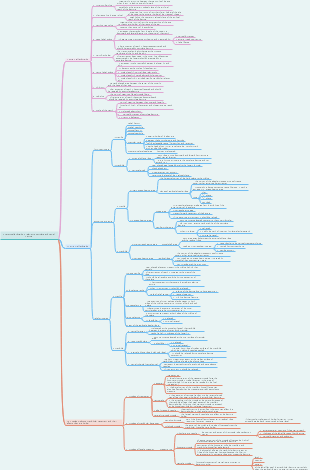
Case Study Analysis
Case Study Analysis
Dutch E. Pope
School of Social Work, Cleveland State University
SWK 385: Interventions I
Denise M. Sadler, MSW, BA, LISW-S
Due Date October 20th, 2023
Case Study Analysis
II. Case Study Introduction
a. Overview of the case study
Kelsey is a 49-year-old African-American female diagnosed with stage 4 lung cancer. Apart from her medical challenges, she has a complex psychosocial history, including a history of abuse, military service, and being the primary caregiver to her two granddaughters. Her life journey is interspersed with episodes of trauma, resilience, and multiple health challenges.
b. Micro, Mezzo, and Macro Concerns
Micro Concerns: Kelsey presents with individual-level concerns, which encompass her physical health, especially the recent cancer diagnosis, and its psychological implications. The use of substances, specifically alcohol and marijuana, also indicates potential coping mechanisms or self-medication practices. Her expressed ideation about ending her life, if her daughter was equipped to care for the granddaughters, necessitates immediate attention and intervention.
Mezzo Concerns: The immediate family environment and dynamics form the mezzo-level concerns. Kelsey’s role as the primary caregiver to her granddaughters, in conjunction with her daughter's substance abuse issues, necessitates an exploration into the family's overall mental and emotional health. The well-being of Faith and Hope, given their mother's challenges and their dependency on Kelsey, is central. Further, interactions and support from extended family members, like Kelsey’s sister Donna, can provide additional context and resources.
Macro Concerns: On a broader level, several societal and systemic concerns come to light. The historical inadequacies of the foster care system, evidenced by Kelsey’s past experiences, need consideration, especially when addressing her past traumas. Additionally, societal perceptions and potential stigmatization related to health, substance use, and family dynamics might influence Kelsey's experiences and her access to resources.
II. Research-Informed Practice
a. Needed Information
Micro: Understanding Kelsey’s individual experiences is paramount. There's a need to investigate the origins and manifestations of her trauma more deeply, discerning how they relate to her current life situations. A comprehensive understanding of how she has coped over the years will shed light on her current substance use, especially in the context of her feelings and fears associated with recurring cancer diagnoses.
Identifying triggers and patterns related to her substance use is essential. Does she use substances primarily as an escape, as pain management, or as a coping mechanism for untreated trauma or anxiety? Furthermore, it is crucial to dissect her feelings, fears, and hopes surrounding her health status, particularly her expressed weariness about undergoing further treatments and her ideation of ending her life under certain circumstances.
Mezzo: The emotional, mental, and physical well-being of Faith and Hope requires exploration. Given Kelsey’s primary role in their lives and her health conditions, how do the children perceive their current family situation? What are their fears, hopes, and aspirations?
Understanding Diamond’s journey through rehabilitation is vital. What are the efforts made, her current status, and her future aspirations regarding motherhood? Are there rehabilitation programs she's engaged in, and what progress has she made?
Moreover, the potential or current roles and attitudes of extended family members such as Donna and her awareness of the family dynamics will be crucial in gauging the support system Kelsey might have in place.
Macro: It’s imperative to understand the wider systemic issues affecting Kelsey’s life. This includes investigating the foster care system's historical inadequacies that failed her as a child. Given her cancer diagnosis, insights into the contemporary cancer care system and policies related to patient support and mental health are vital. Furthermore, an exploration into societal perceptions and policies surrounding substance abuse, especially in the African-American community, can provide context on the challenges and resources available to Diamond. A study of the support systems and challenges facing veterans, especially female veterans, will help contextualize Kelsey’s experiences post her military service.
b. Identifying Sources of Information
Micro: Engage Kelsey in one-on-one therapeutic sessions. Using Motivational Interviewing (MI), a client-centered counseling style can help in addressing her substance use. MI is designed to enhance intrinsic motivation to change by exploring and resolving ambivalence. Given Kelsey’s statements about her use of alcohol and marijuana, MI might be especially beneficial in helping her contemplate and act upon potential changes.
Core Principles of Motivational Interviewing:
1. Express Empathy: This is the foundation of MI. Therapists display a genuine understanding of the client's experience, fostering a safe environment that promotes open dialogue.
2. Develop Discrepancy: This involves highlighting the difference between the client's current behaviors and their personal goals or values. This creates cognitive dissonance, which can motivate change.
3. Roll with Resistance: Instead of challenging or confronting a client’s resistance or reluctance, the therapist accepts and flows with it. By not engaging in a power struggle, resistance is often decreased, allowing the client to explore their own reasons for change.
4. Support Self-Efficacy: Belief in one's ability to succeed in specific situations is crucial for change. MI therapists nurture clients' belief that they have the power to change their behavior.
Key Techniques in Motivational Interviewing:
1. Open-ended questions: These types of questions allow clients to explore their feelings, beliefs, and values without feeling directed or advised. For example, instead of asking "Do you want to quit smoking?", one might ask "What are your thoughts on your smoking habits?"
2. Affirmations: These are positive, reinforcing statements that recognize client strengths and acknowledge behaviors that lead in the direction of positive change. For instance, “You showed a lot of courage by coming here today.”
3. Reflective Listening: This is a primary skill in MI. It involves understanding the client's message and reflecting it back to them. This can help clients feel understood and can also give them a chance to hear their own ambivalence, thereby exploring it further.
4. Summarization: This involves the therapist gathering information shared by the client and feeding it back in a structured manner. It can consolidate gains made during a session and can also be used as a bridge between sessions.
5. Eliciting Change Talk: This refers to any speech from the client that leans towards the possibility of change. Statements like, "I might consider...", "Perhaps I could...", or "I wish to..." are indicators. The therapist's role is to recognize, draw out, and reinforce this change talk.
6. Providing Information and Advice: While MI primarily involves drawing out insights from the client, there are moments when direct information or advice is beneficial. However, it's crucial to seek permission before providing this, ensuring the client remains autonomous in their decision-making process.
The essence of Motivational Interviewing lies in its collaborative nature, where the therapist acts more as a guide, creating an environment where clients can safely explore their ambivalence and find their own motivations for change.
Narrative therapy can be particularly effective, as it will allow Kelsey to share her life story, thereby revealing patterns, triggers, and experiences. Narrative Therapy is an approach that centers on the stories or narratives that people construct and assign meaning to in order to make sense of their lives. Developed by Michael White and David Epston, it posits that people are not the problem; the problem is the problem. Here are the core principles and techniques of Narrative Therapy:
Core Principles of Narrative Therapy:
1. People are not the Problem; the Problem is the Problem: This externalization allows clients to view their issues in a detached manner, making it easier to address and alter negative patterns.
2. Life is Multi-storied: People have many stories or narratives about their lives, not just one. A single event can be interpreted in multiple ways.
3. People have the necessary skills and competencies to change their own lives: Narrative therapy is based on a non-pathologizing stance, viewing clients as resourceful and active agents in the co-construction of preferred stories.
4. Therapist as Collaborator: Instead of being an authoritative figure, the therapist collaborates with the client to co-author a new narrative.
5. Cultural and Social Constructs: Understanding that many narratives are influenced by broader societal and cultural norms and expectations.
Key Techniques in Narrative Therapy:
1. Externalizing Conversations: This technique helps clients see problems as separate entities from themselves. For instance, instead of saying "I am depressed," one might say "I am facing the challenge of depression."
2. Mapping the Influence: This involves exploring how the problem affects the person’s life and vice versa. It offers insights into the pattern of the issue and its broader impact.
3. Re-authoring: This entails helping clients rewrite their narratives in a way that aligns with their values and preferred identities, highlighting experiences that were previously ignored or undervalued.
4. Deconstructing Dominant Narratives: Breaking down broader societal stories or beliefs that may contribute to a person's problem. This could include societal views on body image, success, gender roles, etc.
5. Unique Outcomes: Identifying and exploring instances where clients were able to resist the dominant problematic narrative. This helps in laying the foundation for crafting a new, preferred story.
6. Therapeutic Letter Writing: This can be used to consolidate gains from a session, offer reflection, or provide a tangible reminder of the client’s journey and progress.
7. Reflecting Teams: This involves a team of therapists discussing a client's problem in their presence, offering multiple perspectives and reflections, and promoting diverse narratives.
8. Externalizing the Problem through Visualization: Using drawings or other visual means to give a tangible form to the problem, helping the client see it as separate from themselves.
9. Ceremonies: Celebrating the achievements and milestones in a client's journey, such as overcoming a dominant narrative or achieving a particular goal.
Narrative Therapy positions people as the authors of their own lives, offering a respectful, non-blaming approach that empowers them to make meaningful changes. The narrative approach underscores the importance of stories and how these stories shape a person's identity, relationships, and overall worldview.
Using cognitive-behavioral therapeutic exercises can help unravel her substance use patterns and triggers. It can be utilized by Understanding the Linkage Between Thoughts, Feelings, and Substance Use:
• Thought Records: Through the use of thought records, Kelsey can begin to identify situations in which she feels the urge to drink alcohol or smoke marijuana. By documenting her thoughts and feelings before, during, and after substance use, patterns may emerge that highlight specific triggers.
• Core Beliefs: Given Kelsey's traumatic history and experiences, she may hold deeply entrenched core beliefs about herself, others, and the world. Understanding and challenging these can be pivotal. For instance, if she believes "I can only cope with pain by drinking," this belief can be unpacked and addressed.
2. Identifying Triggers and High-Risk Situations:
• Behavioral Analysis: This entails breaking down a substance-using episode to determine the chain of events, thoughts, and feelings that led to it. It's especially crucial for Kelsey given her comment about alcohol use till she passes out. Understanding what triggers this will be essential.
3. Developing Coping Strategies:
• Coping Skills Training: Equip Kelsey with strategies to handle the urge when it arises. This can include distraction techniques, engaging in alternative activities, or practicing relaxation techniques.
• Problem-Solving Skills: Kelsey can be trained to anticipate potential challenges and develop a proactive strategy to address them. For example, if evenings are particularly hard for her, devising a new routine during that time can be beneficial.
4. Addressing Cognitive Distortions:
• Kelsey might harbor thoughts such as "I've had such a tough life; I deserve to drink" or "I can't handle this pain without substances." These are cognitive distortions that can be addressed head-on in therapy, reframing them into healthier thought patterns.
5. Exposure and Response Prevention:
• If certain situations or stimuli intensify Kelsey's cravings, controlled and therapist-guided exposure to these triggers, while preventing substance use, can reduce the power of these triggers over time.
6. Relapse Prevention:
• Skills Training: Equip Kelsey with skills to prevent relapse, such as recognizing early warning signs, developing a support system, and creating an emergency plan for high-risk situations.
• Functional Analysis: Regularly analyzing the pros and cons of her substance use can keep Kelsey motivated toward abstinence or reduction. This also incorporates elements of Motivational Interviewing by exploring her ambivalence about change.
7. Rebuilding Self-Esteem:
• Given the physical and emotional traumas Kelsey has faced, building her self-worth and self-esteem will be paramount. This can be achieved through positive self-affirmations, challenging negative self-talk, and celebrating small victories.
8. Homework Assignments:
• Assignments between sessions can help Kelsey apply what she's learned in therapy to real-life situations. For instance, she might be tasked with journaling her emotions during moments of craving, helping her gain further insight into her triggers.
Incorporating these CBT techniques, tailored to Kelsey's unique experiences, will offer her a structured and evidence-based pathway to understand, address, and potentially overcome her substance use challenges.
A holistic approach, combining talk therapy with expressive therapies, offers a comprehensive therapeutic strategy, especially beneficial for individuals with multifaceted challenges like Kelsey. Expressive therapies can provide outlets for trauma, grief, and health-related feelings that may be difficult to articulate through words alone. Here’s how the combination can be beneficially applied:
1. Enhancing Emotional Expression:
• Art Therapy: Kelsey can use different mediums like painting, drawing, or sculpture to represent her feelings about her past traumas and current health challenges. Art provides a way for individuals to externalize complex emotions, creating a tangible representation of their internal world.
• Music Therapy: Music can serve as both an expressive and receptive tool. Kelsey could explore her emotions by listening to music, identifying tracks that resonate with her feelings, or even creating music if she's inclined.
2. Bridging Talk and Expressive Therapy:
• After an expressive session, Kelsey can reflect with her therapist on her creation. This synthesis of expressive output with talk therapy can help Kelsey elucidate and process buried emotions or memories.
3. Tapping into the Subconscious:
• Often, there are underlying feelings or traumas that individuals may not be consciously aware of. The act of creating art or engaging with music can reveal these hidden emotions, making them accessible for therapeutic exploration.
4. Building Self-Esteem and Mastery:
• Creating something—a painting, a song, or even a simple doodle—can give Kelsey a sense of accomplishment. This process of creation can empower her, potentially boosting her self-esteem, especially after the physical and emotional toll of her medical procedures.
5. Offering Safe Emotional Release:
• Expressive therapies can be particularly therapeutic for releasing pent-up emotions. For example, vigorous drumming or molding clay can help release anger, while painting a serene scene may offer calm and solace.
6. Utilizing Symbolism:
• Sometimes, direct articulation of trauma or pain can be too overwhelming. Through art or music, Kelsey can use symbols to represent her feelings, making the therapeutic process gentler.
7. Grounding and Mindfulness:
• Engaging in the creative process can be meditative. For Kelsey, focusing on the brush strokes, the texture of the clay, or the rhythm of a song can serve as grounding techniques, bringing her into the present moment and away from distressing memories or worries about the future.
8. Facilitating Communication:
• If Kelsey finds it challenging to speak about her experiences, her artwork or chosen music can serve as a conversation starter. The therapist can ask about the colors, shapes, or melodies she chose, creating a non-threatening entry point to deeper discussions.
By weaving together talk therapy with expressive therapies, Kelsey's therapeutic journey can be tailored to her needs, offering multiple avenues to process her past traumas and current health challenges. The approach also promotes resilience, self-awareness, and emotional healing in an encompassing and nurturing manner.
Mezzo: Family therapy sessions will provide a platform for all members to express their feelings, concerns, and aspirations, facilitating an understanding of the family dynamics at play. Collaborating with Faith and Hope's schools can yield valuable insights into their social interactions,
III. Exploration, Engagement, Assessment, and Planning
a. Preparation and rapport-building
Understanding Kelsey requires a deep dive into her past experiences, traumas, and achievements. Before initiating any form of intervention, it is imperative to access any available medical or psychosocial histories, emphasizing insights provided by her primary care doctor regarding her recent cancer diagnosis. Knowledge of her history will not only guide the therapeutic process but also provide a sense of genuine care and understanding that Kelsey might find reassuring.
Every interaction with Kelsey should be rooted in empathy and understanding. The foundation of therapeutic interaction lies in trust-building. This encompasses actively validating her feelings, showing genuine concern for her well-being, and ensuring that the interactions are culturally sensitive given her background. Recognizing and respecting her resilience, military service, and roles as both mother and grandmother are essential. Moreover, collaborative goal setting will enable Kelsey to feel empowered and in control, essential for fostering rapport and ensuring she remains invested in the therapeutic process.
b. Influence of Client's Experiences
Kelsey's life narrative is saturated with highs and lows, from severe traumas to monumental achievements. These experiences will inherently color how she perceives and interacts within a therapeutic environment. Her history of abuse, both in her familial relationships and during her time with 'Ma Burke', can create barriers to trust. It's crucial that the therapy space becomes a sanctuary for her—a space where she feels completely secure, where her narrative is believed, and where she feels truly valued.
Given the inherent power dynamics between a social worker and client, it's vital to actively work to equalize this relationship. Kelsey should never feel subordinate or pressured. Instead, she should feel like an active participant in her therapeutic journey. To achieve this, it's essential to employ a strengths-based approach, focusing on her resilience, her love for her family, and her achievements, such as earning her master’s in nursing.
c. Enhancing Motivation
Given Kelsey’s stated feelings of exhaustion regarding her repeated battles with cancer and the contemplation of ending her life, it's clear that her motivational level might be low or ambivalent. Utilizing the stages of change model, it's important to first determine where Kelsey currently stands. If she is in a contemplative state, considering change but uncertain about it, therapeutic strategies should be employed to help her move to the preparation stage.
Employing empathetic dialogues is a powerful tool. This involves deeply listening to Kelsey, understanding her fears, frustrations, and hopes, and reflecting them back to her, allowing her to process her emotions more deeply. By discussing similar success stories or narratives, Kelsey might find the strength to envision a hopeful future despite her current circumstances. Given the importance of her granddaughters in her life, emphasizing their needs and her role in their lives can serve as a significant motivational touchpoint. After all, understanding that her well-being directly influences the lives of Faith and Hope can be a driving force in her journey toward healing and well-being.
d. Theory Application.
1. Resilience Theory: As previously discussed, recognizing Kelsey’s inherent strengths and past resilient behaviors can guide interventions. Understanding how she has managed her numerous life challenges can inform strategies to bolster her resilience.
2. Systems Theory: This theory posits that an individual cannot be separated from their social context. Kelsey's interactions with her family, her traumatic past, and her healthcare experiences are all interconnected. By recognizing these interconnected systems, a more holistic intervention plan can be designed.
3. Psychosocial Development (Erikson’s Stages): Given Kelsey's age, she might be grappling with the "Generativity vs. Stagnation" stage. Understanding her struggles in the context of caring for the next generation (her granddaughters) and feeling productive in her life can shed light on her emotional reactions and potential feelings of despair or hope.
4. Cognitive Behavioral Theory (CBT): Kelsey's thoughts about her illness, past trauma, and her role in her granddaughters' lives could significantly influence her emotions and behaviors. CBT can be instrumental in helping her identify and challenge any unhelpful or distorted thought patterns.
5. Motivational Interviewing (MI):
Core Principles of MI:
• Express Empathy: Through reflective listening, the therapist helps Kelsey feel understood and validated.
• Develop Discrepancy: Help Kelsey see the differences between her current behaviors (like substance use) and her ultimate goals or values (such as being healthy for her granddaughters).
• Roll with Resistance: Instead of opposing resistance directly, the therapist works with Kelsey's objections, exploring them further rather than confronting them.
• Support Self-efficacy: Empower Kelsey by emphasizing her capability and past achievements, fostering her belief in her ability to change.
Techniques in MI:
• Open-ended Questions: Facilitate deeper exploration of Kelsey's feelings and motivations.
• Reflective Listening: Ensure Kelsey feels heard and to check the therapist's understanding of her sentiments.
• Affirmations: Highlight Kelsey's strengths and past successes to build her confidence.
• Summarization: Periodically recap what Kelsey shares to reinforce the discussion's main points and show understanding.
Through MI, Kelsey can be guided towards recognizing her substance use patterns and the factors or triggers contributing to them. The approach emphasizes collaboration, helping her come to her conclusions about the need for change, which can be powerful in promoting lasting behavioral shifts.
Synthesis
In approaching Kelsey's therapeutic journey, one can envision it as a dynamic, multi-faceted diamond where each individual facet represents a theoretical framework, and together, they illuminate the whole picture. By embracing this comprehensive approach, the clinician can address Kelsey’s needs more holistically, ensuring that the intervention is both tailored to her unique narrative and grounded in evidence-based practice.
1. Interplay of Theories: The resilience theory highlights the inherent strengths Kelsey possesses, and when paired with systems theory, it provides a context for those strengths, grounding them in her social and familial networks. These strengths don't exist in isolation; they have been forged and nurtured within intricate systems that both support and challenge her. Recognizing this interplay is crucial.
2. Life Stage Contextualization: Erikson's psychosocial stages offer a developmental lens. It contextualizes her challenges and aspirations within the framework of life stages, ensuring that interventions are age-appropriate and resonate with her current life goals. Given her stage, interventions can be crafted to address potential feelings of stagnation and to promote generativity, reinforcing her vital role in the lives of her granddaughters and her broader community.
3. Cognitive Frameworks: The incorporation of Cognitive Behavioral Theory underscores the importance of addressing Kelsey’s internal cognitive landscape. It’s not just about recognizing her external challenges but also understanding how she perceives, processes, and reacts to them internally. By aligning her cognitive processes with her external reality, a more cohesive sense of self and a clearer path forward can emerge.
4. Motivation Enhancement: Motivational Interviewing (MI) stands as a pivotal tool in this therapeutic tapestry. It doesn't just aim to address Kelsey's behaviors, but also her intrinsic motivations behind them. MI acts as a bridge, connecting her current state with her desired future, using her own motivations as the driving force.
When integrating these theoretical paradigms, it becomes clear that Kelsey is not just a passive recipient of therapy but an active participant. Each theory contributes a unique perspective, and in tandem, they offer a robust, multidimensional approach. The goal is to ensure that Kelsey feels understood from all angles – her strengths, her challenges, her developmental stage, her cognitive processes, and her motivations. By ensuring this comprehensive understanding, the clinician is better equipped to devise an intervention strategy that is both personalized to Kelsey’s narrative and rooted in well-established therapeutic traditions.