MindMap Gallery DAMA-CDGA Data Governance Engineer-3. Data Governance
Data governance refers to the exercise of authority and control over the management of data assets, including planning, monitoring and implementation, and is used to guide activities in all other data management areas to ensure that data is managed correctly in accordance with data management systems and best practices.
Edited at 2024-03-05 20:16:29This Valentine's Day brand marketing handbook provides businesses with five practical models, covering everything from creating offline experiences to driving online engagement. Whether you're a shopping mall, restaurant, or online brand, you'll find a suitable strategy: each model includes clear objectives and industry-specific guidelines, helping brands transform traffic into real sales and lasting emotional connections during this romantic season.

This Valentine's Day map illustrates love through 30 romantic possibilities, from the vintage charm of "handwritten love letters" to the urban landscape of "rooftop sunsets," from the tactile experience of a "pottery workshop" to the leisurely moments of "wine tasting at a vineyard"—offering a unique sense of occasion for every couple. Whether it's cozy, experiential, or luxurious, love always finds the most fitting expression. May you all find the perfect atmosphere for your love story.
The ice hockey schedule for the Milano Cortina 2026 Winter Olympics, featuring preliminary rounds, quarterfinals, and medal matches for both men's and women's tournaments from February 5–22. All game times are listed in Eastern Standard Time (EST).
This Valentine's Day brand marketing handbook provides businesses with five practical models, covering everything from creating offline experiences to driving online engagement. Whether you're a shopping mall, restaurant, or online brand, you'll find a suitable strategy: each model includes clear objectives and industry-specific guidelines, helping brands transform traffic into real sales and lasting emotional connections during this romantic season.
This Valentine's Day map illustrates love through 30 romantic possibilities, from the vintage charm of "handwritten love letters" to the urban landscape of "rooftop sunsets," from the tactile experience of a "pottery workshop" to the leisurely moments of "wine tasting at a vineyard"—offering a unique sense of occasion for every couple. Whether it's cozy, experiential, or luxurious, love always finds the most fitting expression. May you all find the perfect atmosphere for your love story.
The ice hockey schedule for the Milano Cortina 2026 Winter Olympics, featuring preliminary rounds, quarterfinals, and medal matches for both men's and women's tournaments from February 5–22. All game times are listed in Eastern Standard Time (EST).
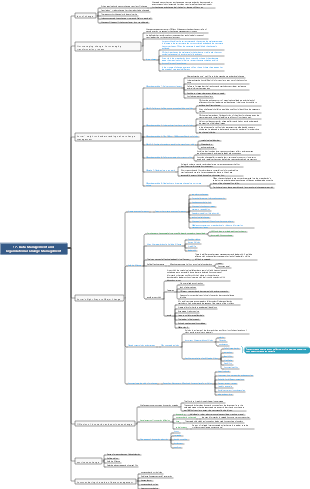
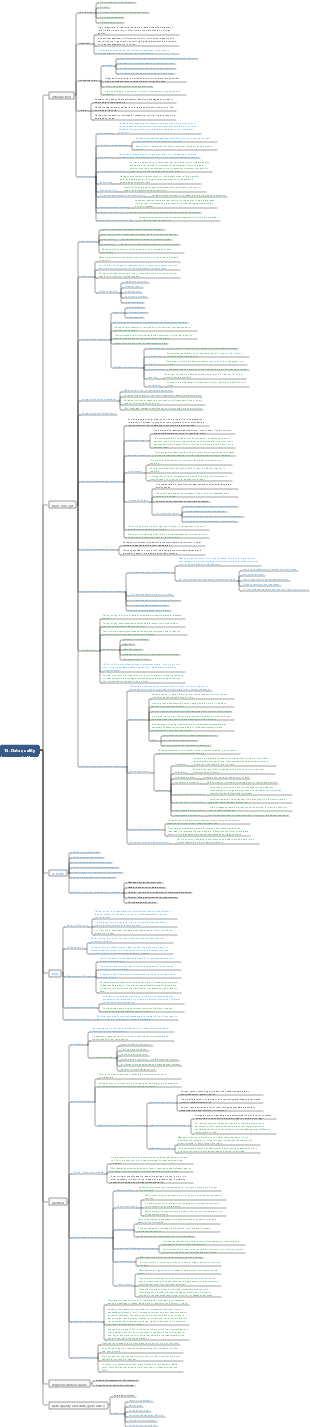
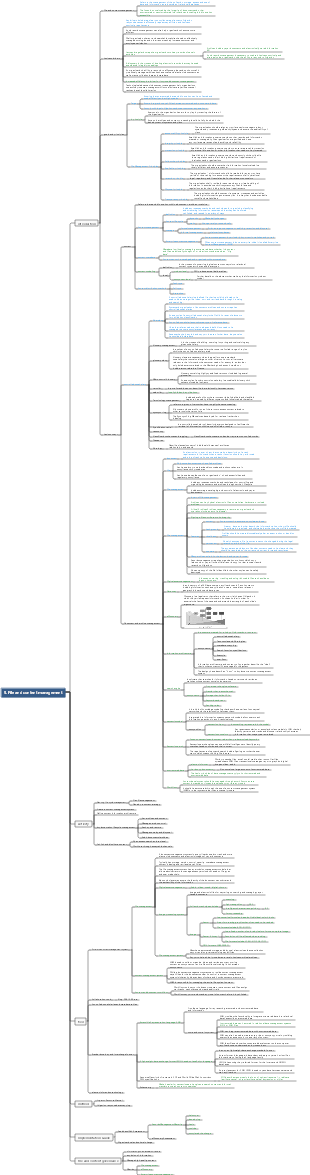
3. Data governance
introduction
Overview
1. Data management > Data governance
2. Data governance = 1/11 data management
3. Data governance: does not directly manage data
4. Data governance: is the management of data management
5. Core of data governance: organizational structure and regulations
data governance
definition
is the exercise of authority and control over the management of data assets, including planning, monitoring and implementation
Function
is the activity that guides all other areas of data management
Purpose
Ensure data is managed correctly in accordance with data management policies and best practices
the difference
The overall driver of data management
Ensure organizations can derive value from data
data governance
Focus on how decisions are made about data and how people and processes behave around data
content
Strategy, systems, standards and quality, oversight, compliance, issue management, data management projects, data asset valuation
Audit/Accounting/Governance
Rather than inventing new concepts, data management experts can apply concepts and principles from other governance to data governance
Auditing, accounting, and data governance are often compared together, with auditors and treasurers setting the rules for managing financial assets, data governance experts setting the rules for managing data assets, and then other areas enforcing those rules
Data governance is not a one-time exercise
Governance data is an ongoing program that ensures an organization remains focused on deriving value from data and mitigating data-related risks.
IT governance
Data governance should be distinguished from IT governance
The role of IT governance is to ensure that IT strategies and investments are consistent with corporate goals and strategies
IT governance makes decisions about IT investment, IT application portfolio and IT project portfolio, and from another perspective also includes hardware, software and overall technology architecture.
Data governance focuses solely on managing data assets and data as assets
business drivers
common
The most common driver of data governance is regulatory compliance, especially in key monitoring industries such as finance and healthcare.
The rapid development of senior analysts and data scientists has also become a new driving force
The data governance of many organizations is driven by their business information management needs, such as master data management
focus
reduce risk
general risk
Data Security
privacy
Improve process
Regulatory Compliance
Data quality improvement
Metadata management
Project development efficiency
Supplier management
goals and principles
Target
The goal of data governance is to enable organizations to manage data as an asset
Improve enterprise's ability to manage data assets
Define, approve, communicate and implement data management principles, policies, procedures, metrics, tools and responsibilities
Monitor and direct policy compliance, data usage and management activities
Data governance provides governance principles, systems, processes, overall framework, and management indicators, supervises data asset management, and guides activities at all levels in the data management process.
data governance procedures
sustainable development
It does not end with a project, but is an ongoing process
Is management change that goes beyond disposable data governance components to implement a sustainable path
Embedded
Data governance is not an add-on management process
Data governance activities need to integrate software development methods, data analysis applications, master data management and risk management
measurable
Data governance done well has a positive financial impact, but proving this requires understanding the starting process and planning measurable improvements
Basic principles of data governance
Implementing a data governance plan requires a commitment to change
leadership and strategy
Successful data governance starts with vision and committed leadership, with a data strategy guiding data management activities and being driven by the enterprise's business strategy
business driven
Data governance is a business management program, so IT decisions related to data must be managed just as data-related business activities are managed
shared responsibility
Business Data Management Specialists and Data Management Professionals share the responsibility
multifaceted
Data governance activities occur at the enterprise level and at the local level, but often at levels in between
framework based
Since governance activities require coordination across organizational functions, an operational framework must be established for data governance projects to define their respective responsibilities and work content.
principle oriented
Guiding principles are the basis for data governance activities, especially data governance strategies
basic concept
Data governance and data management
Data governance amounts to separating the responsibilities of oversight and enforcement
data governance
overall perspective
Ensure data is managed appropriately rather than managing data directly
Data management
execution perspective
Manage data to achieve established goals
data-centric organization
Data-centric organizations value data as an asset
Manage at all stages of the lifecycle
Data is no longer ancillary to processes and business products
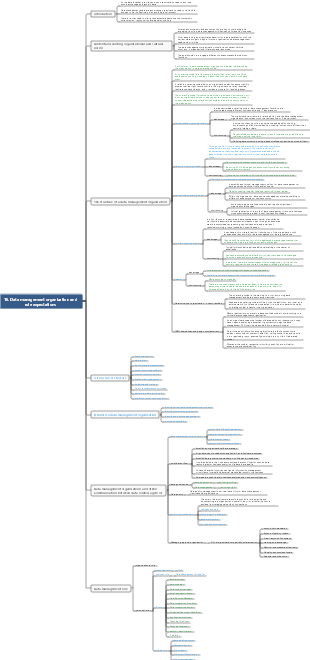
data governance organization
Data governance can be understood from the perspective of political governance
Legislative functions
Define policies, standards and enterprise architecture
judicial functions
Issue management and escalation
perform functions
Protect and Serve, Stewardship Responsibilities
data governance organization
Legislative functions
Define policies, standards and enterprise architecture
judicial functions
Issue management and escalation
law enforcement functions
Protect and Serve, Stewardship Responsibilities
There can be multiple tiers to address issues at different levels within the enterprise—local, departmental, and enterprise-wide
Data Governance Steering Committee
Chairman, Secretary, CEO
The primary and highest authority on data governance in an organization, assisting in overseeing, supporting and funding data governance activities
Composed of cross-functional senior managers
Funding of data governance initiated activities, usually based on advice from the CDO/DGC
The committee may in turn receive higher levels of oversight
Data Governance Committee
Manage data governance planning (such as the development of systems and indicators), issue and escalation handling
Approve and publish
Data Governance Office
Maintains an ongoing focus on enterprise-wide data definitions and data management standards across all DAMA knowledge areas, consisting of coordinating roles known as data stewards, data custodians, and data owners
Data management team
Collaborate and consult with the project team on data definition and data management standards, etc., composed of members focusing on one or more areas or projects, including business data managers, technical data managers or data analysts
Compile and draft various systems/indicators
local data management committee
Large organizations may have department-level or data governance steering committees distributed under the guidance of the enterprise data governance committee (DGC). Small organizations should avoid this complex setup.
Data governance operating model types
centralized
distributed
federal
Data management responsibilities
Data management activities are concentrated in the following sections
Create and manage core metadata
A glossary of business terms usually compiled by management specialists becomes a recording system of business terms related to data
Document rules and standards
Meeting expectations for high-quality data, often based on business process specifications for creating and using data
Manage data quality issues
Data stewards are typically involved in identifying, resolving, or facilitating the resolution of data-related issues.
Execute data governance operational activities
The data management specialist is responsible for ensuring that the data governance system and plan are followed in daily work or every project
Data management job types
Data Management Specialist
Represent the interests of others and manage data assets in the best interests of the organization
Chief Data Management Specialist
Alternative role for the CDO, serving as chair of the data governance body and perhaps even a high-level sponsor
Senior Data Management Specialist
They are senior managers of the Data Governance Council DGC
Enterprise Data Management Specialist
They oversee the data function across business areas
Business Data Management Specialist
They are business domain professionals, often recognized domain experts, with responsibility for a data domain
data owner
They are a business data steward and have decision-making authority over the data in their domain
Technical Data Management Specialist
They are IT professionals in a certain knowledge area, such as data integration specialists, database administrators, business intelligence specialists, data analysts or metadata administrators
Coordinating Data Management Specialist
This is particularly important in large organizations, where they lead and represent business management professionals and technical management professionals in discussions across teams or between data professionals.
data system
Includes a brief description of the original intention of data governance management and basic relevant rules
is global
Describe the "what" of data governance (dos and don'ts), while standards and rules describe the "how" of data governance
The data system should be relatively few and try to use simple and direct expressions.
Data asset valuation
definition
Is the process of understanding and calculating the economic value of data to an organization
Most stages of the data lifecycle involve costs (including acquiring data, storage, management, and disposal)
Data is only valuable when used, and while used it also incurs costs associated with risk management
Therefore, the value is shown when the economic benefits of using data outweigh the above costs
How to measure value
replacement cost
The cost of data replacement or recovery in the event of a catastrophic data corruption event or data outage
Market value
The value as a business asset in the event of a merger or acquisition of a business
Discover business opportunities
The revenue value obtained by discovering business opportunities from data (business intelligence) through transaction data or sales data
Sales data
Some organizations package data for product or sales insights gained from the data
risk cost
It is based on a valuation of potential fines, remediation costs and litigation expenses
Risks from legal or regulatory risks include
Missing required data
There is data that should not be retained
Incorrect data causes damage to customers, company finances and reputation
Risk reduction or risk cost reduction
Activity
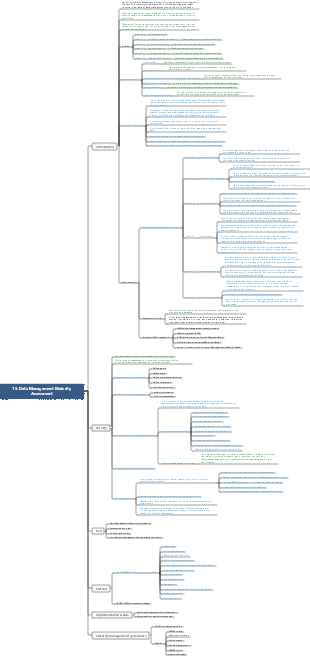
Plan your organization’s data governance
Perform readiness assessment
Assessing the current organization's information management capabilities, maturity, and effectiveness is critical to developing a data governance plan
include
Data management maturity
Change ability
Collaboration preparation
Align with the business
Discovery aligns with business
Data governance projects must be able to find and deliver specific value to contribute to the organization
Develop organizational touchpoints
Develop a data governance strategy
Deliverables
Charter
Operational framework and responsibilities
Implementation roadmap
Plan for successful operations
Define the data governance operational framework
Building the organization’s operating framework The following aspects need to be considered when
The value of data to the organization
Organizations that treat data as their most valuable transaction will need an operating model that reflects the role of data
For organizations where data is the lubricant of operations, data governance is less serious
business model
Decentralization vs. centralization, localization vs. internationalization, etc. are factors that influence how business happens and how the data governance operating model is defined.
cultural factors
Developing a governance strategy requires promoting an operating model that is consistent with the organizational culture while continuously making changes.
regulatory impact
More regulated organizations have different operating models with a different data governance mindset than less regulated organizations
Establish goals, principles, and systems
Drive data management projects
Key to driving data governance projects is articulating ways data management can improve efficiency and reduce risk
If organizations want to get more value from their data, they need to effectively prioritize or improve their data management capabilities.
Participate in change management
Participate in issue management
Issue management is the process of identifying, quantifying, prioritizing, and resolving issues related to data governance
Data issue management is very important and improvements in data management and quality are demonstrated through problem solving
Assess regulatory compliance requirements
Implement data governance
Data governance cannot be achieved overnight, and the best approach is to create an implementation roadmap that illustrates the relationships between different activities and the overall time frame. In a federated data organization, data governance for different lines of business can be performed on different timelines based on their involvement, maturity, and funding sources.
include
Initiate data standards and protocols
By adopting a standard, an organization only needs to make a decision once and codify it into a set of implementation details, rather than having to make the same decision again for each project.
Data standards are often drafted by data management professionals
Data standards should be reviewed, approved and adopted by a data governance office or an authorized working group such as the Data Standards Steering Committee
Develop a business glossary
Data management specialists are usually responsible for organizing the content of business data tables
Since people have different speaking habits, it is necessary to establish a glossary
Because data represents something other than itself, clear definition of data is particularly important
Target
Have a shared understanding of core business concepts and terminology
Reduce the risk of data errors due to inconsistent understanding of business concepts
Improve alignment between technical assets, including technical naming conventions, and business organizations
Maximize search capabilities and enable access to documented organizational knowledge
Coordinate architecture team collaboration
Data governance board supports and approves data architecture
Initiate data asset valuation
The data governance committee should organize relevant work and set standards for this
Embed data governance
One goal of the data governance organization is to embed governance activities into the set of processes related to the management of data as an asset
Ongoing operations of data governance require planning
Continuity means taking action to ensure processes and funding are in place to ensure sustainable execution of the data governance organizational framework
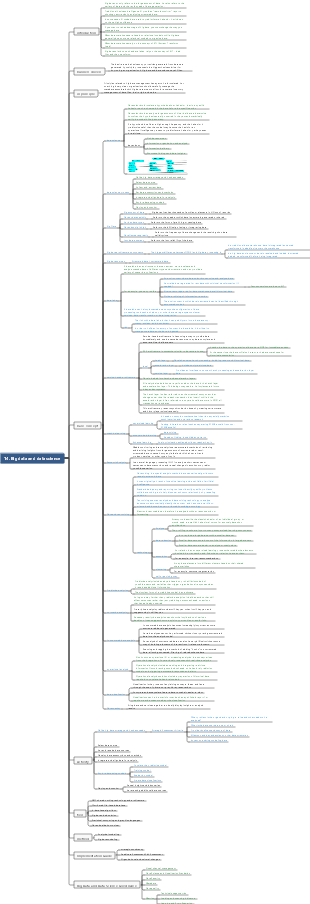
Tools and methods
Before choosing a tool to work on some specific function (such as a business glossary solution), organizations should select the right tool by defining their overall governance goals and needs.
Online application/website
Data governance should also be visible, with core documentation available through a central portal or collaboration portal
Through LOGO and unified visual display, it can help establish a corresponding brand on a website
business glossary
The business glossary is a core tool for data governance
IT needs to agree on definitions of business terms and relate definitions to data
Workflow tools
Larger organizations may consider using powerful workflow tools to manage processes. Connect processes to documents through these tools, which is useful in policy management and problem resolution
Document management tools
Assist in managing policies and procedures
Data Governance Scorecard
Reporting to the Data Governance Committee and Data Governance Steering Committee through automated scorecards
Implementation Guide
organization and culture
Adjust and communicate
Metrics
value indicator
Contribution to business goals
risk reduction
Improved operational efficiency
effectiveness index
achievement of goals
Expanding relevant tools that data stewards are using
communication effectiveness
effectiveness of training
Speed of adoption of change
sustainability indicators
Implementation of systems and procedures
Compliance with standards and procedures