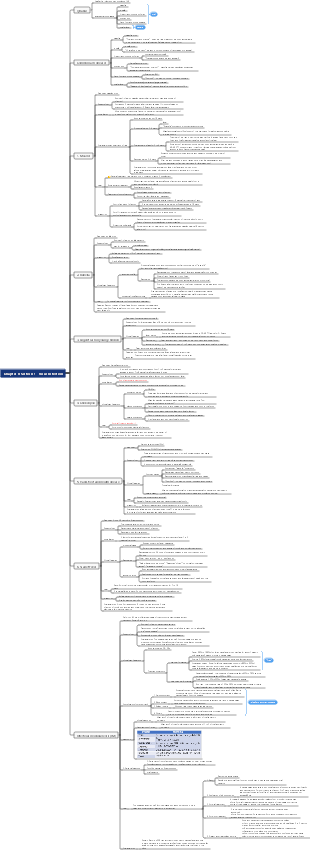
MindMap Gallery Medicine Chapter 12 - Urinary System Diseases
Glomerulonephritis and nephrotic syndrome include the anatomical and physiological characteristics of the urinary system in children, acute glomerulonephritis, nephrotic syndrome, etc.
Edited at 2023-12-07 22:51:55本テンプレートは、日本人に人気の海外リゾート地「ハワイ・オアフ島」を対象とした、5 日間の充実したモデル旅行プランを体系化したマインドマップです。初めてハワイを訪れる旅行者、リピーター、家族連れやカップルなど、多様なニーズに対応するため、旅行基本情報・持ち物チェックリスト・5 日間詳細スケジュール・オプションプラン・事前準備情報の 5 つの軸で構成されています。対象読者は日本からオアフ島へ旅行を計画中の 20〜50 代の旅行者であり、成果指標としては、情報の網羅性(渡航手続きから現地体験まで必要な項目が過不足なく含まれているか)、実用性(移動時間や費用、予約のタイミングなどの正確さ)、体験の充実度(自然・文化・アクティビティ・食事のバランス)を測定します。 ユーザーニーズ分析では、渡航準備・現地移動・体験プラン・安全情報の 4 領域を掘り下げます。渡航準備においては、ESTA 申請、飛行機の予約、為替、パスポートの有効期限、海外旅行保険など、事前に整えるべき情報が不足していると計画が難しくなります。求められる価値としては、渡航に必要な手続きの流れ、必要な持ち物リスト、季節別の服装アドバイス、現地で使えるアプリや連絡先などが考えられます。現地移動では、ワイキキ内の徒歩・バス移動、レンタカーの利用方法、空港からのアクセス、交通機関のルール(右側通行など)が主な関心事です。悩みとしては、バスの路線が分からない、レンタカーの予約手続きが不安、現地での移動時間の目安が分からないなどが挙げられます。体験プランでは、ビーチでのんびり、ダイヤモンドヘッドのハイキング、ノースショアでのサーフィン、ハレイワタウン散策、ポリネシアン・カルチャーセンターでの文化体験など、オアフ島の魅力を網羅したプランが求められます。悩みとしては、限られた日数で主要スポットを効率よく回れない、予算に合ったアクティビティの選び方が分からない、人気のレストランやショップの情報が不足しているなどが挙げられます。安全情報では、ハワイ特有の注意点(紫外線対策、海での安全ルール、治安情報)、緊急時の連絡先、現地でのトラブル対応方法など、旅行者が不安に感じる点を整理することが重要です。 5 日間のモデルコースでは、各日のテーマを明確に設定し、体験のバランスを考慮しています。1 日目は「到着日・ワイキキ慣らし」として、ホノルル国際空港に到着後、ワイキキのホテルにチェックインし、夕方からワイキキビーチでのんびりしたり、夜は地元料理を味わったりして、ハワイの雰囲気に慣れる行程です。2 日目は「自然体験&ショッピング」として、午前中にダイヤモンドヘッドのハイキングに挑戦し、午後はアラモアナセンターやワイキキでショッピングを楽しみ、夜はハワイアン・ルアウショーを鑑賞する行程です。3 日目は「歴史文化巡り」として、イオラニ宮殿やパールハーバー(真珠湾)を訪れてハワイの歴史に触れ、午後はダウンタウンホノルルで街歩きをし、夜はインターナショナルマーケットプレイスで食事や買い物を楽しむ行程です。4 日目は「北海岸&大自然体験」として、オプションでノースショアへ向かい、ハレイワタウンで散策したり、サーフィンを体験したり、美しいビーチでのんびり過ごす行程で、夜はワイキキに戻って食事を楽しみます。5 日目は「最終日・思い出作り」として、午前中にワイキキビーチでの最後の散策や、お土産を買いに街を巡り、午後は空港へ移動して帰国する行程です。各日には、おすすめの時間帯、混雑しにくいタイミング、予約が必要なアクティビティの情報などを付け加え、実際に旅行する際の参考になるよう工夫しています。 また、テンプレートには持ち物チェックリストも含まれており、パスポート・ESTA、海外旅行保険証書、現金・クレジットカード、日焼け止め・帽子・サングラス、歩きやすい靴、薬、充電器など、海外旅行に必要なアイテムをリストアップしています。さらに、事前準備情報として、ネット環境の確保、現地で使えるアプリ、緊急連絡先、季節別の服装アドバイスなども記載し、旅行者の不安を解消するようサポートします。 EdrawMind のマインドマップ機能を活用することで、ユーザーは自身の旅行スタイルに合わせて行程を追加・削除したり、好みのアクティビティをハイライトしたりすることができます。例えば、ゆっくりリゾートを楽しみたい方はショッピングやハイキングの時間を減らしてビーチでの時間を増やしたり、アクティブに過ごしたい方はノースショアでのサーフィンやダイビングを追加したりするなど、カスタマイズも自由自在です。このテンプレートは、オアフ島の旅行計画を立てる際の基盤として活用することを想定しており、主要な情報が一目で分かるよう整理されているため、初めてハワイを

本テンプレートは、古都・奈良の世界遺産、鹿とのふれあい、歴史的な雰囲気を存分に楽しむための 1 泊 2 日旅行プランを体系化したマインドマップです。修学旅行や短期文化旅行、週末の小旅行に人気の奈良を対象に、イメージ・種類・交通・宿泊の 4 つの基本軸を設け、2 日間の具体的な行程を時系列で整理しています。対象読者は大阪・京都在住の 20〜40 代の一人旅・カップル・家族連れ、初めて奈良を訪れる旅行者、世界遺産や日本文化に興味のある層であり、成果指標としては、行程の網羅性(主要スポットが過不足なく含まれているか)、実用性(移動時間や混雑情報の正確さ)、体験の充実度(鹿とのふれあい・文化体験の満足度)を測定します。 ユーザーニーズ分析では、行程・体験・交通・注意点の 4 領域を掘り下げます。行程においては、「東大寺」「春日大社」「奈良国立博物館」といった世界遺産の回り方、「奈良公園」での鹿とのふれあい、「奈良町」の古い町並み散策がユーザーの関心事となります。悩みとしては、限られた時間で主要スポットを効率よく回れない、鹿との接し方が分からない、徒歩移動の負担が心配などが挙げられます。求められる価値としては、時間帯別のおすすめルート、鹿と安全に接するためのマナー説明、無理のない徒歩移動のための休憩ポイント案内が考えられます。体験面では、鹿せんべいの購入場所や与え方、春日大社の灯篭や御朱印の魅力、奈良町のカフェや伝統工芸体験など、現地でしか味わえない体験情報が求められます。交通においては、奈良市内のバス路線や一日券の情報、主要スポット間の徒歩時間、雨天時の移動手段など、事前に知っておくべき情報が不足していると計画が難しくなります。注意点では、天候対策(夏の暑さや冬の寒さ)、スケジュールのゆとり作り、写真撮影のルールやマナー、ゴミの持ち帰りなど、旅行者が見落としがちな点を整理することが重要です。 行程の中でも、特に人気の高いスポットには詳細な情報を盛り込んでいます。「東大寺」は世界遺産に登録されており、奈良時代に建立された日本を代表する寺院で、世界最大級の木造建築物である大仏殿や、高さ約 15 メートルの盧舎那仏(奈良の大仏)が有名です。事前にコインロッカーに荷物を預けて身軽になってから訪れることで、ゆっくりと境内を散策できるほか、大仏殿の柱の穴をくぐると「厄除けになる」という言い伝えもあり、多くの観光客が体験しています。「奈良公園」は東大寺や春日大社を含む広大な公園で、約 1,300 頭の野生の鹿が自由に生息しており、鹿せんべいを使って鹿とふれあうことができます。ただし、鹿は野生動物であるため、エサの与え方や触れ方には注意が必要で、事前にルールを確認しておくことが推奨されます。「春日大社」は朱色の社殿と美しい灯篭が特徴的な世界遺産で、参道には 3,000 基を超える石灯篭が並び、神聖な雰囲気を醸し出しています。特に夜間にライトアップされた灯篭は幻想的で、写真撮影にも人気です。 1 泊 2 日のモデルコースでは、初日に東大寺・奈良公園・春日大社を巡り、夜は奈良町の古い町並みを散策して地元料理を味わう行程を提案しています。二日目には、若草山から奈良の街並みを一望した後、興福寺や奈良国立博物館を訪れ、奈良町で伝統工芸体験やカフェ巡りを楽しんでから帰路に就く流れとなっています。各スポットには、徒歩時間や混雑しにくい時間帯、おすすめの食事処などの情報を付け加え、実際に旅行する際の参考になるよう工夫しています。また、旅行の注意点として、スケジュールは体調に合わせて無理のないペースで調整すること、天候に合わせて水分補給や防寒・防暑対策を徹底すること、神社仏閣での写真撮影ルールを守ることなどを記載し、安全で快適な旅行をサポートします。 EdrawMind のマインドマップ機能を活用することで、ユーザーは自身の旅行スタイルに合わせて行程を追加・削除したり、好みのスポットをハイライトしたりすることができます。一人旅向けには静かなカフェ巡りを追加したり、家族連れ向けには鹿とのふれあい体験を充実させたりするなど、カスタマイズも自由自在です。このテンプレートは、奈良の旅行計画を立てる際の基盤として活用することを想定しており、主要な情報が一目で分かるよう整理されているため、初めて奈良を訪れる方でも安心して旅行を楽しむことができます。
本テンプレートは、東京から約90分でアクセス可能な温泉・富士山・美術館が融合したリゾート地「箱根」の週末旅行ガイドを体系化したマインドマップです。カップルや家族連れに人気の週末旅行先として、交通アクセス、観光スポット、名物料理の3軸で構成され、効率的な旅行計画と満足度の高い体験を実現することを目的としています。対象読者は東京在住の20〜40代のカップル・家族連れ、初めて箱根を訪れる旅行者、週末の小旅行を計画中の層であり、成果指標としては、情報の網羅性(必要な項目が過不足なく含まれているか)、実用性(実際の移動時間や料金の正確さ)、満足度(モデルプランの再現性)を測定します。 ユーザーニーズ分析では、交通アクセス、観光スポット、グルメの3領域を掘り下げます。交通アクセスにおいては、東京からの行き方(小田急ロマンスカー約85分・指定席、新宿→箱根湯本、普通電車約2時間・乗換2回)、箱根内の移動手段(登山電車・バス・ケーブルカー・ロープウェイ)、お得な周遊券(箱根フリーパス・2日券)の情報が不足していると計画が難しくなります。求められる価値としては、交通機関別の所要時間・料金・乗換回数を比較した表、周遊券の特典内容(主要観光施設の割引)と購入場所、移動手段ごとのメリット・デメリットが考えられます。観光スポットでは、「箱根ガラスの森美術館」「クモ箱根(早雲山駅)」「芦ノ湖の夕暮れ遊覧船」などが代表的です。悩みとしては、美術館や自然スポットが多すぎて選べない、夕暮れ時の遊覧船のベストタイミングが分からない、写真映えするスポットを知りたいなどが挙げられます。価値ある情報として、おすすめスポットの特徴と所要時間、夕暮れ時の撮影ポイント、カップル向け・家族向けの選別基準を提供します。名物料理では、「黒たまご(大涌谷)」「温泉豆腐」などが代表的です。悩みは、どこで何を食べれば良いか分からない、観光地価格に見合う価値があるか、アレルギーや食事制限への対応などです。求められる価値として、名物料理の特徴とおすすめ店舗、価格帯、食べるタイミング(例:黒たまごは大涌谷観光の合間に)を整理します。 カップルにおすすめスポットとして、「箱根ガラスの森美術館」はユネスコ世界遺産(※正確には箱根地域全体がジオパークに認定されていますが、イメージとして)の美しい庭園とガラス作品が魅力です。写真はイメージですが、実際の訪日客にも人気のスポットです。名物料理のセクションでは、「黒たまご」は大涌谷の火山活動を利用して茹でられた卵で、殻が黒くなるのが特徴です。伝統的な名物料理として、食べると寿命が延びると言われています。「温泉豆腐」も地元の温泉を利用した料理で、なめらかな食感が特徴です。これらの情報をマップ上で可視化し、移動ルートと組み合わせることで、無駄のない観光計画が立てられます。 成功するための具体施策としては、主要スポットを時系列で結んだ「1泊2日モデルコース」を提供する(例:1日目:新宿→箱根湯本→登山電車→強羅→大涌谷→芦ノ湖遊覧船→宿泊、2日目:箱根ガラスの森美術館→箱根湯本→帰京)、各スポットの「混雑予想時間帯」と「穴場時間帯」をデータで示す(例:芦ノ湖遊覧船は夕暮れ時が混雑するが、その分景色は絶景)、名物料理を食べられる店舗の「営業時間・定休日・予約可否」をリスト化する、の3点が有効です。よくある失敗とその回避策としては、移動手段の乗換えが複雑で迷ってしまうケースでは箱根フリーパスの活用と事前のルート確認を推奨すること、観光スポットの滞在時間を見誤って計画が詰まりすぎるケースでは余裕を持ったスケジューリングと優先順位付けをアドバイスすること、天候によって富士山が見えない場合の代替プラン(雨天でも楽しめる美術館や温泉施設)を用意しておくことが有効です。本テンプレートは、週末旅行ガイドのコンテンツを計画・評価する際の基盤として活用することを想定しています。
本テンプレートは、日本人に人気の海外リゾート地「ハワイ・オアフ島」を対象とした、5 日間の充実したモデル旅行プランを体系化したマインドマップです。初めてハワイを訪れる旅行者、リピーター、家族連れやカップルなど、多様なニーズに対応するため、旅行基本情報・持ち物チェックリスト・5 日間詳細スケジュール・オプションプラン・事前準備情報の 5 つの軸で構成されています。対象読者は日本からオアフ島へ旅行を計画中の 20〜50 代の旅行者であり、成果指標としては、情報の網羅性(渡航手続きから現地体験まで必要な項目が過不足なく含まれているか)、実用性(移動時間や費用、予約のタイミングなどの正確さ)、体験の充実度(自然・文化・アクティビティ・食事のバランス)を測定します。 ユーザーニーズ分析では、渡航準備・現地移動・体験プラン・安全情報の 4 領域を掘り下げます。渡航準備においては、ESTA 申請、飛行機の予約、為替、パスポートの有効期限、海外旅行保険など、事前に整えるべき情報が不足していると計画が難しくなります。求められる価値としては、渡航に必要な手続きの流れ、必要な持ち物リスト、季節別の服装アドバイス、現地で使えるアプリや連絡先などが考えられます。現地移動では、ワイキキ内の徒歩・バス移動、レンタカーの利用方法、空港からのアクセス、交通機関のルール(右側通行など)が主な関心事です。悩みとしては、バスの路線が分からない、レンタカーの予約手続きが不安、現地での移動時間の目安が分からないなどが挙げられます。体験プランでは、ビーチでのんびり、ダイヤモンドヘッドのハイキング、ノースショアでのサーフィン、ハレイワタウン散策、ポリネシアン・カルチャーセンターでの文化体験など、オアフ島の魅力を網羅したプランが求められます。悩みとしては、限られた日数で主要スポットを効率よく回れない、予算に合ったアクティビティの選び方が分からない、人気のレストランやショップの情報が不足しているなどが挙げられます。安全情報では、ハワイ特有の注意点(紫外線対策、海での安全ルール、治安情報)、緊急時の連絡先、現地でのトラブル対応方法など、旅行者が不安に感じる点を整理することが重要です。 5 日間のモデルコースでは、各日のテーマを明確に設定し、体験のバランスを考慮しています。1 日目は「到着日・ワイキキ慣らし」として、ホノルル国際空港に到着後、ワイキキのホテルにチェックインし、夕方からワイキキビーチでのんびりしたり、夜は地元料理を味わったりして、ハワイの雰囲気に慣れる行程です。2 日目は「自然体験&ショッピング」として、午前中にダイヤモンドヘッドのハイキングに挑戦し、午後はアラモアナセンターやワイキキでショッピングを楽しみ、夜はハワイアン・ルアウショーを鑑賞する行程です。3 日目は「歴史文化巡り」として、イオラニ宮殿やパールハーバー(真珠湾)を訪れてハワイの歴史に触れ、午後はダウンタウンホノルルで街歩きをし、夜はインターナショナルマーケットプレイスで食事や買い物を楽しむ行程です。4 日目は「北海岸&大自然体験」として、オプションでノースショアへ向かい、ハレイワタウンで散策したり、サーフィンを体験したり、美しいビーチでのんびり過ごす行程で、夜はワイキキに戻って食事を楽しみます。5 日目は「最終日・思い出作り」として、午前中にワイキキビーチでの最後の散策や、お土産を買いに街を巡り、午後は空港へ移動して帰国する行程です。各日には、おすすめの時間帯、混雑しにくいタイミング、予約が必要なアクティビティの情報などを付け加え、実際に旅行する際の参考になるよう工夫しています。 また、テンプレートには持ち物チェックリストも含まれており、パスポート・ESTA、海外旅行保険証書、現金・クレジットカード、日焼け止め・帽子・サングラス、歩きやすい靴、薬、充電器など、海外旅行に必要なアイテムをリストアップしています。さらに、事前準備情報として、ネット環境の確保、現地で使えるアプリ、緊急連絡先、季節別の服装アドバイスなども記載し、旅行者の不安を解消するようサポートします。 EdrawMind のマインドマップ機能を活用することで、ユーザーは自身の旅行スタイルに合わせて行程を追加・削除したり、好みのアクティビティをハイライトしたりすることができます。例えば、ゆっくりリゾートを楽しみたい方はショッピングやハイキングの時間を減らしてビーチでの時間を増やしたり、アクティブに過ごしたい方はノースショアでのサーフィンやダイビングを追加したりするなど、カスタマイズも自由自在です。このテンプレートは、オアフ島の旅行計画を立てる際の基盤として活用することを想定しており、主要な情報が一目で分かるよう整理されているため、初めてハワイを
本テンプレートは、古都・奈良の世界遺産、鹿とのふれあい、歴史的な雰囲気を存分に楽しむための 1 泊 2 日旅行プランを体系化したマインドマップです。修学旅行や短期文化旅行、週末の小旅行に人気の奈良を対象に、イメージ・種類・交通・宿泊の 4 つの基本軸を設け、2 日間の具体的な行程を時系列で整理しています。対象読者は大阪・京都在住の 20〜40 代の一人旅・カップル・家族連れ、初めて奈良を訪れる旅行者、世界遺産や日本文化に興味のある層であり、成果指標としては、行程の網羅性(主要スポットが過不足なく含まれているか)、実用性(移動時間や混雑情報の正確さ)、体験の充実度(鹿とのふれあい・文化体験の満足度)を測定します。 ユーザーニーズ分析では、行程・体験・交通・注意点の 4 領域を掘り下げます。行程においては、「東大寺」「春日大社」「奈良国立博物館」といった世界遺産の回り方、「奈良公園」での鹿とのふれあい、「奈良町」の古い町並み散策がユーザーの関心事となります。悩みとしては、限られた時間で主要スポットを効率よく回れない、鹿との接し方が分からない、徒歩移動の負担が心配などが挙げられます。求められる価値としては、時間帯別のおすすめルート、鹿と安全に接するためのマナー説明、無理のない徒歩移動のための休憩ポイント案内が考えられます。体験面では、鹿せんべいの購入場所や与え方、春日大社の灯篭や御朱印の魅力、奈良町のカフェや伝統工芸体験など、現地でしか味わえない体験情報が求められます。交通においては、奈良市内のバス路線や一日券の情報、主要スポット間の徒歩時間、雨天時の移動手段など、事前に知っておくべき情報が不足していると計画が難しくなります。注意点では、天候対策(夏の暑さや冬の寒さ)、スケジュールのゆとり作り、写真撮影のルールやマナー、ゴミの持ち帰りなど、旅行者が見落としがちな点を整理することが重要です。 行程の中でも、特に人気の高いスポットには詳細な情報を盛り込んでいます。「東大寺」は世界遺産に登録されており、奈良時代に建立された日本を代表する寺院で、世界最大級の木造建築物である大仏殿や、高さ約 15 メートルの盧舎那仏(奈良の大仏)が有名です。事前にコインロッカーに荷物を預けて身軽になってから訪れることで、ゆっくりと境内を散策できるほか、大仏殿の柱の穴をくぐると「厄除けになる」という言い伝えもあり、多くの観光客が体験しています。「奈良公園」は東大寺や春日大社を含む広大な公園で、約 1,300 頭の野生の鹿が自由に生息しており、鹿せんべいを使って鹿とふれあうことができます。ただし、鹿は野生動物であるため、エサの与え方や触れ方には注意が必要で、事前にルールを確認しておくことが推奨されます。「春日大社」は朱色の社殿と美しい灯篭が特徴的な世界遺産で、参道には 3,000 基を超える石灯篭が並び、神聖な雰囲気を醸し出しています。特に夜間にライトアップされた灯篭は幻想的で、写真撮影にも人気です。 1 泊 2 日のモデルコースでは、初日に東大寺・奈良公園・春日大社を巡り、夜は奈良町の古い町並みを散策して地元料理を味わう行程を提案しています。二日目には、若草山から奈良の街並みを一望した後、興福寺や奈良国立博物館を訪れ、奈良町で伝統工芸体験やカフェ巡りを楽しんでから帰路に就く流れとなっています。各スポットには、徒歩時間や混雑しにくい時間帯、おすすめの食事処などの情報を付け加え、実際に旅行する際の参考になるよう工夫しています。また、旅行の注意点として、スケジュールは体調に合わせて無理のないペースで調整すること、天候に合わせて水分補給や防寒・防暑対策を徹底すること、神社仏閣での写真撮影ルールを守ることなどを記載し、安全で快適な旅行をサポートします。 EdrawMind のマインドマップ機能を活用することで、ユーザーは自身の旅行スタイルに合わせて行程を追加・削除したり、好みのスポットをハイライトしたりすることができます。一人旅向けには静かなカフェ巡りを追加したり、家族連れ向けには鹿とのふれあい体験を充実させたりするなど、カスタマイズも自由自在です。このテンプレートは、奈良の旅行計画を立てる際の基盤として活用することを想定しており、主要な情報が一目で分かるよう整理されているため、初めて奈良を訪れる方でも安心して旅行を楽しむことができます。
本テンプレートは、東京から約90分でアクセス可能な温泉・富士山・美術館が融合したリゾート地「箱根」の週末旅行ガイドを体系化したマインドマップです。カップルや家族連れに人気の週末旅行先として、交通アクセス、観光スポット、名物料理の3軸で構成され、効率的な旅行計画と満足度の高い体験を実現することを目的としています。対象読者は東京在住の20〜40代のカップル・家族連れ、初めて箱根を訪れる旅行者、週末の小旅行を計画中の層であり、成果指標としては、情報の網羅性(必要な項目が過不足なく含まれているか)、実用性(実際の移動時間や料金の正確さ)、満足度(モデルプランの再現性)を測定します。 ユーザーニーズ分析では、交通アクセス、観光スポット、グルメの3領域を掘り下げます。交通アクセスにおいては、東京からの行き方(小田急ロマンスカー約85分・指定席、新宿→箱根湯本、普通電車約2時間・乗換2回)、箱根内の移動手段(登山電車・バス・ケーブルカー・ロープウェイ)、お得な周遊券(箱根フリーパス・2日券)の情報が不足していると計画が難しくなります。求められる価値としては、交通機関別の所要時間・料金・乗換回数を比較した表、周遊券の特典内容(主要観光施設の割引)と購入場所、移動手段ごとのメリット・デメリットが考えられます。観光スポットでは、「箱根ガラスの森美術館」「クモ箱根(早雲山駅)」「芦ノ湖の夕暮れ遊覧船」などが代表的です。悩みとしては、美術館や自然スポットが多すぎて選べない、夕暮れ時の遊覧船のベストタイミングが分からない、写真映えするスポットを知りたいなどが挙げられます。価値ある情報として、おすすめスポットの特徴と所要時間、夕暮れ時の撮影ポイント、カップル向け・家族向けの選別基準を提供します。名物料理では、「黒たまご(大涌谷)」「温泉豆腐」などが代表的です。悩みは、どこで何を食べれば良いか分からない、観光地価格に見合う価値があるか、アレルギーや食事制限への対応などです。求められる価値として、名物料理の特徴とおすすめ店舗、価格帯、食べるタイミング(例:黒たまごは大涌谷観光の合間に)を整理します。 カップルにおすすめスポットとして、「箱根ガラスの森美術館」はユネスコ世界遺産(※正確には箱根地域全体がジオパークに認定されていますが、イメージとして)の美しい庭園とガラス作品が魅力です。写真はイメージですが、実際の訪日客にも人気のスポットです。名物料理のセクションでは、「黒たまご」は大涌谷の火山活動を利用して茹でられた卵で、殻が黒くなるのが特徴です。伝統的な名物料理として、食べると寿命が延びると言われています。「温泉豆腐」も地元の温泉を利用した料理で、なめらかな食感が特徴です。これらの情報をマップ上で可視化し、移動ルートと組み合わせることで、無駄のない観光計画が立てられます。 成功するための具体施策としては、主要スポットを時系列で結んだ「1泊2日モデルコース」を提供する(例:1日目:新宿→箱根湯本→登山電車→強羅→大涌谷→芦ノ湖遊覧船→宿泊、2日目:箱根ガラスの森美術館→箱根湯本→帰京)、各スポットの「混雑予想時間帯」と「穴場時間帯」をデータで示す(例:芦ノ湖遊覧船は夕暮れ時が混雑するが、その分景色は絶景)、名物料理を食べられる店舗の「営業時間・定休日・予約可否」をリスト化する、の3点が有効です。よくある失敗とその回避策としては、移動手段の乗換えが複雑で迷ってしまうケースでは箱根フリーパスの活用と事前のルート確認を推奨すること、観光スポットの滞在時間を見誤って計画が詰まりすぎるケースでは余裕を持ったスケジューリングと優先順位付けをアドバイスすること、天候によって富士山が見えない場合の代替プラン(雨天でも楽しめる美術館や温泉施設)を用意しておくことが有効です。本テンプレートは、週末旅行ガイドのコンテンツを計画・評価する際の基盤として活用することを想定しています。
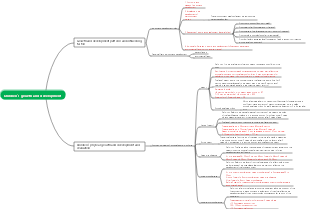
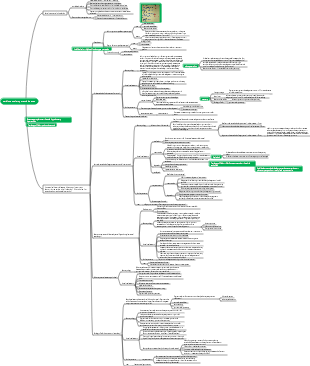
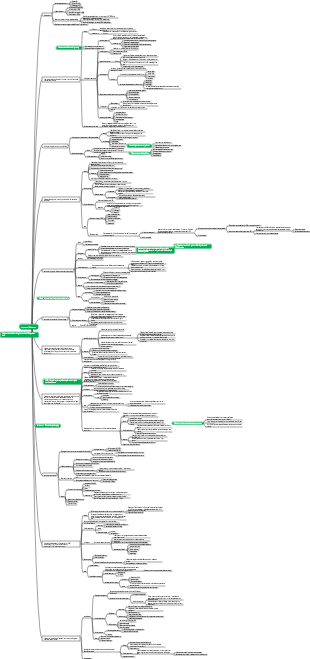
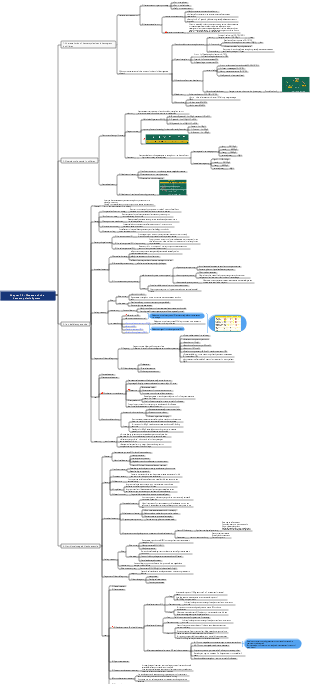
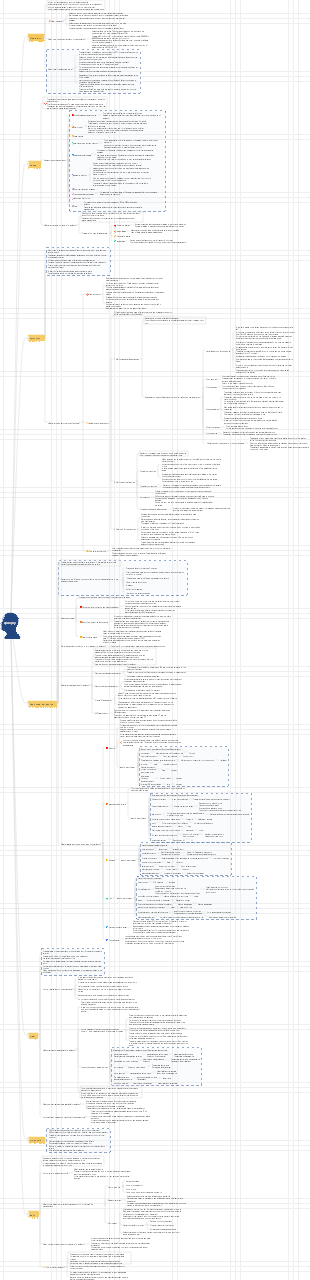
Chapter 12 - Urinary System Diseases
1. Anatomical and physiological characteristics of the urinary system in children
anatomical features
kidney
The younger the child, the heavier the kidneys.
The position is lower, reaching above the skeletal height when >2 years old.
ureter
The ureter is long and curved, and is easily compressed and twisted, causing obstruction. - Urinary retention may easily lead to infection.
bladder
The position of the infant's bladder is higher than that of older children. When the urine is full, it can be easily touched when pushed into the abdominal cavity.
urethra
Baby girls have a short urethra (1cm), and the external opening is exposed close to the anus, making them susceptible to infection.
Although the urethra of baby boys is longer, phimosis and foreskin are common, and they are also prone to infection.
Physiological characteristics
Glomerular filtration rate
●The glomerular filtration rate of newborns is low at birth, only 1/4 of that of adults, between 3 and 6 months of age It is 1/2 of an adult, 3/4 of an adult at 6 to 12 months, and reaches adult levels at 2 years of age. ●Serum creatinine (Cr): Different ages have different normal reference values.
tubular reabsorption
●Newborns have low renal glucose threshold and are prone to glycosuria. ●Insufficient intake may cause hyponatremia; ●Excessive input of sodium ions: can cause sodium and water retention. ● Within 10 days after birth, potassium excretion capacity is limited - avoid potassium ion input
Concentration and dilution functions
●Newborns and infants have poor urine concentration function - they are prone to dehydration when the amount is insufficient ●Although the dilution function is close to that of adults, due to the low GFR, the diuretic rate is slow - edema is easy to occur when the load is large or the infusion is too fast.
Acid-base balance function
●Poor ability to excrete acid and retain alkali - prone to acidosis
endocrine function
slightly
Urine and urine characteristics
1. Urination time and frequency
93% of newborns urinate within 24 hours after birth, and 99% urinate within 48 hours after birth. Babies urinate more often, 15 to 16 times a day is normal. The dosage for preschool and school-age children is similar to that of adults (6 to 7 times a day).
⒉. Urine output and oliguria and anuria standards
3. Properties of urine
(1) Urine color: Under normal circumstances, urine color is light yellow.
The newborn's urine is darker and slightly turbid in the first 2 to 3 days after birth; Because it contains mucus and more urate, the decomposition of urate can cause the diaper to be dyed light red.
Normal infant urine may have salt crystals precipitated after being left in the cold season. Urine becomes cloudy; Urine becomes clear after heating urate or adding acid to phosphate, which can be associated with pyuria or chyle. Urine identification.
(2) Urine pH
Newborn urine is acidic (contains more urate) The urine of infants and young children is close to neutral or slightly acidic.
(3) Urine specific gravity and osmotic pressure
The specific gravity of newborn urine is low (1.006~1.008), and the average osmotic pressure is 240mmol/L.
The specific gravity of children's urine is 1.011~1.025, and the average osmotic pressure is 500~800mmol/L.
(4) Urine routine
Microscopic examination of fresh urine sediment in normal children
●Red blood cells<3/HP
●White blood cells <5/HP
●Cases are absent or occasionally seen.
12h urine Addis count
●Red blood cells <500,000
●White blood cells <1 million
●Casts <5000 are considered normal.
(5) Urinary protein
●Normal children excrete only trace amounts of protein in their urine ●Qualitative test is negative: equivalent to excretion ≤100mg/(m^2·24h).
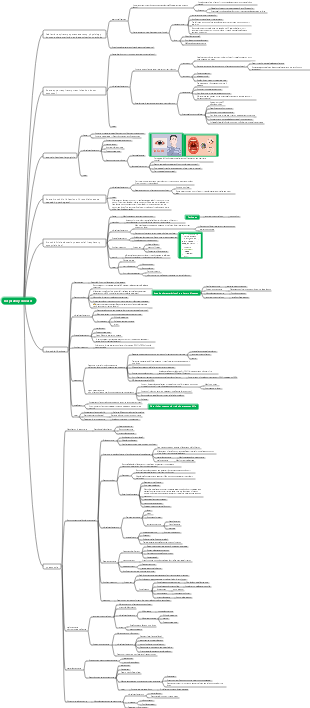
2. Acute glomerulonephritis
Overview
Abbreviated as acute nephritis, it refers to a group of immunoreactive acute diffuse glomerulitis lesions caused by infection with different pathogens. It mostly occurs in older children over 5 years old, with the highest incidence occurring between 5 and 14 years old. Clinical onset is acute, with a history of prodromal infection, mainly hematuria, accompanied by varying degrees of proteinuria, and may include edema and hypertension.
Pathophysiology
The capillary lumen narrows, Decreased glomerular filtration
water and sodium retention
circulatory congestion
heart failure
hypertension
Hypertensive encephalopathy
nonpitting edema
Cause
The immune response after infection is mostly group A beta-hemolytic streptococcal post-infectious nephritis (APSGN).
clinical manifestations
There is often a history of streptococcal pre-infection in the respiratory tract and skin 1 to 4 weeks before the onset of illness.
tonsillitis
Pyoderma
(1) Typical cases
1. Hematuria
2. Reduced urine output
3. Edema
①The earliest and most common symptoms ②Downside ③Non-dentability
4. High blood pressure
5. Proteinuria - minor
(2) Serious cases
It usually occurs within 1 to 2 weeks after the onset of illness. In addition to the above typical symptoms, one or more of the following symptoms occur:
① Severe circulatory congestion - like heart failure, but not heart failure
Symptoms include worsening oliguria, irritability, rapid breathing, or even difficulty breathing, coughing up powdery and foamy sputum, moist rales in both lungs, increased heart rate, galloping rhythm, hepatomegaly, etc.
② Hypertensive encephalopathy
Symptoms include severe headache, nausea and vomiting, double vision or transient blindness, and in severe cases, convulsions and coma. Blood pressure is often above 150~160/100~110mmHg
③Acute renal insufficiency - azotemia
It manifests as increased oliguria or anuria, edema, azotemia, electrolyte imbalance and metabolic acidosis.
(3) Atypical cases (understanding)
1. Asymptomatic APSGN
——Only microscopic hematuria and decreased blood C3, but no typical manifestations of acute nephritis.
⒉Extrarenal symptomatic acute nephritis
——There is a history of streptococcal pre-infection and typical manifestations (edema, hypertension), while the urine changes are slight or the urine routine is normal.
3. Acute nephritis manifested by nephrotic syndrome
——It starts with acute nephritis, but the edema and massive proteinuria are prominent, and there may be mild hypoalbuminemia. It is easy to be misdiagnosed as nephritic nephrotic syndrome.
Auxiliary inspection
1.Urine test
Increased red blood cells in urine, indicating glomerular hematuria
Urinary protein is mostly large ~ and a variety of casts can be seen.
In the early stage of the disease, white blood cells and epithelial cells may be present, which is not caused by infection.
⒉ Blood test
Mild anemia is common, mostly due to blood dilution.
White blood cells are slightly elevated or normal.
The erythrocyte sedimentation rate (ESR) is often slightly increased.
3. Serum complement measurement (necessary for diagnosing nephritis!)
Serum C3 is significantly reduced early in the course of the disease and returns to normal within 6 to 8 weeks.
Those who do not recover within 8 weeks should consider other glomerular diseases.
4. Antistreptolysin “O” (evidence of strep infection!)
It will increase frequently (it may not increase if it is caused by early use of penicillin or pyoderma)
Return to normal after 3 to 6 months.
5. When combined with acute renal insufficiency, renal function and electrolytes may be abnormal.
Diagnosis and Differential Diagnosis
(1) Diagnosis basis of APSGN
History of previous infection
Generally, there is a history of skin or respiratory streptococcus infection 1 to 4 weeks before the onset of illness;
clinical manifestations
①Acute onset ② Symptoms such as edema, oliguria, hematuria, and hypertension; ③Urine routine showed hematuria with proteinuria, and granular or transparent casts were visible.
laboratory
Decreased blood complement C3, with or without increased ASO
(2) Differential diagnosis
1. Acute glomerulonephritis after infection with other pathogens
⒉Rapidly progressive nephritis
3. Acute urinary tract infection
4.lgA nephropathy
5. Membranoproliferative nephritis
6. Secondary nephritis
7. Acute attack of chronic nephritis
treat
The disease is self-limiting and has no specific treatment.
The main measures are rest, diet and symptomatic treatment.
rest
① In the acute stage, stay in bed for 2 to 3 weeks until the gross hematuria disappears, the edema subsides, and the blood pressure becomes normal. You can get out of bed and do light activities. ② If the erythrocyte sedimentation rate is normal, you can go to school, but strenuous activities should be avoided. ③You can participate in sports activities after the urine Addis count is normal.
diet
1. People with edema and high blood pressure should limit salt and water as early as possible, and gradually transition from low-salt to regular food after the swelling subsides and blood pressure becomes normal.
Prolonged salt deprivation should be avoided
2. When there is obvious ammoniaemia - only when there is obvious azotemia, limit protein intake and give high-quality protein (milk, eggs, lean meat and fresh fish), 0.5g/ (kg·d ) is appropriate.
Anti-infective
Purpose: to remove residual infection foci.
Drugs: Give penicillin for 10 to 14 days; switch to macrolide antibiotics for allergic patients
Symptomatic treatment
diuretic
For those who still have edema after restricting water/salt, use it as appropriate. ①Hydrochlorothiazide: 1~2mg/kg, orally divided into 2~3 times ② Furosemide: 1 to 2 times a day, 1 to 2 mg/kg each time, intravenously
hypotensive
After rest → water/salt restriction → diuresis, those whose blood pressure is still high should be given antihypertensive drugs. ① Commonly used: Nifedipine (Xintongding) taken orally ②Also available: Captopril.
Treatment of Hypertensive Encephalopathy/Severe Circulatory Congestion
step down
Use intravenous infusion of nitroprusside, a strong and rapid antihypertensive drug. ① Closely monitor blood pressure ②Shade light during drug administration
Antispasmodic
Diazepam (valium) intravenous injection
diuretic
/–Frusemide
Mannitol is contraindicated in nephritis - it will increase the burden on the kidneys
dialysis
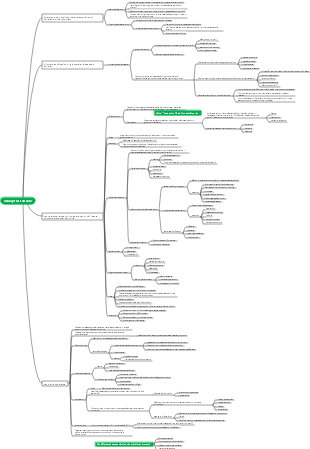
3. Nephrotic syndrome
Pathophysiology
Increased permeability of the filtration membrane and protein leakage (three high and one low)
massive proteinuria hypoalbuminemia
Mild disease
pitting edema
Hypercholesterolemia
severe
lgG etc. lost
Susceptible to infection
Reduced tissue fluid reflux
hypovolemic shock
Thrombosis (most common in renal veins)
Overview
definition
It is a clinical syndrome in which the permeability of the glomerular basement membrane is increased due to various reasons, resulting in a large amount of plasma protein being lost in the urine.
Clinical features
*massive proteinuria
*Hypoalbuminemia
Diagnostic requirements
Hyperlipidemia
Marked edema
"Three highs and one low"
Classification
1. Classification by cause
primary
90%
Secondary
congenital
⒉According to pathological classification
Minimal change kidney disease - the most common, accounting for 80%
·Only foot process fusion is seen ·Mild condition ·Sensitive to hormones ·Good prognosis
Non-minimal change kidney disease – 20%
Including mesangial proliferative nephritis, focal segmental glomerulosclerosis, Membranous nephropathy, mesangial capillary nephritis (membranoproliferative nephritis), etc.
3. According to clinical classification
① Simple NS: accounting for 80%~85%
●Mild condition
●Clinical manifestations: only “three highs and one low”
●Corresponding pathological type: minimal change type
② Nephritis type NS: accounting for 15%~20%
●Severe illness
●Clinical manifestations: “three highs and one low” + nephritis manifestations (hypertension, hematuria, C3↓, etc.)
●Corresponding pathological type: non-minimal change type
4. Classification according to glucocorticoid treatment response
① Hormone-sensitive NS;
② Hormone-resistant NS;
③ Hormone-dependent NS;
④Recurrence and frequency of recurrence.
clinical manifestations
Onset
●It mostly occurs in people over 2 years old, with the peak incidence between 3 and 5 years old.
●Boys: Girls are (3~4): 1.
●The onset often occurs insidiously, without obvious triggers; it may also occur or recur after influenza, enteritis, etc.
●Children are generally in good condition at the beginning of the disease. As the disease progresses, they develop paleness, listlessness, loss of appetite, and often abdominal pain, abdominal discomfort, diarrhea, etc.
Edema
The most common and prominent symptoms. It begins with edema on the face and eyelids and gradually spreads to the limbs, with descending and sunken features. Severe cases include ascites, pleural effusion and scrotal effusion.
Dispensable
Simple nephropathy - without hematuria and hypertension.
Nephritis kidney disease - hematuria and varying degrees of hypertension may occur, and the course of the disease is often protracted and repeated.
Auxiliary inspection
1.Urine
proteinuria
Qualitative ~, quantitative ≥50mg/ (kg·d)
hematuria
Nephritis kidney disease may cause hematuria
2. blood
Albumin<30g/L
Total cholesterol>5.7mmol/L
3. Serum protein electrophoresis
decreased albumin
Increased ratio of alpha and beta globulin
Decreased gamma globulin ratio
4.Immunoglobulin
reduce
lgG, lgA
increase
lgM, lgE
5. Serum complement
Simple kidney disease - blood complement C3 is generally normal
Partial nephritic kidney disease - blood complement C3 continues to decrease
6. Kidney function
Nephritis-type kidney disease may have ammonia (blood urea nitrogen >10.7mmol/L or 30mg/dl).
7. Related examinations of hypercoagulable state and thrombosis.
8. Percutaneous renal puncture histopathological examination.
diagnosis
Diagnostic criteria
1. Should have 4 major characteristics
(1) Massive proteinuria: qualitative ~, lasting for more than 2 weeks; Quantity ≥50mg/(kg·d), 3 times within 2 weeks.
(2) Hypoalbuminemia: plasma albumin <30g/L.
Prerequisites
(3) Hyperlipidemia: total plasma cholesterol >5.7mmol/L.
(4) Edema of varying degrees: mostly depressed, ranging from mild to severe.
2.Clinical classification and diagnosis
complication
1.Infection
Most common complications.
Respiratory tract, skin, and urinary tract infections are common, with the above respiratory tract infections being the most common
2. Electrolyte imbalance and hypovolemic shock
There may be "three lows" - hypokalemia, hyponatremia, and hypocalcemia;
Hyponatremia and hypovolemic shock—mostly caused by blind diuresis.
3. Thrombosis
Renal vein thrombosis is the most common
Typical manifestations include ①Sudden low back pain and percussion pain in the kidney area ②Hematuria, even gross hematuria ③ Oliguria, even renal failure
Venous thrombosis of the femoral vein and other lower extremity veins may also occur
Manifested as asymmetric swelling and mobility impairment of both lower limbs
reason
intravascular water loss
Antithrombin III is lost, while factors IV, V, VII and fibrinogen are increased, leaving the child in a hypercoagulable state
4. Acute renal failure
5. Renal tubular dysfunction
treat
Treatment principles: systematic, standardized, long-term, individualized treatment.
Basic method: Comprehensive treatment based on glucocorticoids.
Treatment content
(1) General treatment
1. Rest
●Severe edema and high blood pressure require bed rest
●Under normal circumstances, carry out normal activities to prevent thrombosis.
⒉Food and drink
●Except for severe edema and high blood pressure, long-term low-salt or no-salt diet is not recommended.
●Protein intake is controlled at 1.5~2g/(kg·d), mainly high-quality protein;
●Pay attention to calcium, vitamin D and trace elements (potassium).
(2) Symptomatic treatment (reduce swelling, prevent infection)
1. Diuretic application (reduce swelling)
●Oral administration for mild cases: hydrochlorothiazide and spironolactone;
●Intravenous use in severe cases: furosemide;
●Or after rapid intravenous infusion of 6% low molecular weight dextran (mannitol can be used for kidney disease), then use furosemide intravenously.
2. Prevent and treat infection
●Strengthen care, improve resistance and avoid overwork.
●Immunomodulator
→Intravenous infusion of gamma globulin, or oral administration of levamisole for 6 months
→Applicable to: patients with hormone resistance and low plasma IgG.
(3) Proteinuria-lowering treatment (hormones, ± immunosuppressants)
drug
Prednisone
Overview
1. Oral prednisone: the treatment of choice for inducing remission of renal disease.
2. Methylprednisolone pulse therapy: suitable for refractory nephropathy that is ineffective and frequently relapses to hormone therapy.
3. Medication principles: sufficient initial dose, long-lasting maintenance, slow dose reduction, and individualization.
(1) Course of treatment
Short course (8 weeks) → easy to relapse (short course therapy is no longer recommended)
Mid-term (6 months) → mostly used for the initial treatment of simple kidney disease
Long-term (≥9 months) → mostly used for the treatment of recurrence
(2) Prednisone phased treatment implementation method
induction remission phase
A sufficient amount of prednisone is 2.0 mg/(kg·d), the maximum dose is 60 mg/d, orally divided into 3 to 4 times. Use sufficient amount until urine protein turns negative, then consolidate for 2 weeks;
Generally, a sufficient amount of prednisone should be administered for no less than 4 weeks and no longer than 8 weeks.
Take it as early in the morning as possible (early morning is the peak of glucocorticoid secretion, simulating biological regular administration), and oral administration in divided doses should not exceed 2 weeks;
Consolidation and maintenance stage
Gradually reduce the dose after urine protein turns negative, usually by 2.5-5mg every 2-4 weeks.
Tail therapy until discontinuation.
(3) Judgment of efficacy
immunosuppressant
●Applicable to: patients with frequent relapses, hormone dependence, hormone resistance and those who cannot tolerate hormones.
●How to use: Often used together with smaller doses of hormones.
●Commonly used drugs include: cyclosporine A (CsA), mycophenolate mofetil (MMF), tacrolimus (FK506), tripterygium glycosides, chlorambucil, and azathioprine wait
(4) Relapse prevention treatment
(5) Preventing the chronic development of renal pathology and treating chronic complications
acute renal failure