MindMap Gallery ACCA 2
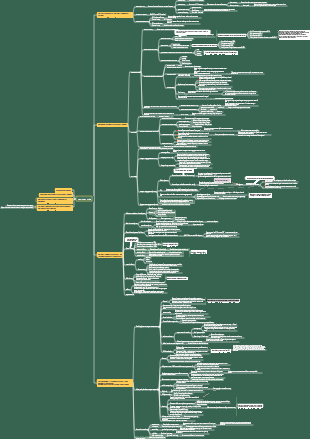
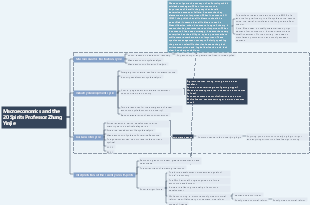
This is a mind map about ACCA 2. The main contents include governance policies and obligations, fiscal policy, monetary policy, etc.
Edited at 2022-06-20 21:50:31This is a mind map about bacteria, and its main contents include: overview, morphology, types, structure, reproduction, distribution, application, and expansion. The summary is comprehensive and meticulous, suitable as review materials.

This is a mind map about plant asexual reproduction, and its main contents include: concept, spore reproduction, vegetative reproduction, tissue culture, and buds. The summary is comprehensive and meticulous, suitable as review materials.
This is a mind map about the reproductive development of animals, and its main contents include: insects, frogs, birds, sexual reproduction, and asexual reproduction. The summary is comprehensive and meticulous, suitable as review materials.
This is a mind map about bacteria, and its main contents include: overview, morphology, types, structure, reproduction, distribution, application, and expansion. The summary is comprehensive and meticulous, suitable as review materials.
This is a mind map about plant asexual reproduction, and its main contents include: concept, spore reproduction, vegetative reproduction, tissue culture, and buds. The summary is comprehensive and meticulous, suitable as review materials.
This is a mind map about the reproductive development of animals, and its main contents include: insects, frogs, birds, sexual reproduction, and asexual reproduction. The summary is comprehensive and meticulous, suitable as review materials.
The macroeconomic environment
Governance policies and obligations
aims
to achieve economic growth
to control price inflation
to achieve full employment
to achieve a balance between exports and imports
impact
overall economic policy
market demand
cost of finance
taxation
industry policy
protection/free trade
grants, incentives, sponsorships
regulation (like investor protection or company law)
entry barriers/capacity
environment
distribution
social policy
workplace regulation/employment law
labor supply/skills/education
foreign policy
trade promotion
EU/WTO
aid recipes
factors which affect the economy
investment level / the mutiplier effect / inflation / savings confidence/interest rates/exchange rates
fiscal policy
components of planning
expenditure planning
revenue raising
borrowing
PSNCR
increase demand
increasing spending
reducing taxation
taxation
direction taxation
indirection taxation (eg.VAT/sales taxes)
charge as per unit sold
e.g. a petrol tax per liter
ad valorem taxes
a regress tax
a proportional tax
a progress tax
policy
instruments
interest rate
reserve requirement
exchange rate
phases in business cycle
recession
demand/confidence falls
investment begins unprofitable
orders are cut; inventory level reduced
some companies begin to insolvent
depression
recovery
boom
capacity and labor become fully utilized
AD↑——P↑
high investment
inflation & its consequences
measures
PPI (producer prices index)
RPI (retail prices index)
all goods and services (including housing costs)
CPI (consumer prices index)
all goods and services (excluding housing costs)
consequence
redistribution of income and wealth
balance of payments effects
exports ↑, imports ↓
uncertainty of the value of money and prices
in case of hyperinflation, -barter
efficiency of resource allocation ↓
the costs of changing prices
economic growth and investment
causes
demand pull factor
only exists when unemployment is low
cost push factor
import cost factor
expectations
excessive growth in the money supply
unemployment
measure
Unemployment rate = (number of unemployment)/ (total workforce) ×100%
flows into
working labor becoming unemployed
redundancies
lay-offs
voluntarily quitting a job
newly joined the workforce
school leaver without a job
others rejoin the workforce without a job
flows out of
find a job
be re-employed
stop finding jobs
consequence
loss of output
loss of human capital
the unemployer will gradually lose their skills
increasing inequalities
social costs
burden of welfare payments
cause
real wage unemployment
frictional
inevitable
seasonal
structural
technological
cyclical/demand defient
vocabulary bank
multiplier
multiplier
aggregate supply
aggregate supply
AS=C S T
aggregate demand
Total demand
AD=C I G (X-M)
fiscal policy
Fiscal policy
expenditure
expenditure
revenue
income
PSNCR
public sector net cash requirement
Public sector net cash requirements
deficit
fiscal deficit
VAT
VAT
ad valorem taxes
ad valorem tax
policy
Monetary Policy
quantitative easing
Quantitative easing
reserve requirement
Minimum reserve requirements
inflation
inflation
inflationary gap
inflation gap
=AD-AS=I-S
equilibrium
balanced
stagflation
stagflation
recession
economic recession
inventory
inventory levels
insolvent
bankrupt
balance of payments
balance of payments
hyperinflation
hyperinflation
barter
barter
allocation
Configuration
buoyant
(Economic prosperity
redundancy
layoffs