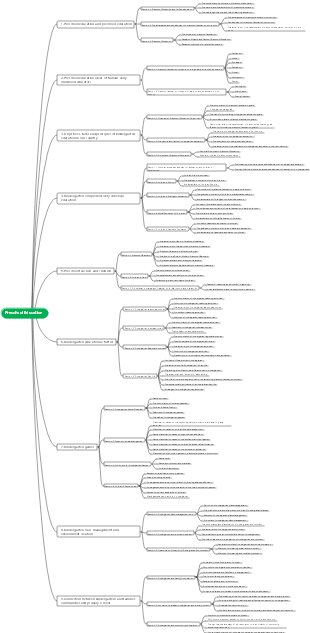
MindMap Gallery Early childhood science education content
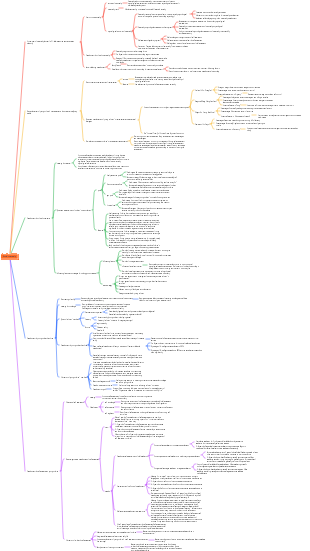
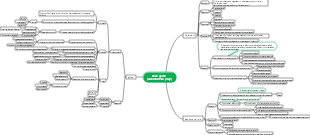
This is a mind map about the content of early childhood science education, including material science, Biological Sciences, Earth and Space Sciences, Technology and Engineering etc.
Edited at 2024-03-07 14:32:33This is a mind map about bacteria, and its main contents include: overview, morphology, types, structure, reproduction, distribution, application, and expansion. The summary is comprehensive and meticulous, suitable as review materials.

This is a mind map about plant asexual reproduction, and its main contents include: concept, spore reproduction, vegetative reproduction, tissue culture, and buds. The summary is comprehensive and meticulous, suitable as review materials.
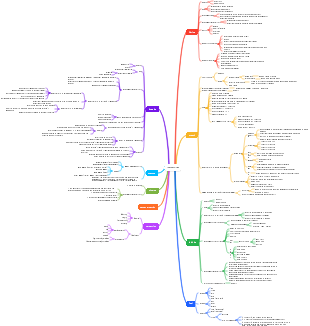
This is a mind map about the reproductive development of animals, and its main contents include: insects, frogs, birds, sexual reproduction, and asexual reproduction. The summary is comprehensive and meticulous, suitable as review materials.
This is a mind map about bacteria, and its main contents include: overview, morphology, types, structure, reproduction, distribution, application, and expansion. The summary is comprehensive and meticulous, suitable as review materials.
This is a mind map about plant asexual reproduction, and its main contents include: concept, spore reproduction, vegetative reproduction, tissue culture, and buds. The summary is comprehensive and meticulous, suitable as review materials.
This is a mind map about the reproductive development of animals, and its main contents include: insects, frogs, birds, sexual reproduction, and asexual reproduction. The summary is comprehensive and meticulous, suitable as review materials.
Early childhood science education content
physical science
Properties of objects and materials
Use your senses to observe and play with objects
Use simple tools to measure some properties of objects
Explore the properties of the materials that objects are made of
Multi-sensory perception of different properties of objects and materials
Explore the different states of materials under different conditions
Object position and motion
Feel the size of force, explore the direction of force, explore the relationship between force and movement, The relationship between forces and motions of different magnitudes and directions
Explore force phenomena through experiments
Explore the conditions of balance and experience the balance of power by playing with seesaws, scales, balance frames, etc.
Explore various machines and discover what they do
Explore the various forces of nature and understand how humans use them
Sound, light, heat, electricity, magnetism
sound
Pay attention to distinguish various sounds and understand the meaning of each sound
Explore various objects that produce sound and ways to produce sound
Explore the differences in sounds
Explore the spread of sound through games, experiments, and more
Understand the causes and dangers of noise
Light
Understand various light sources and their differences, understand the importance of light to us, and introduce lasers and their applications
Explore the reflection and refraction phenomena of light by playing with various optical instruments, daily objects, and toys
Experimenting to explore the relationship between light and shadow
hot
Discover and feel that some objects are hot and some are cold
Explore and discover that hot objects will become colder and cold objects will become hotter
Know how hot or cold the weather is
electricity
Explore the phenomenon of triboelectricity through games
A preliminary understanding of the origin of midpoints in daily life
Understand initially that dry batteries can also produce electricity, and explore the uses of dry batteries in games or experiments
Explore the functions of various household appliances and gain a preliminary understanding of the application of electricity in daily life
Introduce common sense to children about safe use of electricity
magnetic
Explore magnets of various sizes and shapes and discover the properties of magnets that attract iron
Explore the interactions between magnets through games or experiments and discover the phenomena of attraction and repulsion
Play with a compass or magnetic needle and explore the phenomenon of compass guidance
Explore the applications of magnets in daily life and find out which items use magnets
Biology
physical characteristics of living things
The physical characteristics of living things include the color, shape, structure and different components of living things. By observing real creatures, young children can recognize the typical characteristics of common creatures
basic needs of living things
Animals need food, water, air, and a safe place to live, and so do people; most plants need food, air, and sunlight. Young children can learn through daily life experiences to understand some basic needs shared by living things, and they also need to understand that they have different specific needs.
simple behavior of living things
Animals find food, build shelter, avoid danger, etc. in unique ways. Plants will show certain behavioral patterns. Young children can learn about various behaviors of living things through observation, reading, discussion, etc., such as foraging methods, self-protection methods, reproduction methods, etc.
biological life cycle
Living things go through a certain life cycle, including birth, growth, maturity, reproduction and death. Young children have some experience in cultivating plants and raising animals. Use these experiences to let children feel the process of life and the different lengths and details of different organisms and their life cycles.
biological diversity and species
Young children must be able to understand that the creatures in nature are diverse and varied. Children of different ages can observe different creatures.
The relationship between living things and the environment
relationship between organisms
The relationship between animals and plants, including the relationship between animals and animals, and the relationship between animals and plants. It can help young children understand the friends and enemies among animals and gain a preliminary understanding of the feeding habits of different animals.
Relationships between animals, plants and humans. It can let young children understand how humans use animals and plants in their lives, and also let them understand how humans protect animals and plants.
The relationship between living things and the environment
Interrelationships between animal, plant diversity and the environment
Different animals and plants live in different environments, allowing young children to explore which animals live in the water and which plants live in the water.
The relationship between the morphological structure of animals and plants and the environment
On the basis of observation, we can explore the differences in the morphological structures of animals and plants in different environments, as well as their relationship with the environment.
The relationship between the growth of animals and plants and the environment
Children can be allowed to explore the environmental conditions required for the growth of animals and plants during planting and raising activities, or through experiments. And a preliminary understanding of the impact of animals and plants on the environment, especially the purification effect of plants on the environment
The relationship between animals, plants and seasonal changes
For example, explore how animals and plants spend the winter when winter comes; what changes happen to animals and plants when spring comes?
Technology and Engineering
Common technological products and their functions in children’s lives
Explore and understand modern household appliances, initially learn simple usage methods, and understand their role in family life
Explore and observe common means of transportation, compare their advantages and disadvantages, and understand their relationship with people’s lives
Explore and get a first look at several agritech products, processed foods, and more
Explore various technological toys, let children play with various toys and experience the development of toys
Development of technological products
Introduce the development and progress of common technological products to young children so that they can understand their relationship with people's lives. For example, introducing the development history of lights to young children allows them to explore what lights have looked like from ancient times to the present and how people use lighting, thereby experiencing the impact that the development of science and technology has had on people's lives. It can also encourage young children to discuss the future of science and technology, stimulate their imagination and creativity, and germinate their desire to use technology to benefit mankind.
Use simple tools
Tools are extensions of the human hand and the materialized form of technology. Let children learn to use common tools in life and understand their usefulness. In this way, children can develop their operating skills, gain opportunities for technical practice, and understand the use of tools in practice.
Simple small technology production
Based on children's exploration of scientific phenomena, they use tools and materials to make simple technological toys. Children not only gain the experience of making things with their own hands, but also gain specific operating skills, which is a direct experience of technology.
Protection of natural ecological environment
Children should be trained to understand the relationship between people and things in the natural environment as friends from an early age, and to pay attention to and protect the surrounding environment from an early age. Education on the relationship between man and the natural environment should be infiltrated and reflected in the understanding of animals, plants and non-living things in nature.
Children can be properly introduced to the pollution status and hazards of the surrounding living environment, and phenomena and events that children can directly observe and investigate can be selected to provide intuitive education to children. We must also introduce to young children the practical activities of human beings to protect the environment, as well as the actions that young children can participate in to protect the environment, and lead them to participate in practical activities within their ability. Let children develop good behavioral habits to protect the environment
Introduce young children to stories about scientists they are familiar with. If possible, you can ask nearby scientists to tell stories to young children. This is actually a kind of enlightenment of scientific values. It can stimulate children's love for science and their admiration for scientists, and even trigger children's desire to create science and use science to benefit mankind.
Earth and Space Sciences
Properties of Earth's Materials
sand, stone, soil
Sand, stones, and soil are substances that young children often come into contact with in their lives. Let children play with sand, stones, and soil, and perceive and compare their characteristics. Let children understand the relationship between soil and animals, plants and even humans, and know how to cherish soil
water
Exploration of physical properties
Let children feel its colorless, odorless and transparent nature while playing with water, and explore some physical phenomena related to water. Let young children explore the phenomena of solid, liquid and gaseous water and the mutual changes of the three forms.
understanding of ecological significance
Let young children understand the importance of water in nature for the survival of humans, animals and plants
Let children understand the various water sources in nature - rivers, lakes, seas, etc.
Let children understand the importance of water to life through experiments, discussions and other activities
Combine children's life experience to let them know how to save water and protect the cleanliness of water sources
Air
Air is an indispensable substance for life. We only need to let young children realize that the air is all around us. We can't see or touch it, but we can't live without it. Children's perceptual understanding of air can be enhanced by exploring air-related phenomena such as air flow (wind), inflation, and air pollution phenomena.
Objects in the sky and their changes
Through astronomical phenomena that children can directly observe, they can gain relevant experience Allow young children to observe objects in the sky; through experiments, allow young children to realize that solar energy brings us light and heat, which is necessary for the growth of people, animals, and plants; allow young children to observe and record the changes and movement patterns of objects in the sky; such as young children If you are interested in astronomical knowledge, you can guide children to acquire knowledge through books and other channels.
Weather, climate and seasons
Young children accumulate experience familiar with visible phenomena and their relationships with humans, animals, and plants, and pay attention to the surrounding natural environment. Guide children to observe and explore changes in climate and seasons, recognize the names of the four seasons, observe their changes, feel and understand the typical characteristics of each season, Preliminarily understand the relationship between seasonal changes and humans, as well as the relationship with animals and plants, how humans and animals and plants adapt to seasonal changes, etc.
landform changes
The earth's surface is constantly changing under the influence of the environment, such as erosion and weathering, as well as natural disasters. Use books and media to let children initially understand that the earth is changing, and these changes will affect human life, stimulate children's interest and curiosity in exploring the earth, and encourage children to pay attention to, love and protect the earth.