MindMap Gallery cognition
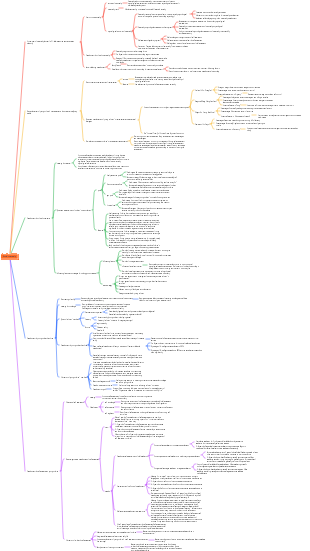
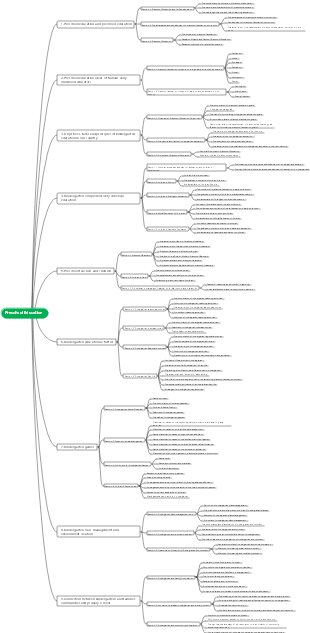
Including memory, observation, perception, perception, thinking, feeling, speech, attention, etc., relevant knowledge points are sorted out in great detail. The key points are sorted out and the structure is clear, allowing you to get twice the result with half the effort. Everyone is welcome to study together!
Edited at 2024-11-14 10:30:50これは、「Amazon Reverse Working Method」「Amazon Reverse Working Method」に関するマインドマップです。それは、Amazonの成功の秘密を明らかにし、実用的な作業方法と管理の原則を提供し、Amazon文化を理解し、仕事の効率と創造性を向上させたい読者にとって大きな参照価値です。
Azure BlobストレージにおけるMicrosoftの顕著な進歩とイノベーション、特にChatGptの作成者であるOpenaiの巨大なコンピューティングニーズを効果的にサポートする方法に焦点を当てています。 Azure Blobストレージ製品管理チームのJason Valerieは、JakeとDeverajaと協力して、Azure BlobストレージがOpenaiの大規模なモデルトレーニング、処理データ、ストレージをexebbitレベルまでに行う上で重要な役割を果たしました。議論には、AIワークロードのスケーリングスーパーコンピューターが直面している課題と、地域ネットワークゲートウェイを接続するデータセンターなどのアーキテクチャソリューション、および動的ストレージ容量の拡張を可能にする拡張アカウントの導入が含まれます。技術的な側面は、チェックポイントのメカニズム、大規模なデータ処理、革新的なブロブビューと階層的な名前空間、グローバルデータモビリティ機能をカバーし、Microsoftのグローバルネットワークインフラストラクチャを戦略的に利用して効率的なデータ送信を可能にします。この会話は、高度なAIの研究開発に強力でスケーラブルで効率的なストレージソリューションを提供するというマイクロソフトのコミットメントを完全に示しています。
これは、主にオブジェクト状態の変化、熱エンジン、内部エネルギー、熱比熱容量、温度スケールを含む、熱に関するマインドマップです。紹介は詳細であり、説明は包括的です。
これは、「Amazon Reverse Working Method」「Amazon Reverse Working Method」に関するマインドマップです。それは、Amazonの成功の秘密を明らかにし、実用的な作業方法と管理の原則を提供し、Amazon文化を理解し、仕事の効率と創造性を向上させたい読者にとって大きな参照価値です。
Azure BlobストレージにおけるMicrosoftの顕著な進歩とイノベーション、特にChatGptの作成者であるOpenaiの巨大なコンピューティングニーズを効果的にサポートする方法に焦点を当てています。 Azure Blobストレージ製品管理チームのJason Valerieは、JakeとDeverajaと協力して、Azure BlobストレージがOpenaiの大規模なモデルトレーニング、処理データ、ストレージをexebbitレベルまでに行う上で重要な役割を果たしました。議論には、AIワークロードのスケーリングスーパーコンピューターが直面している課題と、地域ネットワークゲートウェイを接続するデータセンターなどのアーキテクチャソリューション、および動的ストレージ容量の拡張を可能にする拡張アカウントの導入が含まれます。技術的な側面は、チェックポイントのメカニズム、大規模なデータ処理、革新的なブロブビューと階層的な名前空間、グローバルデータモビリティ機能をカバーし、Microsoftのグローバルネットワークインフラストラクチャを戦略的に利用して効率的なデータ送信を可能にします。この会話は、高度なAIの研究開発に強力でスケーラブルで効率的なストレージソリューションを提供するというマイクロソフトのコミットメントを完全に示しています。
これは、主にオブジェクト状態の変化、熱エンジン、内部エネルギー、熱比熱容量、温度スケールを含む、熱に関するマインドマップです。紹介は詳細であり、説明は包括的です。
cognition
Notice
Features
Directivity
centralization
type
unintentionally paying attention
pay attention intentionally
Pay attention after intending to
Development trend
Directed attention occurs before selective attention occurs
The occurrence of unintentional attention precedes the development of intentional attention
Development characteristics
Unintentional attention prevails
intentional attention attention gradual development
quality
Breadth
Stability/duration
distribute
transfer
Reasons for dispersion
Interference from irrelevant stimuli
fatigue
Lack of interest and necessary emotional support
Not good at transferring attention
Unintentional attention and intentional attention are not used flexibly
Purpose requirements are unclear
prevent dispersion
Eliminate irrelevant stimulus interference
Develop a reasonable work and rest system
Develop good attention habits
Flexibly use unintentional attention and intentional attention interchangeably
Improve teaching quality
Clear purpose requirements
speech
Classification
language
speech
external speech
spoken word
Reading, speech, dialogue
written speech
Keep a diary and read novels
excessive verbalization
A form of soliloquy born between internal and external speech that Piaget called egocentric language
inner speech
Main developments in external languages
pronunciation, grammar, vocabulary, expressions
Internal Language Major Developments
subtopic
stage
Preverbal stage 0-1 month
Simple pronunciation 0-3 months
Repeating the same syllable continuously 4-8 months
Imitate pronunciation and learn to speak buddingly 9-12 months
Speech occurs between 1 and 3 years old
Incomplete sentences 1-2 years old
Word sentences 1-1.5 years old
Two-word sentences 1.5-2
Complete sentences 2-3
Basic command of oral skills
after three years old
Complete sentences for 3 years old
Two-word sentences for 2 years old
1.5 Words and Sentences
Speech before 1 year old
Characteristics of speech development
spoken word
language expression
The development of conversational language and the emergence of Baibai language
Situational speech development, coherent speech production
The logic of the narrative gradually improves
Gradually master language and expression skills
Vocabulary
3 years old 800-1100
4 years old 1600-2000
5 years old 2200-3000
6 years old 3000-4000
part of speech
real-virtual-real name-verb-descriptive
Usage frequency: generation-verb-noun
meaning
overgeneralization
Narrow
grammar
From incomplete sentences to complete sentences
From simple sentences to complex sentences
From declarative sentences to various sentence patterns
voice
Around the age of 4, master all the sounds of the ethnic group
written language
Phonetics: Pinyin, literacy, reading aids
Vocabulary: Master the actual meaning of words
Syntax: Rules
Grammatical Expressions: Skills
Graphic Perception: Hieroglyphics
Common problems in children's speech development
Poor pitch
Unable to correctly grasp the place and method of pronunciation
influence of dialect
Not able to master language and expression skills
thinking
Features
Indirect
generalization
trend
intuitive action thinking
Concrete image thinking: concrete shape
abstract logical thinking
Characteristics of children’s thinking development
Intuitive action thinking is developing
Concrete image thinking is dominant
Abstract logical thinking is budding
development of basic processes
The development of analytical synthesis
Comparative development
Find the same parts
different - same - similar
Development of classification
Cannot be classified
Classification of perceptual characteristics
life situations
Function
concept
physical object
small class
middle class
Big class
number
Counting orally and singing
Count points
say the total
Get items by number
Count visually
Count by group
Development characteristics
The understanding of individual things develops into understanding the relationship between things
Develop from mainly relying on concrete images to understand things to relying on language explanations
From a simple superficial understanding of things to a more complex and profound understanding of things
From an understanding closely related to emotions to a more objective understanding
From not understanding the relative relationship of things to gradually understanding the dialectical relationship of things
Cultivation of thinking ability
subtopic
Feel
external
See
listen
sniff
taste
touch {pain, skin}
internal
body
sports
balance
Features
light {dark-bright}
dark {light-dark}
Vision
Best 20cm
color discrimination
[3-4 years old] Red, orange, yellow and blue
[4.-5 years old] Recognize basic colors and approximate colors
[5-6 years old] Recognize colors and be able to call out the colors to be used when painting and correctly name black, white, red, blue, green, yellow, brown, gray, and pink.
perception
Features
Selectivity
integrity
Comprehensibility
constancy
Classification
spatial perception
shape
size
position
distance
time perception
Age is positively correlated
Life experience is positively correlated
sense perception
observe
is a kind of attention
Performance characteristics
1. The more specific the purpose-enhancing task and the clearer the observation purpose, the better the observation effect will be.
2. Continuous extension of observation
3. Increased detail
4. Observe the improvement of generalization
Observation method formation
memory
memory comprehensibility
Mechanical memory-{rote learning}
Meaning memory-{understanding memory}
content
motor memory {earliest occurrence, action}
emotional memory
image memory {thing}
Verbal memory {logical memory, latest appearance}
Ebbinghaus: The forgetting curve starts quickly and then slows down. The memory of 3-year-old preschool children generally cannot be retained permanently. This phenomenon is called childhood amnesia.
imagine
Features
imageability
Novelty
type
Unintentional imagination
intentionally imagine
Reimagine
create imagination
Development characteristics
Unintentional imagination dominates, intentional imagination gradually develops
Reconstructive imagination prevails, creative imagination gradually develops
Imagination is somewhat exaggerated
Characteristics of children’s imagination
Characteristics of unintentional imagination
The purpose of imagination is unclear
Imagine the theme is subject to external changes
The content of imagination is scattered and unsystematic
Satisfy the process of imagination
The imagination process is influenced by interests and emotions
Intentional imagination begins to develop, with a certain degree of intentionality and purpose
Characteristics of Reimagining
Descriptions that rely on adult language
Practical action is a necessary condition for young children’s imagination
Changes according to changes in external situations
How to understand the outside world
Practical operation
personal experience
concrete perception
Imagination is exaggerated, but not proactive and situational
The exaggeration of young children’s imagination
exaggerate part or feature of something
Confuse
Talk about what you desire so that you can get it
Describe what you want to happen as if it has already happened
When participating in games or literary works, the identity and the situation are easily relatable.
Causes of exaggerated imagination
Restrictions on job level
The impact of emotions on imagination
Constraints on the role of young children's imagination in cognition
Limitations on the ability to imagine and express
Strategy
Enrich children's imagination and develop their language skills
Create conditions for children’s imagination development in literary activities
Encourage and guide children to imagine boldly during games
Proper training in activities to improve imagination