MindMap Gallery Pediatrics
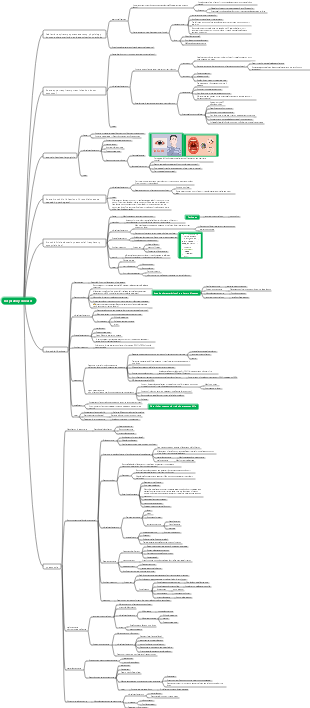
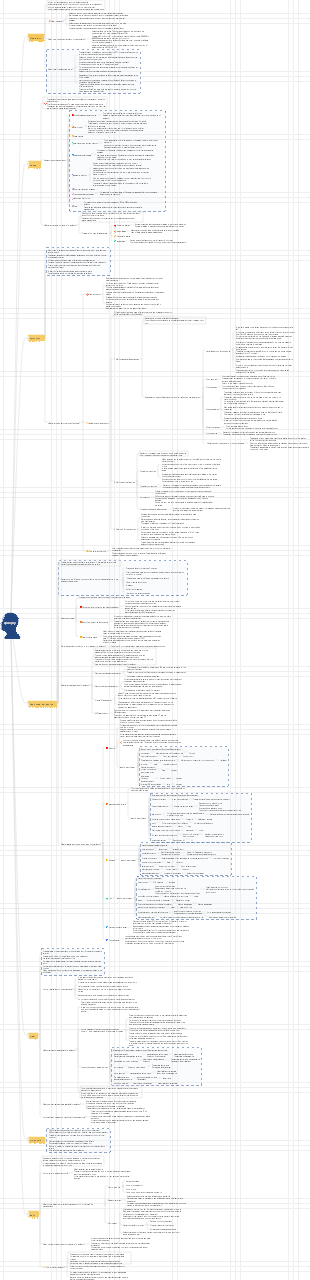
This is a mind map about pediatrics, including neonatal and neonatal diseases, respiratory diseases, cardiovascular system, etc.
Edited at 2023-11-29 21:17:22This is a mind map about bacteria, and its main contents include: overview, morphology, types, structure, reproduction, distribution, application, and expansion. The summary is comprehensive and meticulous, suitable as review materials.

This is a mind map about plant asexual reproduction, and its main contents include: concept, spore reproduction, vegetative reproduction, tissue culture, and buds. The summary is comprehensive and meticulous, suitable as review materials.
This is a mind map about the reproductive development of animals, and its main contents include: insects, frogs, birds, sexual reproduction, and asexual reproduction. The summary is comprehensive and meticulous, suitable as review materials.
This is a mind map about bacteria, and its main contents include: overview, morphology, types, structure, reproduction, distribution, application, and expansion. The summary is comprehensive and meticulous, suitable as review materials.
This is a mind map about plant asexual reproduction, and its main contents include: concept, spore reproduction, vegetative reproduction, tissue culture, and buds. The summary is comprehensive and meticulous, suitable as review materials.
This is a mind map about the reproductive development of animals, and its main contents include: insects, frogs, birds, sexual reproduction, and asexual reproduction. The summary is comprehensive and meticulous, suitable as review materials.
Pediatrics
Newborns and neonatal diseases
Newborn Overview
Types
gestational age
time
weight
Relationship between gestational age and weight
Premature and full term
Features of each system
breathe
1/3-1/2 of the water is discharged in the birth canal, and the other is discharged by lymphatic vessels and capillaries
alveolar surfactant
Started at 28w, matured at 35w
Normal 40-60, postpartum 1 hour 60-80, respiratory distress greater than 60-70
cycle
Heart rate is 90 to 160
Blood pressure 70/50
Digestion and Urology
Defecation and urination within 24 hours
blood
More red blood cells
White blood cells and neutrophils are the same between 4 and 6 days old
nerve
reflection
hold
Embrace
suck
foraging
The spinal cord is at lumbar 3-4, and the needle is inserted at 4-5
body temperature
Body surface 36.0~36.5
Rectal temperature 36.5~37
Thermostat humidity 50~60%
Physiological state
Neonatal asphyxia
Cause
pregnant woman
fetus
Performance
apgarscore
treat
abcde
neonatal ischemic hypoxic encephalopathy
Cause
asphyxia
Performance
light
clear; normal; expanded; possible
middle
Lethargy; reduce; shrink; often
Heavy
Consciousness: coma; muscle tone: soft, weak; pupils: unequal; convulsions: persistent
physical signs
Brain edema
Full anterior fontanelle
examine
B-ultrasound, the cheapest
CT 4 to 7 days, lesion type and scope
MRI is more accurate, sagittal sinus
EEG reflects prognostic assessment
treat
Seizure Treatment: Phenobarbital
Intracranial hypertension: furosemide
neonatal jaundice
Cause
Overproduction: More red blood cells, shorter lifespan, more destruction
Bilirubin transport function underground
Insufficient liver function
Excess enterohepatic circulation
identify
Physiologically, come late and leave early
Appears in 2 to 3 days, persists to term <2w, premature birth <4w; subsides and disappears; blood bilirubin <85
Pathological: Arrive early and leave late
Appears within 24 hours, persists >; recedes and reappears; >
neonatal sepsis
Cause
Infect
mechanism
early onset
Vertical transmission, E. coli
Delayed onset, >7 days
Horizontal communication, Golden Portugal
Performance
In the early stage, the energy was low and atypical.
In the later stage, five different ones are under
No eating, no drinking, no crying, no fuss, no body temperature rising
weight loss
Others, jaundice, anemia, liver and spleen
examine
blood culture
Increased white blood cells and neutrophils
treat
Early stage (10 to 14 days), combined, intravenous, antibiotic treatment
Gram: penicillin
Gram-negative: Cephalosporin
hemolytic disease of newborn
Base
ABO
RH
Cause
Mother O, child A or B
Mother's RH vagina
Performance
Anemia, jaundice, splenomegaly
jaundice
ABO: 2~3 days
RH within 24h
examine
blood type
Antibody testing
Modified human globulin antibody test
Antibody release assay
free antibody test
complication
Bilirubin encephalopathy
1: Lethargy and various functional impairments
2: Convulsions
3restore
4 sequelae stage
treat
Light: Light therapy: blue-green light
Heavy: exchange transfusion therapy
neonatal respiratory distress syndrome
physiological
Cause
mechanism
Performance
examine
treat
neonatal necrotizing enterocolitis
Cause
pathology
Performance
examine
treat
Respiratory diseases
Overview
Anatomy and Physiology
nose
oral cavity
tonsil
Horizontal rupture of Eustachian tube
lung
Sinusitis is not easy
Foreign bodies tend to fall into the main trunk of the right bronchus
acute infection
Cause
Viruses: Adenovirus, influenza, respiratory syncytial virus, rhinovirus
Bacteria: Hemolytic Streptococcus
parts
Rhinosopharyngitis
Performance
Fever, sore throat, weakness, body soreness
special type
herpangina
coxsackie group A virus
Several herpes can be seen in the isthmus
Pharyngeal conjunctival fever
Adenovirus
Throat pain and eye abnormalities
examine
Virus – rising antibodies
treat
Symptomatic treatment
Antiviral
Bronchial Asthma
Cause
mechanism
Performance
physical signs
examine
treat
Pediatric special
pneumonia
Classification
Bronchopneumonia
Pathogen
developed, virus
developing, bacteria
Performance
Fever, cough and sputum
severe
Coma, infection with toxic encephalopathy
Diarrhea, abdominal pain, decreased bowel sounds, toxic enteropathy
DIC
Abnormal secretion of ADH
hyponatremia hypertension
examine
Chest X-ray
Blood routine
physical signs
Fixed crackles in both lungs
treat
Sensitive antibiotic treatment
Prevent complications
Empyema
Chills, febrile convulsions
Closed chest drainage
Pyopneumothorax
bullae
respiratory syncytial pneumonia
Common, lighter
<1 year old
Wheezing, inspiratory dyspnea, three concave signs
Fever, cough, difficulty breathing
X small dots, patchy
Adenovirus pneumonia
Rarely seen, life hangs by a thread in serious cases
6 months to 2 years old
Fever, cough, difficulty breathing
Poisoning symptoms: blue complexion
X-flaky, fused into large lesions
Mycoplasma pneumonia
Pathogen
Mycoplasma, between viruses and bacteria, has no cell wall and penicillin is ineffective
Performance
sore throat myalgia
Irritating cough without phlegm
children teenagers
examine
Increased IgM
Cold agglutination test positive
treat
macrolide antibiotics
Erythromycin Azithromycin
Cardiovascular System
Overview
Anatomy and Physiology
congenital heart disease
Overview
Housing shortage
Cause
mechanism
Performance
Delayed growth and development
pneumonia, difficulty breathing
The pulmonary artery is relatively narrow, and there is a systolic murmur in the 2nd to 3rd intercostal space of the chest.
Delayed pulmonary valve closure
Second heart sound fixed split
lack of room
Types
Patent ductus arteriosus
Cause
Performance
Growth retardation, pneumonia, difficulty breathing
Mechanical murmur in the 2 intercostal spaces at the left sternal border
Increased pulse pressure, peripheral vascular signs
Tetralogy of Fallot