MindMap Gallery Mind map of Protozoa
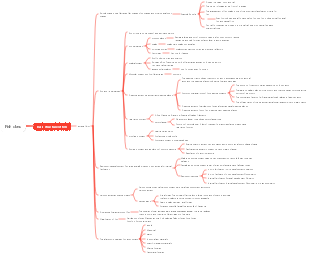
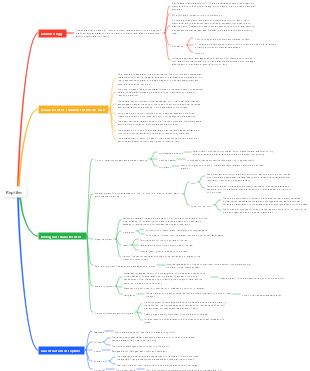
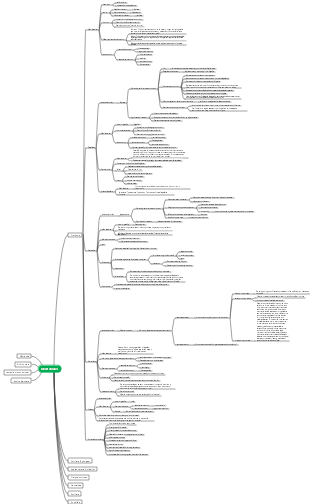
Mind map about the phylum Protozoa, an introduction to the phylum Protozoa in zoology, including its main characteristics, classification, and relationship with humans. Friends in need are welcome to refer to it.
Edited at 2023-11-04 22:30:33This is a mind map about bacteria, and its main contents include: overview, morphology, types, structure, reproduction, distribution, application, and expansion. The summary is comprehensive and meticulous, suitable as review materials.

This is a mind map about plant asexual reproduction, and its main contents include: concept, spore reproduction, vegetative reproduction, tissue culture, and buds. The summary is comprehensive and meticulous, suitable as review materials.
This is a mind map about the reproductive development of animals, and its main contents include: insects, frogs, birds, sexual reproduction, and asexual reproduction. The summary is comprehensive and meticulous, suitable as review materials.
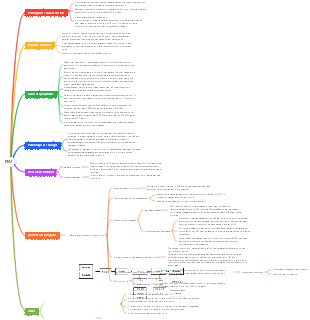
This is a mind map about bacteria, and its main contents include: overview, morphology, types, structure, reproduction, distribution, application, and expansion. The summary is comprehensive and meticulous, suitable as review materials.
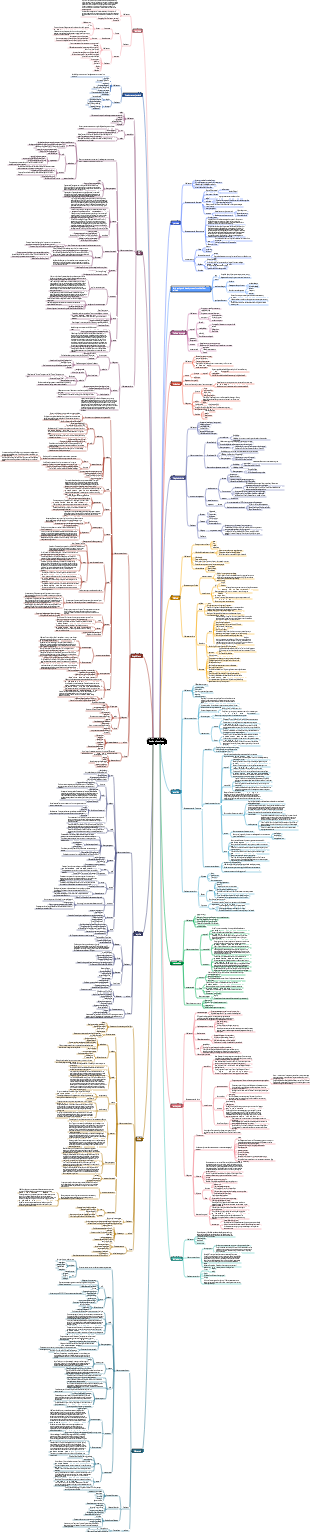
This is a mind map about plant asexual reproduction, and its main contents include: concept, spore reproduction, vegetative reproduction, tissue culture, and buds. The summary is comprehensive and meticulous, suitable as review materials.
This is a mind map about the reproductive development of animals, and its main contents include: insects, frogs, birds, sexual reproduction, and asexual reproduction. The summary is comprehensive and meticulous, suitable as review materials.
Protozoa
Main features
single celled animals
Have all the functions necessary for maintaining life and reproducing offspring as shown by ordinary animals
There are no organs and systems possessed by higher animals, and they are completed by specialized organelles within cells.
Tiny individuals, diverse shapes
Diversified nutrition
Plant-Based Nutrition (Autotrophic)
Phototrophic (with chromoplasts in the body): e.g. Green Eyeworm
Obtain nutrients through symbiotic green algae in the cytoplasm: e.g. Paramecium viridis
Animal Nutrition (Heterotrophic)
Generally includes feeding, digestion and absorption and elimination: such as Tetrahymena pyriformis
Osmotic nutrition (saprophytic nutrition)
Ingestion of proteins and carbohydrates dissolved in water through osmosis on the body surface: protozoa that live a parasitic life
mixed nutrition
Example: Green-eyed bugs mainly use plant nutrition under light conditions, and mainly use osmotic nutrition under lightless conditions.
Many protozoa can synthesize storage materials in the cytoplasm (exception: African trypanosomatids that parasitize in the blood have a very rich supply of glycogen in their living matrix and do not have the function of synthesizing storage materials.
Diversification of reproductive methods
asexual reproduction
binary fission
Longitudinal and transverse divisions of the cytoplasm and nucleus produce two basically similar daughter cells: for example, Green Eyeworm, Paramecium, and Amoeba
budding
Usually two individuals, one large and one small, are formed, and some can form multiple buds at the same time: such as Noctiluca
Schizophrenia (multiple fission)
The nucleus divides multiple times to form multiple nuclei first, and then the cytoplasm divides again. Each nucleus is surrounded by some cytoplasm to form a new mononuclear entity: for example, Plasmodium
cleavage
The nucleus does not divide at first, but the cytoplasm directly surrounds the nucleus during division to form several multinucleated daughter individuals, which then form multinucleated new insect bodies: such as Fasciola spp.
sexual reproduction
Gametogenesis
The process of forming a new individual through the fusion or fertilization of two gametes
Homogametic reproduction: gametes are similar in size and shape but have different functions
Anisogametic reproduction: gametes are different in size, shape, and function
zygotic reproduction
For example, sexual reproduction in ciliates
In the lives of many parasitic protozoa, there is a phenomenon of alternating generations between sexual and asexual reproduction.
coordination and responsiveness
Cysts are common
Many protozoa can retract pseudopods or shed structures such as flagella or cilia, and shrink their bodies into a spherical shape. The insect body secretes protective colloids to wrap itself up, forming a package.
widely distributed
parasitic life
Symbiotic life
Mainly include dinoflagellates in the digestive tract of termites and ciliates in the rumen of ruminants
free life
Giardia, Sarcopodia, etc.
Classification
Flagellates
green eyeworm
Sarcopodia
Spore class
Ciliates
relationship with humans
floating theme
Structure
Epimembrane (the epidermal striation is a unique feature of the Euglena family)
Cell mouth (can remove excess water from the body)
Connect the savings bubble backwards
There is a telescopic bubble next to the storage bubble (the main function is to adjust the water balance)
Flagellum (motor organelle)
There are two thin axonemes under the flagellum
Each axoneme is connected to a basal body at the bottom of the storage vesicle (the flagellum is produced by the basal body; the basal body functions as a centriole during the division of the insect body; the basal body is connected to the nucleus by the root filament) - indicating that the flagellum is controlled by the nucleus
eyespot, photoreceptor