MindMap Gallery public health surveillance
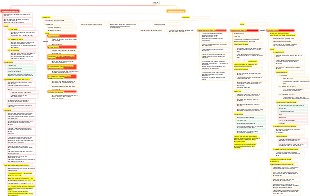
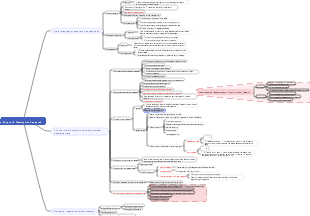
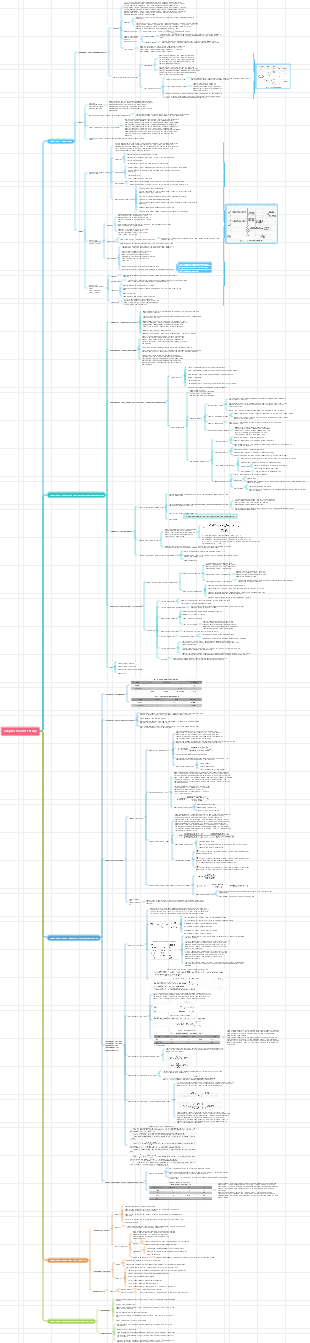
This is a mind map about public health surveillance. Public health surveillance refers to the long-term, continuous and systematic collection of data on public health issues among the population, obtaining important public health information after scientific analysis and interpretation, and providing timely feedback. To people or institutions who need this information to guide the process of formulating, improving, and evaluating public health interventions and strategies.
Edited at 2024-01-20 12:41:05This is a mind map about bacteria, and its main contents include: overview, morphology, types, structure, reproduction, distribution, application, and expansion. The summary is comprehensive and meticulous, suitable as review materials.

This is a mind map about plant asexual reproduction, and its main contents include: concept, spore reproduction, vegetative reproduction, tissue culture, and buds. The summary is comprehensive and meticulous, suitable as review materials.
This is a mind map about the reproductive development of animals, and its main contents include: insects, frogs, birds, sexual reproduction, and asexual reproduction. The summary is comprehensive and meticulous, suitable as review materials.
This is a mind map about bacteria, and its main contents include: overview, morphology, types, structure, reproduction, distribution, application, and expansion. The summary is comprehensive and meticulous, suitable as review materials.
This is a mind map about plant asexual reproduction, and its main contents include: concept, spore reproduction, vegetative reproduction, tissue culture, and buds. The summary is comprehensive and meticulous, suitable as review materials.
This is a mind map about the reproductive development of animals, and its main contents include: insects, frogs, birds, sexual reproduction, and asexual reproduction. The summary is comprehensive and meticulous, suitable as review materials.
public health surveillance
Section 1 Overview
1. Basic concepts
Definition: Public health surveillance refers to the long-term, continuous and systematic collection of data on public health issues among the population, obtaining important public health information after scientific analysis and interpretation, and timely feedback to the people or institutions who need the information for Guide the process of developing, refining, and evaluating public health interventions and strategies. The purpose is to provide decision-makers with decision-making basis and evaluate the effect of decision-making
Three basic characteristics or three basic tasks
Continuously and systematically collect health-related data to discover the distribution characteristics and changing trends of public health problems
Scientifically organize, analyze and interpret the collected raw data to transform it into valuable and important public health information
Feed back public health information to relevant department personnel in a timely manner and make full and reasonable use of it to achieve the ultimate goal of monitoring
Passive monitoring and active monitoring
Passive monitoring: Lower-level units routinely report monitoring data to higher-level agencies, while higher-level units passively accept it
Active surveillance: Based on the special needs of public health issues such as disease prevention and control, superior units specially organize surveys and collect information.
Routine reporting and sentinel surveillance
Routine reports: Routine monitoring reports for diseases or various health-related issues specified by the health administration department
Sentinel surveillance: In order to have a clearer understanding of the distribution of certain diseases in different regions and different populations and the corresponding influencing factors, according to the epidemic characteristics of the monitored diseases, select a number of representative regions and populations, and follow a unified surveillance plan
2. Purpose and application of public health surveillance
Purpose of public health surveillance
Describe the distribution characteristics and changing trends of health-related events
Quantitatively assess the severity of public health problems and identify major public health issues
Discover abnormalities in the distribution of health-related events, promptly investigate the causes and take intervention measures to effectively curb the development and spread of adverse health events
Predict the development trend of health-related events and correctly estimate the demand for health services
Study the influencing factors of the disease and identify high-risk groups
Evaluate the effects of public health intervention strategies and measures: The changing trends of diseases or related events can provide the most direct and reliable basis for evaluating the effects of intervention strategies and measures.
Public Health Surveillance Applications
Identify one or more cases and intervene to prevent infection or reduce morbidity and mortality
Evaluate the impact of health events on public health and determine trends
Demonstrate the need for public health intervention projects and resources, and rationally allocate resources in the formulated public health plan
Monitor the effectiveness of prevention and control methods and interventions
Identify high-risk populations and geographic areas for intervention and guide analytical research
Analytical research to establish hypotheses and guide risk factors for disease occurrence, spread, and progression
Section 2 Types and Contents of Public Health Surveillance
disease surveillance
Infectious Disease Surveillance
4 diseases that must be notified under all circumstances: smallpox, poliomyelitis caused by wild strains, human influenza caused by new subtypes of viruses, severe acute respiratory syndrome (SARS)
The main contents and purposes of infectious disease surveillance
Detect and diagnose cases promptly for tracking and control; detect emerging infectious diseases or new public health issues
Understand the distribution of cases among the three rooms and determine the existence of an epidemic or outbreak in a timely manner so as to initiate outbreak investigation and control the epidemic.
Monitor population immunity levels, pathogen serotypes or genotypes, virulence, drug resistance and variations, as well as the types, distribution, pathogen carrying status of animal hosts and vector insects, etc., to understand the changing trends of the disease and identify high-risk groups or areas , provide information for the formulation and adjustment of intervention strategies and measures
Monitor the progress and effectiveness of public health intervention projects (strategies and measures)
Monitoring of chronic non-communicable diseases: malignant tumors, cardiovascular and cerebrovascular diseases, diabetes, mental diseases, occupational diseases, birth defects, etc.
Hospital infection surveillance: hospital-wide comprehensive surveillance, targeted surveillance, bacterial resistance surveillance and antimicrobial drug use surveillance
Cause of death monitoring: reflect the health level of the population and determine the main causes of death and disease prevention and control priorities in different periods
Symptom monitoring: not only clinical symptoms, but also many disease-related phenomena
Behavioral and Behavioral Risk Factor Monitoring
Other public health monitoring: also includes environmental monitoring, food hygiene monitoring, nutrition monitoring, school hygiene monitoring, adverse drug reaction monitoring, use of family planning medication and adverse reaction monitoring, etc.
Section 3 Methods and steps of public health surveillance
Public health surveillance methods
Monitoring methods: Monitoring based on populations, hospitals, laboratories, and cases, monitoring based on indicators and events
Surveillance methods and technologies: In addition to active surveillance and passive surveillance, routine reporting and sentinel surveillance, there are also case registration, unassociated anonymous surveillance, record connection, online collection of surveillance information, network direct reporting system, automatic early warning technology, and geographic information system wait
be careful
Case definition and surveillance cases: Determine a unified, fast, and highly operable surveillance standard. Cases defined by surveillance standards are called surveillance cases.
Static crowd and dynamic crowd: Static uses the average population during the observation period as the denominator, and dynamic uses the total number of observation hours as the denominator.
In-depth and timely analysis, exchange and sharing of monitoring information
Confidentiality system: safeguard the dignity and rights of monitoring objects; enhance the public’s sense of trust and awareness of participation in monitoring activities
Basic procedures for public health surveillance
System collects relevant data
Manage and analyze data
Exchange of information and feedback
Utilization of information
Section 4 Evaluation of Public Health Surveillance System
Quality evaluation of monitoring systems
Completeness: Diversity of monitoring content or indicators
Sensitivity: the ability to detect and identify public health problems
Specificity: the ability to rule out non-public health problems
Timeliness: the time interval from the occurrence of a public health event to the detection by the surveillance system and feedback to relevant departments
Representativeness: The extent to which the public health problems detected by the surveillance system represent the actual occurrence of the target population
Simplicity: The data collection, monitoring methods and system operation of the monitoring system are simple and easy to implement, have high work efficiency, save time and save health resources
Flexibility: Keeping pace with the times
Benefit evaluation of monitoring system
Health economics evaluation: mainly reflected in early warning and timely treatment of diseases or events, as well as guidance on disease prevention and control and the improvement of population health levels
Positive predictive value: the proportion of true cases among the cases reported by the surveillance system
Acceptability: the degree of willingness of staff in all aspects of the monitoring system to participate in the monitoring work
Interconnection and sharing between monitoring systems: It can greatly improve the work efficiency and information utilization of each monitoring system and reduce resource waste.