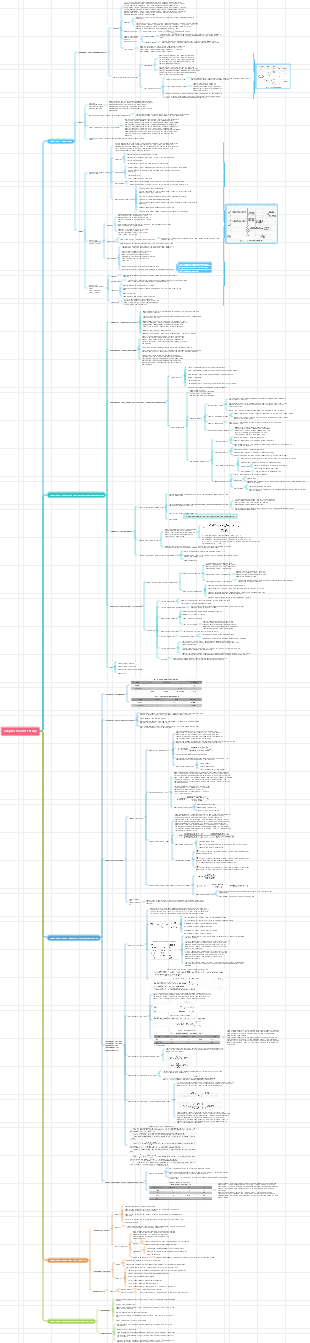
MindMap Gallery array research
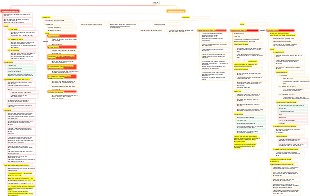
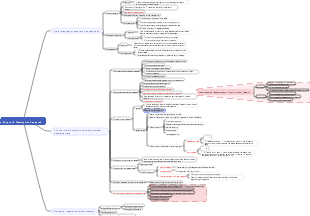
The preventive medicine statistical cohort study is to divide a well-defined group of people into exposed groups and non-exposed groups according to whether they are exposed to certain suspicious factors, track the outcomes of the studied diseases, and compare the differences in the frequency of disease outcomes between the two groups. Analyze and infer the impact of the exposure on the disease.
Edited at 2024-01-19 15:38:02This is a mind map about bacteria, and its main contents include: overview, morphology, types, structure, reproduction, distribution, application, and expansion. The summary is comprehensive and meticulous, suitable as review materials.

This is a mind map about plant asexual reproduction, and its main contents include: concept, spore reproduction, vegetative reproduction, tissue culture, and buds. The summary is comprehensive and meticulous, suitable as review materials.
This is a mind map about the reproductive development of animals, and its main contents include: insects, frogs, birds, sexual reproduction, and asexual reproduction. The summary is comprehensive and meticulous, suitable as review materials.
This is a mind map about bacteria, and its main contents include: overview, morphology, types, structure, reproduction, distribution, application, and expansion. The summary is comprehensive and meticulous, suitable as review materials.
This is a mind map about plant asexual reproduction, and its main contents include: concept, spore reproduction, vegetative reproduction, tissue culture, and buds. The summary is comprehensive and meticulous, suitable as review materials.
This is a mind map about the reproductive development of animals, and its main contents include: insects, frogs, birds, sexual reproduction, and asexual reproduction. The summary is comprehensive and meticulous, suitable as review materials.
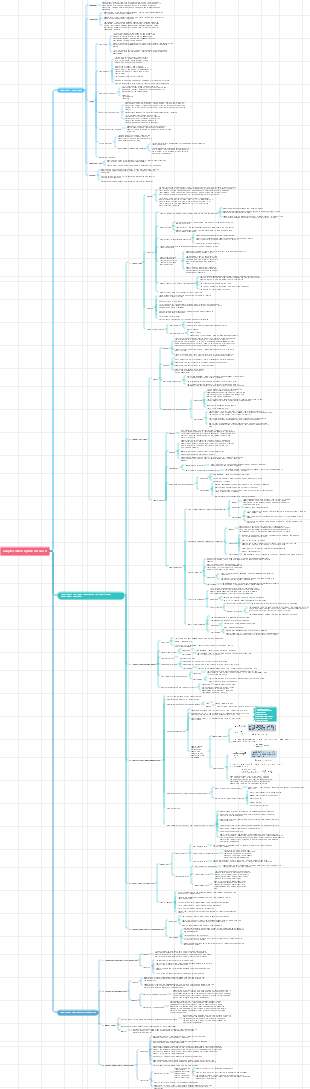
array research
Overview
Fundamental
It is to divide a well-defined group of people into exposed groups and non-exposed groups according to whether they are exposed to a certain suspicious factor, track the outcomes of the studied diseases, compare the differences in the frequency of disease outcomes between the two groups, and analyze and infer the impact of the exposure factors on the disease. Impact
Research characteristics
1. An observational research method
2. A prospective study
3. The frequency of outcome occurrences can be calculated directly
4. Establish a control group
Type of Study
prospective cohort study
Research subjects are immediately included in the cohort at the beginning of the study and are grouped according to their exposure status. The study outcome has not yet occurred and needs to be observed for a certain period of time to obtain it. It is also called an immediate cohort study.
Advantages: The results are correct and reliable.
Disadvantages: large sample size required, long observation time, high cost
retrospective cohort study
Study subjects were identified and grouped based on the history obtained at the beginning of the study Depending on the exposure status of the subjects in the data, disease outcomes were determined at the start of the study. It has also been obtained from historical data, also known as historical cohort study
Advantages: saving time, effort, quick results
Disadvantages: The completeness and accuracy of historical data affects the results
bidirectional cohort study
is a combination of prospective and retrospective cohort studies, after completing a historical After the cohort study, proceed with the prospective cohort study
Offers the best of both worlds, but takes longer and is more expensive
use
1. Test the hypothesis of etiology
2. Research on the natural history of diseases
3. Evaluate the preventive effect of spontaneous behavior
Cohort study data analysis
rate calculation
Cumulative incidence (CI)
For a relatively stable observational cohort, cumulative incidence or mortality can be calculated
Incidence density (ID)
When the dynamic changes of objects in the queue are large
observing time human time
Human years, human months and human days, etc.
Calculation method
exact method
On an individual basis, the number of person-hours is calculated based on the time of entry into the queue and termination of observation; the results are accurate, but time-consuming
approximation
Number of hours of observation = Number of people observed * Observation time
life table method
Significance test of difference in rates
X2 test
Calculation of the strength of association between exposure and disease
Relative risk (RR)
Also known as rate ratio or hazard ratio
It is the ratio of the incidence rate of the exposed group to the incidence rate of the non-exposed group, indicating how many times the risk of disease in the exposed group is that of the non-exposed group, that is, the risk of disease increased due to exposure
The meaning of RR value
RR=1, indicating that there is no association between exposure and disease;
RR>1 means that the greater the exposure, the more diseases, and the exposure factors may be risk factors for the disease;
RR<1, indicating that the greater the exposure, the less the disease, and the exposure factors may have protective significance in reducing the occurrence of the disease.
How to estimate the 95% confidence interval for RR:
If the 95% confidence interval of the RR includes 1, it indicates that the relationship between the exposure factor and the disease is not statistically significant or the risk of disease caused by exposure is not significantly higher than that without exposure.
Attributable risk (AR)
Also known as specific risk or rate difference
It is the difference between the incidence rate of the exposed group and the incidence rate of the unexposed group, indicating the excess incidence of diseases increased due to exposure.
The relationship between RR and AR
RR reflects the increased risk of disease caused by exposure, indicates the risk of disease caused by exposure factors, and has etiological significance.
AR illustrates the excess incidence of diseases increased due to exposure in a certain population, which has disease prevention and public health significance.
Attributable risk percentage (AR%)
The proportion of morbidity or mortality in an exposed population that is attributable to a factor as a percentage of all morbidity or mortality
Population-attributable risk and population-attributable risk percentage (PAR and PAR%)
Standardized death ratio (SMR)
Subtopic 1
Advantages and Disadvantages
advantage
shortcoming
1. Not suitable for etiological research on diseases with very low incidence; 2. The study requires a long observation and follow-up time, and it is difficult to maintain the subject's compliance, which is prone to loss-to-follow-up bias; 3. Time-consuming, laborious and expensive
1. The morbidity or mortality rate can be directly obtained, and the relative risk can be directly estimated; 2. Exposure history data is more accurate, and exposure levels can be divided into grades, making it easier to calculate the dose-response relationship; 3. Strong ability to identify antecedents and consequences, and test etiological hypotheses; 4. Helps understand the natural history of disease; 5. Can be used to understand the relationship between an exposure and multiple disease outcomes.
Common biases and their control
1. The loss to follow-up rate should preferably not exceed 15%; 2. Historical cohort research, some research subjects may have lost records due to file loss. incomplete; 3. If the research subjects are composed of volunteers, who are in good health or have some special tendency or habit; 4. Early patients are not found at the beginning of the study, which may cause selection bias; 5. If the sampling method is incorrect or not strictly implemented, it will lead to selection bias.
Systematic errors produced during data collection are called information bias, also known as misclassification bias. Misclassification bias occurs to the same extent in each observation group, which is called indifferent misclassification. Indifferent misclassification underestimates the strength of the association. Misclassification bias has different chances or degrees of occurrence in each group, which is called differential misclassification
Confounding bias and control
Confounding means that the relationship between the factors under study and the results is confounded by other external factors. This external factor is called a confounding variable, and the bias caused is called confounding bias. Age and gender are the most common confounding factors