MindMap Gallery experimental research
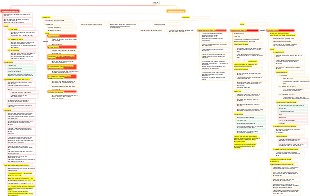
The experimental research content of preventive medicine epidemiology is a prospective research method to judge the effect of intervention measures by comparing the outcomes of the experimental group and the control group after intervention measures are given.
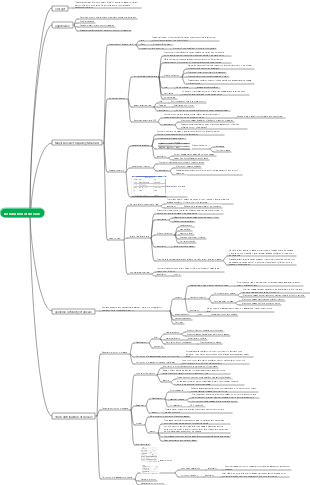
Edited at 2024-01-19 15:35:51This is a mind map about bacteria, and its main contents include: overview, morphology, types, structure, reproduction, distribution, application, and expansion. The summary is comprehensive and meticulous, suitable as review materials.

This is a mind map about plant asexual reproduction, and its main contents include: concept, spore reproduction, vegetative reproduction, tissue culture, and buds. The summary is comprehensive and meticulous, suitable as review materials.
This is a mind map about the reproductive development of animals, and its main contents include: insects, frogs, birds, sexual reproduction, and asexual reproduction. The summary is comprehensive and meticulous, suitable as review materials.
This is a mind map about bacteria, and its main contents include: overview, morphology, types, structure, reproduction, distribution, application, and expansion. The summary is comprehensive and meticulous, suitable as review materials.
This is a mind map about plant asexual reproduction, and its main contents include: concept, spore reproduction, vegetative reproduction, tissue culture, and buds. The summary is comprehensive and meticulous, suitable as review materials.
This is a mind map about the reproductive development of animals, and its main contents include: insects, frogs, birds, sexual reproduction, and asexual reproduction. The summary is comprehensive and meticulous, suitable as review materials.
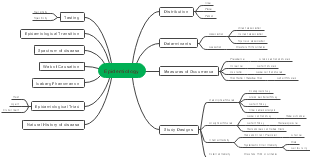
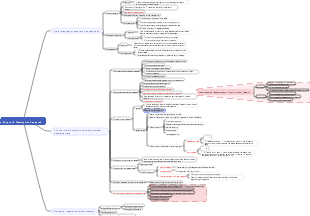
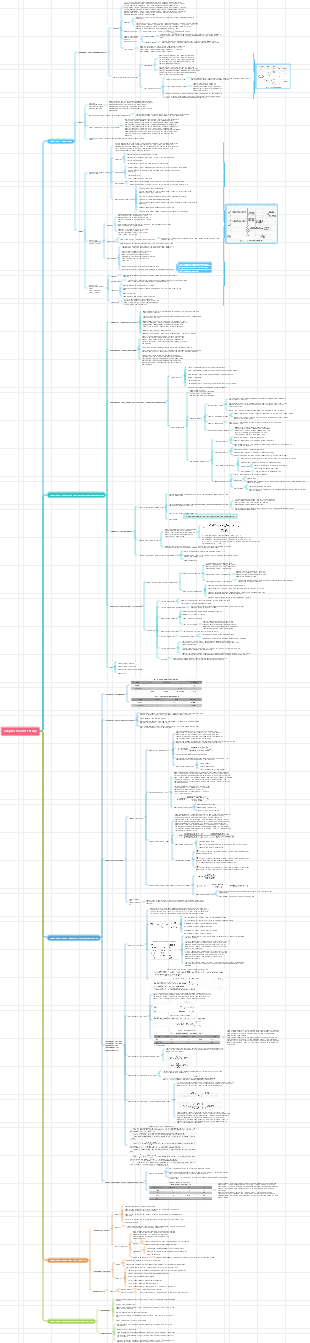
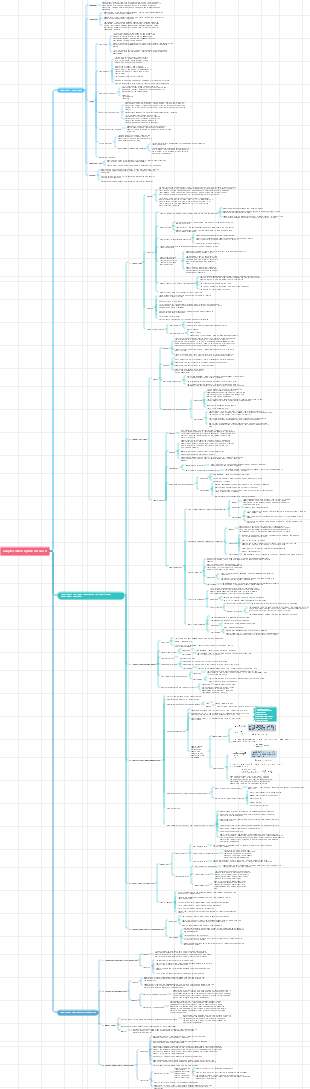
experimental research
Overview
Also known as experimental epidemiological studies or intervention studies
concept
A prospective research method that compares the outcomes of the experimental group and the control group after intervention to determine the effectiveness of the intervention.
Basic Features
Forward-looking
randomization
Balance
Interventions
Main types
Divided by research objects
Clinical Trials
The research object is the patient
Commonly used to study the effects of a certain drug or treatment method and perform diagnostic tests
Field trials (individual trials)
Natural populations as research subjects
Mainly used for etiology research and effectiveness evaluation of vaccines and preventive measures
individual
community intervention trial
Experimental observations on natural populations as a whole
Often used to assess or evaluate certain preventive measures or methods
Divided according to basic characteristics
real experiment
Quasi-experiment
3 basic elements
subject
The basic unit that receives a treatment factor, also called an experimental subject
Basic conditions
Sensitive to processing factors
The reaction must be stable
processing factors
Factors that are applied to subjects and whose effects need to be observed and elucidated in clinical experiments are also called intervention factors.
experimental effect
The effect of processing factors on the subjects' reactions and outcomes is also the core content of experimental research.
Principles of observing indicators
objectivity
Subjective indicators are susceptible to the psychological factors of the subject and are arbitrary and accidental.
Objective indicators have good authenticity and reliability
specificity
It reflects the ability of the index to identify true negatives. An index with high specificity can better reveal the role of treatment factors, is less susceptible to interference from confounding factors, and can reduce the false positive rate.
sensitivity
Reflects the indicator's ability to detect true positives. Indicators with high sensitivity are sensitive to external factors, can better display the effects of processing factors, and can reduce the false negative rate.
Accuracy
Accuracy The closeness of observed values to true values is mainly affected by systematic errors
Precision refers to how close the observed value is to its mean when repeated observations are made. The difference is considered a random error.
Observation of indicators
Blinding: Reduce the influence of subjective factors of research subjects and researchers (information bias)
Single blind, double blind, triple blind
4 basic principles
Contrast principle
placebo control
Blank control
Experimental control
self control
Standard control
randomization principle
simple random grouping
stratified randomization
Cluster randomization
Repeat principle
Repeat of entire experiment
Repeat with multiple subjects
Repeated observations of the same subject
Advantages and Disadvantages of Experimental Research
advantage
1. The inclusion conditions, exposure conditions and results of the research subjects can be Conduct standardized assessments; 2. Increase the comparability of the experimental group and the control group through random grouping; 3. Synchronous observation, external factors have little impact on the results
shortcoming
1. Design, implementation and analysis are relatively complex; 2. Since the conditions of the research subjects are strictly controlled, the population under study may lack representativeness, which affects the inference of the experimental results to the overall population; 3. Since the research subjects are humans, subject compliance is not easy to ensure, and sometimes medical ethics disputes may arise.
Clinical Trials
Main types
Randomized controlled trial (RCT)
Definition: A prospective study conducted among patients to determine the effectiveness and value of a treatment or preventive measure by comparing the results of a treatment group with a control group.
Phases of drug clinical trials
Phase I clinical trial
Preliminary clinical pharmacology and human safety evaluation tests (approximately 10-30 people), observe the human body's tolerance to new drugs and pharmacokinetics, determine the safe dose range, and provide a basis for formulating dosing regimens
Phase II clinical trial
Formal clinical trials, through blinded randomized controlled trials (about 100 to 300 people), make a preliminary evaluation of the effectiveness and safety of new drugs, providing a basis for the design of phase III clinical trials and the determination of dosage regimens.
Phase III clinical trial
Expanded multi-center blinded randomized controlled clinical trials (approximately 1,000 to 3,000 people) to further verify the effectiveness and safety of drugs, monitor side effects, compare with standard treatments, and collect information on safe drug use
Phase IV clinical trial
Post-marketing monitoring of new drugs, which examines drug treatment and adverse reactions (especially rare side effects) under widespread use, is generally carried out two years after trial production.
case report form (CRF)
It is the way to record clinical data in clinical trials.
The CRF is made in triplicate, marked with different colors, and copied using carbonless copy paper.
Basic Features
human test subjects
prospective follow-up study
prone to bias
It takes time to accumulate
The main purpose
1. Treatment research 2. Diagnostic research 3. Screening studies 4. Prognosis research 5. Cause research
Issues that should be noted
clinical compliance
Poor compliance is an obstacle to achieving prevention and treatment goals
clinical inconsistency
placebo effect
There are also cases where the control group using a placebo showed improvement that exceeded that of not taking the drug at all.
regression to the mean
Some extreme clinical symptoms or signs have a phenomenon of returning to normal, which is called regression to the mean.
non-randomized concurrent controlled trial
crossover design trial