MindMap Gallery World History 23-Renaissance (Part 1)
After the Dark Middle Ages, capitalism sprouted, and the emerging bourgeoisie began to step onto the political stage, requiring a new ideology, and the Renaissance was born. Nothing can be broken or established.
Edited at 2024-01-18 16:47:44This is a mind map about bacteria, and its main contents include: overview, morphology, types, structure, reproduction, distribution, application, and expansion. The summary is comprehensive and meticulous, suitable as review materials.

This is a mind map about plant asexual reproduction, and its main contents include: concept, spore reproduction, vegetative reproduction, tissue culture, and buds. The summary is comprehensive and meticulous, suitable as review materials.
This is a mind map about the reproductive development of animals, and its main contents include: insects, frogs, birds, sexual reproduction, and asexual reproduction. The summary is comprehensive and meticulous, suitable as review materials.
This is a mind map about bacteria, and its main contents include: overview, morphology, types, structure, reproduction, distribution, application, and expansion. The summary is comprehensive and meticulous, suitable as review materials.
This is a mind map about plant asexual reproduction, and its main contents include: concept, spore reproduction, vegetative reproduction, tissue culture, and buds. The summary is comprehensive and meticulous, suitable as review materials.
This is a mind map about the reproductive development of animals, and its main contents include: insects, frogs, birds, sexual reproduction, and asexual reproduction. The summary is comprehensive and meticulous, suitable as review materials.
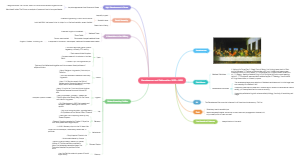
World History 23-Renaissance (Part 1)
1.Background
The Black Death and the crisis of feudalism in late medieval times. Europe entered a turbulent period of total collapse.
In the mid-14th century, Europe was devastated by the Black Death, which claimed two-fifths of the lives of Europeans and continued to spread; it was accompanied by hunger, war, ignorance, indifference, superstition and death brought about by the crisis of feudalism. Disorder and economic collapse.
In the 14th century, Europe entered the dawn of modern civilization. The sprouts of capitalism appeared in Venice, Florence and other places in Italy. The emerging bourgeoisie began to step onto the political stage, requiring new ideologies and new academic and cultural support. The modern spirit emerged. led to the Renaissance.
The New Cultural Movement, which opposed theocracy and feudalism, became the force that held up modern Europe.
2. The birth of humanism
Scholars, artists, and scientists have a strong desire for change.
Artists Leonardo da Vinci, Michelangelo, and Brunelleschi connected science, art, and literature. Pay attention to people as individuals; understand your own physiological and psychological structure and thinking process.
humanistic proposition
Study human values/spirit/life/happiness. It is argued that knowledge is valuable only if it is applied.
Social improvement and the realization of the value of human life are entirely human affairs.
Knowledge is power, and people need to complete history through the display of their own abilities.
humanistic characteristics
① Human beings have dignity, and human nature is not evil. Human imperfection is entirely due to lack of learning and knowledge.
② Human beings not only have personal dignity, but also have free will and initiative, and can freely choose and act freely.
3. New art forms
Architecture: Connecting people and space; representative work - the Catholic Church in Lorenzo.
Brunelles designed the octagonal dome for the Catholic church in Florence. The dome with windows reflects the human spirit of seeking freedom from bondage. The multifaceted structure as a whole symbolizes the composite structure of modern European civilization.
Looking from top to bottom: the new monarchy (nation-state), the new economic structure supporting politics (various production activities of farmers and citizens), the new bureaucracy and standing army between the monarch and citizens (maintaining social order and defending the motherland), the left and right Various universities that cultivate management and technical talents; the big dome symbolizes the modern society as a whole in which all parts develop harmoniously, which is both multi-faceted and coordinated.
Poets: Three Renaissance Masters: Dante, Petrarch, and Boccaccio.
Dante's "Divine Comedy"; "Rebirth" (completely negating the scholasticism of the Middle Ages, and the culture began to turn);
Boccaccio rebuilt civilization; he wrote "The Decameron" during the period of the Black Death. The real theme was how to create a truly useful culture to completely transform the existing world.
Geography: great discoveries and a new understanding of the universe.
Columbus's geographical discoveries and Galileo's new theory of the universe; knowledge used to develop a new understanding of the universe.
Anthony made the Amirari hemisphere for the Medici family to demonstrate the movement of the universe and demonstrate their power.
Education prospers the country: Modern higher education was born in universities like Oxford and Cambridge.
The study of cultural and scientific knowledge has completely changed the ignorance and pessimistic worldview of the Middle Ages. Human beings have the opportunity to control their destiny through education. Knowledge is the basis for human creativity;
Painting: Bold use of brilliant colors to set off people entering a new golden age.
Raphael, Leonardo da Vinci, Titian; "Mona Lisa's Smile" is not an aristocratic woman but a businessman's wife, implying the changes in women's social status;
The Statue of David is one of the most important symbols of the Renaissance. It symbolizes the strength and courage of young people, the guardian of truth and courage. The only way for Europe to get rid of the past is to fight with a healthy spirit.
Globe Theatre: Popular works enlighten society.
The Globe Theater was built by actors and playwrights. The 16th-century playwright Shakespeare and the 17th-century poet Milton were the two brightest stars in British history after Chaucer. Describe emotions that are common to human beings; combine neoclassical literature with folk novels and citizen culture; popular works enlighten society.