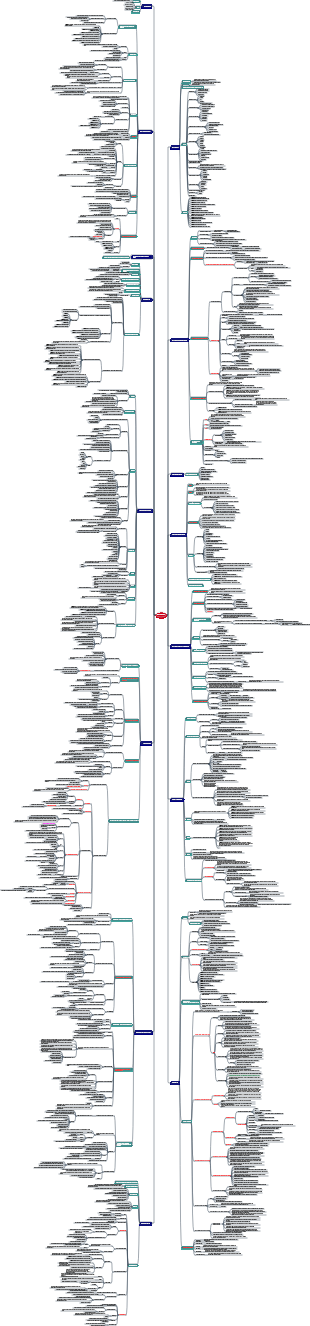
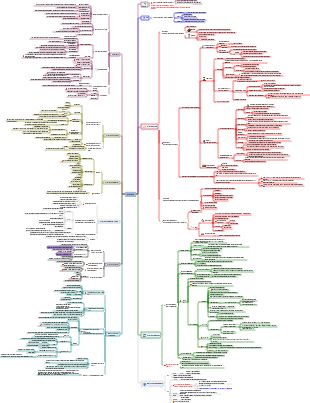
MindMap Gallery Preparation of operating procedures [Integrated version of laws and regulations]
As a basic skill of safety management, the preparation of operating procedures must be able to compile and review, provide opinions, and give methods. On the basis of preparation for many companies, Shandong DB37/T 2401-2022 safe production operations of hazardous chemicals positions Guidelines for writing procedures, China Chemical Industry Association TCCSAS 026-2023 Chemical Enterprise Operating Procedure Management Standards, "Guidance on Strengthening Chemical Process Safety Management" (Work Safety Supervisor III [2013] No. 88), AQ/T3034-2022 Chemical Process Safety The management guidelines and the "Guidelines for the Investigation and Management of Safety Risks in Hazardous Chemical Enterprises" (Emergency (2019) No. 78) are currently in the first edition. From the perspective of compliance and practicality, they will be gradually improved in the future. We hope to provide more information to the general public. A little help from security managers.
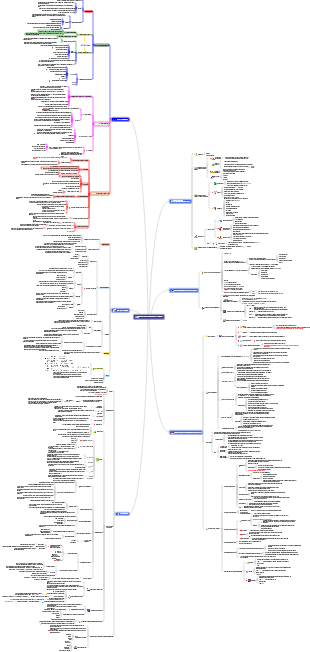
Edited at 2024-01-17 10:35:55This is a mind map about bacteria, and its main contents include: overview, morphology, types, structure, reproduction, distribution, application, and expansion. The summary is comprehensive and meticulous, suitable as review materials.

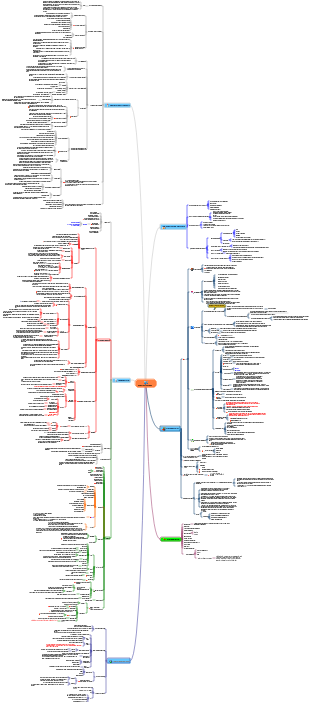
This is a mind map about plant asexual reproduction, and its main contents include: concept, spore reproduction, vegetative reproduction, tissue culture, and buds. The summary is comprehensive and meticulous, suitable as review materials.
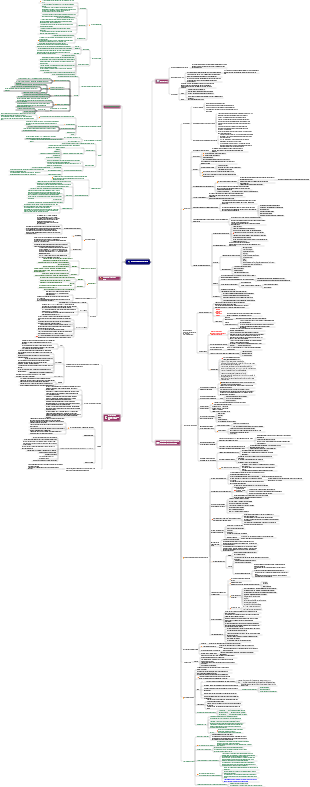
This is a mind map about the reproductive development of animals, and its main contents include: insects, frogs, birds, sexual reproduction, and asexual reproduction. The summary is comprehensive and meticulous, suitable as review materials.
This is a mind map about bacteria, and its main contents include: overview, morphology, types, structure, reproduction, distribution, application, and expansion. The summary is comprehensive and meticulous, suitable as review materials.
This is a mind map about plant asexual reproduction, and its main contents include: concept, spore reproduction, vegetative reproduction, tissue culture, and buds. The summary is comprehensive and meticulous, suitable as review materials.
This is a mind map about the reproductive development of animals, and its main contents include: insects, frogs, birds, sexual reproduction, and asexual reproduction. The summary is comprehensive and meticulous, suitable as review materials.
operating procedures
4. Text of regulations
1. Operation position setting
1. Position name
Combined with process and operation content settings
2. Job tasks
Briefly describe what to do, not how to do it
3. Position jurisdiction
Team, area, production line, process node
4. Job responsibilities
Incorporate accountability
5. Job qualifications
Job standards
Security Standardization 5.2
6. Personal safety and occupational health precautions during operation.
2. Process safety information
1. Chemical hazard information
raw material
Excipients
Gongfu
Middle
by-product
product
2. Process technology information
a-Process flow diagram
b-Production process principle
c-Process indicators and operating parameters, clarify the normal control parameters of material balance table, energy balance, material ratio, temperature, pressure, flow, liquid level and other process parameters, including design values, normal control ranges, alarm values and interlock values etc. (design value ≤ low interlock value ≤ general low alarm value ≤ control range ≤ high alarm value ≤ design value), list the interlock list or interlock logic diagram, and clarify some important on-site instrumentation process indicators.
List of process control indicators for production equipment
Device interlocking list (or interlocking logic diagram, including DCS and SIS interlocking)
Important instrumentation and process indicators at the installation site
d-Maximum storage capacity of materials involved
e-Process interlocking settings
3. Process equipment information
a-Main equipment and equipment name, tag number, structure, material, size, container type, design temperature and pressure, operating temperature and pressure, etc.
Equipment list
b-Equipment diagram
c-process control system
DCS
PLC
d-security system
Such as safety relief system, safety instrument system, inert gas protection system, etc.
4. Risk analysis and assessment results
Abnormal situations and accident types that may occur in this position, and discussion of the results
Dual prevention system
3. Start and stop operations
drive
a) Preparation work before driving. Safety inspection confirmation before driving, requirements for operators (training and education status, qualification certificates obtained, occupational taboos, etc., number of people gathering), requirements for personal protective equipment, etc., and stipulates production equipment (equipment, pipelines, valves, instruments and meters) Preparations and requirements for starting a vehicle, and stipulating requirements for supporting public works (water, electricity, steam, and gas).
b) drive. The start-up steps are compiled according to the order of the company's process flow, including the scope and conditions of the operation (indicate the time, location, object, purpose), operation steps or procedures (preparation process, operation process, end process), operation standards, operation process review and control , safety matters and precautions during the operation, items, equipment, appliances and their numbers used in the operation, etc.
c) According to the company's driving sequence and status, the driving steps can be written in hierarchical levels.
Drive after normal maintenance
1. Position A-Steps 1, 2, 3
2. Position B-Steps 1, 2, 3
3. Position C-Steps 1, 2, 3
Driving after an emergency stop
1. Position A-Steps 1, 2, 3
2. Position B-Steps 1, 2, 3
3. Position C-Steps 1, 2, 3
parking
Normal parking
Clearly follow the plan and gradually reduce the addition of materials until the reaction completely stops, then stop the steam supply, water supply, cooling and pressure reduction, etc. Before parking, you should prepare a parking plan, preparations before parking, detailed operating steps for parking, etc.
Normal parking procedures
1. Position A-Steps 1, 2, 3
2. Position B-Steps 1, 2, 3
3. Position C-Steps 1, 2, 3
Temporary parking procedures
1. Position A-Steps 1, 2, 3
2. Position B-Steps 1, 2, 3
3. Position C-Steps 1, 2, 3
emergency pull over
a) Local emergency shutdown refers to the emergency shutdown of a certain (part of) equipment or a certain (part of) production system during the production process. Specific requirements for information communication with upstream and downstream processes, stopping of feeding, temporary storage of materials in the equipment, or discharge to accidental discharge parts (such as flares, vents, etc.) should be clarified.
b) Comprehensive emergency shutdown refers to the emergency shutdown of the entire production equipment system during the production process. The DCS control and on-site operation requirements for comprehensive emergency stop of feeding, emergency relief, emergency cooling, etc. of the production device should be clarified.
The basic steps
1. Position A-Steps 1, 2, 3
2. Position B-Steps 1, 2, 3
3. Position C-Steps 1, 2, 3
4. Normal operation
The normal operation content should clearly define the methods and operating requirements for loading and unloading the device and adjusting control parameters during the normal production process.
Equipment operating procedures
The basic steps for operating key equipment should be clarified, and the adjustment methods of the main parameters for normal operation and detailed operating precautions should be stipulated.
Process operating procedures
1. Position A-Steps 1, 2, 3
2. Position B-Steps 1, 2, 3
3. Position C-Steps 1, 2, 3
Temporary operation
Clarify the requirements for possible temporary operations of the production device (including operations in the event of changes in technical routes and equipment).
5. Emergency operations
Clarify emergency response principles
Abnormal working conditions
The handling of abnormal working conditions should clarify the control range of normal working conditions, possible serious deviations or failures, analyze the causes, identify the consequences of deviations from normal working conditions, and clarify the steps to correct or prevent deviations from normal working conditions.
serial number
Normal operating condition control range
Possible serious deviation or malfunction
Cause Analysis
cause consequences
Disposal steps
emergency operation
Emergency operation requirements for abnormalities in public works should be clearly defined
a) Emergency operations for abnormal situations such as water outage, steam outage, meter air outage, circulating water outage, power outage, etc.;
b) Emergency operations for abnormal situations such as DCS failure;
c) Emergency operations for other abnormal situations.
1. Deviation of process parameters
The handling of abnormal working conditions should clarify the control range of normal working conditions, possible serious deviations or failures, analyze the causes, identify the consequences of deviations from normal working conditions, and clarify the steps to correct or prevent deviations from normal working conditions.
Process correction
step 1
Step 2
Step 3
2. Equipment abnormality
Specifies the adjustment methods of main parameters for normal operation and detailed operating precautions
Abnormal correction
step 1
Step 2
Step 3
3. Emergency response to accidents
Clarify the contents of the on-site emergency response card, making it concise and practical
emergency plan
On-site disposal
Combined with reality
6. Patrol inspection
a-Specify the frequency, timing and records of inspections
b-Stipulate specific inspection routes, contents and standards
c-Check the scope of activities covered by the content lock and the equipment and facilities designed by the lock
e-Check the tools and tools that require thin belts and how to use them
7. Shift handover
The work steps, precautions, etc. for handover should be clarified.
8. Labor protection
For the hazard characteristics and protection requirements of the main hazardous chemicals used, stored and produced, please refer to the relevant content in the Chemical Safety Data Sheet.
Make corresponding provisions on the configuration, use and maintenance of labor protection supplies and first aid supplies.
6. Attachments to regulations
Attachments include but are not limited to the following
a) Main equipment structure diagram;
b) Equipment floor plan;
c) Layout diagram of flammable and toxic gas detection and alarm devices;
d) Layout drawing of fire protection facilities;
e) Related record forms.
f) Operation process template
5. Application and management
1. The centralized management department of the safety production operating procedures should be clarified, the adaptability and effectiveness of the safety production operating procedures should be confirmed every year, and the safety production operating procedures should be reviewed and revised at least every 3 years. Relevant management personnel, technical personnel, operators and trade union representatives should be organized to participate in the review and revision of production safety operating procedures. It should be reviewed and revised in a timely manner when the following situations occur:
a) When national production safety laws, regulations, procedures and standards are abolished, revised or newly promulgated;
b) When there are major changes in the ownership, structure, and scale of the enterprise;
c) When production facilities are newly built, expanded or renovated;
d) When there are changes in processes, technical routes and equipment;
e) When the superior safety supervision department puts forward relevant rectification opinions;
f) When problems related to rules and regulations are discovered during the safety inspection and risk assessment process;
g) When analyzing the causes of major accidents and repeated accidents and discovering institutional factors;
h) Other related matters.
2. Compilation and revision of operating procedures
1. Enterprises should organize professional management personnel and operators in the workshop to prepare and revise operating procedures by professional management departments. They should follow the relevant technical procedures provided by suppliers and the collected safety production information, risk analysis results, and mature safe operations such as similar device operations. Experience is incorporated into operating procedures.
2. The operating procedures should at least include:
The content of operating procedures should at least include
1. Post production process flow, process principles, material balance sheets, energy balance sheets, normal control ranges of key process parameters and alarm interlock settings, consequences of deviations from normal working conditions, methods and steps to prevent and correct deviations from normal working conditions;
2. Operation steps and safety requirements for normal start-up, normal operation, temporary operation, emergency operation (abnormal handling), normal shutdown and emergency shutdown of the device;
3. List of process parameters, including design values, normal control ranges, alarm values and interlock values;
4. Information on the hazards of hazardous chemicals involved in the position, emergency response principles, and personal safety and occupational health precautions during operation.
3. The operating procedures should be reviewed by the professional management department after extensive solicitation of modification opinions, and finally reviewed by the technical person in charge, approved by the person in charge, and then implemented. They should be numbered uniformly and have a specified effective date.
4. If new equipment, new processes, new technologies or new materials are adopted, the enterprise should organize the modification or supplement of relevant operating procedures after implementing changes to the relevant processes and equipment.
5. The final text of the operating procedures should comply with the relevant requirements of the unit’s quality management system, and the document carrier can be a paper version or an electronic file.
6. Enterprises should prepare process cards based on operating procedures. The content of the process card should include key operating requirements and key safety control indicators of the production device. The relevant content should be consistent with the content in the operating procedures.
7. After the enterprise runs smoothly during trial production, the enterprise should organize technical personnel to review the operating procedures and revise them if necessary.
8. Enterprises should evaluate and confirm the adaptability and effectiveness of operating procedures and process cards every year.
8. The enterprise should review the operating procedures at least every three years. When the following situations occur, the operating procedures should be reviewed in a timely manner and revised according to the review results.
a) The relevant national laws, regulations, procedures and standards on production safety are abolished, revised or newly promulgated;
b) New construction, expansion and reconstruction of production facilities;
c) Changes in processes, technical routes and equipment;
d) When analyzing the causes of major accidents and repeated accidents and discovering operational factors;
e) When a production safety accident occurs in an enterprise or an accident occurs in a similar process device in the industry, the operating procedures should be reviewed in a timely manner
9. Encourage employees to share safe operating experience and participate in the preparation and revision of operating procedures.
3. Use and operation of operating procedures
1. Enterprises should establish operating procedures and process card management systems, and clearly define the procedures and responsibilities for preparation, review, approval, issuance, use, revision and abolition
2. After approval, training and learning for relevant personnel should be organized in a timely manner and distributed to relevant positions. The operating procedures should be distributed to relevant positions after approval. Professional management departments should regularly check the implementation of operating procedures, promptly correct illegal operating behaviors, communicate with employees, analyze the reasons for illegal operations, and change operating procedures when necessary.
3. It should be ensured that the latest version of safe production operating procedures and process card paper copies are always available at the work site to facilitate on-site operators to check at any time. The abolished operating procedures of the enterprise should be recalled in a timely manner to prevent the mixing of new and old versions of operating procedures.
4. Training and assessment of operating procedures
1. Enterprises should regularly organize employees to conduct training and assessment on safe production operating procedures.
2. When the operating procedures are modified or revised, the operators in the relevant positions should be trained and assessed in a timely manner
3. New, transferred and reinstated employees must receive training on job operating procedures and can take up their posts independently only after passing the assessment.
4. Enterprises should continuously improve the procedures for handling various abnormal working conditions based on actual conditions and operating experience, and conduct training and assessment of employees' ability to handle abnormal working conditions to ensure that personnel in relevant positions can handle abnormal working conditions in a timely and appropriate manner.
3. Structure and format
The Operating Procedures for Safety Production of Hazardous Chemicals Positions consists of a cover page, writing team members, approval page, preface, table of contents, index of changes and modifications, text content, and attachments.
2. Basis for writing
a) National laws, regulations, rules, standards and relevant provisions related to production safety;
b) Process design documents;
c) Equipment instructions;
d) Production process;
e) Practical operating experience;
f) Accident and incident cases;
g) Risk analysis and assessment results.
1. Writing principles
1. It should be written in accordance with the principles of comprehensiveness, science, and operability. The main or key operation steps should not be omitted, and each operation step should be described in place.
2. The concept should be clear, the expression accurate, the writing concise, the language concise, the terminology consistent, the safety production operating procedures for different positions have a unified structure and format, and the content is complete.
3. Management and technical personnel in relevant positions, relevant majors, and operators with operating experience should be organized to participate in the preparation of the report
4. When the unit of measurement is involved, the legal unit of measurement should be used, which can be expressed by the name of the unit of measurement or the symbol corresponding to the unit of measurement, and the units of measurement expressed before and after are consistent.
5. The risks of this position should be fully identified and evaluated before writing. Hazard and operability analysis (HAZOP), job hazard analysis (JHA), safety checklist (SCL) and other analysis methods can be used to identify hazard sources and risks. evaluate. The preparation of safety production operating procedures should fully consider the inherent risks of the position itself and possible abnormal situations and accidents, and should fully absorb the conclusions and suggestions of fine chemical reaction safety risk assessment, safety evaluation, hazard and operability analysis and other reports , prepare operating procedures based on the relevant technical regulations provided by the supplier and the collected safety production information, risk analysis results, and operating experience of similar devices.
6. Be consistent with other documents of the company and avoid conflict. For hazardous chemical positions that do not involve part of the text, the relevant content can be omitted from the safety production operating procedures.
Note
DB37/T2401-2022 Guidelines for Writing Safety Production Operating Procedures for Hazardous Chemicals Positions
T-CCSAS 026-2023 Chemical Enterprise Operating Procedures and Management Specifications
AQ/T 3034—2022 Chemical Process Safety Management Guidelines (including Document No. 88)
"Guidelines for the Investigation and Management of Hidden Safety Risks in Hazardous Chemical Enterprises" (Emergency [2019] No. 78)