MindMap Gallery Fogg Behavioral Model (B=MAP)
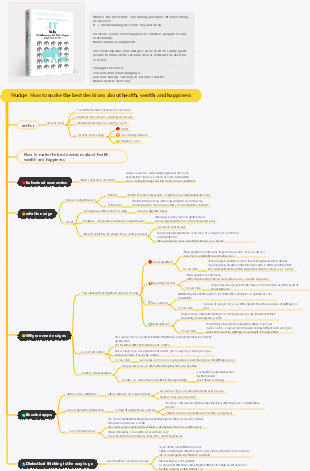
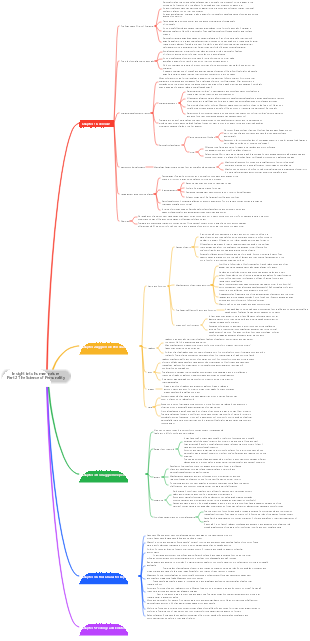
The Fogg Behavior Model (B=MAP) is a behavior analysis model proposed by Professor Fogg, Dean of the Behavioral Research Institute at Stanford University. It points out that the occurrence of a behavior (Behavior) is mainly determined by motivation (Motivation) and ability (Ability). and prompt (Prompt) are determined by these three elements. Change yourself painlessly, find a "shining" feeling in life, no competition, no anxiety, and a method of behavior that does not rely on willpower. Mini Habit Development Manual.
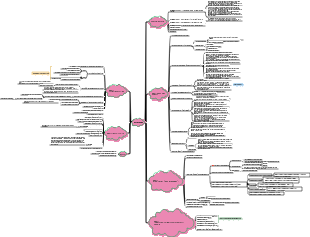
Edited at 2024-10-17 09:00:10Diese Vorlage zeigt die Struktur und Funktion des Fortpflanzungssystems in Form einer Mind Map. Es führt die verschiedenen Komponenten der internen und externen Genitalien ein und sortiert das Wissen eindeutig aus, um Ihnen dabei zu helfen, mit den wichtigsten Wissenspunkten vertraut zu werden.
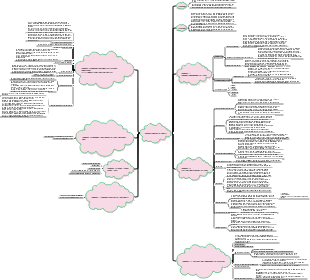
Dies ist eine Mind Map über die Interpretation und Zusammenfassung des Beziehungsfeldes E-Book, des Hauptinhalts: Überblick über die Essenzinterpretation und Übersicht über das Feld E-Book. "Relationship Field" bezieht sich auf das komplexe zwischenmenschliche Netzwerk, in dem ein Individuum andere durch spezifische Verhaltensweisen und Einstellungen beeinflusst.
Dies ist eine Mind Map über Buchhaltungsbücher und Buchhaltungsunterlagen.
Diese Vorlage zeigt die Struktur und Funktion des Fortpflanzungssystems in Form einer Mind Map. Es führt die verschiedenen Komponenten der internen und externen Genitalien ein und sortiert das Wissen eindeutig aus, um Ihnen dabei zu helfen, mit den wichtigsten Wissenspunkten vertraut zu werden.
Dies ist eine Mind Map über die Interpretation und Zusammenfassung des Beziehungsfeldes E-Book, des Hauptinhalts: Überblick über die Essenzinterpretation und Übersicht über das Feld E-Book. "Relationship Field" bezieht sich auf das komplexe zwischenmenschliche Netzwerk, in dem ein Individuum andere durch spezifische Verhaltensweisen und Einstellungen beeinflusst.
Dies ist eine Mind Map über Buchhaltungsbücher und Buchhaltungsunterlagen.
Fogg Behavioral Model (B=MAP)
background principles
People only do this when they feel good.
When we don’t get the results we expected, we start to criticize ourselves (if we had worked harder and followed the plan more closely, we wouldn’t have…), when in fact, the problem is not with ourselves, but with the methods we take to change. .
Information-Action Fallacy: If we can provide people with the right information, we can change their attitudes and therefore their behavior
subtopic
Three things that lead to lasting change: enlightenment, changing your environment, and changing your habits in subtle ways.
Maui Habit: First thing every morning
feel successful
motivation
Changes in other people’s motivations are included in the book Influence
Sources of motivation: PAC-Characters (from people’s inner needs), actions (from related benefits and penalties brought by actions), situations (current environment)
Momentum of success (high frequency of small successes)
Motives are complex, most unpredictable and unreliable. Motivation waves: short-term surges in motivation, and then a sharp decline (buying Christmas hats around Christmas, early and late in the day.), wishes: long-lasting motivations.
Desires (wanting your child to succeed in school), outcomes (getting an A), and behaviors (things you can do now or at a specific moment)
Fogg Principle 1: Help people do what they already want to do
No one is judging you at this time. Please imagine whether you will feel a little cringe or excited when you do this. These two feelings are completely different. The key here is the difference between "want" and "should"
Fogg Principle 2: Help people feel successful
celebrate
Emotions create habits, no need to repeat them
decisions and habits
Rewards and incentives
The timing of rewards is very critical
in principle
timeliness
When you think of it, when you do it, when you complete it
Find ways to celebrate that truly create a sense of "glow"
Celebrate with force
It is not used when the behavior is stable, but it can be used when changing the environment or expanding the scale of the habit.
Celebrating the Blitz
ability
Adjust ability values to make things easier.
What makes this behavior difficult to do (ability factor)
is there enough time
funds
physical strength
Does it require a lot of creativity or brainpower?
Does it fit in with your current schedule?
How to make this behavior easier to do
Improve skills
Search the Internet and receive training (when the motivation is strong)
Get resources and tools
Make the behavior small
Getting started (first step)
downsize
Skill
1. The key to behavioral processing is to know how many new habits you can develop at one time and when you can add more.
As one habit becomes autonomous, start adding another—if this process makes you feel optimistic and you can see the path forward more and more clearly, you're doing something right.
2. The key to self-insight is: knowing which new habits are meaningful to you.
Be the person I want to be, help me achieve my important desires, be small but have a big impact
3. Step by step, the key is to know when to push yourself (take a step back) and make the habit more difficult
1. Don’t put too much pressure on yourself to try to develop higher-order habits. If you are sick, tired, or even just in a bad mood, scale down the behavior to the smallest possible level. You can always raise the bar if you want to do more, but you can always lower the bar to the minimum if necessary. Flexibility is part of the skill. 2 If you want to do more, don't limit yourself. Let motivation tell you how much to do and how to do it. 3. If you do a lot, be sure to celebrate the extra effort. If you put too much pressure on yourself to improve a habit, you risk feeling miserable or frustrated, which in turn weakens the habit. If this happens, you can offset the negativity by celebrating yourself twice as much. 4. Use emotional markers to help you find boundaries. Emotions such as frustration, pain, and avoidance are signs that something is wrong with your habits, perhaps because the difficulty level is rising too much, too quickly. But if you are feeling a little tired of your current habits, then you may need to make it more difficult.
4. Scenario design, the key is: redesign the scenario to make the habit easier to execute.
5. The key to mentality adjustment is: embracing a new identity
1. Embrace the identity you want to embrace and complete "I now consider myself to be..." 2. Participate in activities related to people with new identities 3. Learn the lingo and understand who the experts are 4. Wearing clothes is also a way to show identity Common Tips 4. Update your social media pages with a profile photo that reflects your new identity and see how people react. 5. Teaching others or being a role model can strengthen your perception of your new identity.
hint
Character tips
Take action through reminders by yourself (instinct, memory) or others---unreliable
Scenario reminder
Prompt action through something in the surrounding environment - suitable for single actions
Action tips
Prompt follow-up activities through existing agenda (anchor)
Order behavior---at me. . . After that, I will. . .
Step 1 - Identify anchor points (things that are bound to happen in life)
Match physical location, match frequency, match purpose
Step 2 - Use experimentation to connect anchors to golden behaviors
Step 3--Use "Last Action" to Optimize Anchor Points
behavioral design steps
clear wishes
It’s okay to change things until you find what you really want to do.
Explore behavior options
behavioral clusters
If I want to. . . , then what do you think I should do to succeed?
Concrete (specifically what to do, when, where)
Match yourself to specific behaviors
focus map
For the degree of influence of wishes, first estimate and then adjust
Feasibility and reality of behavior
can i make myself do it
Do I want to do this?
The new habits we get in the end are behaviors we can do even when we are busiest, least motivated and in the worst condition.
Start with mini habits
Find the right hint
celebrate success
Remove obstacles, repeat and expand