MindMap Gallery Key factors affecting adolescent growth
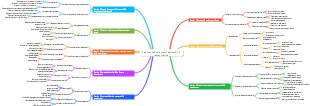
Home, school, society, reality, and virtuality, this mind map is not only a comprehensive review of the factors that affect the growth of teenagers, but also an inspiration for how we can better guide and support the healthy growth of teenagers.
Edited at 2024-11-23 10:31:40Rumi: 10 dimensions of spiritual awakening. When you stop looking for yourself, you will find the entire universe because what you are looking for is also looking for you. Anything you do persevere every day can open a door to the depths of your spirit. In silence, I slipped into the secret realm, and I enjoyed everything to observe the magic around me, and didn't make any noise. Why do you like to crawl when you are born with wings? The soul has its own ears and can hear things that the mind cannot understand. Seek inward for the answer to everything, everything in the universe is in you. Lovers do not end up meeting somewhere, and there is no parting in this world. A wound is where light enters your heart.
Chronic heart failure is not just a problem of the speed of heart rate! It is caused by the decrease in myocardial contraction and diastolic function, which leads to insufficient cardiac output, which in turn causes congestion in the pulmonary circulation and congestion in the systemic circulation. From causes, inducement to compensation mechanisms, the pathophysiological processes of heart failure are complex and diverse. By controlling edema, reducing the heart's front and afterload, improving cardiac comfort function, and preventing and treating basic causes, we can effectively respond to this challenge. Only by understanding the mechanisms and clinical manifestations of heart failure and mastering prevention and treatment strategies can we better protect heart health.
Ischemia-reperfusion injury is a phenomenon that cellular function and metabolic disorders and structural damage will worsen after organs or tissues restore blood supply. Its main mechanisms include increased free radical generation, calcium overload, and the role of microvascular and leukocytes. The heart and brain are common damaged organs, manifested as changes in myocardial metabolism and ultrastructural changes, decreased cardiac function, etc. Prevention and control measures include removing free radicals, reducing calcium overload, improving metabolism and controlling reperfusion conditions, such as low sodium, low temperature, low pressure, etc. Understanding these mechanisms can help develop effective treatment options and alleviate ischemic injury.
Rumi: 10 dimensions of spiritual awakening. When you stop looking for yourself, you will find the entire universe because what you are looking for is also looking for you. Anything you do persevere every day can open a door to the depths of your spirit. In silence, I slipped into the secret realm, and I enjoyed everything to observe the magic around me, and didn't make any noise. Why do you like to crawl when you are born with wings? The soul has its own ears and can hear things that the mind cannot understand. Seek inward for the answer to everything, everything in the universe is in you. Lovers do not end up meeting somewhere, and there is no parting in this world. A wound is where light enters your heart.
Chronic heart failure is not just a problem of the speed of heart rate! It is caused by the decrease in myocardial contraction and diastolic function, which leads to insufficient cardiac output, which in turn causes congestion in the pulmonary circulation and congestion in the systemic circulation. From causes, inducement to compensation mechanisms, the pathophysiological processes of heart failure are complex and diverse. By controlling edema, reducing the heart's front and afterload, improving cardiac comfort function, and preventing and treating basic causes, we can effectively respond to this challenge. Only by understanding the mechanisms and clinical manifestations of heart failure and mastering prevention and treatment strategies can we better protect heart health.
Ischemia-reperfusion injury is a phenomenon that cellular function and metabolic disorders and structural damage will worsen after organs or tissues restore blood supply. Its main mechanisms include increased free radical generation, calcium overload, and the role of microvascular and leukocytes. The heart and brain are common damaged organs, manifested as changes in myocardial metabolism and ultrastructural changes, decreased cardiac function, etc. Prevention and control measures include removing free radicals, reducing calcium overload, improving metabolism and controlling reperfusion conditions, such as low sodium, low temperature, low pressure, etc. Understanding these mechanisms can help develop effective treatment options and alleviate ischemic injury.
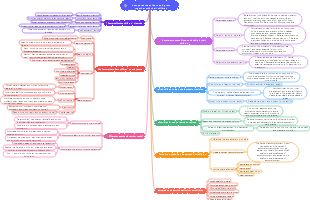
Key factors affecting adolescent growth
family education environment
Parents’ education level
Parents’ educational background
The impact of parents’ knowledge reserves on children’s learning attitudes
Parents’ understanding and importance of education
Parenting methods
Educational methods used, such as encouragement or punishment
Frequency and quality of parent-child communication
family structure
Family composition
The impact of single-parent or two-parent families on children
The impact of the number of siblings on children’s social skills
family stability
The impact of parents’ marital status on children’s emotional stability
Impact of family changes such as relocation on children's adaptability
school education quality
Teacher quality
Teachers’ professional abilities
Teachers’ teaching level and knowledge update speed
Personalized attention from teachers to students
Teacher's personality charm
Teachers’ Role Model and Moral Guidance
Relationships and interactions between teachers and students
educational resources
School hardware facilities
The provision of learning resources such as laboratories and libraries
Improvement of sports facilities and art classrooms
Educational Software Resources
Diversity and innovation in curriculum
Rich extracurricular activities and clubs
Social circle and peer influence
Composition of peer groups
Social circle of friends of the same age
The size and stability of your friend circle
Diversity and inclusion in friend circles
Social opportunities within the community
Community activities develop social skills
The impact of role models within communities on behavior
interaction between peers
Positive interactions among peers
An atmosphere of learning and helping each other
The balance between cooperation and competition
negative interactions between peers
The impact of ostracism and bullying
Imitation and spread of bad behavior
media and network environment
Exposure to media content
The influence of television and film
Media content’s shaping of values and behavior patterns
Potential harms of media violence and pornography
The influence of network information
The appeal of online gaming and social media
Internet fraud and information overload
Development of media literacy
The ability to identify the authenticity of information
Teach children how to filter and process information
Enhance network security awareness and self-protection capabilities
Guidance on Media Usage
Parental and school regulation of media use
Develop healthy media consumption habits
Personal interests and hobbies
Discovery of hobbies
Discover personal interests through experimentation and experience
Interest-building opportunities provided by families and schools
Exploration of interests in social activities and extracurricular activities
Continuing development of hobbies
Family and school support for hobbies
The importance of time management and resource investment
The influence of hobbies
Impact on academic performance
Balance between hobbies and studies
The positive role of hobbies in promoting learning motivation
Impact on personal development
Cultivating personal strengths and skills through hobbies
The role of hobbies in social interaction and teamwork
Participation in social practice activities
Opportunities for social practice
Social practice organized by schools
Off-campus teaching and community service opportunities
Internships and volunteering participation
Practical opportunities provided by family and society
Sharing career experiences of family members
Community activities and public affairs participation
Harvest from social practice
Improvement of practical skills
Enhancement of practical operational skills and problem-solving abilities
Exercise social interaction and communication skills
Cultivation of values and sense of responsibility
Understanding and respecting social diversity
Increased awareness of social responsibility and citizenship
Mental health and emotion management
The importance of mental health
Identification and intervention of psychological problems
Family and school attention to psychological problems
Availability of psychological counseling services
Maintenance of mental health
Develop a positive attitude towards life and strategies for coping with stress
Conduct regular mental health education and activities
Emotion management skills
Emotional recognition and expression
Learn to recognize and understand your own emotions
Develop appropriate emotional expressions
Emotional regulation and control
Learn emotional regulation techniques and methods
Emotion management strategies for dealing with frustration and stress
Economic conditions and material support
family economic status
Access to educational resources due to economic conditions
The impact of family economic status on educational investment
Economic conditions support extracurricular activities and interest cultivation
The impact of economic conditions on quality of life
The impact of material conditions on children’s growth environment
The impact of economic pressure on family atmosphere and parent-child relationship
material support balance
Balance between material and spiritual support
Family balance between material satisfaction and spiritual care
Avoid the negative impact of materialism on children
Reasonable satisfaction of material needs
Reasonably meet the material needs of children according to family conditions
Educate children to understand and cherish material resources
Cultural background and values
The influence of family culture
The passing on of family traditions and customs
The influence of family culture on children’s identity
The role of family culture in the formation of values
family members’ values
The influence of parents’ and elders’ values on children
Value exchange and conflict among family members
Sociocultural influence
Acceptance of mainstream social values
The influence of social culture on personal behavior and thoughts
Reflection of social values in education and media
Understanding and respecting cultural diversity
Develop awareness and respect for different cultures
Develop inclusive values in a multicultural environment