 Wondershare EdrawMind
MindMap Gallery Cracking the bullying game
- 31
Cracking the bullying game
Faced with being insulted, excluded, humiliated, and ridiculed. . . . What should the child do? Dr. Philip Ayim uses games to help guide your children to gain real power in the face of bullying, providing effective "antidotes" to the common phenomenon of bullying and aggression, and striving to help more victims get them. Desperately needed help.
Edited at 2024-11-19 15:21:10
- 魯米:10個靈性的高維覺醒
魯米:靈性覺醒的10個維度。當你停止尋找自己,便會找到整個宇宙,因為你正在尋找的東西,也在尋找你。任何你每天持之以恆在做的事情,都可以為你打開一扇通向精神深處的門。靜默中,我滑入祕境,萬般皆妙樂觀察身邊的神奇,不要聲張。你生而有翼,為何喜歡爬行?靈魂擁有了它自己的耳朵,能夠聽到頭腦無法理解的事情。向內尋求一切的答案吧,宇宙中的一切都在你體內。情人們並不最終相遇某處,這個世界沒有離別。傷口是光進入你內心的地方。
- 病理生理學-心力衰竭
慢性心力衰竭,不僅僅是心率的快慢問題!它源於心肌收縮與舒張功能的下降,導致心輸出量不足,進而引發肺循環充血和體循環淤血。從病因、誘因到代償機制,心衰的病理生理過程複雜多樣。通過控制水腫、減輕心臟前後負荷、改善心臟舒縮功能,以及防治基本病因,我們可以有效應對這一挑戰。了解心衰的機制與臨床表現,掌握防治策略,才能更好地守護心臟健康。
- 病理生理學-缺血-再灌注損傷
缺血再灌注損傷是器官或組織恢復血液供應後,細胞功能代謝障礙和結構破壞反而加重的現象。其主要機制包括自由基生成增多、鈣超載以及微血管和白細胞的作用。心臟和腦是常見的受損器官,表現為心肌代謝和超微結構變化、心功能下降等。防治措施包括清除自由基、減輕鈣超載、改善代謝和控制再灌注條件,如低鈉、低溫、低壓等。理解這些機制有助於製定有效治療方案,減輕缺血性損傷。
Cracking the bullying game
- 魯米:10個靈性的高維覺醒
魯米:靈性覺醒的10個維度。當你停止尋找自己,便會找到整個宇宙,因為你正在尋找的東西,也在尋找你。任何你每天持之以恆在做的事情,都可以為你打開一扇通向精神深處的門。靜默中,我滑入祕境,萬般皆妙樂觀察身邊的神奇,不要聲張。你生而有翼,為何喜歡爬行?靈魂擁有了它自己的耳朵,能夠聽到頭腦無法理解的事情。向內尋求一切的答案吧,宇宙中的一切都在你體內。情人們並不最終相遇某處,這個世界沒有離別。傷口是光進入你內心的地方。
- 病理生理學-心力衰竭
慢性心力衰竭,不僅僅是心率的快慢問題!它源於心肌收縮與舒張功能的下降,導致心輸出量不足,進而引發肺循環充血和體循環淤血。從病因、誘因到代償機制,心衰的病理生理過程複雜多樣。通過控制水腫、減輕心臟前後負荷、改善心臟舒縮功能,以及防治基本病因,我們可以有效應對這一挑戰。了解心衰的機制與臨床表現,掌握防治策略,才能更好地守護心臟健康。
- 病理生理學-缺血-再灌注損傷
缺血再灌注損傷是器官或組織恢復血液供應後,細胞功能代謝障礙和結構破壞反而加重的現象。其主要機制包括自由基生成增多、鈣超載以及微血管和白細胞的作用。心臟和腦是常見的受損器官,表現為心肌代謝和超微結構變化、心功能下降等。防治措施包括清除自由基、減輕鈣超載、改善代謝和控制再灌注條件,如低鈉、低溫、低壓等。理解這些機制有助於製定有效治療方案,減輕缺血性損傷。
- Recommended to you
- Outline
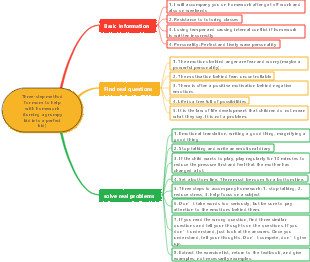
Three-step method for mom to help with homework (turning a grumpy kid into a perfect kid)
- 49
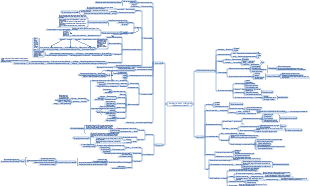
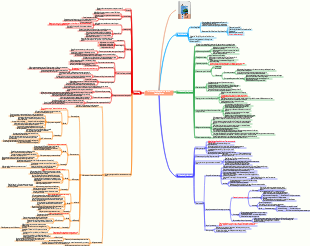
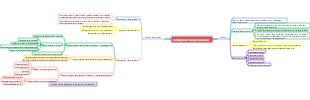
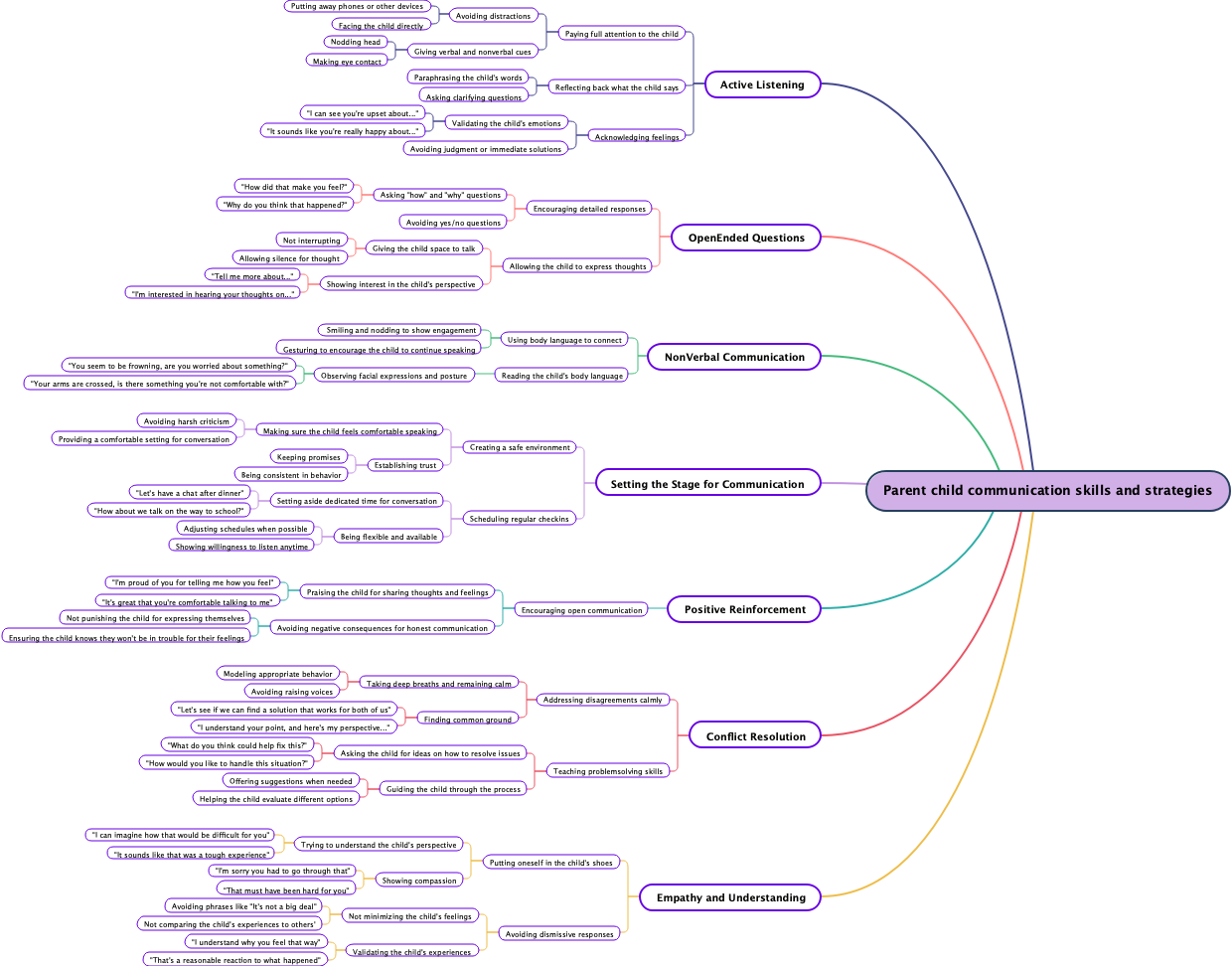

Cracking the bullying game
Chapter 1 “Can Do Better” Why Change
Chapter 2 “This is not a game” When we don’t use this method
subjective harm/objective harm
Objective harm: including robbery, leaving scars, sexual assault, leaked photos, etc.
Subjective harm: It touches the victim’s feelings and emotions, and is a kind of psychological harm. Whether and to what extent the victim feels hurt depends on how he perceives the other person's actions and interprets those words.
We can change our thoughts and emotional feelings, and we can also have the ability to change our perceptions and patterns of interaction with others.
Bullying does not end because we convince the other person, but because we succeed in getting the other person to stop the aggressive behavior.
Chapter 3 “Must Follow the Rules” What are the rules of the relationship game in the face of bullying?
Rule One: The main rule: Understand the only reason bullying happens!
Bullying exists for one reason: it works.
What the attacker achieved
He has an impact on his target, causing him pain.
The attacker reaps the rewards and wins.
Feeling empowered reinforces the other person's weakness as a victim.
There is only one principle to end bullying, which is to make it unworkable!
Rule Two: Basic Psychological Principles: Mutuality and the “Golden Rule”
One of the most basic principles of psychology and sociology is reciprocity: "We tend to respond in kind to others as they treat us."
The “Golden Rule”: Treat others the way we would like to be treated by others.
This law allows us to win games.
You must force yourself to treat everyone with kindness, generosity, and compassion.
Rule Three: Social Rules: Freedom of Speech and Opinion
The existence of freedom is to allow others to do what is allowed within the scope of the law, even if I do not agree with it.
"They have the right to say so" Free speech - let them exercise that right and they won't have to fight to get it.
Rule Four: Rules of Thought: No Remote Control
No one can control other people's thoughts.
Give others the freedom to think whatever they want! You can't control or remotely control others, so let it go.
We need to teach our children to clearly distinguish between situations that are forbidden, dangerous, and must be stopped immediately, and situations that just make us unhappy.
Rule Five: Rules of Emotions: Mental Toughness
Mental toughness refers to the ability to self-repair emotions. It is the ability not to be overwhelmed or dominated by emotions in difficult situations. It is the ability to maintain emotional stability or return to a certain stable emotional state when facing disturbing people, things, and objects. ability.
We can transcend the impact of words on emotions. We can decide that those words cannot harm us, and that words can only have the rights we give them.
Part of mental toughness is the decisions we make. This decision is: "I am going to be happy today, even if you hate me; I am going to be happy because I choose to be happy." Marshall Luxemburg, the founder of nonviolent communication, mentioned "emotional responsibility", that is, our feelings belong to us, We should not let others determine how we feel.
Mental toughness is the ability to refuse to take in things that don’t belong to me. If I am the target of violence and I do not want to be the target, I can refuse to receive violence. “If someone insults you, leave the insults to him, that’s his problem!
Our emotions are precious and we can learn to recognize them.
We need to know where it is safe to express emotions in an appropriate way to someone who will listen;
Know the moments to avoid letting our emotions become a weapon for someone to use them against us and use our emotions to defeat us.
The goal of the game: gain true power
Those who fight back out of anger may not necessarily have real power even if they finally gain the right to dominate.
He cannot withstand verbal attacks; he cannot control his emotions; he succumbs to the relationship patterns initiated by his attacker; he uses the rules set by his attacker - he is controlled remotely.
Real power is - don't show power!
If a person remains calm in the face of ridicule, allows the other person to have his own opinions and thoughts, he does not feel hurt at all, and can maintain his original smile, the attacker's attack will not work.
Chapter 4 “Spend Time Playing” A detailed introduction to “Fool’s Game”
explore
five questions
Tell me what did they do? Why? What have you tried? Do you want them to stop?
empathy
Putting ourselves in his shoes and showing our empathy helps create an atmosphere of trust.
Then affirm and encourage the child, listen and understand the child
reasoning
Friend/Enemy Conversion
This is to win the game (can you win the game if you don’t know the rules of the game?)
Our relationship is mutual (who considers whom friend/enemy?)
Switch roles (What was their response? What did their response mean?)
Lose/win conversion
If we feel hurt, we lose (Why did they do that? What does that do to them?)
If we don’t feel hurt, we win (imagine responding in another way?)
Strengthen and consolidate
fool's game
Phase 1: Therapist (parent, teacher, etc.) plays the victim
Stage 2: Acknowledge the child’s victory and accept the challenge
Phase 3: Therapist applies the “golden rule”
Game review
DIGERA
It's hard to really stay calm. He can pretend to be calm, "fake it, till you make it!"
We understand that they want to be angry and retaliate instead of being friendly, but the best counterattack is not to be hurt by the other party and make the other party feel powerless, so that the child can be respected and envied.
remind
Things will get worse before they get better
Must do this every time
now you
test
Universal answer There are only three reasons why we are bullied
Dominance: The aggressor seeks to enhance his or her own status by putting others down.
Ask a question
Ah, you think so?
agree
ah? All right. . .
sometimes i do
commend
How can you do it. . .
You are so lucky. I really want to be like you.
Humor: The attacker makes fun of others and laughs at them.
accept
Compliment the person who tells the joke
sincere smile
self-deprecating
Prepare jokes in advance
exaggerate
universal joke
Scratched Disc And then what? so what
If you see mine. . .
Hurt: The attacker has been hurt by something and wants revenge.
Are you angry?
Why?
I don't want to quarrel with you
i feel sorry
Chapter 5 “Who Do You Think You Are” Domination: Is he trying to put me down?
Bullied mentality: Don’t defend yourself, don’t fight back. Give him freedom of expression, he has the right to think whatever he wants. be friendly
How to answer: question/agree/compliment
Question: Neutral emotions, curiosity about others!
Ah, you think so?
Agree: What you agree with is not the other person’s point of view, but his right to say so.
ah? All right. . .
sometimes i do
Compliment: Complimenting someone who is insulting us can catch them off guard.
How can you do it. . .
You are so lucky. I really want to be like you.
Acknowledgment (the other party has the right to say this) and praise are not surrender. As long as the other party stops the aggressive behavior, we win.
Chapter Six "You Look Down on Me" Humor: Is he laughing at me?
Laugh at yourself: Unleash tremendous power without putting yourself in danger. It's healthy to laugh at yourself and accept your imperfections. Self-deprecation is a sign of mental health and confidence, and it’s also the best antidote to pride. Self-deprecation makes us less vulnerable and is a major component of mental toughness.
How to answer:
accept jokes
Compliment the person who tells the joke
sincere smile
Self-deprecation:
Prepare jokes in advance
Exaggeration - the best tool
universal joke
Scratched Disc And then what? so what
If you see mine. . .
Please remember: others see your shortcomings, weaknesses and special features earlier than you do! There is no need to hide it, the more you hide it, the more obvious it becomes. Laugh at yourself, no one will hate you for your imperfections.
Chapter 7 "It's all your fault" Hurt: Does he want to get back at me?
How to behave: The bully believes that the bullied has done something to him. Deep down, he feels that he is a victim, and what the victim needs to do is revenge!
How to answer:
are you angry with me? (Asking a question, he is mainly anti-customer. We give him the right to express in words)
Why?
I don't want to quarrel with you
I feel sorry (empathize)
Chapter 8 “Always got the answer!” Intolerance, exclusion, rumors Some suggestions on special forms of bullying
intolerant
"You don't have to agree with what they say, but at least respect their right to speak."
How to answer:
In the first stage of the game, respond with justification first
The second stage of the game is mainly about asking questions (gaining the initiative again)
obvious fact
“It’s not necessarily true, but if you think so, I can’t stop you from thinking so” (giving the other person the right to do so gives us an advantage)
Summarize
The worst thing you can do when faced with prejudice is defend yourself. Acknowledging the existence of bias, and even acknowledging that the other party has the right to be "biased" provides the possibility for discussion and reflection on the part of both parties.
exclude
How to answer:
The first stage of the game, try to reintegrate into the group
In the second phase of the game, the rules of freedom of speech are used
"If you don't want to be friends with me, that's your freedom, no problem."
Tips:
Instead of appearing angry or being self-conscious, accept reality and be curious.
"Ah, you don't want me to play with you? What happened?"
Other situations:
Forced to choose between two friends
It is He who rejects someone and forces us to reject someone too. If we are influenced, we lose; if we fight back in anger, we also lose.
What we can do is make him responsible for his choices, treat him with kindness, respect him, and not push him away or accept his suggestions.
"I am your friend and his friend. If you no longer want to be friends with me because of him, just do what you want."
rumor
The more we resist and defend ourselves, the more powerful the rumors spread.
How to answer if the rumor is false:
The first stage of the game, you deny and defend
In the second stage of the game, when he finishes telling the content of the rumor, you can ask him "Tell you what?" After he answers, throw out the "magic question" "Do you believe it?"
The attacker wants us to defend, and after this question, he is put in the position of needing to defend himself.
Secondly, and most importantly, no one likes to lose.
To defend yourself is to be at a disadvantage.
How to answer if the rumor is true:
admit. Acknowledgment is a sign of maturity and can even stimulate the other person's empathy and reduce the spread of rumors.
Chapter 9 “Put Down the Electronics” The Situation of Cyber Bullying
Cyberbullying Myths:
The first thing to blame is the Internet itself. The problem is not the Internet, but how we conduct social relationships on the Internet.
Another is to blame netizens.
There is also the hope of solving the problem in a completely different way than other bullying is dealt with. But actually, the answer is the same.
Finally, treat all types of attacks on children on the Internet equally.
Very important point:
We need to understand that the logic of relationship interactions and the victim's faulty response often make the problem worse.
First of all, let me tell you the parents
What does it mean to teach your children about the Internet? Before putting the Internet in the hands of a junior high school student, you should give him some advice.
"The Ten Commandments"
The Internet is great, but the risks are great
good
Gain knowledge and meet more people. Work, play, or even express and spread the message that matters to you and change the world.
tips:
1.Be careful yourself
2. They have freedom of expression, even on topics about you, so don’t give them the right to influence you
3. No one forces you to respond
4. If you must respond, especially when faced with ridicule, respond with humor.
5. Cyber bullying has the same principle as rumors
6. “Bad advertising is better than no advertising at all”
7. You may be afraid they’ll ruin your “reputation.”
8. If they say something bad about you to put you down, accept that they have the right to say it and do the opposite of what they expect!
9. Sometimes people say bad things about you because they are angry
10. The last point: treat netizens with kindness
Chapter 9 and Three Quarters "Stop arguing!" Bullying and Conflict A little magic from the bystander
What do adults who watch a conflict do?
In the first stage of the game, parents act as police (determine right and wrong)
Playing investigator, referee, and preacher will not make bullies more rule-abiding and more aware of their mistakes.
Conflicts between children
Why do children fight?
The kids are fighting about you! Figure out who is right and who is wrong, who should be protected and who should be punished.
What children expect is emotional and relationship satisfaction, and children want your approval.
Here are several wrong practices:
Blame the attacker: By doing so, the bully becomes angrier at the victim and the adult, and the victim becomes angrier at the bully.
Protect victims from insults and ridicule: Continue to strengthen your landline role.
Let a second group step in: other parents will hate them
Send the message to your children that what others say is important, and showing hurt can be effective.
So what to do? Amazing answer!
Situation 1: The child reported that someone scolded him
"Do you believe what he said?"
Situation 2: The child reports that someone hit him
"Are you hurt?"
Scenario 3: You heard curse words
I just heard words that didn’t quite hit my ears. . . Don't do anything! Teach him how to deal with it, but don't punish or ban him.
Scenario 4: You see your children fighting with your own eyes
Sibling fights are partly caused by parental interference. Want special attention from adults.
If your child hurts someone else (the other person was not hurt), ask the child to apologize, and there is nothing else to do!
What should you say to a child who witnesses bullying?
The first possibility: Do what the victim cannot do
There is another possibility: let the victim understand the rules of the game
What about at home? Helping children in competition and conflict
He scolded me
Do you believe what he said?
believe!
So what's the problem?
Don't believe it!
That’s great, I don’t believe it either.
he hit me
Are you hurt?
No!
Hey, great!
Yes!
Treat the wound, then go to the attacker.
Chapter 10 "This is an adult question!" Q&A
About other forms of bullying
adult
Keep calm and stop justifying yourself all the time to make them feel awesome.
Contact bullying
Sometimes a hello, thank you, and a smile are enough to catch the other person off guard.
The other party will find "a disc with scratches" very boring.
About bullies
Rather than letting them admit out of fear, it is better to do nothing. Some people no longer feel that they are victims, no longer feel angry at authority and the target of bullying, and they can only respond to their behavior after they feel that their voices are heard. Reflect to admit your mistakes.
Do they need to be punished? ("Crime and punishment should be proportional" Punishment should be related to the mistake committed.)
punish
fear and shock
Copying and other more traditional punishments change nothing, children learn nothing, and these punishments have nothing to do with the mistakes they made.
Expulsion solves nothing and does nothing to stop the escalation of violence.
Restorative Punishment
Punishment is related to behavior and focuses more on recovery rather than suppression or blow. The best situation is to agree on the rules in advance and everyone accepts them; if someone breaks the rules, they will be punished.
Do I need to meet my parents?
Parents intervene in problems between children and also need to deal with conflicts between parents.
Meet with parents and encourage parents to understand their children. Find the root of the problem.
“De-victimization”? At the end of the day, are we fighting bullies or victims?
Victims’ experiences must be acknowledged and faced, without blaming them for what happened to them. We need to acknowledge the victim’s emotions, including pain, sadness, anger, helplessness, and hopelessness, and accept them without judgment.
Acknowledging victimhood is the first step to moving away from it. “I can’t choose my past, but I can choose my future.”
"I can't lock myself in this identity. Now I am no longer a victim. I don't want to stay in the victim identity. I want to get rid of this identity. I don't want to let difficulties define me."
About emotions
Anger, disgust, revenge, fear, depression. . . These are the emotions we feel when we feel like a victim in front of an attacker. We don't just tell our children to feel and express emotions. . . You need to pay attention to how and where you express your emotions so that you can protect yourself.
We know our goals and politely say “no”
About schools and the role of adults
Swear words are just words at best. Being angry because the other person said a bad word is tantamount to giving "power" to the bad word by prohibiting the other person from using the bad word, and the children will want to say it more.
Remember one thing: kids are always imitating us.
Some children won't talk about their problems because they know their parents will interfere: going to school, etc. will only make the situation worse.
If we want kids to talk to us about bullying, we need to let them know that we won't take action for them, but will tell them how to get out of their situation.
in conclusion
Change
They need to be sensitive to evaluation----our evaluation
They cannot always be sensitive to evaluation - the evaluation of others
hope
Children enjoy viewing relationships as a game and winning the game and gaining friends.
Parents and teachers are very happy to see their children become mature and confident.
ambition
The bullied person should neither be humble nor arrogant, keep smiling and respect others.
It's more rewarding, more fun, more enjoyable
Instead of direct conflict, it is better to cooperate and win-win
Rather than being suspicious, it is better to fully trust
Instead of violence, be kind
We cannot force anyone to change, including bad people. We cannot change others, but we can change our attitudes and ways of dealing with others. In a relationship, as long as one person changes, the relationship will change.
strength
You can get out of trouble and survive without being a victim. We can live our true lives and do what we want to do, rather than living in the roles assigned to us by others.
We expect our children and future minors to live like this. They will one day get married, have children, work, and create a future world, a world in which they can live freely.
Whether they feel secure enough and empowered in their relationships; whether they have the courage to say “no”; whether they know how to listen empathetically to those who have different views than their own; or whether they are able to reach out to others in a friendly way. whether you know how to gain respect without attacking; whether you can refuse exploitation, bullying and burnout; whether you can remain rational and gain more dignity.
appendix
Where does bullying come from?
part of natural desire
sticks and stones
“Sticks and stones may break my bones, but words will never hurt me”
Whether we get hurt depends in part on how we perceive that information!
We can decide whether other people's words can affect us.
A little hypnosis
"Fake it till you make it" Fake it till you make it.
Meditation - put the body in a calm state
The Ten Commandments for Getting Along with Others at School
1. Don’t let others influence your rights;
If you get angry, you lose.
2. Overcome fear
If you are afraid, you will lose.
3. Don’t prove your innocence or defend yourself
Only those who lose in the game defend themselves.
4. Don’t attack, don’t fight back
Treat the other person as a friend, not an enemy.
5. Don’t report
6. Let others see your (physical) pain, not your anger
Don't show your mental anguish, as making you angry is exactly what the attacker wants. But you can tell the physical pain.
7. Never be a bad loser
If you lose, the best and easiest thing to do is to congratulate the winner.
Tell him you want to play with him
If you win, compliment the loser on their performance and make them want to play with you next time.
If someone cheats, "I don't think you should do that" is no need to get angry. If he admits to cheating, smile and keep playing.
8.Freedom of speech
People always fight for freedom.
9. Treat what you hear as if it were said by your best friend
Thank those who accuse you. To help you.
10. Follow the "satellite positioning system"
“Be kind, polite and smile”
Follow the "golden rule"
steal
provocative stealing
The best solution is to offer to take things to the other person, so that the focus of the relationship immediately shifts.
threaten
keep Calm
"Scratched disc"
Letter to parents of special children
Exercise mental toughness