MindMap Gallery Care for women with complications during childbirth
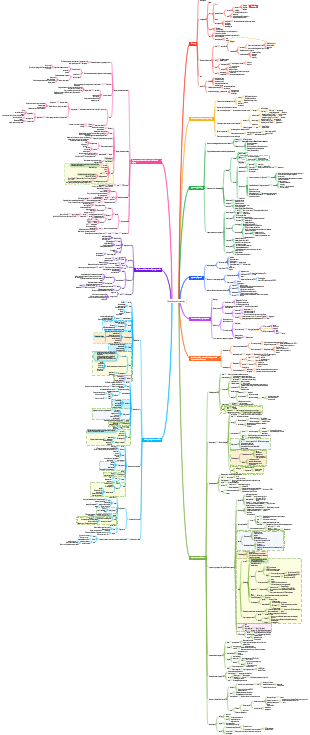
Exclusive to ysy, this is a mind map of nursing care for women with complications during childbirth. You can understand the key learning content in one picture. The knowledge points are systematic and comprehensive, so there is no need to memorize them by rote. The framework structure is clear and clear, making it easy to master the knowledge points.
Edited at 2024-11-20 10:12:20This template shows the structure and function of the reproductive system in the form of a mind map. It introduces the various components of the internal and external genitals, and sorts out the knowledge clearly to help you become familiar with the key points of knowledge.
This is a mind map about the interpretation and summary of the relationship field e-book, Main content: Overview of the essence interpretation and overview of the relationship field e-book. "Relationship field" refers to the complex interpersonal network in which an individual influences others through specific behaviors and attitudes.
This is a mind map about accounting books and accounting records. The main contents include: the focus of this chapter, reflecting the business results process of the enterprise, the loan and credit accounting method, and the original book of the person.
This template shows the structure and function of the reproductive system in the form of a mind map. It introduces the various components of the internal and external genitals, and sorts out the knowledge clearly to help you become familiar with the key points of knowledge.
This is a mind map about the interpretation and summary of the relationship field e-book, Main content: Overview of the essence interpretation and overview of the relationship field e-book. "Relationship field" refers to the complex interpersonal network in which an individual influences others through specific behaviors and attitudes.
This is a mind map about accounting books and accounting records. The main contents include: the focus of this chapter, reflecting the business results process of the enterprise, the loan and credit accounting method, and the original book of the person.
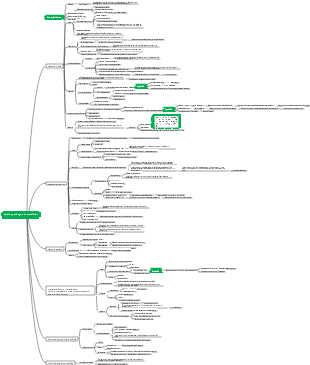
Care for women with complications during childbirth
postpartum hemorrhage
concept
It refers to the amount of bleeding within 24 hours after the delivery of the fetus ≧500 ml for vaginal delivery and ≧1000 ml for cesarean section.
Cause
Uterine atony (most common)
placental factors
retained placenta
placenta accreta
Partial placenta remains
Soft birth canal laceration
coagulopathy
clinical manifestations
vaginal bleeding
Bleeding due to uterine atony
The color is dark red, the uterus is soft and the outline is unclear.
Bleeding caused by placental factors
Heavy vaginal bleeding, dark red in color
Bleeding due to soft birth canal laceration
Vaginal bleeding occurs immediately and is bright red in color.
Bleeding due to coagulopathy
Persistent vaginal bleeding after delivery of the fetus or placenta, and the blood does not coagulate
Symptoms of hypotension
The mother may appear pale, sweat, complain of thirst, palpitation, dizziness, have a thin pulse, drop in blood pressure and other symptoms of hypotension or even shock.
nursing assessment
physical condition
Assessing the amount and speed of postpartum bleeding
If the bleeding rate is >150ml/min, the bleeding volume within 3 hours exceeds 50% of the total blood volume, and the bleeding volume within 24 hours exceeds the whole body heavy blood volume, it is considered severe postpartum hemorrhage.
Weighing method
Blood loss (ml) = [Wet weight of the dressing to collect blood after delivery (g) - Dry weight of the dressing before collecting blood (g)]/1.05 (specific gravity of blood g/ml)
volumetric method
Collect and measure vaginal bleeding in a container with a volume scale. After collection, place it in a measuring cup for measurement.
area method
Rough estimate of blood-soaked area of blood-collecting gauze
shock index
Shock index = pulse rate/systolic blood pressure (mmHg)
An SI above 2.0 indicates severe shock, and the estimated blood loss reaches or exceeds 2500 ml.
Assess for signs of hypotension
In the early stage of bleeding, the body's compensatory function means the signs and symptoms are not obvious; in the decompensation stage, the body immediately enters a state of shock.
Preliminarily determine the cause of postpartum hemorrhage
Auxiliary inspection
laboratory tests
The estimated blood loss is 400~500ml for every 10g/L drop in hemoglobin.
Measure central venous pressure
Central venous pressure lower than 2cmH₂O often indicates insufficient filling pressure of the right atrium, that is, insufficient venous blood return and insufficient blood volume.
Nursing measures
Actively prevent postpartum hemorrhage
Pregnancy
Strengthen health care during pregnancy and conduct regular prenatal check-ups
Provide psychological support
High-risk pregnant women should be transferred to a hospital with blood transfusion and rescue facilities before delivery.
labor period
first stage of labor
Closely observe the progress of labor, use uterine contraction drugs rationally, pay attention to water and nutritional supplements, and eliminate maternal tension.
second stage of labor
Correctly master and be skilled in midwifery, guide mothers to use abdominal pressure correctly, move gently and standardly, and establish intravenous access for mothers with high-risk factors
third stage of labor
Prophylactic use of uterotonics
After the delivery of the front shoulder of the fetus in the cephalic position, after the delivery of the whole body of the fetus with abnormal fetal position, and after the delivery of the last fetus in a multiple pregnancy, oxytocin is given
Correct handling of placenta delivery
Do not pull the umbilical cord too early or massage or squeeze the uterus roughly.
puerperium
Two hours after delivery is the peak period for postpartum hemorrhage. After delivery, the mother should stay in the delivery room for close observation
Encourage mothers to empty their bladders promptly and breastfeed as early as possible
Pregnant women at high risk for severe bleeding should maintain intravenous access, be prepared for blood transfusion and first aid, and keep the mother warm.
Quickly stop bleeding in patients with postpartum hemorrhage Correct hemorrhagic shock and prevent and treat infection
Methods to stop bleeding caused by uterine atony
Massage the uterus
Abdominal wall massage of the uterine fundus: the most commonly used method
Abdominal-vaginal two-hand massage of the uterus
Apply uterotonics
Oxytocin: some drugs to prevent and treat postpartum hemorrhage, the total amount in 24 hours should be controlled within 60U
Ergometrine: used as soon as possible for postpartum hemorrhage caused by uterine atony, and contraindicated in patients with hypertension and heart disease.
Prostaglandins: Contraindicated in patients with asthma, heart disease, and glaucoma
uterine tamponade
Uterine cavity balloon tamponade, uterine cavity gauze tamponade. Take it out 24 to 48 hours after packing. Before taking it out, uterotonics should be used and antibiotics can be given to prevent infection.
uterine compression suture
Suitable for patients whose uterine massage and application of uterotonic agents are ineffective and for whom hysterectomy is possible
ligation of pelvic blood vessels
Uterine artery ligation and, if necessary, internal iliac artery ligation
transcatheter arterial embolization
Femoral artery puncture was performed, a catheter was inserted into the internal iliac artery or uterine artery, and gelatin sponge particles were injected for embolization. The arterial embolization agent can be absorbed after 2 to 3 weeks, and the blood vessels can be recanalized.
hysterectomy
Hemostatic methods for bleeding caused by placental factors
retained placenta
manual removal of placenta
placenta accreta
Patients with placental adhesion: After removing the placenta with bare hands, assist in delivery For patients with placenta implanted into the muscle wall: stop manual dissection, perform pelvic vessel ligation, partial pneumatectomy of the uterus, and transcatheter arterial embolization
Retained placenta
Clean with hands or instruments
Hemostatic methods for bleeding caused by soft birth canal injury
Cervical laceration <1cm and no active bleeding: usually no suturing is required Lacerations >1cm with active bleeding: should be sutured immediately
Hemostatic methods for bleeding caused by coagulation dysfunction
Supplement clotting factors
Hemorrhagic shock care
Keep the airway open, give oxygen, quickly establish double venous channels, and replenish blood volume in a timely manner. When blood pressure is low, vasopressor drugs and adrenocortical hormones can be used
Infectious care
Uterine rupture
Cause
scarred uterus
Obstructed descent of the fetal presenting part
Improper use of uterine contraction drugs
Obstetric surgical trauma
Others: Those with abnormal uterine development or those who have had multiple uterine cavity operations are prone to uterine rupture due to the thin local muscle layer of the uterus.
clinical manifestations
threatened uterine rupture
lower abdominal pain
The uterus has tonic or spasmodic contractions that are too strong and the pain is unbearable
Pathological uterine contraction ring formation
When the descent of the fetal presenting part is blocked and the uterus contracts too strongly, the strong uterine contractions will cause the lower uterine segment muscles to be extremely stretched and thinned, while the uterine body muscles will be extremely thickened and shortened, forming an obvious annular depression between the two. It is called a pathological condensation ring. Uterine tenderness is obvious, and the ring can gradually rise to the umbilicus or above the umbilicus
Difficulty urinating and hematuria
fetal heart rate changes
Uterine rupture
incomplete uterine rupture
Partial or full-thickness rupture of the myometrium, but the serosa layer is intact, and the uterine cavity and peritoneum are not connected
complete uterine rupture
Full-thickness rupture of the uterine wall, communicating with the uterine cavity and abdominal cavity
Treatment points
threatened uterine rupture
To suppress uterine contractions, pethidine can be injected. After uterine contractions are suppressed, cesarean section is performed as soon as possible to end labor.
Uterine rupture
While actively infusing fluids, blood transfusions, inhaling oxygen, and rescuing shock, perform surgery as soon as possible regardless of whether the fetus is alive or not.
amniotic fluid embolism
concept
Amniotic fluid entering the maternal blood circulation causes pulmonary hypertension, hypoxemia, circulatory failure, disseminated intravascular coagulation, multiple organ failure and other pathological and physiological changes during delivery complications.
Cause
Intra-amniotic pressure is too high
Especially during uterine contractions in the second stage of labor, the intra-amniotic pressure can rise up to 100~175mmHg.
Sinus opening
Rupture of fetal membranes
Most amniotic fluid embolisms occur after rupture of fetal membranes
Pathophysiology
allergic reaction
arterial hypertension
inflammatory damage
intravascular coagulation
clinical manifestations
prodromal symptoms
How long have you had non-specific symptoms such as holding your breath, choking, shortness of breath, palpitation, chest pain, dizziness, restlessness, nausea and vomiting?
The fetal heart rate decelerates and the baseline variation of the fetal heart rate disappears
Cardiopulmonary failure and shock
Sudden dyspnea, cyanotic convulsions, coma, hypotension, tachycardia, decreased blood oxygen saturation, rales at the base of the lungs
coagulopathy
Systemic bleeding tendency, mainly uterine bleeding
Acute renal failure and other organ damage
The kidneys and central nervous system are the most commonly damaged organs and systems
Nursing measures
Prevention of amniotic fluid embolism
Closely observe the progress of labor, strictly control the indications and methods of using uterine contraction drugs, and prevent and treat excessive uterine contractions
Manual rupture of membranes is not performed at the same time to reduce damage to small blood vessels in the cervical canal.
Protect the uterine incision before puncturing the amniotic membrane to prevent amniotic fluid from entering the open blood vessels at the incision.
Early detection of oblique placenta, premature placental contractions and other complications and timely treatment
For those who induce labor in the second trimester, amniocentesis should not be performed more than three times; when performing forceps and curettage, the fetal membranes should be punctured first, and the amniotic fluid should flow in before forceps are used to remove the fetal mass.
Treatment and cooperation of amniotic fluid embolism
Increase oxygen and
Keep airway open
circulatory support therapy
Maintain hemodynamic stability
Dopaminbutol, phosphodiesterase inhibitor
Relieve pulmonary hypertension
Sildenafil, prostacyclin, nitric oxide and endothelin receptor antagonists
liquid management
Treatment during cardiac arrest
High-quality CPR. Pregnant women who have not given birth should be placed in a supine position with a left tilt of 30° to prevent the weight-bearing uterus from compressing the inferior vena cava.
Anti-allergic
High-dose glucocorticoids
Correct coagulation disorders
Heparin is not often recommended
Disease monitoring
Obstetric management
If amniotic fluid embolism occurs in front of you, immediate termination of pregnancy should be considered; if coagulation dysfunction occurs, hysterectomy should be performed quickly
Organ function support and protection