MindMap Gallery Abnormalities of the fetus and its appendages
Exclusive to cxl, it introduces a summary of knowledge points such as twin pregnancy, fetal distress, placental abruption, placenta previa, abnormal amniotic fluid volume, premature rupture of membranes, etc. Hope it helps everyone!
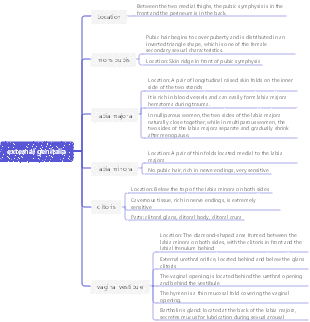
Edited at 2024-11-20 10:11:31This template shows the structure and function of the reproductive system in the form of a mind map. It introduces the various components of the internal and external genitals, and sorts out the knowledge clearly to help you become familiar with the key points of knowledge.
This is a mind map about the interpretation and summary of the relationship field e-book, Main content: Overview of the essence interpretation and overview of the relationship field e-book. "Relationship field" refers to the complex interpersonal network in which an individual influences others through specific behaviors and attitudes.
This is a mind map about accounting books and accounting records. The main contents include: the focus of this chapter, reflecting the business results process of the enterprise, the loan and credit accounting method, and the original book of the person.
This template shows the structure and function of the reproductive system in the form of a mind map. It introduces the various components of the internal and external genitals, and sorts out the knowledge clearly to help you become familiar with the key points of knowledge.
This is a mind map about the interpretation and summary of the relationship field e-book, Main content: Overview of the essence interpretation and overview of the relationship field e-book. "Relationship field" refers to the complex interpersonal network in which an individual influences others through specific behaviors and attitudes.
This is a mind map about accounting books and accounting records. The main contents include: the focus of this chapter, reflecting the business results process of the enterprise, the loan and credit accounting method, and the original book of the person.
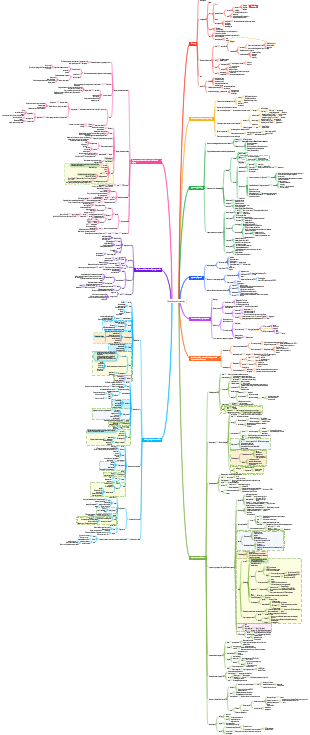
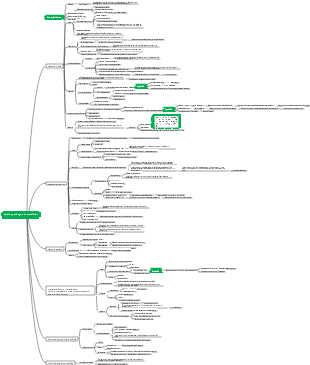
Abnormalities of the fetus and its appendages
twin pregnancy
dizygotic twins
monozygotic twins
During delivery: The mother should ensure adequate nutritional intake and sleep, and maintain good physical strength. After the first fetus is delivered, the umbilical cord on the side of the placenta must be clamped immediately to prevent blood loss from the second fetus. Use oxytocin immediately after the second baby is delivered.
fetal distress
acute fetal hypoxia
Placental factors such as placenta previa and premature placental contractions
Umbilical cord factors such as umbilical cord wrapping around the neck, knotting, twisting, and prolapse
maternal factors
chronic fetal hypoxia
The main manifestations are abnormal intrapartum fetal heart rate, abnormal fetal movement, amniotic fluid meconium contamination, and acidosis.
nursing assessment
acute fetal distress
Fetal movements are too frequent, hypoxia is not corrected or worsens, fetal movements become weaker and less frequent, and then disappear. The fetus is hypoxic and meconium contaminates the amniotic fluid. The amniotic fluid is first degree light green, second degree turbid yellow-green, and third degree thick brown.
chronic fetal distress
Fetal movement count <10 times/2h or reduced by 50% indicates the possibility of fetal hypoxia
Diagnostic points
Electronic fetal heart rate monitoring: fetal heart rate >160 beats/min or <110 beats/min
Fetal biophysical score: ≤4 points indicates fetal hypoxia
Nursing measures
Change body position: lying on your side. Reduce the frequency of uterine contractions, reduce intrauterine pressure, improve uteroplacental circulation, and increase fetal blood oxygen tension
Pregnant women inhaling oxygen
Condition observation
Assist with treatment
Care during delivery: If the cervix is fully dilated and the presenting part of the fetus has reached 3cm below the ischial spine plane, the fetus should be delivered through vaginal delivery as soon as possible.
placental abruption
After 20 weeks of pregnancy, the placenta in its normal position is partially or completely detached from the uterine wall before the baby is delivered.
Cause
Vascular disease in pregnant women: gestational hypertension
Sudden decrease in intrauterine pressure: polyhydramnios, multiple pregnancy
mechanical factors
other factors
Pathology and pathophysiology: Mainly caused by decidua basalis bleeding to form a hematoma, causing the placenta to peel off from its attachment to the uterine wall.
Overt peeling: The peeling surface is small and bleeding is mainly external.
Invisible dissection: no vaginal bleeding
clinical manifestations
Vaginal bleeding and abdominal pain accompanied by increased uterine tension and uterine tenderness, with placental detachment being the most obvious clinical manifestation
care
Correct shock and establish intravenous access
Terminate pregnancy promptly: Once diagnosed, terminate pregnancy promptly
Prevent postpartum hemorrhage: Apply oxytocin immediately after delivery of the fetus and massage the uterus to promote uterine contractions
placenta previa
After 28 weeks of pregnancy, the placenta is attached to the lower segment of the uterus, and even the lower edge of the placenta reaches or covers the internal cervical os, and is located lower than the presenting part of the fetus. The most common causes of vaginal bleeding in late pregnancy
Effects on the mother, placenta accreta, postpartum hemorrhage, puerperal infection, perinatal death and premature birth
clinical manifestations
Typical symptoms: No trigger, painless, recurrent vaginal bleeding in late pregnancy or during labor
Complete placenta previa: the first bleeding occurs early, usually around 28 weeks of pregnancy
Auxiliary inspection
B-ultrasound: the safest and most effective examination of choice
care
Treatment principles: suppress uterine contractions, correct anemia, prevent infection and terminate pregnancy in a timely manner
Observation of the condition: If there is heavy vaginal bleeding, the pregnancy needs to be terminated immediately. Quickly move to a supine position, inhale oxygen, establish intravenous access, infuse blood and fluids, monitor vital signs, and prepare for cesarean section while rescuing shock.
Prevention of infection: If you have vaginal bleeding, wash your perineum 2 to 3 times a day.
Abnormal amniotic fluid volume
Polyhydramnios: amniotic fluid volume exceeds 2000ml during pregnancy
Cause
Fetal disease: Fetal structural abnormalities
multiple pregnancy
Pregnancy complications
Placental and umbilical cord lesions: giant placenta
Idiopathic polyhydramnios
clinical manifestations
acute polyhydramnios
Less common, edema and varicose veins occur in the lower limbs and vulva between 20 and 24 weeks of pregnancy.
chronic polyhydramnios
Common, occurring in late pregnancy
Diagnostic Key Points: Criteria for Ultrasound Diagnosis of Polyhydramnios
The maximum vertical depth of the dark area of amniotic fluid: ≥8~11cm, of which 8~11cm is mild, 12~15cm is moderate, and >15cm is severe.
Amniotic fluid index: ≥25cm is diagnosed as polyhydramnios, 25~35cm is mild polyhydramnios, 36~45cm is moderate polyhydramnios, and >45cm is severe polyhydramnios.
Nursing measures
General care: low sodium to prevent constipation, give low-flow oxygen
Condition observation: Weekly review of B-ultrasound and electronic fetal heart rate monitoring
Increase comfort: Lie on left side, elevate lower limbs
Cooperation with treatment: For amniocentesis patients, the speed of amniotic fluid release should not be too fast, about 500ml/h, and should not exceed 1500ml/L.
Oligohydramnios: amniotic fluid volume less than 300ml in late pregnancy
premature rupture of membranes
Clinical manifestations: Pregnant women suddenly feel a lot of fluid flowing out of the vagina without abdominal pain.
Nursing measures
General care: Pregnant women whose fetal presentation has not yet connected should stay in bed and raise their buttocks to prevent umbilical cord prolapse.
Reduce irritation: avoid actions that increase abdominal pressure
Observe the condition
Prevention of infection: If the fetal membranes remain for more than 12 hours, use prophylactic antibiotics as directed by your doctor.
Assist with treatment