MindMap Gallery Python regular expressions
Python's regular expression (regex or regexp for short) is a powerful text processing tool used to match substrings in strings that match specific patterns.
Edited at 2024-11-19 08:53:00魯米:靈性覺醒的10個維度。當你停止尋找自己,便會找到整個宇宙,因為你正在尋找的東西,也在尋找你。任何你每天持之以恆在做的事情,都可以為你打開一扇通向精神深處的門。靜默中,我滑入祕境,萬般皆妙樂觀察身邊的神奇,不要聲張。你生而有翼,為何喜歡爬行?靈魂擁有了它自己的耳朵,能夠聽到頭腦無法理解的事情。向內尋求一切的答案吧,宇宙中的一切都在你體內。情人們並不最終相遇某處,這個世界沒有離別。傷口是光進入你內心的地方。
慢性心力衰竭,不僅僅是心率的快慢問題!它源於心肌收縮與舒張功能的下降,導致心輸出量不足,進而引發肺循環充血和體循環淤血。從病因、誘因到代償機制,心衰的病理生理過程複雜多樣。通過控制水腫、減輕心臟前後負荷、改善心臟舒縮功能,以及防治基本病因,我們可以有效應對這一挑戰。了解心衰的機制與臨床表現,掌握防治策略,才能更好地守護心臟健康。
缺血再灌注損傷是器官或組織恢復血液供應後,細胞功能代謝障礙和結構破壞反而加重的現象。其主要機制包括自由基生成增多、鈣超載以及微血管和白細胞的作用。心臟和腦是常見的受損器官,表現為心肌代謝和超微結構變化、心功能下降等。防治措施包括清除自由基、減輕鈣超載、改善代謝和控制再灌注條件,如低鈉、低溫、低壓等。理解這些機制有助於製定有效治療方案,減輕缺血性損傷。
魯米:靈性覺醒的10個維度。當你停止尋找自己,便會找到整個宇宙,因為你正在尋找的東西,也在尋找你。任何你每天持之以恆在做的事情,都可以為你打開一扇通向精神深處的門。靜默中,我滑入祕境,萬般皆妙樂觀察身邊的神奇,不要聲張。你生而有翼,為何喜歡爬行?靈魂擁有了它自己的耳朵,能夠聽到頭腦無法理解的事情。向內尋求一切的答案吧,宇宙中的一切都在你體內。情人們並不最終相遇某處,這個世界沒有離別。傷口是光進入你內心的地方。
慢性心力衰竭,不僅僅是心率的快慢問題!它源於心肌收縮與舒張功能的下降,導致心輸出量不足,進而引發肺循環充血和體循環淤血。從病因、誘因到代償機制,心衰的病理生理過程複雜多樣。通過控制水腫、減輕心臟前後負荷、改善心臟舒縮功能,以及防治基本病因,我們可以有效應對這一挑戰。了解心衰的機制與臨床表現,掌握防治策略,才能更好地守護心臟健康。
缺血再灌注損傷是器官或組織恢復血液供應後,細胞功能代謝障礙和結構破壞反而加重的現象。其主要機制包括自由基生成增多、鈣超載以及微血管和白細胞的作用。心臟和腦是常見的受損器官,表現為心肌代謝和超微結構變化、心功能下降等。防治措施包括清除自由基、減輕鈣超載、改善代謝和控制再灌注條件,如低鈉、低溫、低壓等。理解這些機制有助於製定有效治療方案,減輕缺血性損傷。
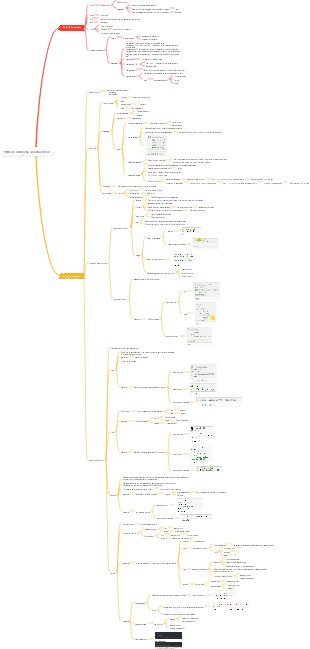
Python regular expressions
1. Basic grammar
Normal characters
match self
Such as letters, numbers, Chinese characters, etc.
For example: 'abc' matches 'abc' in the string
Special characters (metacharacters)
Characters with special meaning
Such as period (.), asterisk (*), plus sign ( ), etc.
For example: '.*' matches any number of any characters
Character class
Matches characters within a specified range
For example, abc matches 'a', 'b' or 'c'
For example, 09 matches any number
anchor point
Match the specified position
For example, ^ matches the beginning of the string
For example, $ matches the end position of the string
quantifier
Number of occurrences of a specified character or character class
For example, * means 0 or more times
If it means 1 or more times
Such as ? means 0 or 1 times
For example, {n} means exactly n times
For example, {n,} means at least n times
For example, {n,m} means at least n times and at most m times.
Grouping and capturing
Indicated by brackets ()
Create subexpression
Capture matching text for later use
or operator
Match any one of multiple expressions
If ab matches 'a' or 'b'
escape character
Cancel the special meaning of special characters
For example, \* represents the literal asterisk (*)
2.re module function
compile()
Compile regular expression pattern
Generate a reusable regular expression object
search()
Search for the first position in a string that matches a regular expression
Returns a match object
match()
Match regular expression from the beginning of the string
If the match is successful, return a matching object
fullmatch()
Match the entire string exactly
If the match is successful, return a matching object
findall()
Find all parts of a string that match a regular expression
Return a list
finditer()
Find all parts of a string that match a regular expression
Returns an iterator
sub()
Replace the part of a string that matches a regular expression
Returns the replaced string
split()
Split string based on parts matching regular expression
Return a list
3. Matching objects
group()
Returns the part matching the regular expression
You can specify the group number to get specific matching parts
groups()
Returns a tuple containing all matching subgroups
include the entire matched part
start()
Returns the starting position of the match
end()
Returns the end position of the match
span()
Returns a tuple containing the starting and ending positions of the match
4. Advanced features of regular expressions
backward-looking assertion
A type of zero-width assertion
Match a location, but exclude it from the match results
For example, (?<=abc)def only matches 'def' if it is preceded by 'abc'
lookahead assertion
A type of zero-width assertion
Match a location, but exclude it from the match results
For example, (?=abc)def only matches 'def' if it is followed by 'abc'
negative lookbehind assertion
A type of zero-width assertion
Match a location, but exclude it from the match results
For example, (?<!abc)def only matches 'def' if it is not preceded by 'abc'
negative lookahead assertion
A type of zero-width assertion
Match a location, but exclude it from the match results
For example, (?!abc)def only matches 'def' if it is not followed by 'abc'
Named capturing group
Name the capturing group
Use the form (?P<name>pattern)
Matched content can be referenced by name
Ignore case
Matching is not case sensitive
Use re.IGNORECASE or re.I flag
multiline mode
Change the behavior of ^ and $
Use re.MULTILINE or re.M flag
^ matches the beginning of each line, $ matches the end of each line
5. Common uses of regular expressions
text processing
Search and replace specific patterns in text
Data validation
Verify that the input data is in the correct format
web crawler
Extract specific information from web pages
Log analysis
Parse specific patterns in log files
String handling in programming languages
Find and manipulate string data in code
6.Definition and purpose
Regular expression concepts
Pattern used to match combinations of characters in a string
Made up of ordinary characters (such as letters and numbers) as well as special characters called "metacharacters"
Regular expression module in Python
re module
Regular expression processing module in Python standard library
Provides functions such as compiling regular expressions, searching, and replacing
7. Regular expression writing skills
Understand the needs
Explicit text pattern to match
From simple to complex
Start by writing simple regular expressions and gradually increase the complexity
Using grouping and capturing
Extract useful information by grouping and naming captures
Testing and Debugging
Use online tools or functions of the re module for testing
Avoid greedy matching
Pay attention to the difference between greedy and non-greedy when using quantifiers
Consider performance
For large amounts of data, be aware of the performance impact of regular expressions
Learn extensions to regular expressions
Learn more about advanced features like positive and negative assertions
Read documentation and examples
Read the official documentation and related tutorials of the re module
practice
Practice more to improve your ability to write and understand regular expressions