MindMap Gallery A preliminary study on educational research methodology
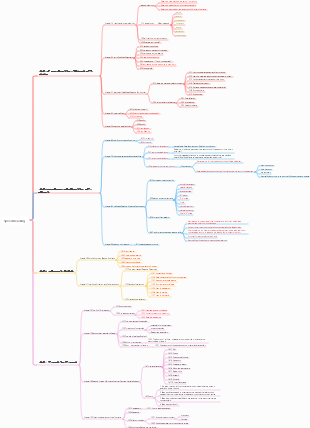
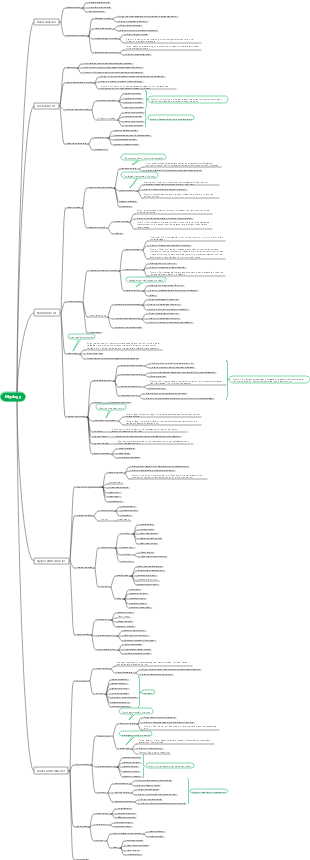
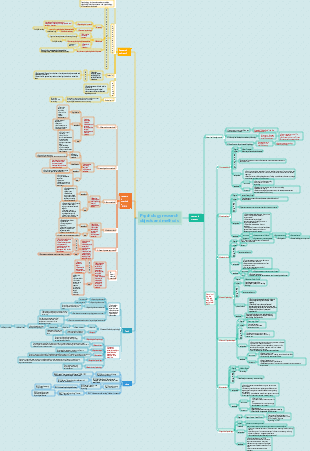
This is a mind map about a preliminary exploration of educational research methodology. The book is divided into two parts. The first part is a reflection on the educational research methodology itself and a historical review and reflection on educational research at home and abroad; the second part is from the three levels of philosophy, transversal science (including systems science and mathematics), and specialized science (including natural science and social science). Their methodological value in educational research is studied respectively, and the particularity of educational research methodology is analyzed.
Edited at 2024-11-15 23:10:12ルミ:精神的な目覚めの10次元。あなたが自分自身を探すのをやめるとき、あなたが探しているのはあなたを探しているので、あなたは宇宙全体を見つけるでしょう。あなたが毎日忍耐することは何でもあなたの精神の深みへの扉を開くことができます。沈黙の中で、私は秘密の領域に滑り込み、私は私の周りの魔法を観察するためにすべてを楽しんだが、何の騒ぎをしなかった。翼で生まれたときに、なぜcraいるのが好きですか?魂には独自の耳があり、心が理解できないことを聞くことができます。すべてへの答えを内向きに求めてください、宇宙のすべてがあなたの中にあります。恋人たちはどこかで会うことはなく、この世界には別れもありません。傷は光があなたの心に入るところです。
慢性心不全は、心拍数の速度の問題だけではありません!これは、心筋収縮と拡張期機能の減少によって引き起こされ、それが不十分な心拍出量につながり、肺循環の鬱血と全身循環のうっ血を引き起こします。原因、誘導、補償メカニズムまで、心不全の病態生理学的プロセスは複雑で多様です。浮腫を制御し、心臓の前面と後負荷を減らし、心臓の快適機能を改善し、基本的な原因を予防し、治療することにより、この課題に効果的に対応できます。心不全とマスタリング予防と治療戦略のメカニズムと臨床的症状を理解することによってのみ、心臓の健康をよりよく保護できます。
虚血再灌流損傷は、臓器や組織が血液供給を回復すると、細胞機能と代謝障害、構造的損傷が悪化する現象です。その主なメカニズムには、フリーラジカル生成の増加、カルシウム過負荷、および微小血管および白血球の役割が含まれます。心臓と脳は一般的な損傷した臓器であり、心筋の代謝と超微細構造の変化、心機能の低下などの変化として現れます。予防と制御の測定には、フリーラジカルの除去、カルシウム過負荷の減少、代謝の改善、低温、低温、低圧などの再灌流条件の制御が含まれます。これらのメカニズムを理解することは、効果的な治療オプションの開発に役立ち、虚血性損傷を軽減するのに役立ちます。
ルミ:精神的な目覚めの10次元。あなたが自分自身を探すのをやめるとき、あなたが探しているのはあなたを探しているので、あなたは宇宙全体を見つけるでしょう。あなたが毎日忍耐することは何でもあなたの精神の深みへの扉を開くことができます。沈黙の中で、私は秘密の領域に滑り込み、私は私の周りの魔法を観察するためにすべてを楽しんだが、何の騒ぎをしなかった。翼で生まれたときに、なぜcraいるのが好きですか?魂には独自の耳があり、心が理解できないことを聞くことができます。すべてへの答えを内向きに求めてください、宇宙のすべてがあなたの中にあります。恋人たちはどこかで会うことはなく、この世界には別れもありません。傷は光があなたの心に入るところです。
慢性心不全は、心拍数の速度の問題だけではありません!これは、心筋収縮と拡張期機能の減少によって引き起こされ、それが不十分な心拍出量につながり、肺循環の鬱血と全身循環のうっ血を引き起こします。原因、誘導、補償メカニズムまで、心不全の病態生理学的プロセスは複雑で多様です。浮腫を制御し、心臓の前面と後負荷を減らし、心臓の快適機能を改善し、基本的な原因を予防し、治療することにより、この課題に効果的に対応できます。心不全とマスタリング予防と治療戦略のメカニズムと臨床的症状を理解することによってのみ、心臓の健康をよりよく保護できます。
虚血再灌流損傷は、臓器や組織が血液供給を回復すると、細胞機能と代謝障害、構造的損傷が悪化する現象です。その主なメカニズムには、フリーラジカル生成の増加、カルシウム過負荷、および微小血管および白血球の役割が含まれます。心臓と脳は一般的な損傷した臓器であり、心筋の代謝と超微細構造の変化、心機能の低下などの変化として現れます。予防と制御の測定には、フリーラジカルの除去、カルシウム過負荷の減少、代謝の改善、低温、低温、低圧などの再灌流条件の制御が含まれます。これらのメカニズムを理解することは、効果的な治療オプションの開発に役立ち、虚血性損傷を軽減するのに役立ちます。
A preliminary study on educational research methodology
Chapter 1
Premise - Thoughts on "Educational Research Methodology" itself
2021 Glossary: Educational Research Methodology
What is "methodology"
Decomposition of compound concepts
The Maze Perspective of the Definition of “Methodology” (Different Levels of Methodology
Various interpretations of existing methodologies There are currently various interpretations of methodology in the academic community. We use the difference in the positioning of methodologies at the level of human understanding as a classification criterion. Divided into three categories: philosophical level, scientific or scientific philosophy level, and methodological research scope
Philosophical level
The first point of view: Philosophy is the knowledge about the worldview, a systematic and theoretical worldview, and the worldview is the methodology.
The second view: All true philosophy is a universal method of thinking and has a guiding role in methodology.
The third point of view: Contents included in philosophy: ontology, methodology, epistemology
Belongs to the level of science or scientific philosophy
The first point of view: Methodology is interpreted as the methodology of scientific understanding, which is a doctrine about the principles of the system, form and method of scientific understanding activities.
The second view: Scientific methodology is defined as the theory for the correct conduct of scientific research. This view expands the research scope of scientific methodology to include scientific theories and specific methods beyond method principles.
Within the scope of method research
The first point of view: discussing the theory of method, pointing to the method itself
The second point of view: discussion of methods and their effectiveness
Ideas for getting out of the maze (understanding of methods)
The structure of the method system The structure of the method system is related to these three dimensions 1. Relevant to cognitive tasks proposed by people 2. Relevant to the form of the cognitive object 3. Related to the basic tools used in the method And build a system of methods according to these three dimensions
The first level: the method of understanding the general characteristics and common laws of things - philosophical method
The second level: the scientific method of understanding the laws and characteristics of a certain type of thing or a certain aspect of various types of things
The third level: belongs to the individual level
The relationship between method and theory
The overall change of the method system (a certain field, a certain level or all) is achieved through the transformation of methodology
This transformation basically goes along this route:
Doubt the suitability of the original method system and the object of understanding or rediscover the research object
Reflect on and analyze the unsuitable aspects and reasons, and find breakthroughs in the theoretical basis and core parts of the method construction.
Preliminarily forming the core of new foundations and new methods
Improve the new method system in the use and promote it to the research of similar properties
Confirm and stabilize new method systems and methodologies
A new interpretation of “methodology”
Four conclusions
The composition, tasks and research value of educational research methodology
Positioning: The composition of educational research methodology is directly related to its positioning. In the methodological knowledge system, it is one of many members of the fourth level. In this position it means:
It means that educational research methodology belongs to the most basic level in the methodology system.
Its scope of objects is clear and specific, and it is unique in the methodological system. The focus of its research is methodological issues in the specific field of education.
This means that when discussing educational research methodology, we should pay attention to its vertical and horizontal relationships with other parts of other methodological knowledge systems.
Look vertically
Educational research methodology should reflect the general approach to methodology (in fields such as philosophy, systems science, mathematics, and natural and social sciences)
Educational research methodology embodies the general methodology (at different levels above its location) in its own unique way and content.
looking sideways
Interactions between educational research methodologies and related discipline methodologies
Composition and tasks
general task
To explore the relationship and adaptability of objects and methods in educational research as a whole, aiming to provide a theoretical basis for the overall development and improvement of educational research methods.
Reveal the composition and basic characteristics of the core of educational research methods suitable for education, ultimately serve educational research, improve its quality and level, and provide methodological basis for the development of educational disciplines and educational undertakings.
Overview of components and specific tasks
From the genetic perspective of historical evolution, study the relationship between objects and methods in educational research
From the perspective of methodological knowledge system construction, Discuss the construction and development of educational research methodology from the perspective of interaction between different levels and different research fields at the same level
content
Longitudinal study of the relationship between various methodologies and educational research methodologies; methodological issues
Task
Recognize the openness of the educational research methodology, the overall development of methodology, and the development of education research methodology
From the perspective of establishing the educational research method system
content
Study the theoretical foundation, core, structure, characteristics and other issues established by the educational research methodology system
Task
Analyze the suitability and inevitability of contradictions between the method system and the object as a whole in current educational research, and reveal the motivation and mechanism for the development of educational research methodology.
research value
Era level: the background of the development of philosophy and science
New disciplines, new trends of thought, and new concepts are shaking up the original world schema, thereby forging traditional scientific research methods and thinking patterns.
The cornerstone and ideological weapons for building a new world schema have gradually become necessary, and methodological basis has become a necessary prerequisite for each discipline to achieve implementable overall breakthrough progress.
The emergence of methodological research craze in various disciplines in my country in the 1980s was the belated and explosive response of the Chinese academic community to the call of the times.
Discipline level: the current status of the development of educational disciplines and the necessary conditions for achieving breakthrough development
The development level of existing theories in my country's education disciplines faces severe challenges
To make major breakthroughs in educational research and educational disciplines, there must be methodological breakthroughs
Individual researcher level: improve researcher literacy and research capabilities, and meet the requirements for high standards, in-depth, and pioneering development of scientific researcher literacy
The improvement of researchers' own literacy and research capabilities is closely related to methodological awareness and level
When knowledge has been accumulated to a certain extent, the determinant of scientific research capabilities is no longer the continued accumulation of knowledge, but is restricted by the level of methodology.
Chapter 2
The historical evolution of Western educational research
24 Short Answers: Western Education Research Trends in the Second Half of the 20th Century
pre-disciplinary period Starting point: Ancient Greek philosophers’ discussions on education The End: The Formation of Comenius’ Great Teaching Theory
Research object and central topic - the rationality of the existence of education
Different answers about the “necessity of education”
Emphasizing the utilitarian value of education, representative figures include the Sophists, Socrates, and Plato
Emphasizing the non-utilitarian value of education, the representative figure Aristotle
The ancient Greeks’ exploration of the value and purpose of education
When the ancient Greeks discussed the necessity of education, they actually discussed the value and purpose of education.
In terms of educational research, issues such as the value, purpose, significance and rationality of education have become the “first problem area”
In addition to taking the purpose as their starting point, philosophers also showed specific ways of thinking that were oriented to the educational practice of the time.
Research Methods—The Origins of Two Research Traditions
philosophical method
speculative method
Research results - the formation of prerequisite problem areas for understanding educational phenomena
Change and significance of the Middle Ages
Changes: Theological schools, religious schools, and humanistic schools each focus on different areas of education.
Vives: Using psychological research as an unnecessary basis for discussing educational issues
Significance: Begin to pay attention to and study the psychological factors of education subjects; create cognitive conditions for the birth of modern science.
Discipline Formation Period Starting Point: The Birth of Comenius’ Great Teaching Theory The End: The Publication of Herbart's General Pedagogy
"The Theory of Great Teaching" - the product of new research perspectives
The Radicalization of Naturalism—Research on “Pedrocentrism”
The formation of pedagogy as an independent discipline
An overview of the characteristics of modern educational research
The central problem area of the research focuses on the internal aspects of school education
As a new premise for deduction, psychology begins to play a fundamental role in educational research.
Philosophical outlook is still an important prerequisite for the formation of educational philosophy
Research on educational research objects, methods, theoretical foundations, etc. has begun. The internal dynamic mechanism of educational research development has initially emerged, and an independent field has initially taken shape.
Educational theories, the results of educational research, begin to play a role in guiding practice and show the strength of the theory.
The formation period of the discipline system
School disputes in educational research in the 19th century
Strife: Herbart's pedagogical theory. supporters and critics
Content of the dispute: three major issues
What values should education pursue?
nature of pedagogy
educational research methods
Breakthroughs in Educational Research in the First Half of the 20th Century
Dewey: Challenges to traditional educational concepts and the creation of new educational concepts
Challenges to the traditional concept of education: It is believed that the traditional concept of education is mechanical, ignores children's physical and mental development, and lacks children's subjective teaching
New concept of education: positivism
The formation of the trend of empirical research in education
Reasons for formation: 1. The development of natural science itself 2. The huge influence of the positivist trend of thought 3. Five forces: 1. From the development of statistical methods and their application in educational research, 2. Educational experimental research, 3. Educational survey research, 4. Education Tests and Psychological Measurements, Five Experimental Studies in Psychology
The differentiation of education and the emergence of multi-discipline
The pattern of teaching as the only theoretical form of educational research begins to be broken
The branch disciplines of education and the educational subject group formed by studying educational phenomena from different angles gradually formed
The United States and other Western countries have established departments of education majoring in education in universities.
In the second half of the 20th century, the development trend of education research
Research methods are enriched from empirical to comprehensive
The research scope expands and develops in the direction of reality and structure
The relevant disciplines of research are broadened and updated, and the awareness of reflection is strengthened.
The Enlightenment of the Development History of Western Educational Research on Cognitive Education Research Methodology
First of all, history shows us specifically the development process of educational research methodology.
Secondly, the history of educational research shows that the development of methodology to understand the relationship between research objects and methods first started with the breakthrough of the object view.
Finally, changes in methodology will inevitably bring about major changes and developments in educational research and educational understanding, which in turn will further develop educational practice.
Chapter 3
The historical evolution of educational research in China in the 20th century
2022 Discussion
Discipline Formation Period
Understand and introduce Western educational disciplines
Method: A product of learning from Japan
Content: "General Pedagogy" Herbart Demonstration Course Related Subjects
The expansion of foreign education subject research and introduction and the beginning of domestic education research
From the perspective of national text
"Introduction" is no longer limited to Japan, but gradually turns to American and English works
Judging from the content
On the one hand, "introduction" attaches great importance to the translation of original works and famous works
On the one hand, there is a trend towards diversified schools and no longer limited to one family.
Beginning of home country research
First, research related to curriculum research; Dewey's "Children and Course"
The second is research related to educational research methods; Gut's "Educational Research Method"
Historical achievements and regrets
merit
This enabled China to understand the basic status of international educational trends and subject development in a relatively short period of time.
An important step has been taken in the development of educational research and educational disciplines in China
Pity
"Introduction" makes us see the gap and feel inferior
China's educational practice research has too strong a sense of "utility" and ignores the relationship between theory and method.
Theoretical progress is not very significant and profound, and lacks the independence and profundity of theoretical research.
The formation period of the discipline system
Learn from the Soviet Union and criticize Western and pre-liberation educational thoughts and practices
Guided by Mao Zedong Thought, strive to establish a Chinese socialist education discipline
Completely negate the educational practice of the previous 17 years
Criticize the "Gang of Four" and rebuild the educational discipline system
The first stage; the awakening period
The second stage: active period
Expansion of research topics
Update on research methods
The growth and development of education disciplines
The results and changes of my country’s educational research team
The third stage: reflection period
The accumulation of history: “Chinese-style” issues in educational research methodology
How to deal with foreign cultures
How to deal with the relationship between national cultural traditions, educational heritage and contemporary educational thoughts
How to correctly apply Marxism in educational research
Chapter 4
The philosophical layer in the educational research methodology system
The status, role and composition of philosophy in the educational research methodology system
2023 Discussion
Status: Changing and Unchanged
Change: The relationship between philosophy and specific disciplines has undergone many changes in nature.
No change: No change in its position at the highest level in educational research methodology
Role: direct and indirect
direct effect
It plays a constructive role in directly providing theoretical foundations, ways of thinking, thinking routes and value orientations for the study of educational issues.
Play a critical role in reflecting on existing educational concepts and thinking methods
Pioneering role in providing multiple possible ideas for new educational theories and research
indirect effect
Changes and developments in philosophy bring about developments and changes in other disciplines and science-related disciplines related to education.
This role comes directly from other disciplines and is the result of the difference between the role of philosophy and other disciplines.
Provides ways for other disciplines to use new achievements and new ideas in philosophy to transform themselves.
Composition: Educational Research Options (Factors influencing the choice of the value of philosophy in educational research methodology)
The quality of a certain philosophy itself, as well as its own tolerance and truth
The closeness of the relationship between the central issue of a certain philosophical research and the object of educational research
The gap between the development level of a certain philosophy and educational disciplines: mainly related to the degree of acceptability and demand for various philosophical views at the development level of educational disciplines
Methodological reflections on the application of Marxism in educational research
Status: From "the only one to the "center""
Introduction
Unique: Marxism has long been recognized as the only correct methodology in educational research, and has the "only" correct status in the philosophical level of educational research methodology.
Center: With the progress of the times and the deepening of research, researchers have realized the limitations and one-sidedness of the above statement, and advocated the use of Marxist philosophy as the center of the philosophical layer of educational research methodology.
reason
In terms of the times: the emergence of new trends of thought, new concepts, and new disciplines has raised some new questions
Philosophy itself: differentiation of philosophy and diversity of themes
In terms of educational research: The comprehensive and multi-level nature of the educational research object itself determines the comprehensive and multi-level nature of the philosophical layer in the methodology.
The meaning of transformation
One means: You cannot treat other philosophies with a disregardful attitude
The second means: "guidance" and "construction" mean that we cannot simply copy it, and we should make choices guided by the core thinking of Marxist philosophy.
Reflection One: Status and Quality Analysis
Quantitative Analysis: Content Analysis Method
Qualitative analysis: divided into three levels - ① The use of quotations ② The use of intermediate basic concepts ③ The use of abstract and indirect
Reflection 2: Analysis of the reasons for understanding the perspective (Reasons for immature application of Marxism)
First of all, correctly understand Marxism itself
Secondly, understand the nature of the relationship between Marxist philosophy and educational disciplines
Discussion on improving the maturity of applying Marxism in educational research
Correctly handle the relationship between general, special and individual in cognition
The particular and the individual are the center of research in any discipline; they are a necessary condition for a correct understanding of the general.
Correctly Apply the Theory of Contradiction to Study the Nature of Internal and External Relations in Education
The theory of contradictions is reflected in two aspects: the primary and secondary aspects of contradictions; the transformation of contradictions
Correctly understand and apply the principle of unity of theory and practice
The unity of understanding and practice has a positive and far-reaching impact on educational research; practice is the only criterion for testing truth.
Contemporary Western Philosophy and Education Research Methodology
How to research methodological positioning
The modernization of basic philosophical issues: the philosophy of human existence
Foundations of Existential Philosophy: Reflections on Human Nature
The makeup of human nature
Focus on irrational aspects
What aspects of irrationality to focus on?
Human nature and comprehensiveness
Freud focused on human sexual needs
Other schools of thought focus on the higher comprehensive needs of man
How to deal with the irrational aspects of human nature
Mainly including their attitudes and evaluations
Denying the rationality of irrationality - Freud, who believed that irrationality is the inescapable nature of human beings hidden deep in the unconscious.
Maslow supported it and believed that people should pay attention to the irrational aspects of people and be satisfied.
The difference between individuality and commonality in human nature
A view that emphasizes individual differences and believes that the differences between people outweigh the commonalities
One view emphasizes the common quasi-characteristics between humans and animals, which make humans human and constitute human nature.
The particularity of human nature
Adler: Potentiality as the essential characteristic of human beings
Fromm: Focusing on human needs, the motivation and ability characteristics of life development, emphasizing human needs and the integrity of the orientation system are in line with the essence of human existence.
Emphasis on human initiative: the ability to understand oneself and reality, and to transcend oneself and reality
The development of survival philosophy: people’s way of survival and the relationship between people and the world
Some Enlightenments (Inspirations from Western Philosophy on Educational Research)
Thinking back to the origin is the starting point for rebuilding the system
On the core issues of research, we turn to intermediary relationships and processes, opening up areas that have been rarely studied in philosophy in the past.
It has pioneered the study of micro-cognition on the mechanism of individual cognition, cognition schemas, thinking tendencies, and how social cognition paradigms function and transform individuals.
Mainly research two major issues First, in a general sense - the status and role of philosophy in the educational research methodology system The second is in a specific sense - methodological issues in using philosophy to study education. ①Methodological issues in applying Marxist philosophy to educational research ②The methodological value of Western philosophy in educational research
Chapter 5
The cross-sectional scientific layer in the educational research methodology system
The positioning and composition of cross-sectional science in the educational research methodology system
The identification of transversal science and its positioning in the methodological system
The second level below the philosophical level
It is a unique combination of philosophy and science
It is the intermediary layer that transforms philosophical understanding into scientific understanding.
The multi-level nature of transversal science and its composition in the methodological system
Vertically: hierarchical
At each different level: it intersects with related disciplines to form hierarchical distinctions of different natures and levels of abstraction
Different cross-sectional disciplines have different methodological values for educational research
The methodological value of systems science in educational research
2021 Discussion
Provide a new perspective to expand and reconstruct the problem domain and object view of contemporary education research
Provide new thinking principles for studying the internal structure of education as a whole
Provide a new "structure-function" thinking model for analyzing the relationship between education and the environment
Provide a new line of thinking for studying the transformation process of the education system
Provide examples of methods for comprehensive multidisciplinary research on complex objects
Provide a series of new concepts for understanding education from a systemic perspective
The methodological value of mathematics in educational research
The historical evolution of the relationship between mathematics and educational research
Modern mathematics makes it possible for mathematics to become an educational research methodology
To improve the quantitative level of educational research, only high-quality qualitative research can meet the need for high-quality quantitative research.
Use the methodology provided by systems science to analyze various elements in educational research, and serve as a bridge to combine qualitative and quantitative research in educational research.
Improve researchers’ mathematical proficiency and quantitative research awareness and abilities
The methodological value of probability theory and mathematical statistics
The methodological value of fuzzy mathematics
The methodological value of catastrophe theory
The methodological value of mathematical foundations
Chapter 6
The specialized scientific layer in the educational research methodology system
The methodological significance of the classification and development of specialized sciences in understanding the nature of educational research
Ancient Greece: An initial exploration into the problem of knowledge classification
representative figure
Plato, Aristotle
Four classification standards
Cognitive abilities: from perception to abstract rationality
The reason why the research object exists: from freedom, for oneself, to artificial creation
Research purpose: from pure academic to applied and manufactured objects
Knowledge reflects the degree of abstraction in the world: from the highest general to the individual concrete
Modern times: the division between philosophy, natural science and social science
Bacon: Opening up the discussion on the divisions of modern philosophy
Comte: A philosophical discussion of the nature of science itself
Dilthey, Windelband, Rickert: In Defense of Spirituality
Marxism
Modern times: intersection and synthesis—new trends in scientific development
After science became an independent discipline, its internal disciplines also began to differentiate. The internal differentiation of the disciplines led to the emergence of interdisciplinary categories.
At the same time, technical science—the re-establishment of the relationship between technology and science—appears as a new family in the family of science.
Also, comprehensive science - the product of science that takes human life practice itself as the object of study, came into being during this period.
Independent disciplines, interdisciplinary disciplines, comprehensive disciplines
Enlightenment
From a classification point of view: the significance of historical analysis is to make it possible to list different factors relevant to judging the nature of a subject
From the perspective of the development process of science: 1. The development of science has profoundly revealed the complex relationship between philosophy, science and human practice. 2. It is necessary to grasp the similarities and differences between the research of this discipline and other disciplines, and to grasp the research nature of this discipline in the context of scientific development and in the comparison of disciplines and the nature of disciplines.
The methodological value of natural science research paradigm in educational research
The definition and structure of “specialized scientific research paradigm”
2022 Glossary
Challenges of the times facing the paradigm of natural science research
feature
Research scope and goals: only take facts as the research object
Research process: eliminate the influence of subject and individual factors
Regarding the expression of research conclusions: accuracy is required and mathematical language is used
challenge
Challenges in the practice of natural science research
Changes in research objects
Changes in research concepts
Changes in the research process
Understanding of the new scientific philosophy
The philosophy of science has entered a pluralistic period of disputes between schools, among which post-positivism is the most prominent
Looking at the changing trends and implications of contemporary natural science research paradigms from the perspective of postmodern scientific realism
Changing trends
Changes in studying the reality of the scientific research object and the reality of the scientific research process and the semantics of the conclusion as a unified special field of interaction
There has been an expansion in scope and changes in the nature of research
Important inspiration
The development of natural science itself promotes profound changes in a new type of philosophy
Today's natural science research paradigm absorbs or introduces several methodological principles that were considered to belong only to social science research in the past.
The understanding of the research scope of philosophy of science is the understanding of some basic issues that are inevitable or involved in scientific research.
The research on the classification, specification and function of methods in the natural science research paradigm provides a theory of quite general significance to any discipline. Natural sciences serve as examples for other disciplines to learn from
Methodological Enlightenment on the Discussion of Paradigms of Social Science Research
Raising the Question: Contributions of the 19th Century
phenomenological research paradigm
2023 noun explanation
semiotic research paradigm
hermeneutic research paradigm
2021 Glossary
Commonalities and inspirations between paradigms
common ground
Common starting point: criticize or deny the idea that natural science methodology is the only scientific methodology
Common research logic basis: in-depth discussion of the nature of the research object as the basis for constructing your own research logic
common changing trends
In terms of changing trends: showing that attention to language tends to be at the center
Focus on human spiritual activities: showing the trend of human social spiritual activities moving towards reality
In terms of understanding and the nature of truth: showing a trend of affirmation and in-depth research on the ways of understanding that exist in daily life and the truth of the results of understanding derived from them.
In terms of understanding logic and truth concepts: showing a pluralistic trend
Enlightenment
1. Start by identifying the nature of the research object in this discipline, rather than copying mature methodologies from other disciplines.
2. The thinking line constructed by spiritual and humanistic science methodology provides reference for our thinking line constructed by educational science methodology.
3. When discussing the spirit of educational research methodology and the background of humanities, we cannot ignore the changes in the understanding level and perspective of the times.
Chapter 7
Towards the End—Analysis of the Particularity of Educational Research Methodology
The particularity of educational research objects
Scope of educational research objects
education exists
Educational activities exist
educational concept existence
Reflective existence in educational research
Classification based on what kind of practice is produced and taking into account its morphological characteristics
Narrowing of educational research objects: main trends
Taking educational phenomena as the research object
Taking educational issues as the research object
Define the object of educational research as research phenomena and their laws
Generalization of educational research objects
Define the object of educational research as “people”
The scope of educational research objects is defined as “all activities that have an impact on people’s body and mind”
The structure of educational research objects
interlayer structure
1. Three types of educational existence constitute three levels. The emergence of the latter level is prerequisite for the existence of the previous level.
Educational activity type existence: it is the most basic and original object nature
Educational conceptual existence: After forming systematic theories and disciplines, it will have a guiding, guiding or penetrating influence on the activity form of education.
Educational reflective existence: appears last and has the nature of regulating and reviewing educational research activities and their success.
2. The objects of education at the three levels are differentiated and stratified; they are related through two-way and multi-level interactions and become a unique group of educational research objects.
Intra-layer structure
Educational activities exist
Macro education activities
Government administrative departments coordinate and manage educational activities
meso educational activities
Educational activities coordinated and managed within specialized institutions or living or working units
micro education activities
Educational activities through direct or indirect interaction between educators and educated people
Among these three types of activities, the most basic and most extensive educational activities are: specific educational activities carried out jointly by educators and educated people.
educational concept existence
Systematic knowledge, non-systematic knowledge generally accepted concepts, non-recognized concepts Scientific understanding, daily understanding
educational reflective existence
Educational research, educational science...
The particularity of educational activities
Educational activities are man-made social practice activities
Educational activities take human beings as their direct objects and influence their development as their direct purpose.
The essence of educational activities is to be purposeful in special communication activities - Transform society's development requirements for learners into learners' actual development, and transform students' various potential development possibilities into actual development
Educational activities are predictive and dynamic during the activity
Educational activities are bilateral, synchronic, interactive and complex in element relationships.
The nature and methodological characteristics of educational research
nature of educational research
Principle research: Research that explores the basis, effectiveness, and rationality of what people do. It is research carried out to get things done, that is, to get things done. The research object is the research activities created and engaged by human beings themselves; the research purpose is how to make the activity more rational and how to better meet the needs of people engaged in this activity; the research task is to explain what it is, explain why, and tell how to do it; Features: Comprehensive, dynamic
Characteristics of the methodological system of educational research - specific methods of philosophical, scientific and artistic methods
The comprehensiveness of the methodological characteristics of educational research, It is concentrated in the fact that it requires the comprehensive application of scientific, philosophical and artistic methods.
1. The role of philosophical methods
Reflected in value research. Educational research is inseparable from the understanding and choice of value
It is reflected in the overall grasp of the research object. The inheritance and development of theory.
It is reflected in the researcher’s reflective reconstruction of educational experience.
2. The role of scientific method
It is manifested in the accurate understanding of facts and the construction of theoretical system logic.
Reflected in the scientific method, systematic, comprehensive, and qualitative research methods are the basic methods of factual research in educational research and are the main method of factual research.
3. Artistic methods are the basis for educational research
First, the interaction between people in educational activities
Educational research requires a keen feeling and understanding of human interaction in specific educational situations, and to make intuitive judgments and understandings
Second, educational researchers and research subjects are both human beings, and communication can be achieved between individuals.
When researchers interact and talk with research subjects, researchers must have scientific rationality; have the ability to feel the atmosphere of the situation and other people's mentality, and interpret the meaning of certain behaviors
The comprehensiveness of multiple research methods in educational research methods is mainly reflected in
Synthesis: refers to the method of studying complex and dynamic affairs. Not a way to study physical and spiritual beings
Performance 1: Educational research requires a variety of methods of different natures and types; the structural nature of the scope distribution (the structural nature depends on the internal structure of the research object
Performance 2: Educational research transplants research methods that have been pioneered or already used in other disciplines. (Transplantation is not an exact application, it is a reconstruction, which contains an element of creation.
Summarize
The comprehensiveness of the educational research method system is concrete and reflected in many aspects.
It is not abstract, arbitrary and partial, and it does not mean that educational research does not have unique methods.
Synthesis is the characteristic of educational research methods, and it is also the formation process of educational research methods and their systems.
Educational research methods are created through synthesis
Discussion on the Characteristics of Research Paradigms in Educational Science
The particularity of educational research subjects
The particularity is reflected in the fact that the research subject is composed of two people
Professional researchers: academic backgrounds vary; some academic backgrounds focus on education, some focus on other disciplines, supplemented by education.
Researchers on the front line: educational managers at all levels; school teachers
Due to the composition of the above personnel, the research subject is complex. Composite type is now
The complexity of professional backgrounds: Educational research requires researchers from multiple disciplines and different professional backgrounds to conduct research together. Because of the multi-level nature of educational practice and the diversity of participating factors, people need to have multi-faceted knowledge to understand all of it.
The composite nature of professional researchers and practical researchers: firstly, the practicality of the research object is determined; secondly, the necessity and possibility for practitioners to engage in research are determined by the generative nature of educational practice At the theoretical research level, only those with disciplines can grasp and study it well.
The particularity of the relationship between subject and object in educational research
2023 Short Answer
Logical Characteristics of Educational Research
concept properties
Comprehensive abstraction: refers to the fact that the object that educational research needs to abstract is a complex whole; it is a holistic and full-scale reflection of educational research.
Comprehensiveness of Conceptual Properties in Educational Research
It contains values and facts; it contains history and differences; different understandings of the same concept in different periods
The abstract nature of conceptual properties in educational research
Cassirer believed that as long as it is a concept or theory, it must be abstract.
truth properties of theories
definition
Make value rationality judgments and scientific rationality judgments on educational facts, so that theory can directly impact practice at different levels and degrees.
Judgment criteria
value rationality judgment
Judgment of truth of affairs
2024 Discussion
1. Concepts and understandings about people and the world in philosophy serve as prerequisite understandings for educational research, that is, theoretical foundations, and play a methodological role. 2. The philosophy of science in philosophy regarding epistemology, methodology and logical research on scientific development has direct methodological guidance for reflection on educational research and subject development itself; The thinking methods and routes contained in each philosophical outlook have a methodological guiding role in educational research; 3. A new philosophical outlook can criticize and reflect on existing educational theories and research methods, find new research growth points and new perspectives as ideological weapons, and has the methodological value of pioneering and updating educational science and educational research methods.