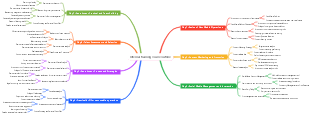
MindMap Gallery Pathology map
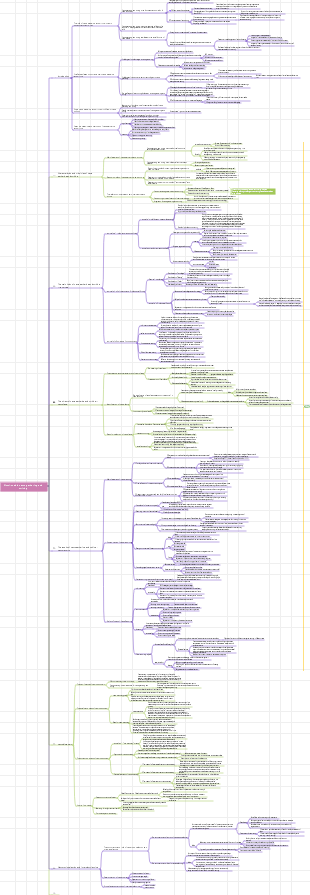
This is a mind map adapted to Chapter 1 of "Pathology", which introduces the aspects of atrophy, hypertrophy, hyperplasia, metaplasia, and concepts. If there are any deficiencies, you are welcome to correct me.
Edited at 2024-12-04 12:32:16這是一篇關於把時間當作朋友的心智圖,《把時間當作朋友》是一本關於時間管理和個人成長的實用指南。作者李笑來透過豐富的故事和生動的例子,教導讀者如何克服拖延、提高效率、規劃未來等實用技巧。這本書不僅適合正在為未來奮鬥的年輕人,也適合所有希望更好地管理時間、實現個人成長的人。
This is a mind map about treating time as a friend. "Treating Time as a Friend" is a practical guide on time management and personal growth. Author Li Xiaolai teaches readers practical skills on how to overcome procrastination, improve efficiency, and plan for the future through rich stories and vivid examples. This book is not only suitable for young people who are struggling for the future, but also for everyone who wants to better manage time and achieve personal growth.
這七個習慣相輔相成,共同構成了高效能人士的核心特質。透過培養這些習慣,人們可以提升自己的領導力、溝通能力、團隊協作能力和自我管理能力,從而在工作和生活中取得更大的成功。
這是一篇關於把時間當作朋友的心智圖,《把時間當作朋友》是一本關於時間管理和個人成長的實用指南。作者李笑來透過豐富的故事和生動的例子,教導讀者如何克服拖延、提高效率、規劃未來等實用技巧。這本書不僅適合正在為未來奮鬥的年輕人,也適合所有希望更好地管理時間、實現個人成長的人。
This is a mind map about treating time as a friend. "Treating Time as a Friend" is a practical guide on time management and personal growth. Author Li Xiaolai teaches readers practical skills on how to overcome procrastination, improve efficiency, and plan for the future through rich stories and vivid examples. This book is not only suitable for young people who are struggling for the future, but also for everyone who wants to better manage time and achieve personal growth.
這七個習慣相輔相成,共同構成了高效能人士的核心特質。透過培養這些習慣,人們可以提升自己的領導力、溝通能力、團隊協作能力和自我管理能力,從而在工作和生活中取得更大的成功。
adapt
shrink
type
Physiological atrophy
Periods: 1. Puberty atrophy of the thymus 2. Postmenopausal atrophy of the ovaries, uterus and testicles in the reproductive system
In most physiological atrophies, cell number reduction occurs through apoptosis
pathological atrophy
dystrophic atrophy
General dystrophic atrophy: long-term malnutrition causes general muscle atrophy, called cachexia
Focal dystrophic atrophy: cerebral atherosclerosis
Insufficient protein intake, excessive consumption and insufficient blood supply
Compressive atrophy: hypoxia and ischemia of compressed tissues and cells
apraxia of atrophy
Long-term reduced workload of organs and tissues and low functional metabolism
Being unable to lie down for a long time after a limb fracture causes atrophy and osteoporosis of the affected limb.
denervation atrophy
Damage to motor neurons or axons causes effector atrophy, resulting in loss of nerve regulation of muscle movement, reduced activity, and accelerated decomposition of skeletal muscle cells.
Example: Brain or spinal cord nerve damage
endocrine atrophy
Pathological changes
1. Atrophied cells, tissues and organs reduce in size, weight, and become darker in color. Lipofuscin is commonly found in the cytoplasm. 2. When parenchymal cells atrophy, there is often a certain degree of interstitial fiber and fat hyperplasia, and sometimes the volume is inversely proportional. Normal organs are larger, called pseudohypertrophy
After the cause is removed, cells with mild pathological atrophy may return to normal, but cells with persistent atrophy may eventually die (apoptosis)
Concept: Normally developing parenchymal cells become smaller in size. As distinguished from agenesis and underdevelopment.
Fat
type
physiological hypertrophy
Compensatory hypertrophy Example: Thickening and hypertrophy of upper limb skeletal muscles in weightlifters
Endocrine hypertrophy Example: Due to the effects of estrogen, progesterone and their receptors, the smooth muscle cells of the uterus are enlarged and the uterus is thickened.
pathological hypertrophy
Compensatory hypertrophy Example: Hypertension increases cardiac afterload, causing myocardial hypertrophy
Endocrine hypertrophy Example: During hyperthyroidism, thyroxine secretion increases, causing thyroid follicular epithelial cell hypertrophy.
Pathological changes: The functional compensatory effect of cell hypertrophy is limited
Concept: Cell size increases
hyperplasia
type
physiological hyperplasia
compensatory hyperplasia
Hyperplasia of remaining liver cells after removal
The air oxygen content in high altitude areas is low, and collective red bone marrow precursor cells and peripheral red blood cells increase in compensation.
endocrine hyperplasia
Normal female adolescent breast lobular gland epithelium
Proliferation of endometrial glands during the menstrual cycle
Pathological hyperplasia
compensatory hyperplasia
During the wound healing process after tissue injury, growth factors stimulate the proliferation of fibroblasts and capillary endothelial cells.
Chronic inflammation or long-term exposure to physical and chemical factors often causes the proliferation of tissue cells, especially cells covering the skin and certain organs.
Endocrine hyperplasia Most common cause: excess hormones or excess growth factors
Pathological changes
diffuse hyperplasia
Localized hyperplasia: the formation of single or multiple hyperplastic nodules in tissues and organs
Most pathological (e.g., inflammatory) cell proliferations are usually stopped by removal of the relevant triggering factors. If cell proliferation becomes excessive and out of control, it may evolve into neoplastic hyperplasia.
Concept: An increase in the number of parenchymal cells in an organ or tissue
The relationship between hyperplasia and hypertrophy Generally speaking, the proliferation characteristics of the cells themselves determine whether it is pure hypertrophy or accompanied by hypertrophy. For tissues and organs with active cell division and proliferation capabilities, hypertrophy can mean an increase in cell volume and number. For cardiac muscle, skeletal muscle, etc., which have low cell division and proliferation capabilities, the hypertrophy of their tissues and organs is only caused by cell hypertrophy.
Metaplasia
type
metaplasia of epithelial tissue
metaplasia of squamous epithelium
Squamous metaplasia is the most common type of metaplasia covering epithelial tissue.
Smokers' bronchial pseudostratified ciliated columnar epithelium is prone to squamous metaplasia
metaplasia of columnar epithelium
Metaplasia of mesenchymal tissue: Immature fibroblasts in mesenchymal tissue can transform into osteoblasts or chondrocytes after injury, which is called bone or cartilage metaplasia. It is more common in soft tissue injuries such as myositis ossificans and other hand injuries. , also found in the stroma of certain tumors
Metaplasia of epithelial tissue may be reversible after the cause is eliminated, but metaplasia of mesenchymal tissue is mostly irreversible.
Concept: The process in which one differentiated and mature cell type is replaced by another differentiated and mature cell type. Usually only appears in cell types that are actively dividing and proliferating. Not due to direct transformation, but the result of transdifferentiation from stem cells
significance
It has both advantages and disadvantages. If the factors causing metaplasia persist, it may cause malignant transformation of cells.
For example: metaplasia of respiratory mucosal columnar epithelium into squamous epithelium can strengthen the local ability to resist external stimuli. However, because the surface of squamous epithelium does not have the ciliated structure of columnar epithelium, the self-purification ability of the mucosa is weakened.
concept
The non-damaging response of cells and the tissues and organs they constitute to continuous stimulation and various harmful factors in the internal and external environment
Including both functional metabolism and morphological structure, the purpose is to avoid cell and tissue damage
Compensatory hypertrophy: caused by overloading the functions of organs and tissues Endocrine hypertrophy: caused by excessive endocrine hormones acting on effectors
Clinically, a certain type of atrophy can be caused by multiple factors
Chronic wasting diseases such as diabetes, tuberculosis and tumors
Cell and tissue damage
Causes of Cell and Tissue Damage
hypoxia
Heart failure resulting in insufficient oxygenation of arterial blood
Anemia and carbon monoxide poisoning reduce the oxygen-carrying capacity of the blood
Blocked blood vessels reduce blood supply
biological factors
Pathogens invade collective growth and reproduction, causing mechanical damage, inducing allergic reactions, releasing internal and external toxins or secreting certain enzymes.
physical factors
chemical factors
xenobiotics
Inorganic poisons, such as strong acid, strong alkali, lead, mercury, etc.
Organic poisons: organophosphorus, cyanide, etc.
Biological toxins: snake venom, mushroom venom, etc.
endogenous substances
Such as decomposition products of cell necrosis, certain metabolic products such as urea and free radicals
nutritional imbalance
immune response
genetic factors
Mechanisms of Cell and Tissue Damage
Damage to cell membrane integrity
Early manifestations include selective loss of membrane permeability, ultimately leading to significant membrane structural damage. Severe disorder of cell membrane function and failure to recover mitochondrial membrane function are characteristics of irreversible cell damage.
Morphologically, damage to the cell membrane phase structure causes swelling of cells, mitochondria, endoplasmic reticulum and other organelles, the disappearance of microvilli on the cell surface, and the formation of vesicles.
Irreversible mitochondrial damage
Mitochondria are the main site of oxidative phosphorylation and ATP production in cells. After the cessation of mitochondrial oxidative phosphorylation, cells develop acidosis, eventually leading to cell necrosis.
Increased intracellular free calcium
ATP deficiency or depletion
Hypoxia and toxic damage affect the oxidative phosphorylation process of mitochondria, reducing or even stopping ATP production, reducing the synthesis and decomposition functions of cells that require energy maintenance, and causing obstacles to cell life activities.
Ischemia is one of the causes of hypoxia. Ischemia usually causes more rapid and severe tissue damage than hypoxia.
accumulation of free radicals
Morphological changes of injury
reversible damage
1. Morphological manifestations: deformation or material deposition. When abnormal substances appear in cells or interstitium, the number of abnormal substances exceeds that of normal substances and is accompanied by varying degrees of dysfunction.
watery denaturation
Almost the earliest manifestation of cell damage
When infection, poisoning, hypoxia, and high fever cause mitochondrial damage and functional decline, resulting in reduced ATP production, the sodium pump function decreases, causing the cell membrane to dysfunction in active transport of electrolytes, and excess sodium and calcium ions enter the cell (the cell membrane is damaged) , increased permeability), intracellular potassium ions leak out, causing the cells to accumulate a large amount of water and undergo water-like changes.
Steatosis
Lipid droplets appear or significantly increase in parenchymal cells except adipocytes. Liver, heart and kidney are the organs where steatosis is more common, especially the liver.
Staining: HE: transparent vacuoles Sudan 3 staining: orange-red Osmium staining: black
Hepatic steatosis: The liver is enlarged and yellowish in color under the microscope. greasy feeling
myocardial fat deformation
renal fat deformation
hyaline degeneration
Connective tissue hyaline deformation
hyaline deformation of blood vessel walls
intracellular hyaline deformation
mucoid degeneration
Under the microscope, the tissue interstitium is loose and filled with light blue mucus-like material and star-shaped cells. It is common in patients with acute rheumatism or hypothyroidism.
amyloidosis
intracellular glycogen deposition
pathological pigmentation
Iron-containing heme: It is formed after hemoglobin is phagocytosed by macrophages. It is golden or brown and can be dyed blue by Prussian blue or Berlin blue. It often appears in the alveoli of patients with left heart failure. Hemolytic anemia may cause systemic deposition
pathological calcification
irreversible damage
Necrosis and apoptosis are the two main forms of cell death. The pathological death of local tissues and cells in vivo is called necrosis
Morphological changes
1. Changes in cell nucleus: The most important morphological change in cell necrosis. It manifests itself in the following three steps: (1) nuclear pyknosis (2) nuclear fragmentation (3) nuclear dissolution. The nuclear changes occur sequentially.
2. Cytoplasmic changes
3. Interstitial changes
type
coagulative necrosis
Concept: After tissue and cell necrosis, the water content decreases, the protein coagulates, and becomes gray and dry, while the outline of the original tissue and cells remains.
Commonly found in: heart, kidney, spleen (rich in protein, low in protease)
liquefaction necrosis
Commonly found in: organs with low protein content and rich in water and phospholipids
Special types of necrosis