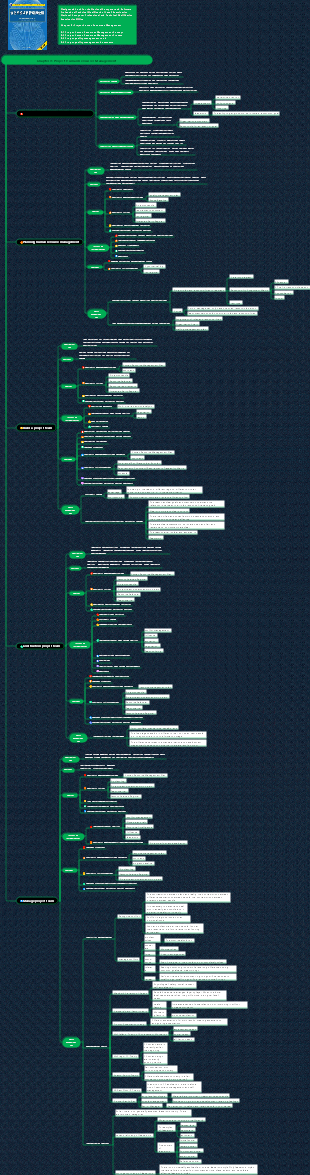
Project management basics
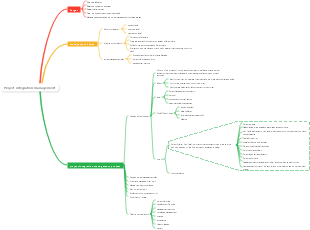
Project definition
Temporary
Projects have a clear start and end time
Once the project is completed, its results will no longer be continued
uniqueness
Each project has its specific goals and requirements
The results of the project are unique
progressive detailing
Project details gradually become clear as the project progresses
In the early stage, there may only be a rough outline, and later it will be refined.
project management process
Startup process
Define project scope
Clarify project goals and deliverables
Determine project boundaries and constraints
Develop project charter
Obtain formal authorization for the project
Clarify project purpose and key stakeholders
planning process
Develop project management plan
Integrate all sub-plans and benchmarks
Provide guidance and control for project execution
Scope planning
Determine detailed project and product requirements
Develop a work breakdown structure (WBS)
Execution process
Direct and manage project work
Coordinate team members and resources
Execute activities in the project management plan
Managing project knowledge
Collect and share project knowledge
Promote learning and innovation
monitoring process
Monitor project work
Track project status and progress
Manage change requests and issues
Control project scope
Ensure project work follows plan
Closing process
End project or phase
Officially closing a project or phase
Summarize experience and lessons
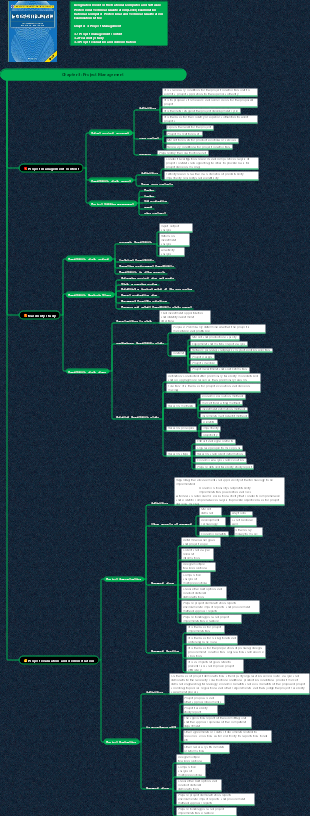
Project Management Knowledge Area
Project integration management
Ensure all parts of the project are coordinated
Manage project changes and updates
project scope management
Define and control project work content
Ensure project work meets requirements
Project quality management
Ensure projects meet relevant quality standards
Continuously improve project processes and products
Project Human Resources Management
Organize and manage project teams
Improve team members’ skills and abilities
Project communication management
Ensure timely and accurate delivery of project information
Manage stakeholder expectations
project risk management
Identify, analyze and respond to project risks
Reduce the impact of uncertainty on projects
Project Procurement Management
Access to external resources and contract management
Manage suppliers and procurement process
Information system project characteristics
technical complexity
Involving the integration of multiple technologies
The combination of software, hardware, network and other technologies
Technology updates rapidly and requires continuous learning
User needs change
User expectations for information system functionality and performance continue to increase
Requirements change management becomes key
Project management challenges
time pressure
Project delivery time is tight
Requires efficient time management skills
cost control
Requires precise cost estimation and control
quality assurance
Information system quality directly affects user experience
Requires strict quality control processes
risk management
Technical risks, market risks and other risks
Effective risk response strategies need to be established
Information systems project manager role
project manager
Lead project team
Organize project team members
Motivate team members to achieve project goals
Communication and coordination
Communicate with project stakeholders
Resolve conflicts during the project
decision making
Make key decisions during the project
Balance project scope, time and cost
technical expert
Provide technical guidance
Ensure the feasibility of project technical solutions
Guide the team to solve technical problems
Technology risk management
Identify technology risks
Propose technical risk response measures
change agent
drive organizational change
Help organizations adapt to new technologies and processes
Facilitate changes in organizational culture
training and education
Provide necessary training to team members
Improve the technical and management capabilities of the team
Information systems project management tools
project management software
Schedule planning tool
Such as Microsoft Project
Help develop and track project timelines
Resource management tools
Manage project resource allocation and usage
Collaboration tools
Promote communication and collaboration among team members
Document management tools
version control system
Manage versions and changes to project documents
knowledge base system
Store and share project knowledge and documentation
communication tool
instant messaging software
Such as WeChat or WhatsApp
Provide instant communication channels
video conferencing system
Such as Zoom or Tencent meetings
Support remote meetings and collaboration
Information system project management methodology
Agile methods
Emphasis on adaptability and flexibility
Respond quickly to changes
Continuous delivery of value
iterative development
Complete the project in phases
Each stage has deliverables
waterfall model
Linear Sequential Development Method
Requirements analysis, design, implementation, testing, deployment
After each stage is completed, the next stage begins
Suitable for projects with clear and stable needs
Reduce the risk of change
Easy to manage and control
mixed methods
Combining the best of agile and waterfall
Flexible use of different methods in projects
Choose appropriate practices based on project characteristics
Suitable for projects with complex needs and changing needs
Balance planning and adaptability
Improve project success rate
Information systems project manager career development
Professional certification
Get PMP Certificate
Project Management Professional Certification
Improve personal project management skills
Get a PRINCE2 certificate
Project Management Methodology Certification
Understand specific project management frameworks
continuing education
Attend professional training
Learn the latest project management knowledge and tools
Improve personal competitiveness
Read professional books and articles
Understand industry trends and best practices
Continuously enrich and update the knowledge base
Network construction
Join a professional organization
Such as Project Management Institute (PMI)
Exchange experiences with peers and expand your network
Participate in industry conferences and seminars
Learn about industry trends and new technologies
Enhance personal visibility within the industry
Personal brand building
Write professional articles and blogs
Share personal project management experience
Establish personal influence in the industry
Public speaking and teaching
Improve public speaking skills
Become a thought leader in the field of project management
 Wondershare EdrawMind