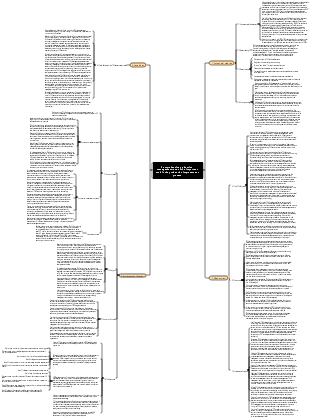
MindMap Gallery cost accounting
Lean production, production management, cost accounting, cost accounting refers to allocating and aggregating various expenses incurred by an enterprise in the production and operation process according to certain objects to calculate the total cost and unit cost.
Edited at 2024-11-13 14:18:14これは、「Amazon Reverse Working Method」「Amazon Reverse Working Method」に関するマインドマップです。それは、Amazonの成功の秘密を明らかにし、実用的な作業方法と管理の原則を提供し、Amazon文化を理解し、仕事の効率と創造性を向上させたい読者にとって大きな参照価値です。
Azure BlobストレージにおけるMicrosoftの顕著な進歩とイノベーション、特にChatGptの作成者であるOpenaiの巨大なコンピューティングニーズを効果的にサポートする方法に焦点を当てています。 Azure Blobストレージ製品管理チームのJason Valerieは、JakeとDeverajaと協力して、Azure BlobストレージがOpenaiの大規模なモデルトレーニング、処理データ、ストレージをexebbitレベルまでに行う上で重要な役割を果たしました。議論には、AIワークロードのスケーリングスーパーコンピューターが直面している課題と、地域ネットワークゲートウェイを接続するデータセンターなどのアーキテクチャソリューション、および動的ストレージ容量の拡張を可能にする拡張アカウントの導入が含まれます。技術的な側面は、チェックポイントのメカニズム、大規模なデータ処理、革新的なブロブビューと階層的な名前空間、グローバルデータモビリティ機能をカバーし、Microsoftのグローバルネットワークインフラストラクチャを戦略的に利用して効率的なデータ送信を可能にします。この会話は、高度なAIの研究開発に強力でスケーラブルで効率的なストレージソリューションを提供するというマイクロソフトのコミットメントを完全に示しています。
これは、主にオブジェクト状態の変化、熱エンジン、内部エネルギー、熱比熱容量、温度スケールを含む、熱に関するマインドマップです。紹介は詳細であり、説明は包括的です。
これは、「Amazon Reverse Working Method」「Amazon Reverse Working Method」に関するマインドマップです。それは、Amazonの成功の秘密を明らかにし、実用的な作業方法と管理の原則を提供し、Amazon文化を理解し、仕事の効率と創造性を向上させたい読者にとって大きな参照価値です。
Azure BlobストレージにおけるMicrosoftの顕著な進歩とイノベーション、特にChatGptの作成者であるOpenaiの巨大なコンピューティングニーズを効果的にサポートする方法に焦点を当てています。 Azure Blobストレージ製品管理チームのJason Valerieは、JakeとDeverajaと協力して、Azure BlobストレージがOpenaiの大規模なモデルトレーニング、処理データ、ストレージをexebbitレベルまでに行う上で重要な役割を果たしました。議論には、AIワークロードのスケーリングスーパーコンピューターが直面している課題と、地域ネットワークゲートウェイを接続するデータセンターなどのアーキテクチャソリューション、および動的ストレージ容量の拡張を可能にする拡張アカウントの導入が含まれます。技術的な側面は、チェックポイントのメカニズム、大規模なデータ処理、革新的なブロブビューと階層的な名前空間、グローバルデータモビリティ機能をカバーし、Microsoftのグローバルネットワークインフラストラクチャを戦略的に利用して効率的なデータ送信を可能にします。この会話は、高度なAIの研究開発に強力でスケーラブルで効率的なストレージソリューションを提供するというマイクロソフトのコミットメントを完全に示しています。
これは、主にオブジェクト状態の変化、熱エンジン、内部エネルギー、熱比熱容量、温度スケールを含む、熱に関するマインドマップです。紹介は詳細であり、説明は包括的です。
cost accounting
Definition and purpose
cost accounting definition
Cost accounting is an accounting process
Used to calculate the cost of a product or service
Evaluate resource usage efficiency
Cost accounting involves the identification, classification and allocation of costs
Identify direct and indirect costs
Classify fixed costs and variable costs
The purpose of cost accounting is to provide accurate cost information
used in pricing decisions
For budgeting and cost control
The purpose of cost accounting
Provide decision support for internal management
Cost control and efficiency analysis
Profit maximization strategy development
Provide basis for external reporting
Preparation of financial statements
Tax filing and compliance
Basic elements of cost accounting
direct material cost
Material purchase cost
Purchase price of raw materials
Shipping and handling charges
Material usage efficiency
Material loss rate
Material recycling and reuse
direct labor cost
Workers’ wages and benefits
Wages paid by the hour or by the piece
Social insurance and provident fund benefits
labor productivity
Recording and analysis of working hours
The relationship between labor costs and output
manufacturing overhead
fixed manufacturing overhead
Depreciation, rent and insurance, etc.
Costs that do not vary with production volume
variable manufacturing overhead
Materials, energy and maintenance, etc.
Costs that vary with production volume
cost accounting methods
Activity Based Costing (ABC)
Activity-based cost allocation
Identify key activities in the production process
Allocate costs to specific activities
Suitable for complex production environments
Diverse products and complex processes
Highly automated production system
standard costing
Set standard costs
Based on historical data or industry standards
Pre-set material, labor and manufacturing costs
cost difference analysis
Comparison of actual costs and standard costs
Analyze reasons for cost overruns or savings
direct cost method
Only direct costs are calculated
Includes only direct materials and direct labor
Ignore allocation of manufacturing overhead
Suitable for simple production or service industries
The production process is simple and straightforward
Manufacturing costs are relatively small
cost accounting process
Identifying and classifying costs
Determine cost objects
product, service or item
cost center or cost unit
Distinguish between direct costs and indirect costs
Direct costs are directly attributed to the cost object
Indirect costs need to be assigned to cost objects
Cost measurement and recording
Collect cost data
Purchase invoices, payroll and expense bills
Production records and time reports
Use an accounting system to record costs
Debit and credit accounting method
Cost aggregation and allocation
Cost allocation and calculation
Assign indirect costs to cost objects
Choose an appropriate allocation basis
Such as labor hours, machine hours or direct costs
Apply allocation rates to calculate indirect costs
Calculate total cost and unit cost
Total cost includes direct and indirect costs
Unit cost is total cost divided by output
Application of cost accounting in different industries
manufacturing
Detailed accounting of product costs
Raw materials, parts and assembly costs
Quality control costs during production
Cost control and optimization of production processes
Improve production efficiency through cost analysis
Reduce waste and improve resource utilization
Service industry
Service cost accounting
Staff salaries, venue rental and administrative expenses
Direct costs of specific service items
Pricing strategy and cost-benefit analysis
Set service prices based on costs
Analyze the profitability of service projects
retail industry
Management of commodity purchase costs
Purchase price and transportation cost of goods
Inventory management and inventory costs
Cost of sales and gross profit analysis
Cost of sales includes cost of goods and selling expenses
Gross profit analysis helps optimize product mix
construction industry
Cost accounting for engineering projects
Material, labor and machinery usage costs
Budget and cost control of engineering projects
Cost Forecasting and Risk Management
Forecast project costs and timelines
Identify and mitigate project risks
Cost accounting challenges and trends
Globalization and supply chain management
The complexities of cross-border costing
Accounting standards and tax rates in different countries
Cost control in long-distance supply chains
Supply chain cost optimization
Supplier Management and Procurement Strategy
Reduction in logistics and inventory costs
Technological advancement and automation
Application of information technology in cost accounting
Electronic data processing and automated accounting systems
Big data analytics and cost prediction models
The impact of automation on cost accounting
Improve data processing speed and accuracy
Reduce manual errors and improve work efficiency
Environmental sustainability and social responsibility
Environmental Cost Accounting
Resource consumption and waste disposal costs
Cost-benefit analysis of environmental protection measures
Social Responsibility and Ethical Cost Accounting
Corporate Social Responsibility (CSR) Related Costs
Cost considerations for ethical sourcing and fair trade
Regulatory compliance and international standardization
Comply with international accounting standards and tax laws
International Financial Reporting Standards (IFRS)
National Tax Laws and International Tax Compliance
Standardization Trends in Cost Accounting
Improve transparency and comparability of financial reporting
Promote trust between multinational companies and investors