MindMap Gallery Simple renal cyst nursing routine
Help nursing staff fully understand the patient's health status and develop personalized care measures based on the assessment results to improve the patient's quality of life.
Edited at 2024-11-13 10:36:03これは、「Amazon Reverse Working Method」「Amazon Reverse Working Method」に関するマインドマップです。それは、Amazonの成功の秘密を明らかにし、実用的な作業方法と管理の原則を提供し、Amazon文化を理解し、仕事の効率と創造性を向上させたい読者にとって大きな参照価値です。
Azure BlobストレージにおけるMicrosoftの顕著な進歩とイノベーション、特にChatGptの作成者であるOpenaiの巨大なコンピューティングニーズを効果的にサポートする方法に焦点を当てています。 Azure Blobストレージ製品管理チームのJason Valerieは、JakeとDeverajaと協力して、Azure BlobストレージがOpenaiの大規模なモデルトレーニング、処理データ、ストレージをexebbitレベルまでに行う上で重要な役割を果たしました。議論には、AIワークロードのスケーリングスーパーコンピューターが直面している課題と、地域ネットワークゲートウェイを接続するデータセンターなどのアーキテクチャソリューション、および動的ストレージ容量の拡張を可能にする拡張アカウントの導入が含まれます。技術的な側面は、チェックポイントのメカニズム、大規模なデータ処理、革新的なブロブビューと階層的な名前空間、グローバルデータモビリティ機能をカバーし、Microsoftのグローバルネットワークインフラストラクチャを戦略的に利用して効率的なデータ送信を可能にします。この会話は、高度なAIの研究開発に強力でスケーラブルで効率的なストレージソリューションを提供するというマイクロソフトのコミットメントを完全に示しています。
これは、主にオブジェクト状態の変化、熱エンジン、内部エネルギー、熱比熱容量、温度スケールを含む、熱に関するマインドマップです。紹介は詳細であり、説明は包括的です。
これは、「Amazon Reverse Working Method」「Amazon Reverse Working Method」に関するマインドマップです。それは、Amazonの成功の秘密を明らかにし、実用的な作業方法と管理の原則を提供し、Amazon文化を理解し、仕事の効率と創造性を向上させたい読者にとって大きな参照価値です。
Azure BlobストレージにおけるMicrosoftの顕著な進歩とイノベーション、特にChatGptの作成者であるOpenaiの巨大なコンピューティングニーズを効果的にサポートする方法に焦点を当てています。 Azure Blobストレージ製品管理チームのJason Valerieは、JakeとDeverajaと協力して、Azure BlobストレージがOpenaiの大規模なモデルトレーニング、処理データ、ストレージをexebbitレベルまでに行う上で重要な役割を果たしました。議論には、AIワークロードのスケーリングスーパーコンピューターが直面している課題と、地域ネットワークゲートウェイを接続するデータセンターなどのアーキテクチャソリューション、および動的ストレージ容量の拡張を可能にする拡張アカウントの導入が含まれます。技術的な側面は、チェックポイントのメカニズム、大規模なデータ処理、革新的なブロブビューと階層的な名前空間、グローバルデータモビリティ機能をカバーし、Microsoftのグローバルネットワークインフラストラクチャを戦略的に利用して効率的なデータ送信を可能にします。この会話は、高度なAIの研究開発に強力でスケーラブルで効率的なストレージソリューションを提供するというマイクロソフトのコミットメントを完全に示しています。
これは、主にオブジェクト状態の変化、熱エンジン、内部エネルギー、熱比熱容量、温度スケールを含む、熱に関するマインドマップです。紹介は詳細であり、説明は包括的です。
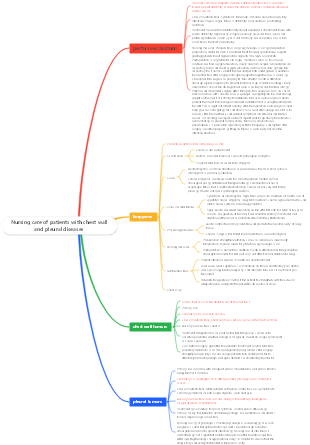
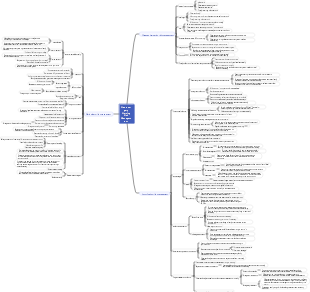
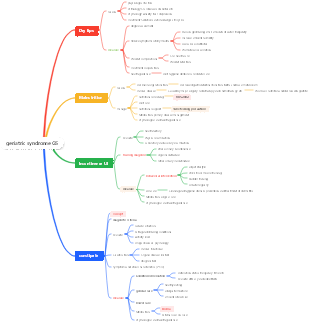
Simple renal cyst nursing routine
nursing assessment
1. Assessment of pain related to surgical trauma
2. Anxiety is related to worry about the prognosis of the disease and recurrence of disease
3. Lack of knowledge: related to educational level and lack of disease-related knowledge
4. Malnutrition, which is lower than the body's requirements, is related to insufficient protein intake or loss due to renal insufficiency.
5. Activity intolerance is related to poor cardiac function, bed rest, and indwelling drainage tubes.
6. Self-care deficiencies related to injury and catheter placement
Nursing measures
pain care
Assess the patient's pain; for patients with pain pumps, pay attention to whether the pipeline is unobstructed
Comfort and encourage the patient rather than distracting the patient with communication.
Get into a comfortable position;
Give analgesics as directed by your doctor when necessary
lack of knowledge
Explain the patient's disease together with the doctor
Guidance before and after examination, before and after surgery; detailed explanation of treatment methods, purposes and precautions.
Carefully analyze and answer questions raised by patients to eliminate patients' concerns.
Diet care
Reasonable intake of protein; regular work and rest, avoiding fatigue, and ensuring adequate sleep can improve disease resistance. Take in enough calories, vitamins, etc.
The diet should be light, easy to digest, eat small amounts frequently, eat more vitamin C, vitamin B, folic acid, and a low-phosphorus diet
Avoid eating high-potassium foods and nephrotoxic drugs, such as seaweed, spinach, nuts, bananas, gentamicin, etc.
Regular testing of renal function, body weight, serum albumin, hemoglobin and endogenous creatinine clearance
Posture and activities
After the operation, lie down for 6 hours. After the condition stabilizes, you can raise the head of the bed 15--30° and turn over moderately.
Moderate activities can be carried out according to the condition and tolerance
Avoid fatigue and cold; when you are in good physical condition, you can do appropriate exercises to enhance your immunity and avoid strenuous exercise
Prevent severe coughing; for those without symptoms and complications, treatment is generally not required and can be reviewed once every six months to one year.
Follow doctor’s advice for long-term supplementation of erythropoietin
basic care
Implement basic care; place frequently used items within patients’ reach.
Teach patients to use bedside pagers
Guide passive movement
complication
hypertension
Rational use of drugs: Drugs are one of the important causes of chronic kidney disease. Most drugs are composed of hormones. If used blindly, they will damage various organs of the human body, especially the kidneys.
Infect
Prevention and treatment of infection: Infection is one of the causes of renal cysts. When the body's defense is omitted, many germs will invade the kidneys, affecting the human kidneys and causing serious harm to the patient. The main common one is urinary tract infection.
hydronephrosis
Patients with kidney disease should try not to eat salty foods (including pickled foods), spicy foods (including chili peppers), contaminated foods (leftovers, etc.), and barbecue foods. These substances can easily increase the burden on the kidneys and are not conducive to the treatment of renal cysts.
health education
psychological guidance
Guide patients to maintain a positive and optimistic attitude to fight the disease.
Help patients understand disease-related knowledge.
Strengthen inspections, communicate more with patients, understand the patients' psychological conditions, and provide psychological counseling.
health guidance
(1) Regular work and rest, avoiding fatigue and ensuring adequate sleep can improve disease resistance.
(2) When you are in good physical condition, you can do appropriate exercises to enhance your immunity and avoid strenuous exercise.
(3) Eat less spicy and irritating food; eat a high-protein, high-vitamin and crude fiber diet; drink more water, 2000-3000ml per day; keep the urine output at about 2000ml per day; eat more vegetables and fruits to keep the stool smooth.
Discharge instructions
1. Exercise appropriately, avoid heavy physical exertion and strenuous exercise, and pay attention to the balance between work and rest.
2. After discharge from hospital, treatment should be maintained and reviewed regularly to avoid fatigue.
3. Follow the doctor's instructions and take the medicine on time and in the right amount. If you feel unwell, please come to the hospital for treatment in time.