MindMap Gallery The immune escape mechanism of cancer
The immune escape mechanism of cancer is crucial for its evasion of immune system surveillance and elimination. Cancer cells achieve immune evasion through strategies such as altering surface antigens and inhibiting immune cell function. These mechanisms involve genetic and epigenetic alterations in cancer cells. Understanding these mechanisms is essential for optimizing immunotherapy strategies and developing novel drugs.
Edited at 2024-12-26 00:54:24In the introduction section, elastin is a protein that plays a crucial role in the body, endowing tissues with elasticity and toughness. Its properties include high elasticity and good ductility. Elastin has a wide range of sources and is commonly found in animal connective tissues such as skin and blood vessels. When using elastin in products, the amount and method of addition should be determined based on the characteristics of the product. It has many uses and can be added to skincare products to enhance skin elasticity and reduce wrinkles; Improving food texture and enhancing taste in the food industry; In the medical field, it can be used to make elastic scaffolds such as artificial blood vessels, providing support for tissue repair. Reasonable use can play its unique value.
This document aims to guide the proper use of proteins. Proteins are the fundamental substances that make up life and are essential for maintaining normal physiological functions in the body, with a wide variety of types. When using protein, daily diet is an important source, such as meat, eggs, etc., which are rich in high-quality protein. Measuring protein intake can be done using professional tools or methods to ensure that the intake meets the body's needs. When mixing protein powder, it should be prepared according to the recommended ratio, and the water temperature should not be too high to avoid damaging the protein activity. Different groups of people have different protein requirements, such as athletes and fitness enthusiasts who can increase their intake appropriately to meet the needs of body repair and muscle growth.
Introduction to Unsaturated Polyester Resin: It is an important thermosetting resin with various excellent properties. It has a wide range of applications and is used in the construction industry to produce fiberglass products such as doors, windows, decorative panels, etc; Used in the automotive industry for manufacturing body components. The advantages of use include simple molding process, low cost, and chemical corrosion resistance. However, it also faces challenges and limitations, such as relatively poor heat resistance and susceptibility to aging. During use, corresponding protective measures should be taken according to specific application scenarios, such as adding heat-resistant agents, antioxidants, etc., to extend their service life and fully leverage their advantages.
In the introduction section, elastin is a protein that plays a crucial role in the body, endowing tissues with elasticity and toughness. Its properties include high elasticity and good ductility. Elastin has a wide range of sources and is commonly found in animal connective tissues such as skin and blood vessels. When using elastin in products, the amount and method of addition should be determined based on the characteristics of the product. It has many uses and can be added to skincare products to enhance skin elasticity and reduce wrinkles; Improving food texture and enhancing taste in the food industry; In the medical field, it can be used to make elastic scaffolds such as artificial blood vessels, providing support for tissue repair. Reasonable use can play its unique value.
This document aims to guide the proper use of proteins. Proteins are the fundamental substances that make up life and are essential for maintaining normal physiological functions in the body, with a wide variety of types. When using protein, daily diet is an important source, such as meat, eggs, etc., which are rich in high-quality protein. Measuring protein intake can be done using professional tools or methods to ensure that the intake meets the body's needs. When mixing protein powder, it should be prepared according to the recommended ratio, and the water temperature should not be too high to avoid damaging the protein activity. Different groups of people have different protein requirements, such as athletes and fitness enthusiasts who can increase their intake appropriately to meet the needs of body repair and muscle growth.
Introduction to Unsaturated Polyester Resin: It is an important thermosetting resin with various excellent properties. It has a wide range of applications and is used in the construction industry to produce fiberglass products such as doors, windows, decorative panels, etc; Used in the automotive industry for manufacturing body components. The advantages of use include simple molding process, low cost, and chemical corrosion resistance. However, it also faces challenges and limitations, such as relatively poor heat resistance and susceptibility to aging. During use, corresponding protective measures should be taken according to specific application scenarios, such as adding heat-resistant agents, antioxidants, etc., to extend their service life and fully leverage their advantages.
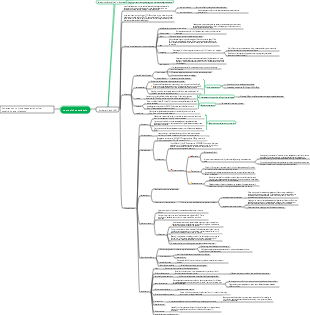
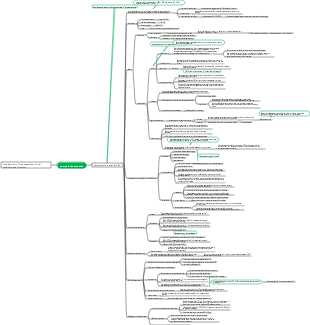
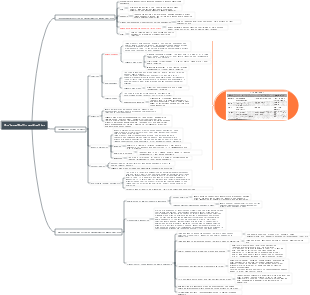
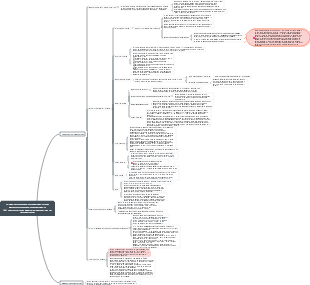
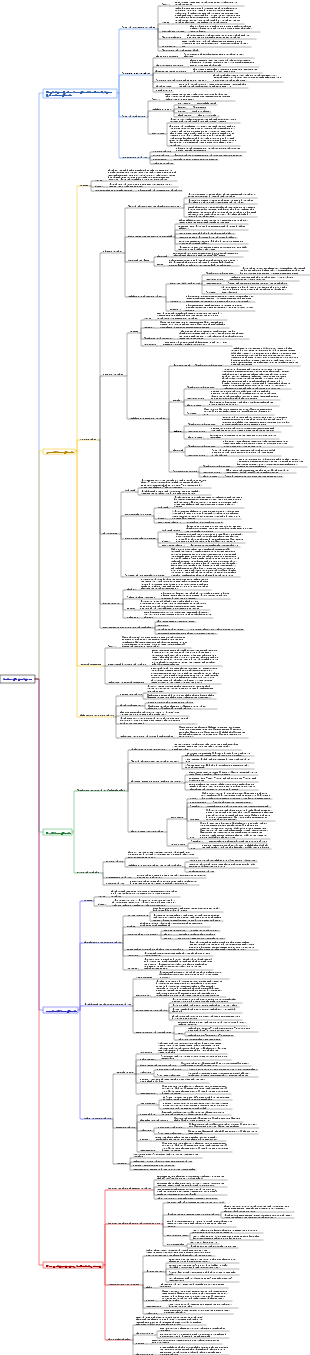
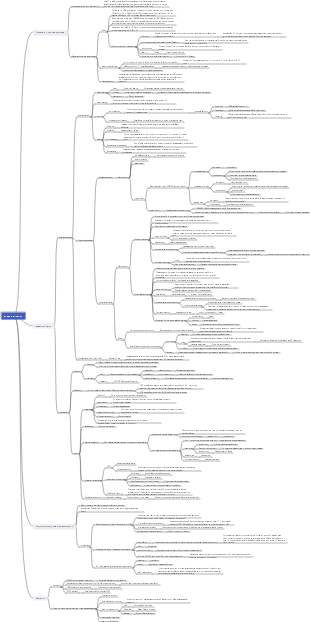
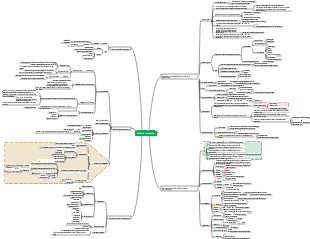
The immune escape mechanism of cancer
Tumor microenvironment
Immunosuppressive cells
Regulatory T cells (Tregs)
Suppress effector T cell function
Secrete immunosuppressive cytokines
Myeloid-derived suppressor cells (MDSCs)
Inhibit T cell proliferation
Promote tumor angiogenesis
Soluble factors
Cytokines
Induce immune tolerance
Modulate immune cell function
Chemokines
Recruit immunosuppressive cells
Alter immune cell trafficking
Tumor cell intrinsic mechanisms
Antigen presentation defects
Downregulation of MHC class I molecules
Reduce recognition by cytotoxic T cells
Alteration of antigen processing machinery
Impair antigen presentation
Immune checkpoint molecules
Upregulation of inhibitory receptors
PD-L1 expression on tumor cells
Inhibit T cell activation
Promote T cell apoptosis
Resistance to immune-mediated cell death
Upregulation of anti-apoptotic proteins
Inhibit apoptosis signaling pathways
Downregulation of death receptors
Reduce sensitivity to death ligands
Metabolic reprogramming
Competition for nutrients
Deplete essential amino acids
Inhibit T cell proliferation
Alter glucose metabolism
Create a hypoxic and acidic environment
Disrupt T cell function
Production of immunosuppressive metabolites
Lactate and adenosine
Suppress T cell activity
Promote Treg differentiation
Genetic and epigenetic alterations
Mutational landscape
Generation of neoantigens
Potential for immune recognition
Loss of heterozygosity
Affect immune recognition and response
Epigenetic silencing
Methylation of immune-related genes
Suppress immune response genes
Histone modifications
Alter chromatin structure and gene expression
Immune evasion strategies
Mimicry of self-antigens
Hide from immune surveillance
Avoid recognition by immune system
Shedding of immunosuppressive molecules
Soluble ligands and receptors
Neutralize pro-inflammatory signals
Alteration of cell surface markers
Masking of tumor antigens
Prevent immune cell binding
Recruitment of suppressive immune cells
Tumor-associated macrophages (TAMs)
Create an immunosuppressive niche
Tumor-infiltrating lymphocytes (TILs)
Polarize towards immunosuppressive phenotypes
Therapeutic implications
Immunotherapy
Checkpoint inhibitors
Block inhibitory pathways
Enhance T cell activation
Adoptive cell therapy
Infuse ex vivo expanded T cells
Target tumor cells directly
Targeting metabolic pathways
Inhibit metabolic reprogramming
Restore immune cell function
Combination therapies
Combine different treatment modalities
Overcome resistance mechanisms
Enhance anti-tumor immune response