MindMap Gallery Born poor, infinite cycle of pyramid
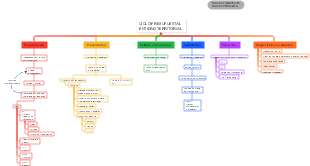
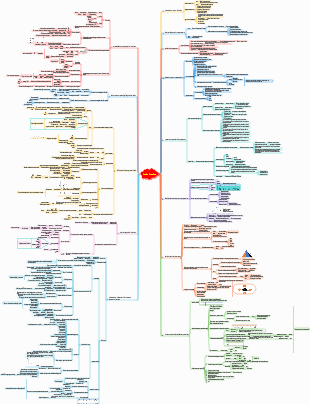
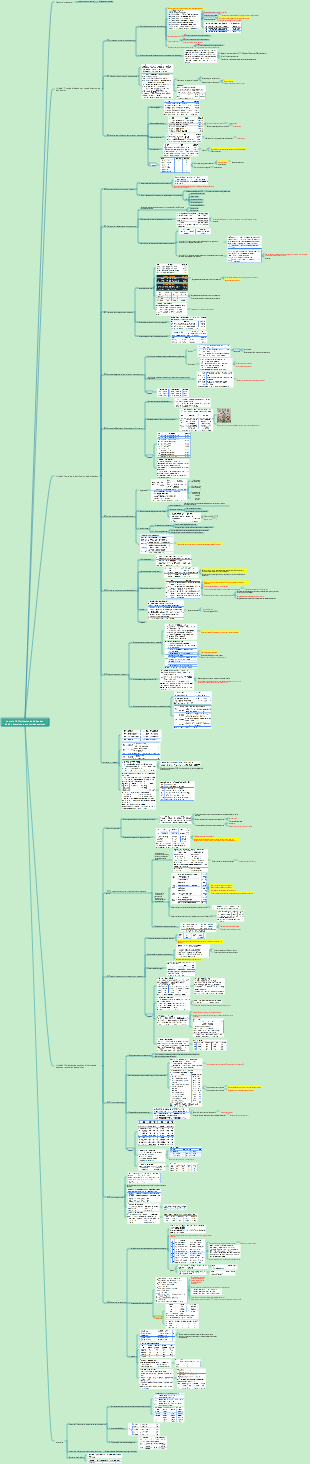
This is a mind map about the pyramid of birth poverty and infinite circulation. The main contents include: small assignments and extended reading, main content, recommendation order, summary and inspiration, individual and social development, economic and political factors, history and The philosophical perspective, the differentiation of the rich and the poor and the social structure. "Born Poverty: The Pyramid Game of Infinite Circulation" is a work by Zhao Haoyang. It mainly discusses the differentiation of the rich and the poor, class solidification, and social resource allocation. Through history, philosophy, Analysis in multiple fields such as economics reveals the inequality in human society and its root causes.
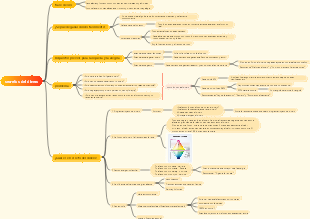
Edited at 2025-01-25 09:25:12Rumi: 10 dimensions of spiritual awakening. When you stop looking for yourself, you will find the entire universe because what you are looking for is also looking for you. Anything you do persevere every day can open a door to the depths of your spirit. In silence, I slipped into the secret realm, and I enjoyed everything to observe the magic around me, and didn't make any noise. Why do you like to crawl when you are born with wings? The soul has its own ears and can hear things that the mind cannot understand. Seek inward for the answer to everything, everything in the universe is in you. Lovers do not end up meeting somewhere, and there is no parting in this world. A wound is where light enters your heart.
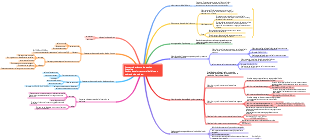
Chronic heart failure is not just a problem of the speed of heart rate! It is caused by the decrease in myocardial contraction and diastolic function, which leads to insufficient cardiac output, which in turn causes congestion in the pulmonary circulation and congestion in the systemic circulation. From causes, inducement to compensation mechanisms, the pathophysiological processes of heart failure are complex and diverse. By controlling edema, reducing the heart's front and afterload, improving cardiac comfort function, and preventing and treating basic causes, we can effectively respond to this challenge. Only by understanding the mechanisms and clinical manifestations of heart failure and mastering prevention and treatment strategies can we better protect heart health.
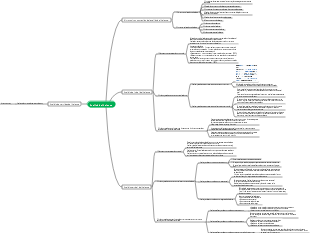
Ischemia-reperfusion injury is a phenomenon that cellular function and metabolic disorders and structural damage will worsen after organs or tissues restore blood supply. Its main mechanisms include increased free radical generation, calcium overload, and the role of microvascular and leukocytes. The heart and brain are common damaged organs, manifested as changes in myocardial metabolism and ultrastructural changes, decreased cardiac function, etc. Prevention and control measures include removing free radicals, reducing calcium overload, improving metabolism and controlling reperfusion conditions, such as low sodium, low temperature, low pressure, etc. Understanding these mechanisms can help develop effective treatment options and alleviate ischemic injury.
Rumi: 10 dimensions of spiritual awakening. When you stop looking for yourself, you will find the entire universe because what you are looking for is also looking for you. Anything you do persevere every day can open a door to the depths of your spirit. In silence, I slipped into the secret realm, and I enjoyed everything to observe the magic around me, and didn't make any noise. Why do you like to crawl when you are born with wings? The soul has its own ears and can hear things that the mind cannot understand. Seek inward for the answer to everything, everything in the universe is in you. Lovers do not end up meeting somewhere, and there is no parting in this world. A wound is where light enters your heart.
Chronic heart failure is not just a problem of the speed of heart rate! It is caused by the decrease in myocardial contraction and diastolic function, which leads to insufficient cardiac output, which in turn causes congestion in the pulmonary circulation and congestion in the systemic circulation. From causes, inducement to compensation mechanisms, the pathophysiological processes of heart failure are complex and diverse. By controlling edema, reducing the heart's front and afterload, improving cardiac comfort function, and preventing and treating basic causes, we can effectively respond to this challenge. Only by understanding the mechanisms and clinical manifestations of heart failure and mastering prevention and treatment strategies can we better protect heart health.
Ischemia-reperfusion injury is a phenomenon that cellular function and metabolic disorders and structural damage will worsen after organs or tissues restore blood supply. Its main mechanisms include increased free radical generation, calcium overload, and the role of microvascular and leukocytes. The heart and brain are common damaged organs, manifested as changes in myocardial metabolism and ultrastructural changes, decreased cardiac function, etc. Prevention and control measures include removing free radicals, reducing calcium overload, improving metabolism and controlling reperfusion conditions, such as low sodium, low temperature, low pressure, etc. Understanding these mechanisms can help develop effective treatment options and alleviate ischemic injury.
Born poor, infinite cycle of pyramid
"Born Poverty: The Pyramid Game of Infinite Circulation" is a work by Zhao Haoyang. It mainly explores the problems of the gap between the rich and the poor, class solidification, and social resource allocation. Through analysis of various fields such as history, philosophy, and economics, it reveals that The inequality in human society and its root causes.
The gap between the rich and the poor and the social structure
Phenomenon and Problems: The change in public opinion from "hate the rich" to "dislike the poor" reflects the change in society's attitude towards the gap between the rich and the poor. Poverty is not caused by individual failure, but is affected by a variety of factors, such as environment, education, opportunities, etc. The gap between the rich and the poor has led to social injustice, and wealth is concentrated in the hands of a few people, but most people find it difficult to get rid of poverty.
Social structure analysis
Class solidification: society presents a pyramid structure, and the upper class maintains its status through various means, making it difficult for the lower class to be promoted. Class solidification limits social mobility and hinders individual development and social progress.
Regional differences: There is a huge gap between developed regions represented by Beijing, Shanghai, Guangzhou and Shenzhen and other regions. This gap is not only reflected in the level of economic development, but also in education, medical care, employment and other aspects. Regional fragmentation has led to uneven resource allocation, further aggravating the gap between the rich and the poor.
Historical and Philosophical Perspectives
Historical lessons: Through the analysis of the rise and fall of the feudal dynasty in China, land annexation is an important cause of social unrest. In feudal society, land was concentrated in the hands of a few people, and the peasants lost their land and lived in difficulties, which eventually led to peasant uprisings and dynasty replacements.
Philosophical thinking
Morality and justice: The relationship between morality and justice is explored, and it is believed that in social development, fairness and justice should be pursued to avoid the negative impact of excessive gap between the rich and the poor on society. At the same time, it is also pointed out that in the process of achieving justice, various factors such as history, culture, and society need to be taken into account.
Human nature and values: From the perspective of human nature, the reasons for the gap between the rich and the poor are analyzed, and people's desires and greed are one of the important factors that lead to the gap between the rich and the poor. At the same time, it is also proposed to establish correct values and pursue true happiness and meaning.
Economic and political factors
Economic Law: The root causes of the gap between the rich and the poor are analyzed using economic principles, such as the rate of return on capital exceeding the rate of economic growth, resulting in the concentration of wealth in the hands of a few people. In addition, the impact of economic policies on the gap between the rich and the poor is also discussed, such as tax policies, welfare policies, etc.
Political system
Power distribution: The impact of the political system on the allocation of social resources is analyzed, and the concentration and abuse of power are one of the important reasons for the gap between the rich and the poor. At the same time, it was also proposed to strengthen the construction of democratic systems and protect the rights and interests of the people.
Policy formulation: Through the analysis of historical events, the importance of policy formulation is pointed out. Good policies can promote social development and progress, while bad policies can aggravate the gap between the rich and the poor and social unrest.
Individual and social development
Personal choice: Emphasizes the impact of personal choice on destiny, believing that everyone should be responsible for their choices. At the same time, it is also pointed out that in social development, we must learn to adapt to the environment, seize opportunities, and strive to improve our abilities and qualities.
Social change: It is proposed to solve the problems of the gap between the rich and the poor and the solidification of class through social change, such as promoting educational equity, strengthening social security, and promoting equal employment opportunities. At the same time, it also emphasized the need to strengthen international cooperation and jointly respond to global challenges.
Summary and Inspiration
Recognize the reality: Through in-depth analysis of issues such as the gap between the rich and the poor, class solidification, this book allows readers to recognize the reality of society and understand the root and impact of the gap between the rich and the poor.
Pursuing fairness: It emphasizes the pursuit of fairness and justice to avoid the negative impact of excessive gap between the rich and the poor on society. At the same time, it is also proposed to promote social fairness and justice through various means.
Personal development: Encourage readers to establish correct values, strive to improve their abilities and qualities, and contribute to their own development and social progress.
Social Change: Calls on all sectors of society to work together to promote social change, solve the problems of the gap between the rich and the poor and the solidification of class, and achieve social fairness and justice.
Recommendation
Thinking about social phenomena: The author analyzes social phenomena such as the gap between the rich and the poor and the class solidification from a unique perspective, which triggers readers' in-depth thinking on social issues.
Application of history and philosophy: Through the explanation of historical events and philosophical thoughts, the author reveals the laws of social development and the essence of human behavior, allowing readers to gain inspiration in reading.
Guiding significance for reality: The views and conclusions of this book have certain guiding significance for solving problems in real society and can help readers better understand society and respond to challenges.
Content of the text
Previous article: The gap between the rich and the poor and the social reality
Born poor
The gap between rich and poor: The transition from "hate the rich" to "dislike the poor" reflects the society's dissatisfaction with the gap between the rich and the poor. The gap between the rich and the poor is not only reflected in wealth, but also in education, medical care, social status and other aspects.
Class solidification: Social classes are gradually solidifying, and it is difficult for the lower class people to move upward, and there is a lack of opportunity to change their destiny.
Questions about fairness and equality: People question the fairness and equality of society, believing that uneven resource allocation has led to the widening of the gap between the rich and the poor.
The roots of poverty
External factors: The impact of social system, economic structure, historical and cultural factors on poverty. For example, colonial rule, war destruction, economic crises, etc. may all lead to poverty.
Personal factors: An individual's ability, attitude, choices, etc. will also affect his or her economic situation. Some people lack education, skills and entrepreneurial spirit and find it difficult to gain a foothold in society.
Social impact
Social stability: The gap between the rich and the poor and class solidification may lead to social instability and trigger social conflicts and turmoil.
Economic Development: Poverty limits people's consumption capacity and affects market demand, thus having a negative impact on economic development.
Next article: Thoughts and solutions
Revelation of Ancient Greek Thought
City-state and the gap between the rich and the poor: There was a problem of the gap between the rich and the poor in ancient Greek city-states. Thinkers such as Plato and Aristotle thought about and discussed this issue.
Ideal Country and Social Justice: Plato's "Ideal Country" puts forward a blueprint for an ideal society and emphasizes the importance of social justice and fairness.
Liberal perspective
The conflict between freedom and equality: Liberalism emphasizes individual freedom and rights, but in practice, it often leads to the widening of the gap between the rich and the poor and the intensification of social inequality.
The role of the market and the government: Liberals have different views on the role of the market and the government, some advocate a free market economy, while others believe that the government should intervene in the economy to achieve social equity.
Marxist perspective
Class struggle and social change: Marxism believes that class struggle is the driving force for social development, and only through revolution can social change and fairness be achieved.
Surplus value and exploitation: Marxism reveals the exploitative nature of surplus value under the capitalist system, believing that only by eliminating private ownership can true fairness and justice be achieved.
Other Perspectives and Solutions
The importance of education: Education is an important way to change destiny. By providing equal educational opportunities, people's quality and ability can be improved and social fairness and development can be promoted.
The role of social security: Establishing a sound social security system can guarantee the basic living needs of vulnerable groups and reduce the occurrence of poverty.
The significance of international cooperation: The gap between the rich and the poor is a global issue that requires all countries to work together to strengthen international cooperation and jointly respond to challenges.
Case and analysis
Historical case: Through the analysis of the rise and fall of the feudal dynasty in China, the impact of the gap between the rich and the poor and the solidification of the class on social stability is revealed.
Real case
International case: Taking developed countries such as the United States and the United Kingdom as examples, we analyze the problem of the gap between the rich and the poor and the intensification of social contradictions under the capitalist system.
Domestic Case: Based on the actual situation in China, issues such as urban-rural gap and regional gap are discussed, as well as how to solve these problems through policy adjustments and social reforms.
Summary and prospect
Summary: Through an in-depth analysis of problems such as the gap between the rich and the poor, class solidification, this book reveals social inequality and its root causes, and also proposes some ideas and methods to solve the problem.
Outlook: The author is full of confidence in the development of the future society and believes that through the joint efforts of all sectors of society, social fairness and justice can be achieved, giving everyone the opportunity to realize their dreams.
Small assignments and extended reading
Homework: There are small homework at the end of each chapter in the book to guide readers to think about and discuss related issues, such as analyzing the gap between the rich and the poor in their area and discussing how to achieve social equity.
Further reading: I recommend some articles and books related to this book, such as "Castro and Cuba's "defeated but glorious" socialism", "A movie that tells all about our miserable world", etc., to help Readers can further understand the relevant topics.