MindMap Gallery Why Be a Father
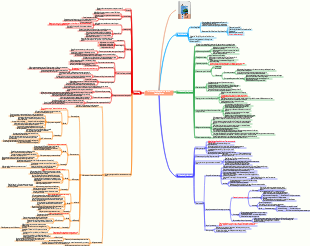
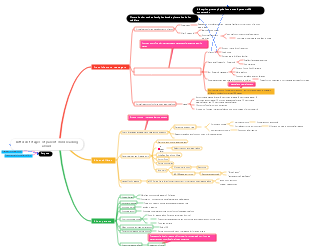
This is a mind map about "Why Be a Father", which mainly includes: support for father roles from a social perspective, strategies and methods for becoming an excellent father, difficulties and challenges of father roles, relationship between father and child, father in Roles and roles in the family, evolution of father roles, and core concept elaboration.
Edited at 2025-01-20 01:18:57Rumi: 10 dimensions of spiritual awakening. When you stop looking for yourself, you will find the entire universe because what you are looking for is also looking for you. Anything you do persevere every day can open a door to the depths of your spirit. In silence, I slipped into the secret realm, and I enjoyed everything to observe the magic around me, and didn't make any noise. Why do you like to crawl when you are born with wings? The soul has its own ears and can hear things that the mind cannot understand. Seek inward for the answer to everything, everything in the universe is in you. Lovers do not end up meeting somewhere, and there is no parting in this world. A wound is where light enters your heart.
Chronic heart failure is not just a problem of the speed of heart rate! It is caused by the decrease in myocardial contraction and diastolic function, which leads to insufficient cardiac output, which in turn causes congestion in the pulmonary circulation and congestion in the systemic circulation. From causes, inducement to compensation mechanisms, the pathophysiological processes of heart failure are complex and diverse. By controlling edema, reducing the heart's front and afterload, improving cardiac comfort function, and preventing and treating basic causes, we can effectively respond to this challenge. Only by understanding the mechanisms and clinical manifestations of heart failure and mastering prevention and treatment strategies can we better protect heart health.
Ischemia-reperfusion injury is a phenomenon that cellular function and metabolic disorders and structural damage will worsen after organs or tissues restore blood supply. Its main mechanisms include increased free radical generation, calcium overload, and the role of microvascular and leukocytes. The heart and brain are common damaged organs, manifested as changes in myocardial metabolism and ultrastructural changes, decreased cardiac function, etc. Prevention and control measures include removing free radicals, reducing calcium overload, improving metabolism and controlling reperfusion conditions, such as low sodium, low temperature, low pressure, etc. Understanding these mechanisms can help develop effective treatment options and alleviate ischemic injury.
Rumi: 10 dimensions of spiritual awakening. When you stop looking for yourself, you will find the entire universe because what you are looking for is also looking for you. Anything you do persevere every day can open a door to the depths of your spirit. In silence, I slipped into the secret realm, and I enjoyed everything to observe the magic around me, and didn't make any noise. Why do you like to crawl when you are born with wings? The soul has its own ears and can hear things that the mind cannot understand. Seek inward for the answer to everything, everything in the universe is in you. Lovers do not end up meeting somewhere, and there is no parting in this world. A wound is where light enters your heart.
Chronic heart failure is not just a problem of the speed of heart rate! It is caused by the decrease in myocardial contraction and diastolic function, which leads to insufficient cardiac output, which in turn causes congestion in the pulmonary circulation and congestion in the systemic circulation. From causes, inducement to compensation mechanisms, the pathophysiological processes of heart failure are complex and diverse. By controlling edema, reducing the heart's front and afterload, improving cardiac comfort function, and preventing and treating basic causes, we can effectively respond to this challenge. Only by understanding the mechanisms and clinical manifestations of heart failure and mastering prevention and treatment strategies can we better protect heart health.
Ischemia-reperfusion injury is a phenomenon that cellular function and metabolic disorders and structural damage will worsen after organs or tissues restore blood supply. Its main mechanisms include increased free radical generation, calcium overload, and the role of microvascular and leukocytes. The heart and brain are common damaged organs, manifested as changes in myocardial metabolism and ultrastructural changes, decreased cardiac function, etc. Prevention and control measures include removing free radicals, reducing calcium overload, improving metabolism and controlling reperfusion conditions, such as low sodium, low temperature, low pressure, etc. Understanding these mechanisms can help develop effective treatment options and alleviate ischemic injury.
"Why Be a Father"
Core concept description
Multiple definitions of father roles
In the traditional context: economic supporters are the main bearers of the family’s material foundation, and are responsible for getting income when going out to work and ensuring the family’s basic living needs such as food, clothing, housing and transportation. For example, in a farming society, my father engaged in field work and harvested food to maintain his family's livelihood. A symbol of authority, has the right to make decisions in family affairs, has absolute right to speak in children's education and decisions on major family matters, and children must obey their father's arrangements.
In modern context: emotional companions pay attention to emotional communication with children, care about their inner world, give emotional support and encouragement, and participate in the child's growth process, such as playing with children and listening to their children's worries. Co-parenting people share the responsibility of parenting with their mothers, including taking care of their children's daily life, tutoring their homework, cultivating interests and hobbies, and no longer completely pushes the responsibility of parenting to the mothers.
Social and cultural influence: The role of fathers in different cultures of different countries. For example, in Japan, due to traditional culture, fathers are usually devoted to work and have low family participation; while in some Nordic countries, society advocates equal parenting for men and women, and fathers actively participate in the family. transaction. The changes in the times have changed the perception of father roles. With the development of society, people's expectations for father roles have changed from a simple economic pillar to a full-scale family participant, and the connotation of father roles has been continuously enriched.
Analysis of the essence of patriarchal nature
Instinct and cultivation are related: paternal instinct manifests. From a biological perspective, a father has a desire to protect his children and will instinctively stand up when the child is in danger; emotionally, he has a natural sense of intimacy with the child. The importance of acquired cultivation. By learning parenting knowledge and observing the behavior of other excellent fathers, fathers can better exert their father's instincts and improve their parenting ability. For example, participate in parenting training courses and learn scientific parenting methods to better meet children's growth needs.
Paternal nature is reflected in many aspects: emotionally, giving children unconditional love and care, so that they can feel a sense of security and belonging, such as giving encouragement rather than accusation when the child fails the exam. In terms of responsibility, be responsible for children's growth, including providing a good living environment and educational resources, and guiding children to establish correct values. In education, we focus on cultivating children's independence and problem-solving ability, encourage children to bravely try new things, and cultivate the spirit of exploration.
The evolution of father's role
Historical development context
Ancient society: In feudal society, fathers are the absolute authority of the family, and children must absolutely obey their fathers. If they violate their father's wishes, they will be regarded as unfilial. In the family economy, the father controls the family property and determines the family's economic expenditure and distribution.
Modern and modern society: With the development of industrialization, fathers have been working longer, but their emotional investment in family gradually increases. They have begun to pay attention to their children's emotional needs and participate in their children's interest cultivation. The family structure is miniaturized, and fathers spend more time with their children, pay more attention to the establishment of parent-child relationships and no longer simply appear in a strict image.
The impact of social change
Industrial Revolution: The working model has changed from agriculture and handicrafts to factory work. The father's working time is fixed and long, reducing the time to spend with his family and reducing the company of his children's growth. The family structure has changed from living together with large families to small families, and the father's role in the family has shifted from family affairs management to core small families, facing new family responsibilities and challenges.
Feminist movement: Women's social status is improved, and they pursue equal decision-making power in the family. The father no longer controls family affairs alone and needs to discuss and make decisions with the mother. The concept of parenting has changed from traditional mother-led parenting to parents' joint parenting. Fathers are asked to participate more in their children's education and growth, such as participating in parent meetings and tutoring their children's homework.
The role and role of father in the family
Emotional support roles
For children: In the early childhood, fathers’ company can help children build a sense of security, and children will have more courage when exploring the world. When a child encounters setbacks, the father's encouragement and affirmation can enhance the child's self-confidence, guide the child to view failure correctly, and cultivate a tenacious personality.
For partners: When your wife is tired of taking care of the family, give her care and considerate, such as helping with housework and taking care of the children, so that her wife can get rest. When the family is facing difficulties, face it with your wife, provide spiritual support, stabilize the family emotional atmosphere, and maintain harmony between husband and wife.
Educational guidance role
Cognitive development: Through storytelling, playing puzzle games, etc., stimulate children's curiosity and curiosity, cultivate children's imagination and thinking ability, such as playing building blocks together, guiding children to think about the spatial structure. During the children's learning process, provide learning methods guidance, cultivate independent learning ability, and help children develop good learning habits.
Value delivery: Through words and deeds in daily life, set a moral example for children such as honesty, integrity, and diligence, such as treating others honestly and trustworthyly and abide by social rules. Teach children to respect and care for others, cultivate a sense of social responsibility, encourage children to participate in charity activities, and care for vulnerable groups.
Maintaining family order
Rule formulation and implementation: formulate rules such as family work and rest, behavioral norms, such as stipulating children on time, respecting the elderly and loving the young. Strictly implement the rules, and when children violate them, provide appropriate education and guidance to let children understand the importance of rules and cultivate self-discipline awareness.
Resolution of conflicts: When conflicts arise between husband and wife, actively communicate, listen to each other's ideas, seek common solutions, avoid quarrels in front of children, and maintain a harmonious family atmosphere. When dealing with parent-child conflicts, understand the child’s ideas, communicate with the child with an equal attitude, find solutions that both parties can accept, and promote the good development of parent-child relationships.
The relationship between father and child
Characteristics of different growth stages
Infancy: interact with the child through gentle touch and gentle voice to establish a parent-child attachment relationship, such as changing the child's diapers and eye contact with the child when feeding. Participate in the daily care of children, such as taking a bath and coaxing to bed, so that the children can become familiar with the smell and sound of their father and enhance their sense of security.
Childhood: accompany your children to perform outdoor activities, such as playing football and climbing, cultivate children's interest in sports and physical fitness, and enhance parent-child relationship. Participate in the cultivation of children's interests and hobbies, such as children like to draw, accompany them to draw, and encourage children to exert creativity.
Adolescence: Change communication methods, respect children's privacy and independence awareness, communicate with children as equal friends, if you don't read children's diaries at will. Understand the rebellious emotions of children during adolescence, guide children to correctly handle emotions and interpersonal relationships, and help children overcome confusion during adolescence.
Adult: Establish an equal and mutually aid relationship with your children. When your children face career choices and marriage problems, give objective suggestions rather than compulsory interference, such as sharing your life experience for your children's reference. Support children to pursue their dreams and provide help when their children need it, such as financial support, network resources assistance, etc.
Special relationship cases
Single-parent families: Facing increasing economic pressure, one person needs to bear the family's financial burden, and take into account parenting responsibilities. For example, you must work hard to make money, and take care of your children's life and study. By seeking help from family and friends, arrange time reasonably, learn parenting knowledge, improve parenting ability, and give children enough care and education.
Reorganize the family: strive to integrate into the new family, respect the child’s feelings for his biological parents, and establish a trust relationship with the child. If you do not force the child to accept himself immediately. When dealing with a stepchild relationship, respect the child’s original living habits and family memories, and enhance feelings through joint activities, such as traveling together, attending family gatherings, etc.
The Dilemma and Challenge of the Father’s Role
Social pressure and expectations conflict
Workplace pressure: Working for a long time and working overtime frequently leads to serious shortage of time spent with your family, missing critical periods of your child's growth, such as parents' meetings, birthdays and other important activities that cannot be participated in. Facing competition for career promotion, in order to pursue career success, we will devote more energy to work, ignore family needs, and affect parent-child relationships and husband-wife relationships.
Expectation pressure: Traditional concepts believe that fathers should be the pillar of the family’s economy, and modern concepts require fathers to participate fully in the family. The conflict between the two concepts makes the father at a loss, such as it is difficult to balance work and family. Society has increased expectations for fathers’ parenting ability. Fathers are worried that their performance does not meet social expectations and develop anxiety, such as fear of being criticized by others for improper parenting.
Limitations of one's own cognition and ability
Deficiency of cognition: Constrained by traditional concepts, the role of fathers is limited to economic providers, and the importance of emotional companionship and educational guidance is ignored. For example, if you believe that making money to support your family is to fulfill your father's responsibilities and do not pay attention to communication with your children. The understanding of paternal roles is one-sided, and the lack of in-depth understanding of children's emotional needs and psychological development is difficult to meet children's growth needs.
Lack of ability: lack of systematic parenting knowledge, and being at a loss in choosing children's illness care and educational methods, such as not knowing how to take care of them correctly when they are sick. Lack of communication skills, it is difficult to communicate effectively with children, and cannot understand their inner thoughts, which leads to tension in parent-child relationships, such as conflicts are prone to occur when communicating with adolescent children.
Strategies and methods to become an excellent father
Self-growth and cognitive improvement
Reflection experience: Review the father’s education method during his growth, analyze the impact on the formation of his own personality and values, and learn from experience and lessons. If your father’s strict education method makes him introverted, avoid using the same method for his children. Think about your role and feelings in your original family, apply positive experiences to your own family, such as the warm affection you feel in your original family, and strive to create the same atmosphere in your own family.
Continuous learning: Read parenting books and psychological works, understand the growth patterns and psychological characteristics of children, and master scientific parenting methods, such as reading "Positive Discipline" to learn how to effectively discipline children. Participate in parenting training courses and parent-child education lectures, exchange experiences with other fathers, and obtain practical parenting skills and suggestions, such as participating in parent-child communication skills training courses.
Family communication and relationship management
Cooperate with your partner: jointly formulate a parenting plan with your wife to clarify the division of labor and responsibilities between the two parties, such as one party is responsible for the study and tutoring of the children, and the other party is responsible for life care. Regularly communicate children's growth, support and understand each other, and jointly solve problems encountered in parenting, such as holding weekly family meetings to discuss children's recent performance and educational strategies.
Communication with children: Learn to listen to their children's voices, do not interrupt their expressions, give positive responses, and let children feel respected, such as listening carefully and giving feedback when sharing interesting school stories. Use appropriate expressions, communicate in language that children can understand, and respect their children's ideas, such as using an equally negotiated tone when discussing things with their children.
Balancing work and family
Time management: Develop a detailed family and work plan, allocate work reasonably, and accompany your family time, such as arranging fixed time to do homework and play with your children every day. Learn to refuse unnecessary work and social activities, make sure you have enough time to accompany your family, and do not participate in evening social activities unless necessary.
Career adjustment: Consider family needs when choosing a job, such as choosing a job close to home and flexible working hours, reducing commuting time and increasing opportunities to accompany your family. During the critical period of career development, consult with your family, seek support from your family, and overcome difficulties together, such as discussing with your wife how your family can support each other during the career promotion sprint stage.
Father role support from a social perspective
Policy and institutional support
Parental leave policy: clarify the number of days of parental leave, application conditions, salary and benefits, etc. If the father can enjoy a certain number of days of paid parental leave, and be cared for when the child is born or is sick. Assess the effectiveness of policy implementation, understand the implementation of the policy in enterprises, and the actual impact on fathers' participation in parenting and improvement of family relationships, such as investigating whether the father's time to accompany his children after the implementation of the policy is increased.
Tax benefits: Implement tax preferential policies, such as families with children, who can enjoy tax reductions and exemptions, reduce the family's financial burden, and encourage family childbirth and parenting. Provide family subsidies, such as parenting subsidies, education subsidies, etc., to alleviate the economic pressure of family parenting and allow fathers to accompany their children to grow up more with peace of mind.
Community and Cultural Support
Community resources: Organize parent-child activities, such as parent-child sports meetings, parent-child handmade production, etc., to provide an interactive platform for fathers and children to enhance parent-child relationship. Hold parenting lectures and training courses, and invite experts to teach fathers parenting knowledge and skills, such as holding lectures on child psychology development to help fathers understand their children's psychology.
Cultural publicity: The media promotes the image and deeds of outstanding fathers through public service advertisements, special reports, etc., sets a positive example, and guides the society to correctly understand the role of fathers, such as reporting on the deeds of fathers who actively participate in parenting. Carry out cultural activities, such as the theme activities of Father’s Day, emphasize the importance of fathers in the family, enhance father’s sense of responsibility and honor, and create a social atmosphere that attaches importance to father’s role.