 Wondershare EdrawMind
MindMap Gallery Strategy From Thinking to Action
- 15
Strategy From Thinking to Action
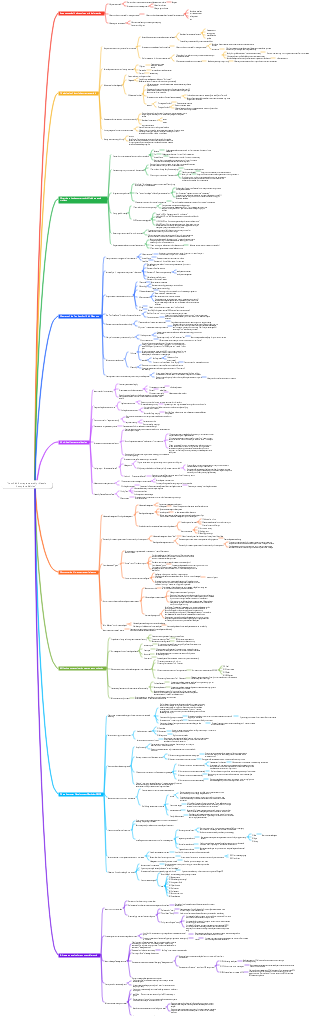
This is a mind map about "Strategy: From Thinking to Action", which mainly includes: challenges and solutions for strategic implementation, mission and goals, transformation of strategic thinking to practical actions, strategic thinking, and strategic levels.
Edited at 2025-01-11 21:07:31
- Rumi 10 spiritual high-dimensional awakenings
Rumi: 10 dimensions of spiritual awakening. When you stop looking for yourself, you will find the entire universe because what you are looking for is also looking for you. Anything you do persevere every day can open a door to the depths of your spirit. In silence, I slipped into the secret realm, and I enjoyed everything to observe the magic around me, and didn't make any noise. Why do you like to crawl when you are born with wings? The soul has its own ears and can hear things that the mind cannot understand. Seek inward for the answer to everything, everything in the universe is in you. Lovers do not end up meeting somewhere, and there is no parting in this world. A wound is where light enters your heart.
- Pathophysiology - Heart failure
Chronic heart failure is not just a problem of the speed of heart rate! It is caused by the decrease in myocardial contraction and diastolic function, which leads to insufficient cardiac output, which in turn causes congestion in the pulmonary circulation and congestion in the systemic circulation. From causes, inducement to compensation mechanisms, the pathophysiological processes of heart failure are complex and diverse. By controlling edema, reducing the heart's front and afterload, improving cardiac comfort function, and preventing and treating basic causes, we can effectively respond to this challenge. Only by understanding the mechanisms and clinical manifestations of heart failure and mastering prevention and treatment strategies can we better protect heart health.
- Pathophysiology - ischemia - reperfusion injury
Ischemia-reperfusion injury is a phenomenon that cellular function and metabolic disorders and structural damage will worsen after organs or tissues restore blood supply. Its main mechanisms include increased free radical generation, calcium overload, and the role of microvascular and leukocytes. The heart and brain are common damaged organs, manifested as changes in myocardial metabolism and ultrastructural changes, decreased cardiac function, etc. Prevention and control measures include removing free radicals, reducing calcium overload, improving metabolism and controlling reperfusion conditions, such as low sodium, low temperature, low pressure, etc. Understanding these mechanisms can help develop effective treatment options and alleviate ischemic injury.
Strategy From Thinking to Action
- Rumi 10 spiritual high-dimensional awakenings
Rumi: 10 dimensions of spiritual awakening. When you stop looking for yourself, you will find the entire universe because what you are looking for is also looking for you. Anything you do persevere every day can open a door to the depths of your spirit. In silence, I slipped into the secret realm, and I enjoyed everything to observe the magic around me, and didn't make any noise. Why do you like to crawl when you are born with wings? The soul has its own ears and can hear things that the mind cannot understand. Seek inward for the answer to everything, everything in the universe is in you. Lovers do not end up meeting somewhere, and there is no parting in this world. A wound is where light enters your heart.
- Pathophysiology - Heart failure
Chronic heart failure is not just a problem of the speed of heart rate! It is caused by the decrease in myocardial contraction and diastolic function, which leads to insufficient cardiac output, which in turn causes congestion in the pulmonary circulation and congestion in the systemic circulation. From causes, inducement to compensation mechanisms, the pathophysiological processes of heart failure are complex and diverse. By controlling edema, reducing the heart's front and afterload, improving cardiac comfort function, and preventing and treating basic causes, we can effectively respond to this challenge. Only by understanding the mechanisms and clinical manifestations of heart failure and mastering prevention and treatment strategies can we better protect heart health.
- Pathophysiology - ischemia - reperfusion injury
Ischemia-reperfusion injury is a phenomenon that cellular function and metabolic disorders and structural damage will worsen after organs or tissues restore blood supply. Its main mechanisms include increased free radical generation, calcium overload, and the role of microvascular and leukocytes. The heart and brain are common damaged organs, manifested as changes in myocardial metabolism and ultrastructural changes, decreased cardiac function, etc. Prevention and control measures include removing free radicals, reducing calcium overload, improving metabolism and controlling reperfusion conditions, such as low sodium, low temperature, low pressure, etc. Understanding these mechanisms can help develop effective treatment options and alleviate ischemic injury.
- Recommended to you
- Outline
7 Lessons on Entrepreneurship--Founders in Action Qiuye (Essentials from the Whole Book)
- 32
- 1

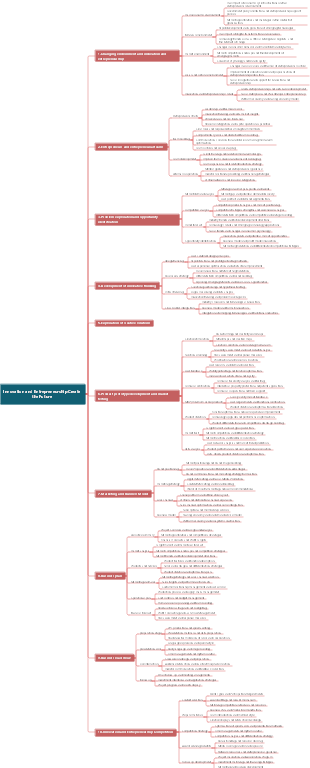
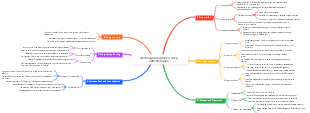



Strategy: From Thinking to Action
Strategic Level
Company-level strategy
Core concerns: The core of the company-level strategy is to point out the direction for the overall development of the company and reasonably plan business layout. This requires companies to fully consider their own resource reserves, unique capabilities, opportunities for market emergence and potential risks. Taking Samsung Group as an example, its business is widely distributed in multiple fields such as electronics, finance, and machinery. During the development process, it continuously evaluates the performance of various business segments and adjusts its business portfolio in a timely manner. By analyzing the synergy between various businesses, such as the chip technology of electronic business, it can provide support for the smartphone business, realize resource sharing and complementary advantages, and thus enhance the overall competitiveness of the group and achieve the goal of economies of scope.
Key strategic measures
Business Development: When deciding to enter a new business field, companies need to conduct comprehensive and in-depth market research. By analyzing the scale of the potential market, understand its development potential; study growth trends and predict future trends; analyze the competitive landscape and clarify your own advantages and disadvantages. The choice of entry method is crucial. Independent R&D requires enterprises to have strong technical strength and sufficient R&D investment. Although they can control core technologies, they face higher risks and longer cycles. For example, Huawei has invested in research and development in the field of communication technology for a long time, mastered the core 5G technology, and occupied a leading position in the global market. Mergers and acquisitions can quickly obtain the technology, market share and talent resources of the target company, but the integration process is full of challenges. After Lenovo acquires IBM's personal computer business, it is necessary to overcome cultural differences and business integration. Cooperation can achieve resource sharing, complementary advantages, and reduce risks, but a good cooperation management mechanism is required. For example, Tencent cooperates with many game developers to use their respective advantages to jointly explore the game market.
Business divestiture: To evaluate whether a business is divestiture, a variety of factors need to be considered comprehensively. Profitability is a key indicator. If the business suffers long-term losses and there is no sign of improvement, it may become a burden to the company. For example, some traditional manufacturing companies have shrunk market demand and products are unsalable, resulting in continuous losses in the business. In terms of market prospects, if the industry is in a limited development, fierce competition, and limited business development space, it is also necessary to consider divestiture. For example, some traditional film business companies, with the rise of digital technology, the film market gradually shrinks, and companies have to divestiture related businesses. In addition, the coordination between the business and the company's core business cannot be ignored. Businesses with poor synergy are difficult to share resources and capabilities, and cannot provide strong support for the overall development of the company. For example, some companies are involved in the process of diversified development, and have low correlation with core business. The business was later selected for divesting due to coordination difficulties.
Establishing a joint venture: Enterprises establish joint ventures usually to enter new markets, acquire new technologies or resources. When choosing a partner, you should examine the other party's resource advantages, such as its advantages in raw material supply, technical research and development, etc.; evaluate its technical strength to understand its technical level in the industry; analyze its market position and clarify its impact in the target market We must also consider corporate culture compatibility to ensure that both parties can communicate and cooperate smoothly during the cooperation process. For example, Volkswagen and JAC Motors established a joint venture. With its advanced automobile manufacturing technology and brand influence, JAC Motors used its local market channels and production capabilities to complement each other's advantages and jointly explore the new energy vehicle market.
Career Strategy
Core positioning: The business-level strategy focuses on the company's competitive strategies in specific business areas, clarifying the characteristics of the product or service and the target customer group. This requires companies to have a deep insight into market demand and competitive trends, and accurately position their own products or services. Taking Haidilao as an example, in the catering industry, it features high-quality service experience, positioning itself as a mid-to-high-end market, and attracting consumers who focus on dining experience and pursue quality. By providing thoughtful services to customers, such as providing free snacks and nail art services while waiting, and responding to customer needs in a timely manner during meals, we stand out in the fierce competition in the catering market.
Strategic Behavior
Advertising: When formulating advertising strategies, companies should conduct in-depth research on the media usage habits of target customers. For example, young consumers prefer social media platforms, such as TikTok, Weibo, etc. They spend a lot of time on these platforms to obtain information. and entertainment. At the same time, understand their interest preferences so that they can create more attractive advertising content. For example, Coca-Cola has launched personalized packaging and creative advertisements to address the characteristics of young consumers' pursuit of fashion and personality, which has been widely spread on social media and attracting the attention of young consumers.
R&D: R&D is the key to maintaining the competitive advantage of enterprises. Enterprises need to pay close attention to industry technology trends, such as the chip technology in the smartphone industry is constantly upgrading, from 4G chips to 5G chips, and then to more advanced chip technology research and development; photography technology is constantly innovating, pixels are getting higher and higher, and shooting functions are getting more and more Rich; the development of display technology from traditional LCD to OLED and other new technologies. At the same time, we will gain an in-depth understanding of changes in consumer demand, such as consumers' higher requirements for mobile phone battery life, photo effects, intelligent interaction, etc., and promote enterprises to develop new technologies and new functions. For example, Apple continues to develop new chip technologies to improve mobile phone performance, optimize photo algorithms, improve photo quality, and meet consumers' needs for high-quality mobile phones.
Functional layer strategy
Core task: The core task of the functional layer strategy is to provide strong support for the career layer strategy and ensure that the work of various functional departments is closely coordinated with the career layer strategy. For example, if the business-level strategy emphasizes product innovation, the R&D department should increase R&D investment, attract high-end R&D talents, establish innovation incentive mechanisms, and encourage employees to propose new creative and technical solutions. The manufacturing department should optimize the production process, introduce advanced production equipment, improve production efficiency and product quality, and achieve rapid and high-quality production of new products. The marketing department should accurately position the target market, formulate effective marketing strategies based on product characteristics and target customer needs, such as online and offline promotion methods, and use social media, e-commerce platforms, etc. to promote products to enhance the market popularity of the product and Shareholding percentage. The financial department should arrange funds reasonably to provide sufficient financial support for R&D, production and marketing links to ensure the smooth progress of all links.
Key points of collaboration: Coordination between functional departments is crucial. After the R&D department develops a new product, it needs to communicate closely with the manufacturing department to ensure that the product design meets the production process requirements and that the product quality is stable and reliable. After the manufacturing department produces the product, the marketing department must promptly formulate promotion plans, select appropriate promotion channels and methods based on product characteristics and target market positioning, and bring the products to the market. The financial department should monitor and manage funds throughout the entire process to ensure the effective use of resources and avoid waste of funds and overspending of costs. For example, in an automobile manufacturing enterprise, after the R&D department designs a new type of car, the manufacturing department produces it according to the design requirements to ensure product quality and production efficiency. The marketing department simultaneously carries out marketing promotion activities to attract consumers' attention through auto shows, advertising and other methods. The financial department reasonably allocates and monitors the funds for R&D, production and marketing to ensure that the project funds are sufficient and use them reasonably.
Mission and Goals
mission
Core connotation: The mission of a company is the fundamental reason for the existence of a company. It carries the company's values, basic beliefs and code of conduct and is the soul of the company's business activities. For example, Alibaba’s mission is to “make no difficult business in the world”, which runs through its e-commerce platform, financial services, logistics and distribution and other business links. From providing a convenient e-commerce platform for small and medium-sized enterprises, to launching financial services to help enterprises solve capital problems, to establishing a logistics system to improve distribution efficiency, it all revolves around helping enterprises reduce operating costs and expand business channels.
Important significance: A clear mission can provide clear direction guidance for the company, so that employees have a clear sense of purpose and belonging in their work, and enhance the company's cohesion and centripetal force. At the same time, showing the company's value pursuit to external stakeholders will help improve the company's brand image and social recognition. For example, Tesla has attracted many consumers, investors and outstanding talents who are paying attention to environmental protection and technological innovation with the mission of "accelerating the world's transformation to sustainable energy". Consumers are more willing to buy their products because they agree with their mission; investors are optimistic about their development prospects and are willing to invest financial support; outstanding talents are attracted by their mission and join the company to jointly promote corporate development and enhance the brand's global influence.
Target
Financial goals: Financial goals have clear quantitative characteristics and are the specific pursuit of the company in terms of finance. Common financial goals include sales growth targets, such as a company setting a 15% annual sales growth in the next three years, which requires the company to continuously expand its market share and increase product sales or service revenue. Net profit target ensures that the company achieves a certain profit level after deducting all costs and expenses. If the net profit margin is set to reach 10%, it requires the company to reasonably control costs and improve operational efficiency. The debt-to-asset ratio target maintains a reasonable debt level and ensures the financial stability of the company. If the debt-to-asset ratio is controlled within 60%, avoiding the financial risks caused by excessive debt. These goals provide specific measurement standards for the company's financial management and business decisions.
Strategic Objectives: Strategic objectives focus on qualitative descriptions, focusing on the long-term development of the enterprise and the construction of core competitiveness. For example, companies hope to become industry technology leaders in the next five years, which means achieving remarkable results in technology research and development, patent application, technical talent reserve, etc. For example, Huawei continues to increase R&D investment in the field of communication technology, apply for a large number of patents, attract outstanding global technical talents, and gradually become an industry technology leader. To enhance the brand's reputation in a specific market, it is necessary to achieve it through high-quality products and services, active brand communication and good corporate image shaping. For example, Haier has enhanced the brand's reputation in the hearts of consumers by providing high-quality home appliances, improving the after-sales service system, and actively participating in public welfare activities. Expand new market share to a certain proportion, such as entering emerging markets and occupying 10% of the market share within three years, which requires companies to formulate corresponding market entry strategies and marketing plans, understand the characteristics of emerging market demand, and formulate targeted products and marketing. Strategy.
Strategic thinking
definition
Core concept: Strategic thinking is a high-level and systematic way of thinking. It requires thinkers to transcend the limitations of daily affairs and comprehensively analyze the internal and external environment in which the organization is located from a macro and long-term perspective. This includes insight into macro-environmental factors such as politics, economy, society, and technology, as well as in-depth analysis of micro-levels such as industry competition trends and enterprise's own resources and capabilities. By taking these factors into consideration, we develop strategic plans that meet the needs of the organization's development to realize the vision and mission of the organization or individual. For example, when formulating strategies for new energy vehicle companies, environmental protection policies of countries around the world need to be considered, such as the EU's strict standards for carbon emissions, prompting automobile companies to increase their efforts in the research and development of new energy vehicles; economic development trends, such as global economic growth for consumers The impact of purchasing power; the society's attention to environmentally friendly travel is constantly increasing; the development direction of battery technology, such as the development progress of solid-state battery technology. At the same time, it is necessary to analyze the company's own R&D capabilities, production scale, brand influence, and supply chain management capabilities, and comprehensively formulate the company's development strategy.
Features
Globality: Strategic thinking emphasizes the relationship and influence of various departments, business links, and internal and external factors starting from the overall interests and long-term development of the organization. For example, when formulating a global strategy, a multinational company should consider the market characteristics of different countries and regions. For example, cultural differences lead to different consumer needs, European and American consumers pay more attention to product performance, and Asian consumers may pay more attention to product appearance and price; policy Different regulations, trade policies, environmental protection policies, etc. of different countries have an impact on the operation of the enterprise; as well as the operation of different product lines and different regions within the enterprise, ensure the coordinated development of various departments and business links and maximize the overall interests of the enterprise.
Long-term: Pay attention to the long-term development direction and goals of the organization, and not be swayed by short-term interests or difficulties. For example, pharmaceutical companies may need to invest years or even decades and a lot of money to develop a new special drug, and may face the risk of R&D failure during this period, but from a long-term strategic perspective, once successful, it will lead the company to the company. It can make huge market share and profits, and at the same time make important contributions to society. For example, Pfizer Pharmaceutical has invested a lot of resources to develop the new crown vaccine, and has achieved success after long-term research. It not only contributes to the global fight against the epidemic, but also brings huge economic benefits and reputation improvement to the company.
Forward-looking: Plan your strategy in advance based on keen insights and predictions about future trends. For example, in the Internet industry, some companies have advanced to develop emerging technologies such as artificial intelligence and big data, and have taken the lead in future market competition through continuous research and development and innovation. For example, Google's early investment in the field of artificial intelligence has enabled it to gain a leading position in search engine optimization, smart voice assistants, etc. With the development of artificial intelligence technology, Google's search engine can more accurately understand user needs and provide search results that meet users' expectations; the functions of intelligent voice assistants are constantly optimized to provide users with more convenient services.
Innovation: Encourage breakthroughs in traditional thinking patterns and seek new development paths and competitive advantages. For example, Uber broke the operating model of the traditional taxi industry, achieved efficient matching between passengers and drivers through Internet platforms, created a new model of shared travel, and quickly achieved success on a global scale. This innovative model not only changed people's travel methods, but also had a huge impact on the traditional taxi industry and promoted the transformation of the entire travel industry.
Systematic: treating an organization as an organic whole, with each part being related and influencing each other. When formulating a strategy, consider the coordination and cooperation of various functional departments such as production, marketing, R&D, and finance, as well as all aspects such as resource allocation, risk control and other links during the implementation of the strategy. For example, when an enterprise launches a new product, the R&D department needs to design the product, considering the function, appearance, technical feasibility, etc. of the product; the production department organizes production to ensure product quality, production efficiency and cost control; the marketing department formulates promotion strategies, Select appropriate promotion channels and methods based on product characteristics and target market positioning; the financial department provides financial support to reasonably allocate and monitor funds for R&D, production and marketing; at the same time, technical risks, market risks, and financial risks in the entire process must be carried out. and other effective control to ensure the smooth launch of the product and achieve market success.
importance
Improve decision-making quality: Strategic thinking helps decision makers analyze problems comprehensively and in-depth, weigh the pros and cons of various solutions, and avoid one-sided and short-sighted decisions. For example, when an enterprise decides whether to invest in and build a new production base, it comprehensively considers market demand through strategic thinking, such as the scale of the target market, growth trend, competitive conditions, etc.; raw material supply, including price fluctuations of raw materials, supply stability, etc.; labor force Cost, labor costs in different regions vary greatly, which will affect the production costs of enterprises; policy environment, such as local government industrial policies, tax policies, etc. By analyzing these factors in a comprehensive analysis, decision makers can make more reasonable investment decisions to ensure return on investment and sustainable development of the company.
Coping with uncertainty: In a complex and changeable environment, strategic thinking can help companies keenly perceive environmental changes, formulate response strategies in advance, and reduce risks. For example, in the face of fluctuations in the global economic situation, such as during an economic crisis, companies can adjust their business layout through strategic thinking, optimize cost structure, strengthen cash flow management, and reduce the impact of economic fluctuations on companies. Faced with adjustments to policies and regulations, such as the stricter environmental protection policies, enterprises will develop environmental protection technologies in advance, improve production processes, meet policy requirements, and avoid enterprises stopping production or facing high fines due to policy changes. Faced with rapid technological changes, such as the transformation of the smartphone industry from feature phones to smart phones, enterprises have timely adjusted their R&D direction, increased investment in R&D in smartphone technology, launched products that meet market demand, and maintained competitiveness.
Achieve sustainable development: clarify the long-term development direction and goals of the enterprise, guide the enterprise to rationally allocate resources, continuously improve its core competitiveness, and achieve sustainable development. For example, a company formulates a green development strategy through strategic thinking, which can not only meet the society's requirements for environmental protection, but also open up new market opportunities, enhance the company's social image and brand value, and achieve a win-win situation between the economy and the environment. For example, some companies have developed renewable energy products, which not only conforms to the global environmental protection trend, but also opens up new market areas and obtains good economic and social benefits.
Guide practical actions: Provide a clear guiding framework for the company's strategic planning, organizational structure design, resource allocation and other practical actions, so that all the company's work can be carried out in an orderly manner around strategic goals. For example, an enterprise adjusts its organizational structure according to strategic goals. If the company's strategic focus shifts to expanding the international market, it may set up a special international business department to be responsible for the development and operation of the international market; optimize business processes, improve operational efficiency, and reduce costs; and allocate human resources reasonably , material and financial resources to ensure the effective implementation of the strategy, such as allocating more R&D personnel and funds for key R&D projects to ensure the smooth progress of the project.
Transformation from strategic thinking to practical actions
Clarify the goal
The basis for setting goals: The formulation of goals should be closely integrated with the company's strategic direction to ensure consistency with the company's long-term vision and mission. At the same time, in-depth analysis of market demand is the key, including consumers' potential demand, market development trends, and competitor dynamics. For example, a smart wearable device company formulates and develops smart watches with more accurate health monitoring functions and communication functions based on the industry's intelligent and healthy development trends, as well as consumers' needs for health monitoring, convenient communications, etc., and Goals to enter the top three in the market within one year. When setting goals, you also need to consider the product characteristics and market share of your competitors, analyze your own strengths and weaknesses, and ensure that your goals are challenging and achievable.
Target characteristics: The target should be specific and clearly explain the results to be achieved, such as the specific functional characteristics of the product, such as the heart rate monitoring error of the smart watch is controlled within ±5%, and the sleep monitoring accuracy reaches more than 90%. The target should be able Metrics can be used to evaluate the completion progress of the target through specific data indicators, such as market share, sales, user satisfaction after the product is launched. At the same time, goals should also be achievable, fully consider the resources and capabilities of the enterprise to ensure that they can be achieved through efforts under existing conditions; they are relevant, related and consistent with the strategic goals of the enterprise and the goals of other departments; A clear time node, such as completing product research and development and launching within one year, and achieving a market share of 15% within three years.
Make a plan
Plan content
Timetable: Detailed planning of key time nodes and task completion deadlines for each stage. For example, in product research and development projects, clear demand surveys are completed within one month, and user needs and market information are collected through questionnaires, user interviews, etc.; technical research and development is completed within six months, including chip selection, software programming, and hardware Design and other links; product testing is completed within two months, functional testing, performance testing, reliability testing, etc. are carried out to ensure that product quality meets the requirements; preparations before the product is launched, such as production preparation, marketing planning, etc. are within one month Complete to ensure that the product can be launched on time.
Resource allocation: reasonably determine the scale and allocation method of human, material, financial and other resources. For example, a R&D project requires 50 professional R&D personnel, including software engineers, hardware engineers, testing engineers, etc., to reasonably arrange the work tasks of personnel according to the project progress; purchase R&D equipment worth 10 million yuan, such as testing instruments, development tools, etc., to ensure that The R&D work is carried out smoothly; 50 million yuan of R&D funds are allocated to be used for personnel compensation, equipment procurement, raw material procurement, testing costs, etc. to ensure that resources can meet project needs.
Risk assessment: Identify risk factors that may affect the implementation of the plan in advance, such as technical difficulties, intensified market competition, changes in policies and regulations, etc., and formulate corresponding response measures. For example, in response to technical problems, set up an expert team to solve problems, cooperate with universities and research institutions, and jointly solve technical problems; for the intensification of market competition, formulate differentiated marketing strategies, highlight the characteristics and advantages of the products, and improve the competitiveness of the products; For changes in policies and regulations, timely adjust product research and development direction and production standards to ensure that the products comply with policy requirements.
Key points of plan formulation: The plan should be feasible, fully consider the actual resources and capabilities of the enterprise, and ensure that the plan can be implemented smoothly under existing conditions. For example, when formulating expansion plans, enterprises should consider their own financial strength, management capabilities and talent reserves. If the company has limited funds, it may need to adjust its expansion scale or find financing channels; if the management capabilities are insufficient, management training can be conducted in advance or professional management talents can be introduced. At the same time, the plan should be flexible and reserve a certain amount of adjustment space to deal with possible emergencies or environmental changes, such as sudden changes in market demand and interruptions in raw material supply. Several sets of backup plans can be formulated and switched in time according to actual conditions.
Implement responsibilities and tasks
Task decomposition: Detail the overall goals and plans into specific tasks, and clarify the work content and requirements of each task. For example, decompose product R&D goals into specific tasks such as demand research, technology R&D, product testing, etc. The demand research tasks must clarify the scope, methods and time nodes of the research; the technical R&D tasks must determine the technical route, key technical indicators, etc. of the research and development tasks. Further subdivision, in technical research and development, software programming tasks must clarify the division, programming specifications and completion time of functional modules; hardware design tasks must determine specific requirements such as circuit design, device selection, etc.
Clear responsibilities: Assign a specific person in charge for each task, clarify his responsibilities and expected results, and ensure that everyone is responsible and implemented in each task. For example, the demand research task is the person in charge of the market research department, and is required to submit a detailed market research report within the specified time, including user demand analysis, market trend forecast, competitor analysis, etc.; the technical R&D task is the project of the R&D department. The person in charge is responsible for ensuring that technical research and development is completed on time and that predetermined technical indicators are met, such as chip performance reaches a certain standard, software functions are stable and easy to use, etc. At the same time, establish a task tracking mechanism, regularly check the task execution progress, timely discover problems and solve them, such as holding weekly project progress meetings, reporting on task completion status, and using project management tools to track task progress and resource usage status in real time.
Strengthen team collaboration and communication
Collaborative mechanism: Encourage team members to collaborate and support each other to break departmental barriers. For example, in cross-departmental projects, project teams are established, with members from different departments working together to achieve project goals. By formulating team collaboration rules, clarify the responsibilities and collaboration methods of each member, and promote cooperation among team members. If specified in the process of product research and development, the R&D department is responsible for the realization of product technology, the production department intervenes in advance, provides suggestions on production processes, and ensures product productivity; the marketing department promptly feedbacks on market demand and competitive information to provide direction for product design.
Communication mechanism: Establish effective communication channels to ensure that information is transmitted in a timely and accurate manner within the team. For example, hold project meetings regularly to allow members of each department to report on work progress, exchange problems and solutions; use instant messaging tools to facilitate members to communicate at any time; build a project management platform to share project documents, progress, resources and other information in real time. At the same time, create an open communication atmosphere, encourage members to share ideas and experiences, and promote team innovation and development. For example, establish creative sharing sessions, encourage members to propose new ideas and suggestions, and reward valuable ideas; carry out cross-departmental training and Communication activities to enhance understanding and trust among members.
Timely adjust and optimize action plans
Adjustment basis: Pay close attention to market changes, including competitors' dynamics, such as competitors launching new products or services, adopting new marketing strategies, etc.; changes in consumer demand, such as consumer's product function, quality, price, etc. New requirements; adjustments to policies and regulations, such as the impact of environmental protection policies on enterprise production, the impact of tax policies on enterprise costs, etc. At the same time, pay attention to the actual implementation within the enterprise, such as whether the resources are sufficient, whether the task progress is smooth, and whether the teamwork is smooth. For example, if a competitor launches more cost-effective products, the company needs to adjust the product price or marketing strategy in a timely manner, such as launching promotional activities, optimizing product packaging, etc.; if technical difficulties arise during the R&D process lead to lag, the R&D plan should be adjusted in time and increased Research and development resources or adjust technical routes; if there is a problem with team collaboration, such as poor communication between departments, you should find out the reasons in a timely manner, strengthen communication and coordination, and optimize the collaboration mechanism.
Adjustment method: Maintain flexibility and flexibly adjust action plans according to actual conditions, such as adjusting product R&D direction, optimizing marketing channels, reallocating resources, etc. Continue to summarize experience and lessons, optimize and improve the action plan, and continuously improve the effectiveness of strategic implementation. For example, through market feedback analysis, it is found that a certain function of the product is not popular with consumers, and the product design is adjusted in time, delete or improve the function; through marketing effect evaluation, it is found that a certain promotion channel is not effective, and the promotion channel is changed in time, such as From traditional advertising to social media marketing; based on project progress and resource use, human, material and financial resources are redistributed to ensure the rational use of resources and improve project efficiency.
Challenges and solutions for strategic implementation
Strategic thinking is out of touch with practical actions
Expression form
Lack of clear goals and plans: During the implementation of the strategy, the company did not refine the strategic goals into specific action plans and tasks, resulting in employees not being clear about the strategic direction and lacking guidance on actions. For example, companies propose to become industry leaders, but do not clarify specific goals and implementation steps in products, markets, technology, etc., employees do not know how to carry out their work and cannot effectively combine their own work with the company's strategic goals.
Inadequate assessment of resources and capabilities: When formulating a strategy, the actual resources and capabilities of the company are not fully considered, and there is a shortage of resources or mismatch in the implementation of the strategy. If the company plans to expand the market on a large scale, but the capital reserves are insufficient and cannot support marketing promotion activities, resulting in the market expansion plan being blocked; or the company wants to develop new products, but lacks relevant technical talents and R&D capabilities, and is unable to complete the R&D tasks on time, affecting the product Listing progress.
Lack of effective execution and monitoring mechanisms: no effective execution and monitoring mechanism is established, the progress of strategy implementation cannot be grasped in a timely manner, and problems cannot be discovered and solved in a timely manner. For example, companies have not set key performance indicators (KPIs) to measure the effectiveness of strategy implementation, nor have they regularly evaluated and adjusted the implementation of the strategy, resulting in problems that arise during the implementation of the strategy being not solved in a timely manner, such as market share declines and products Quality issues, etc., affect the realization of strategic goals.
Solution
Formulate a clear plan: Formulate a detailed and specific strategic implementation plan, break down the strategic goals into specific tasks and steps, and clarify the goals, responsible persons, time nodes and resource requirements of each stage. For example, an enterprise formulates a market expansion plan to clarify market share goals, promotion activity arrangements, persons in charge, and resources such as required funds and human resources in each region. At the same time, a detailed timetable is formulated to ensure that all tasks are carried out as planned.
Strengthen resource assessment: Before formulating a strategy, comprehensively evaluate the company's resources and capabilities, including funds, technology, talents, equipment, etc. Based on the evaluation results, a resource reserve and capacity improvement plan is formulated. For example, in order to improve R&D capabilities, enterprises increase R&D capital investment, recruit high-end R&D talents, establish R&D laboratories, cooperate with universities and research institutions, and improve their own technical level and innovation capabilities.
Establish a monitoring mechanism: Establish an effective implementation and monitoring mechanism, establish key performance indicators (KPIs), and regularly evaluate and adjust the implementation of the strategy. For example, enterprises assess the KPI completion status of each department every month, analyze the problems existing in the implementation of the strategy based on the assessment results, and adjust the strategies and action plans in a timely manner. At the same time, an information feedback mechanism is established to ensure that grassroots employees can promptly report problems encountered during the implementation of the strategy to superiors in order to solve them in a timely manner.
Poor teamwork and communication
Problem manifestation
The role positioning of members is unclear: Team members have a vague understanding of their responsibilities and roles, which leads to confusion in their responsibilities at work, and the phenomenon of shirking responsibility or repeated work. For example, in cross-departmental projects, the marketing department and R&D department have differences in the definition of product functions and grasp of market demand. Both parties believe that the other party should undertake more work, resulting in slow progress in the project. During the product promotion stage, the sales department and marketing department have unclear division of responsibilities for customer follow-up and marketing promotion, and there is no customer follow-up or repeated promotion.
Lack of communication channels: The lack or improper communication channels make information transmission untimely and inaccurate, affecting work efficiency and decision-making quality. For example, there is no effective information sharing platform established within the enterprise, and information transmission between departments depends on traditional email or oral communication, which is prone to information omissions or misunderstandings. In an emergency, the failure to notify relevant personnel in a timely manner, resulting in delays in decision making.
Differences in team culture and values: Team members come from different backgrounds, and there are differences in culture and values, which leads to a lack of consensus among members and it is difficult to form a synergy. For example, young new employees focus on innovation and quick action, while old employees tend to follow traditional and stable working methods, which are prone to conflicts at work. Due to different cultural backgrounds, employees in different regions have different communication methods and work habits, which affects the effectiveness of teamwork.
Solutions
Clarify role positioning: formulate a detailed job description to clarify the responsibilities, authority and scope of work of each team member, and avoid the problem of unclear responsibilities. At the same time, through training and communication, members can fully understand their roles and the overall goals of the team, and enhance their sense of responsibility and collaboration. For example, before the project starts, team members are organized to conduct training to explain project goals, departmental responsibilities and workflows, ensuring that each member is clear about their tasks and collaborative relationships with other members.
Strengthen communication and collaboration: establish diversified communication channels, such as holding regular project meetings, using instant messaging tools, building project management platforms, etc., to ensure timely transmission and sharing of information. In addition, cross-departmental communication activities can be organized to enhance understanding and trust among team members. For example, carry out team building activities, such as outdoor expansion, dinner parties, etc., to promote communication among members; establish online communication groups to facilitate members to communicate work issues at any time; use project management software to share project progress, documents and other information in real time.
Cultivate common culture and values: Through team building activities, corporate culture training and other methods, cultivate common culture and values of the team, and create a positive team atmosphere. For example, carry out team expansion training to enhance the collaboration and cohesion among team members; organize corporate culture lectures regularly to strengthen employees' recognition of corporate values; establish a team reward mechanism to encourage team members to work together to achieve team goals and enhance team belonging feel.
Untimely adjustment of action plans
There are problems
Responsive to market changes: Companies fail to capture new trends and new demands in the market in a timely manner, resulting in strategic lag. For example, in the smartphone market, when consumers' demand for photo shooting functions is growing, some companies have not adjusted their R&D direction in time and still focus on other aspects, thus losing market share. In the e-commerce industry, with the rise of emerging sales models such as live streaming and sales, some traditional companies did not follow up in time, resulting in a decline in sales performance.
Lack of flexibility and innovation: rely too much on the original action plan and cannot be adjusted in time when facing new situations. For example, in the wave of e-commerce rise, some traditional companies adhere to the traditional sales model and are unwilling to try new online channels, resulting in a serious impact on their business. In an industry with rapid technological development, if an enterprise cannot innovate products or services in a timely manner, it will be surpassed by its competitors.
The decision-making process is complicated: the decision-making process is complicated and there are too many approval links, which leads to too long decision-making time and misses the best adjustment opportunity. For example, when companies face intensified market competition and need to quickly adjust product prices, due to the complex internal approval process, from the grassroots application to the high-level approval approval, it needs to go through multiple departments and levels, and cannot make timely decisions, making the product in the market At a disadvantage. When dealing with sudden market changes, cumbersome decision-making processes will lead to companies missing business opportunities.
Coping strategies
Improve market response speed: Establish a market monitoring mechanism, pay close attention to market trends, collect and analyze market information in a timely manner, and increase sensitivity to market changes. For example, companies can set up special market research departments to regularly collect industry data, competitor information and consumer feedback to provide a basis for strategic decision-making. Use big data analysis technology to monitor market trends and consumer behavior in real time and discover signals of market changes in a timely manner.
Maintain flexibility and innovation: Encourage innovation and flexibility, allowing a certain space for trial and error during the implementation of the strategy. Enterprises can establish innovative incentive mechanisms to encourage employees to propose new ideas and suggestions, and adjust their action plans in a timely manner. For example, some Internet companies adopt an agile development model to quickly respond to market changes and continuously optimize products and services. Establish an innovation fund to support employees in carrying out innovative projects and reward successful innovative projects.
Simplify the decision-making process: clarify decision-making authority, simplify the decision-making process, reduce unnecessary approval links, and improve decision-making efficiency. For example, companies can adopt a flat organizational structure that gives grassroots employees certain decision-making power so that they can respond quickly when facing problems. At the same time, a rapid decision-making mechanism, such as an emergency meeting system, is established to ensure that decisions can be made in a timely manner at critical moments. Develop clear decision-making standards and processes to reduce uncertainty and ambiguity in the decision-making process.