MindMap Gallery Endocrine system
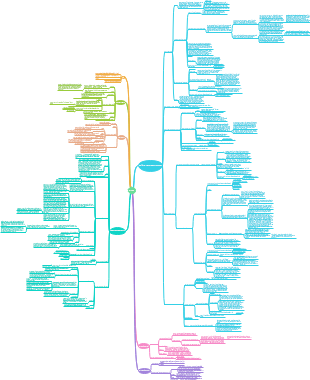
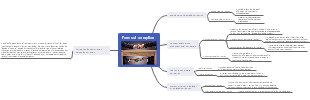
This is a mind map about the endocrine system. The endocrine system is composed of a variety of endocrine glands and tissue cells. These glands and tissue cells are scattered throughout the body, but mainly regulate the body's physiological functions through hormones.
Edited at 2025-01-03 14:58:28Rumi: 10 dimensions of spiritual awakening. When you stop looking for yourself, you will find the entire universe because what you are looking for is also looking for you. Anything you do persevere every day can open a door to the depths of your spirit. In silence, I slipped into the secret realm, and I enjoyed everything to observe the magic around me, and didn't make any noise. Why do you like to crawl when you are born with wings? The soul has its own ears and can hear things that the mind cannot understand. Seek inward for the answer to everything, everything in the universe is in you. Lovers do not end up meeting somewhere, and there is no parting in this world. A wound is where light enters your heart.
Chronic heart failure is not just a problem of the speed of heart rate! It is caused by the decrease in myocardial contraction and diastolic function, which leads to insufficient cardiac output, which in turn causes congestion in the pulmonary circulation and congestion in the systemic circulation. From causes, inducement to compensation mechanisms, the pathophysiological processes of heart failure are complex and diverse. By controlling edema, reducing the heart's front and afterload, improving cardiac comfort function, and preventing and treating basic causes, we can effectively respond to this challenge. Only by understanding the mechanisms and clinical manifestations of heart failure and mastering prevention and treatment strategies can we better protect heart health.
Ischemia-reperfusion injury is a phenomenon that cellular function and metabolic disorders and structural damage will worsen after organs or tissues restore blood supply. Its main mechanisms include increased free radical generation, calcium overload, and the role of microvascular and leukocytes. The heart and brain are common damaged organs, manifested as changes in myocardial metabolism and ultrastructural changes, decreased cardiac function, etc. Prevention and control measures include removing free radicals, reducing calcium overload, improving metabolism and controlling reperfusion conditions, such as low sodium, low temperature, low pressure, etc. Understanding these mechanisms can help develop effective treatment options and alleviate ischemic injury.
Rumi: 10 dimensions of spiritual awakening. When you stop looking for yourself, you will find the entire universe because what you are looking for is also looking for you. Anything you do persevere every day can open a door to the depths of your spirit. In silence, I slipped into the secret realm, and I enjoyed everything to observe the magic around me, and didn't make any noise. Why do you like to crawl when you are born with wings? The soul has its own ears and can hear things that the mind cannot understand. Seek inward for the answer to everything, everything in the universe is in you. Lovers do not end up meeting somewhere, and there is no parting in this world. A wound is where light enters your heart.
Chronic heart failure is not just a problem of the speed of heart rate! It is caused by the decrease in myocardial contraction and diastolic function, which leads to insufficient cardiac output, which in turn causes congestion in the pulmonary circulation and congestion in the systemic circulation. From causes, inducement to compensation mechanisms, the pathophysiological processes of heart failure are complex and diverse. By controlling edema, reducing the heart's front and afterload, improving cardiac comfort function, and preventing and treating basic causes, we can effectively respond to this challenge. Only by understanding the mechanisms and clinical manifestations of heart failure and mastering prevention and treatment strategies can we better protect heart health.
Ischemia-reperfusion injury is a phenomenon that cellular function and metabolic disorders and structural damage will worsen after organs or tissues restore blood supply. Its main mechanisms include increased free radical generation, calcium overload, and the role of microvascular and leukocytes. The heart and brain are common damaged organs, manifested as changes in myocardial metabolism and ultrastructural changes, decreased cardiac function, etc. Prevention and control measures include removing free radicals, reducing calcium overload, improving metabolism and controlling reperfusion conditions, such as low sodium, low temperature, low pressure, etc. Understanding these mechanisms can help develop effective treatment options and alleviate ischemic injury.
Central theme
Overview
Classification
Including N
Steroids
Adrenal hormones
Sex hormones
effect
Regulate nutrient metabolism
Promote C split
Growth organs
General characteristics of function
Only pass information
No energy, no supplies
Relative specificity
Sub-theme
High-performance biological amplification effect
Hormone interactions
Synergy
Antagonism
allow
Hormone A is a necessary condition for hormone B to produce physiological effects
Glucocorticoids to catecholamines
Competitive role
Periodicity of hormone secretion
Gonadotropin
Estrogen
Mechanism of action
Contains N hormones
Second messenger
DG diacylglycerol
Ca
Steroid hormones
Gene expression theory
Hypothalamus-pituitary
Hypothalamus-Adenopituitary
Hypothala
Antidiuretic hormone
Oxytocin
9 kinds
effect
Regulates the activity of the adenopituitary gland
Leveling
body temperature
Take food
Adenopituitary gland
6 hormones
Growth hormone
Physiological effects
Promote growth and development
disease
childhood
Young
Dwarfism
Childhood to many
giant
adult
many
Acromegaly
Promote metabolism (three major nutrients)
Protein synthesis
Fat decomposition
Secretion regulation
Hypothalamic hormone
Growth-promoting hormone secretion
Growth hormone secretion inhibitor
Sleep state
Sub-theme
blood sugar
Low promo
Amino acids
High Promotion
sports
Promote
Prolactin
effect
Promote breast development and milk secretion
female
Inhibit ovulation during breastfeeding
male
Promote the development of testicular prostate
Participate in stress response
Melanin
Corticotropin (ACTH)
Follicle stimulating hormone
Luteinizing hormone (LH)
Hypothalamus-Neuropituitary
Antidiuretic hormone (vasopressor)
effect
Oxytocin (cervix contraction)
effect
female
Promote milk emissions
Promote contraction of uterine smooth muscle in pregnancy
Allowable
male
Contract the vas deferens to transfer semen to the urethra
thyroid
The largest endocrine gland
synthesis
raw material
Thyroglobulin
iodine
step
Iodine intake
Secondary active transport
Iodine activation
Peroxidase
Iodization and Condensation of Tyrosine
Physiological effects
metabolism
Promote heat production
substance
protein
Promote synthesis
Myxoedema
Lack of thyroid hormone, inter-tissue mucin
break down
sugar
Promote decomposition
Increase blood sugar
Fat
Promote decomposition > Synthesis
Growth and development
Mainly acting on the bones and nervous systems
Damn syndrome (Kedin disease)
Sub-theme
Improve central nervous system excitability
Sub-theme
Cardiovascular
Positive effect
Secretion regulation
hypothalamus-pituitary gland-thyroid
TSH
Promote the synthesis and release of thyroid hormones
Promote the growth and development of thyroid acinars
Feedback conditioning
Endogenous goiter
Hypothala
Self-regulation
Excessive iodine inhibits synthesis
Regulate Ca, P hormone
Parathyroid hormone (PDH)
Increase blood calcium and lower P
Position of action
bone
kidney
VD3
Increase blood calcium and increase blood phosphorus
lack
Rickets
child
Bone softening
adult
Calcitonin
Double drop
Adrenal glands
Adrenal cortex
Branch
Spherical belt
Mineral corticosteroids (aldosterone)
effect
Sodium preservation and potassium discharge
adjust
RAAS
Blood K, Na
Bundle belt
Glucocorticoid (cortisol)
effect
learn
Material metabolism
Sugar metabolism
Increase blood sugar
Promote gluconeogenesis
Inhibit tissue utilization of insulin
protein
Promote decomposition
Fat
Promote decomposition
Sinovac's disease
Neutral obesity
Full Moon Face
Buffalo back
Water and salt metabolism
Sodium preservation and potassium discharge
Increased drainage
Blood cells
Immunity decline
Lymphoblastocytopenia
Red blood cells
Neutrophil enlargement
Circulation system
It has a permissible effect on norepinephrine
stomach
Increased pepin
Anti-inflammatory, anti-allergic
Stress Response
Improve tolerance
Secretion regulation
hypothalamus, pituitary gland, adrenal cortex
Long-term use of glucocorticoids cannot stop medication
Corticotropin
Sub-theme
Mesh belt
Sex hormones
Medosis
Adrenaline
Norepinephrine
summary
Cardiovascular effects
Emergency response
Sympathetic adrenal medulla system
Resilience
Islet
insulin
B cell secretion
Lower blood sugar
Glucose utilization
Glycogen synthesis
Convert glucose into fat
Promote fat synthesis
Promote protein synthesis
Secretion regulation
Blood sugar concentration
Amino acids
Arginine
Lysine
fatty acid
Fat
Ketone bodies
hormone
Glucagon
Increase blood sugar
Catabolic
Secretion regulation
blood sugar