 Wondershare EdrawMind
MindMap Gallery Knowing Business William Nichols
- 7
Knowing Business William Nichols
This is a mind map about William Nichols's "Understanding Business", which mainly includes: marketing, corporate operations management, business development trends, financial management, and business foundations.
Edited at 2025-02-26 15:02:56
- Rumi 10 spiritual high-dimensional awakenings
Rumi: 10 dimensions of spiritual awakening. When you stop looking for yourself, you will find the entire universe because what you are looking for is also looking for you. Anything you do persevere every day can open a door to the depths of your spirit. In silence, I slipped into the secret realm, and I enjoyed everything to observe the magic around me, and didn't make any noise. Why do you like to crawl when you are born with wings? The soul has its own ears and can hear things that the mind cannot understand. Seek inward for the answer to everything, everything in the universe is in you. Lovers do not end up meeting somewhere, and there is no parting in this world. A wound is where light enters your heart.
- Pathophysiology - Heart failure
Chronic heart failure is not just a problem of the speed of heart rate! It is caused by the decrease in myocardial contraction and diastolic function, which leads to insufficient cardiac output, which in turn causes congestion in the pulmonary circulation and congestion in the systemic circulation. From causes, inducement to compensation mechanisms, the pathophysiological processes of heart failure are complex and diverse. By controlling edema, reducing the heart's front and afterload, improving cardiac comfort function, and preventing and treating basic causes, we can effectively respond to this challenge. Only by understanding the mechanisms and clinical manifestations of heart failure and mastering prevention and treatment strategies can we better protect heart health.
- Pathophysiology - ischemia - reperfusion injury
Ischemia-reperfusion injury is a phenomenon that cellular function and metabolic disorders and structural damage will worsen after organs or tissues restore blood supply. Its main mechanisms include increased free radical generation, calcium overload, and the role of microvascular and leukocytes. The heart and brain are common damaged organs, manifested as changes in myocardial metabolism and ultrastructural changes, decreased cardiac function, etc. Prevention and control measures include removing free radicals, reducing calcium overload, improving metabolism and controlling reperfusion conditions, such as low sodium, low temperature, low pressure, etc. Understanding these mechanisms can help develop effective treatment options and alleviate ischemic injury.
Knowing Business William Nichols
- Rumi 10 spiritual high-dimensional awakenings
Rumi: 10 dimensions of spiritual awakening. When you stop looking for yourself, you will find the entire universe because what you are looking for is also looking for you. Anything you do persevere every day can open a door to the depths of your spirit. In silence, I slipped into the secret realm, and I enjoyed everything to observe the magic around me, and didn't make any noise. Why do you like to crawl when you are born with wings? The soul has its own ears and can hear things that the mind cannot understand. Seek inward for the answer to everything, everything in the universe is in you. Lovers do not end up meeting somewhere, and there is no parting in this world. A wound is where light enters your heart.
- Pathophysiology - Heart failure
Chronic heart failure is not just a problem of the speed of heart rate! It is caused by the decrease in myocardial contraction and diastolic function, which leads to insufficient cardiac output, which in turn causes congestion in the pulmonary circulation and congestion in the systemic circulation. From causes, inducement to compensation mechanisms, the pathophysiological processes of heart failure are complex and diverse. By controlling edema, reducing the heart's front and afterload, improving cardiac comfort function, and preventing and treating basic causes, we can effectively respond to this challenge. Only by understanding the mechanisms and clinical manifestations of heart failure and mastering prevention and treatment strategies can we better protect heart health.
- Pathophysiology - ischemia - reperfusion injury
Ischemia-reperfusion injury is a phenomenon that cellular function and metabolic disorders and structural damage will worsen after organs or tissues restore blood supply. Its main mechanisms include increased free radical generation, calcium overload, and the role of microvascular and leukocytes. The heart and brain are common damaged organs, manifested as changes in myocardial metabolism and ultrastructural changes, decreased cardiac function, etc. Prevention and control measures include removing free radicals, reducing calcium overload, improving metabolism and controlling reperfusion conditions, such as low sodium, low temperature, low pressure, etc. Understanding these mechanisms can help develop effective treatment options and alleviate ischemic injury.
- Recommended to you
- Outline
7 Lessons on Entrepreneurship--Founders in Action Qiuye (Essentials from the Whole Book)
- 21
- 1

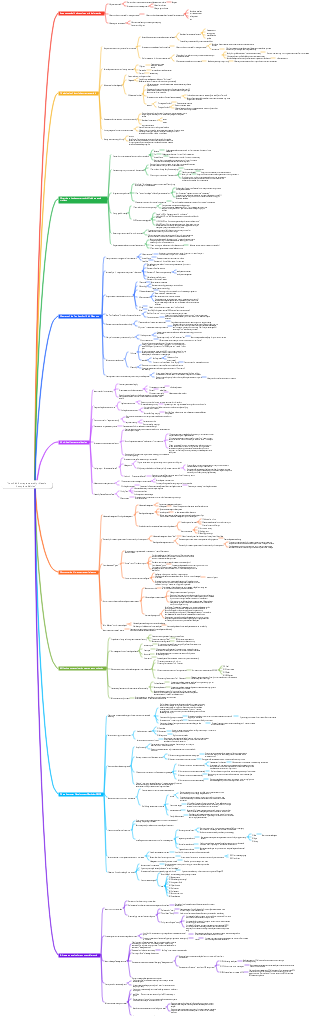
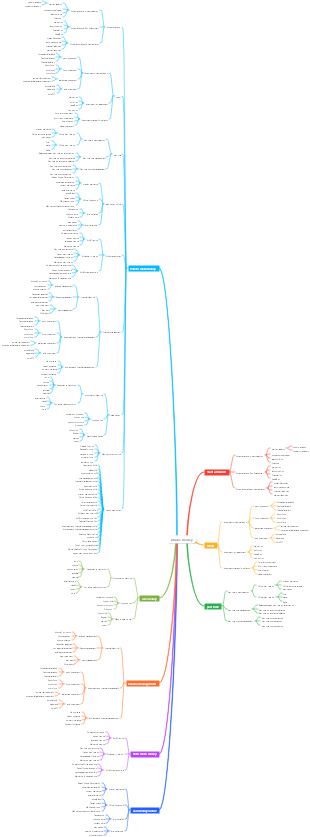
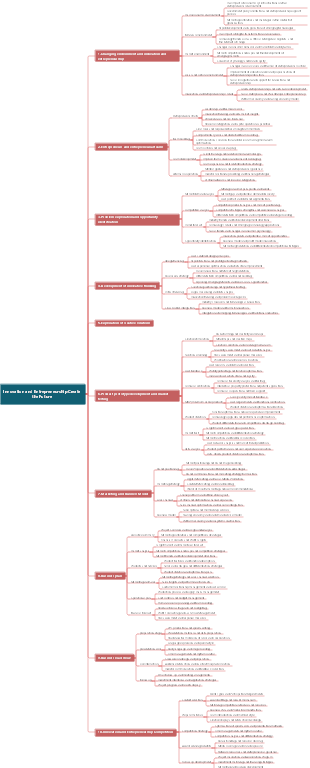
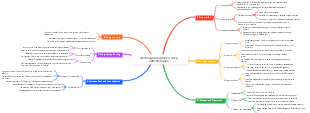



"Knowing Business" William Nichols
Business Basics
The definition and importance of business
Definition: Business is an economic activity that meets social needs by providing goods or services for profit. From the exchange of materials in primitive society to the modern highly complex global trade system, commerce runs through the process of human development. For example, Amazon not only sells various products online, but also provides technical services through cloud services (AWS) to meet the diverse needs of global enterprises and consumers, covering the entire process from production, sales to consumption, involving many fields such as manufacturing, service, and retail.
Importance: Business is the core driving force of economic development. Taking China as an example, the booming development of manufacturing has created a large number of jobs in the past few decades, attracting rural laborers to work in cities. At the same time, market mechanisms promote resources to flow to more efficient enterprises and industries, such as the rise of the smartphone industry, driving the development of related industries such as chips and screens. In terms of technological innovation, Tesla's breakthroughs in the field of electric vehicles have promoted battery technology innovation. Business has also greatly improved living standards. Nowadays, consumers can purchase global products through e-commerce platforms without leaving home.
Market economy and economic system
Principle of market economy: The market economy operates based on supply and demand relationship, price mechanism and competition mechanism. When the demand for smartphone market is strong, such as 5G mobile phones, consumers are strong in purchasing, and prices rise accordingly, and companies are driven by profits to increase production investment and expand production capacity. As market competition intensifies, brands continue to launch new models and new technologies, prices gradually become more reasonable, and resources are allocated more effectively, achieving economic balance and efficiency.
Comparison of different economic systems
Market economy: Typically, companies can enter or exit the market with relatively free production and pricing. In the field of technology, a large number of startups can enter the market competition with innovative technologies, such as Google, Apple and other companies constantly innovate their products in the fierce competition. However, the gap between the rich and the poor is likely to widen under this model. For example, the income gap between Wall Street financial practitioners and ordinary workers is huge, and there are market failures, such as insufficient supply of public products.
Planned economy: During the Soviet period, the government planned to lead production, distribution and consumption. The government uniformly plans production indicators, such as stipulating the output of steel, coal, etc. This is conducive to concentrating resources to develop key industries, such as the Soviet Union's rapid industrialization in the early stages. However, the lack of market flexibility can easily lead to disconnection between production and demand. For example, the products produced do not meet the actual needs of consumers, resulting in a large backlog.
Mixed Economy: Germany is the representative of the mixed economy. On the basis of the market economy, the government regulates key industries, such as investing and supervising infrastructure industries such as energy and transportation, and providing a complete social welfare system. The advantage is to take into account market efficiency and social fairness, and the disadvantage is that government intervention may affect the performance of market mechanisms. For example, excessive subsidies to certain industries may lead to resource mismatch.
Business Ethics and Social Responsibility
Business ethics concept: Business ethics is the moral principles and norms that business operations should follow. For example, companies need to truthfully introduce performance when promoting products and cannot exaggerate them. Volkswagen has committed fraud in exhaust emission testing, which seriously violated business ethics, damaged consumer interests and corporate reputation, and was condemned and legal sanctions worldwide.
Corporate Social Responsibility
To employees: Google provides employees with rich benefits, such as free catering, fitness facilities, medical services, etc., and also provides diverse training courses to help employees improve their skills and achieve career growth.
For consumers: Auto manufacturers must ensure the quality and safety of cars. Toyota has recalled a large number of vehicles due to brake system defects to solve problems in a timely manner and protect consumer rights.
For the community: Coca-Cola Company carries out water resource protection projects around the world to help local communities improve water use conditions, and at the same time carry out community development projects, such as supporting education and cultural activities.
For the environment: Tesla promotes electric vehicles, reduces carbon emissions, and promotes energy transformation. Many companies adopt environmentally friendly production technologies, such as using renewable energy, reducing packaging materials, etc., to reduce the impact on the environment. Companies fulfill their social responsibilities, not only enhance their social image, but also attract consumers and outstanding talents and achieve sustainable development.
Enterprise Operations Management
Enterprise organization form
Whole proprietorship
Features: It is invested and operated by one person, and the ownership and management rights are concentrated in the hands of the owner, and the owner bears unlimited liability for the company's debts. For example, the small grocery store on the street, the owner decides on purchases, pricing, business hours, etc. alone, and the profit belongs to him. If you are not good at managing the business, you need to repay all your personal property, such as personal real estate, deposits, etc.
Advantages: Flexible business operations, quick decision-making, no need to negotiate with others, and can quickly seize market opportunities. Exclusive profits are encouraged to work hard.
Disadvantages: Difficulty in raising funds, mainly relying on personal savings and a small amount of bank loans. The risks are concentrated. Once the operation fails, the owner will face huge losses and may lose everything.
Partnership
Type: Including general partnerships and limited partnerships. In a general partnership, all partners bear unlimited joint and several liability for corporate debts; the general partners shall perform partnership affairs and bear unlimited liability, and the limited partners shall bear unlimited liability to the limit of the capital contribution. For example, A, B and C jointly opened a law firm, A and B are general partners, responsible for daily business, and C are limited partners, who contributed capital but did not participate in the operation.
The importance of partnership agreement: clarify the rights and obligations of partners, profit distribution, decision-making mechanism, etc., to avoid future disputes. If the capital contribution ratio, division of labor, profit sharing, etc. are agreed, if there is no clear agreement, conflicts may arise due to uneven profit distribution.
Advantages: Fundraising capabilities are better than sole proprietorships, and partners have complementary professional skills. For example, lawyers with different expertise in law firms can provide more comprehensive services.
Problem: Partners have complex responsibilities and general partners have high risks. Decision-making coordination is difficult and prone to differences. For example, different opinions may arise in the direction of business development.
Company-based enterprise
Features: Shareholders bear limited liability, and their ownership and operating rights are separated, which have the characteristics of sustainable operation. Apple has many shareholders, and they bear risks based on the capital contribution. The daily operations are subject to professional managers. The company continues to operate without affecting shareholder changes.
Establishment process: including multiple steps such as name approval, registration, and company articles of association formulation. The company name needs to be determined to ensure that it does not repetition with other companies; submit registration applications to the industrial and commercial administrative department, submit company articles of association, and clarify the company's organizational structure, business scope, etc.
Share Issuance: Raise funds through initial public offering (IPO) or additional shares. Alibaba is listed on the New York Stock Exchange and raises a lot of funds through its IPO for business expansion.
Governance structure: The board of directors is responsible for strategic decision-making, and the management is responsible for daily operation and management. The board of directors decides the company's development direction, major investments, etc., and the management is responsible for executing the board of directors' decisions and managing the company's daily affairs.
Production and Operation Management
Production system design
Site selection: Consider factors such as raw material supply, labor costs, market demand, and transportation convenience. Automobile manufacturing companies tend to build factories in areas with concentrated parts suppliers, rich labor force and close to the consumer market, such as the Shanghai Automobile Industry Cluster, which has many parts suppliers around it, and the consumer market in the Yangtze River Delta region is vast.
Layout: reasonably arrange workshops and equipment locations according to production processes and logistics directions to improve production efficiency. For example, the assembly line production layout, the products go through each production link in turn to reduce material handling time, such as Foxconn's electronic product production line.
Production process planning: Analyze product production steps, optimize process, and reduce unnecessary links. In clothing production, the order of cutting, sewing, ironing and other processes are reasonably arranged to improve production efficiency and product quality.
Quality Management
Total Quality Management (TQM): All employees participate, and control the quality of the entire process from product design to after-sales service. Toyota Motors can cultivate quality awareness and continuously improve activities for all employees. If employees find problems, they can stop the production line at any time to improve product quality.
Six Sigma: Through statistical analysis of data, reduce process variation and pursue a quality level with nearly zero defects. Motorola adopts Six Sigma management to significantly improve product quality and production efficiency and reduce defective rates.
Quality control role: ensure that products meet standards, reduce defective rates, reduce costs, and enhance brand reputation. High-quality products can reduce after-sales repair costs and improve consumer satisfaction and loyalty.
supply chain management
Procurement: Select high-quality suppliers, establish long-term cooperative relationships, and reduce procurement costs. Walmart obtains high-quality and low-priced goods through its global procurement network and close cooperation with suppliers, such as working with clothing suppliers to ensure the quality of clothing while reducing procurement prices.
Logistics: Optimize transportation routes and warehousing management to ensure timely and accurate delivery of goods. JD.com has established a huge logistics system, using big data analysis to optimize delivery routes, achieve rapid delivery and improve customer satisfaction.
Inventory management: Use economic order quantity models and other methods to reasonably control inventory levels and avoid inventory backlogs or out of stock. For example, clothing companies should reasonably control inventory based on sales data and seasonal changes to avoid overseasonal clothing backlog.
Human Resources Management
Recruitment and selection
Channel: Internal recruitment can motivate employees, such as promoting internal employees, allowing them to see career development opportunities while saving recruitment costs. External recruitment introduces fresh blood, campus recruitment can select potential fresh graduates, online recruitment has a wide coverage, and headhunting recommendations are suitable for high-end talent recruitment.
Interview skills: Use structured interviews, behavioral interviews and other methods to comprehensively evaluate candidates' abilities, experiences and personalities. Structured interviews are asked according to fixed procedures and questions to ensure fairness and justice; behavioral interviews are asked by asking candidates for specific examples in their past work to judge their problem-solving ability, such as "Please give examples to illustrate how you handle a conflict in your work."
Selection basis: According to job needs, comprehensively consider candidates' professional skills, comprehensive qualities, professional qualities, etc. to improve recruitment accuracy and efficiency. For example, recruiting programmers requires examining professional skills such as programming ability, algorithm knowledge, and comprehensive qualities such as team collaboration and learning ability.
Training and development
New employee onboarding training: introduce company culture, rules and regulations, job responsibilities, etc. to help new employees quickly adapt to the working environment. Tencent provides comprehensive on-boarding training for new employees, including corporate culture, business processes and other contents, so that new employees can integrate into the company.
Job skills training: Provide professional skills training to meet the needs of employees. For example, train designers in new design software to improve their design capabilities.
Career Development Plan: Develop personalized career development paths based on employee interests and abilities, and provide promotion opportunities and training resources. For example, provide management training courses for employees with management potential to help them advance to management positions.
Performance Management and Incentives
Goal Management (MBO): Set clear measurable goals, employees and superiors participate, and regularly evaluate performance. If the sales department sets quarterly sales targets, employees will work hard according to the target, evaluate the completion status at the end of the quarter, and reward or improvement based on the completion status.
Key Performance Indicators (KPI): Determine key performance indicators and quantitatively assess employee work performance. For example, the customer service department uses customer satisfaction, response time, etc. as KPIs to assess the work quality and efficiency of customer service personnel.
Incentive mechanism: includes material incentives (bonus, benefits, etc.) and spiritual incentives (commendations, promotions, etc.), which stimulate employees' work enthusiasm and creativity. For example, Huawei's employee stock ownership plan allows employees to share the company's development achievements, and at the same time commend outstanding employees to enhance employees' sense of belonging and honor.
Marketing
Marketing Basics
Marketing concept: oriented towards customer needs, create, disseminate and deliver value, and meet target market needs. Starbucks provides high-quality coffee by deeply understanding consumers' coffee quality, environment and social needs, creating a comfortable store environment, creating a unique brand experience, and attracting consumers to visit frequently.
Market research
Methods: Questionnaire surveys widely collect consumer opinions, such as e-commerce platforms understand consumer shopping experience and needs through questionnaires. Interviews provide insight into consumer needs and behavioral motivations, such as auto manufacturers interview potential consumers to understand their needs for the appearance, performance and other aspects of the car. Observation method observes consumer behavior in a natural environment, such as supermarkets observe consumers' shopping paths and product selection behaviors.
Importance: Understand consumer needs, such as understanding consumer preferences for smartwatch functions, so that companies can develop products that meet market needs. Master the competitor's situation, analyze the competitor's product advantages and marketing strategies, such as mobile phone manufacturers analyze the characteristics and pricing strategies of competitor's new mobile phones. Grasp market trends, such as predicting the development trend of the new energy vehicle market, and provide a basis for the formulation of marketing strategies.
Product and Service Strategy
Product Development and Innovation
Process: Identify market opportunities through market research, such as discovering the growing demand for healthy snacks for consumers. Conduct product concept design, design new healthy snacks, consider taste, ingredients, packaging, etc. Prototype and test, invite consumers to try it, and collect feedback on improvements. Finally, commercialization was launched on the market, such as Liangpinpuzi launched a variety of healthy snacks.
Strategy: Continuous innovation to meet the changing needs of consumers. Apple continues to launch new features and new designs of iPhones, from fingerprint recognition to facial recognition, maintaining market competitiveness.
Product Lifecycle Management
Introduction period: The product has just entered the market, with low popularity and low sales. The focus of marketing is to increase product visibility. For example, when Xiaomi 1 was launched, it attracted attention through online promotion and press conferences.
Growth period: Sales volume is growing rapidly and competition is intensifying. We need to improve products and expand the market. For example, Huawei mobile phones continuously optimize their photography and other functions in the growth period to expand overseas markets and increase market share.
Maturity: The market is becoming saturated and competition is fierce. It maintains market share through differentiation and cost reduction. For example, Coca-Cola launches a variety of flavors and packaging products to meet the needs of different consumers.
Recession period: Sales volume declines, and considerations are given to eliminating or innovative products, such as traditional film camera companies transforming or stopping production in the digital age, Fujifilm transforming to produce medical imaging products, etc.
Service Marketing
Features: Invisible, inseparable, volatile, and unstorable. The hotel service consumers cannot feel it intuitively before purchasing it. The service process and the consumption process occur simultaneously. The service levels of different employees vary, and the hotel rooms are not sold on the same day and cannot be stored until the next day.
Strategy: Pay attention to service quality. For example, Haidilao is famous for its high-quality services and provides thoughtful services, such as providing free snacks, manicure services when queuing. Achieve differentiation of services, such as airlines provide unique first-class services, including comfortable seats, exclusive lounges, etc. Do a good job in service remediation, solve consumer problems in a timely manner, and restore satisfaction, such as restaurants deal with consumer complaints about dishes in a timely manner.
Pricing, promotion and channel strategies
Pricing strategy
Cost bonus pricing: Pricing with a certain profit margin on the basis of cost, such as a piece of clothing costing 50 yuan, with a 50% bonus and a price of 75 yuan. This method is simple and easy to use, but does not consider market demand and competition.
Competition-oriented pricing: Refer to competitor prices. For example, the price competition of similar mobile phones on e-commerce platforms is fierce, and companies need to adjust their own pricing based on competitor prices.
Demand-oriented pricing: Pricing is based on consumer demand and price sensitivity. For example, the price of attractions in the peak tourist season rises, because consumers demand strongly at this time, price sensitivity is relatively low.
Promotional Strategy
Advertising: Promote products through TV, the Internet, outdoor media, such as Coca-Cola advertising, and enhance brand awareness through TV advertising, social media advertising, etc.
Sales promotion: such as discounts, discounts, gifts, etc., attract consumers to purchase, such as e-commerce "Double 11" promotions, attracting consumers to purchase in large quantities through large discounts.
Public relations: Enhance corporate image through charity activities, press conferences, etc., such as Alibaba launches charity activities to enhance brand reputation, and holds press conferences to release new products and new strategies.
Personnel sales: Sales staff communicate face to face with customers to promote products, such as insurance sales personnel promote insurance products, and persuade customers to purchase through professional explanations and personalized services.
Channel Strategy
Direct channel: Enterprises directly sell products to consumers, such as Dell Computer's official website, reducing intermediate links and reducing costs, and can directly collect consumer feedback.
Indirect channels: Sales through intermediaries, such as clothing companies selling products through wholesalers and retailers, and using intermediaries’ channels and resources to quickly bring products to the market.
E-commerce channels: Use Internet platforms to sell, such as Taobao and JD.com. Enterprises need to consider factors such as logistics distribution and platform selection, choose suitable e-commerce platforms, optimize logistics distribution and improve customer experience.
Financial Management
Financial basics and accounting information
Financial statement analysis
Balance sheet: Reflects the financial status of the company on a specific date, including assets, liabilities and owners' equity. Analyzing the asset composition can help you understand the quality of the enterprise's assets. If the proportion of fixed assets is too high, it may affect the flexibility of the enterprise, and sufficient cash will lead to strong liquidity.
Income statement: Displays the company's operating results during a certain period, and evaluates its profitability through data such as operating income, cost, profit, etc. For example, indicators such as gross profit margin and net profit margin can reflect the company's profit level.
Cash Flow Statement: Reflects the inflow and outflow of the enterprise, analyzes the source and use of cash, and judges the liquidity and debt repayment ability of the enterprise. If the cash flow of operating activities continues to be negative, the enterprise may face the risk of a broken capital chain.
The role of accounting information
Financial decision-making: For example, when making investment decisions, the project profitability and risks are evaluated based on accounting information, and by analyzing the project's estimated income, costs, profits, etc., to determine whether to invest.
Budget preparation: formulate budgets based on historical accounting data and arrange resources reasonably, such as formulating sales budgets for the next year based on past sales data.
Performance evaluation: Evaluate the performance of departments and employees through accounting indicators, such as profit margins, cost control indicators, etc., and reward departments and employees with good cost control. Accurate and timely accounting information is the key to enterprise operation and development.
Fundraising and management
Internal and external financing
Internal financing: includes retained income, that is, retained for corporate profits for reinvestment, such as Tencent retains part of the profits for research and development of new games and expanding its business. Depreciation, obtain funds through depreciation of fixed assets, such as depreciation of factory equipment, and use the depreciation funds for equipment renewal. Internal financing costs are low and autonomous, but the scale of funds is limited.
External financing
Equity financing: If a company is listed and issued shares, the advantage is that it does not need to repay the principal and can diversify risks. For example, after Baidu is listed, funds are raised by issuing shares, and shareholders jointly bear the risks. The disadvantages are diluting equity and dispersing control, and new shareholders may have an impact on corporate decisions.
Debt financing: including bank loans, bond issuance, etc. The advantage is that it does not dilute equity, interest can be tax-deductible, and reduces the actual financing costs of the enterprise. The disadvantage is that the principal and interest need to be repaid on time, and the financial risks are high. If the company's loan cannot be repaid when it expires, it may face the risk of bankruptcy. Enterprises choose financing strategies based on their own development stage and capital needs.
Fund Management and Budget
Cash management: Ensure that the company has enough cash to meet daily operations, while avoiding cash idleness. For example, cash float management is adopted, bank transfer time difference can be used to improve cash use efficiency. Enterprises can optimize the collection and payment process, accurately calculate the cash demand cycle, and reasonably arrange cash reserves so that they can not only cope with sudden capital needs, but also avoid long-term idle and waste of funds. For example, some large chain companies have established close cooperation with banks to monitor the cash inflows and outflows in various stores in real time, and use advanced cash management systems to achieve efficient cash allocation.
Accounts receivable management: To formulate a reasonable credit policy, we must first conduct a comprehensive assessment of the customer's credit status. By collecting information on customers' financial statements, credit records, industry reputation, etc., and using credit scoring models or reports from professional credit evaluation institutions, customers are divided into different credit levels. For customers with good credit, a moderate credit limit and a longer credit period are given to promote sales; for customers with higher credit risks, stricter credit policies are adopted, such as requiring advance payments or providing guarantees. During the implementation of the credit policy, a complete receivable tracking mechanism should be established, the accounts should be checked regularly with customers, and the payment should be promptly reminded. For overdue and unpaid funds, corresponding collection measures should be taken based on the overdue time and the actual situation of the customer, such as sending a collection letter, telephone collection, door-to-door negotiation, and even solving the problem through legal means. Reasonable accounts receivable management can not only reduce the risk of bad debts and ensure the safety of corporate funds, but also promote sales growth to a certain extent and enhance the company's market competitiveness.
Inventory management: Use scientific methods such as the economic order quantity (EOQ) model to comprehensively consider procurement costs, storage costs and out-of-stock costs to determine the optimal inventory purchase volume and replenishment time point. At the same time, inventory pricing methods such as first-in-first-out (FIFO), last-in-first-out (LIFO) or weighted average are used to accurately calculate inventory costs and reflect the actual value of inventory. With the help of the inventory management system, the quantity, location and status of inventory are monitored in real time, and inventory strategies are adjusted in a timely manner to avoid inventory backlogs or out-of-stock due to fluctuations in market demand. For example, seasonal commodity companies need to arrange inventory reasonably in advance based on previous sales data and market forecasts to ensure sufficient supply of goods during the peak sales season, and control inventory levels in the off-season to reduce warehousing costs.
Budget preparation
Comprehensive budget: covers all aspects of budgeting in sales, production, procurement, finance, etc., forming a complete system. As the starting point of a comprehensive budget, the sales budget needs to be formulated in combination with market research, historical sales data and forecasts of market trends. The production budget determines the production quantity and production progress of the product based on the sales budget and inventory status. The procurement budget arranges procurement plans based on production needs, considering the fluctuations in the market price of raw materials and suppliers. The financial budget integrates the funds revenue and expenditure in various budgets, including fund raising, use and allocation plans, to ensure the stability of the enterprise's capital chain. Through a comprehensive budget, all departments of the enterprise can clarify work goals, coordinate actions, and achieve optimal allocation of resources.
Zero-based budget: Not affected by previous budget arrangements, budgets will be prepared based on actual needs. During the preparation process, each department needs to re-evaluate and analyze all expense items to explain the necessity and rationality of expense expenditure. For example, for a marketing activity budget, the budget amount for the previous year is no longer based on the budget amount, but instead analyzes the activity's goals, expected results, and required resources in detail to redetermine the budget amount. This budgeting method can effectively avoid waste that continues due to the unreasonable budget in the past, improve the accuracy and effectiveness of budgets, and enable more reasonable use of corporate resources. Through effective fund management and budget control, improve corporate capital use efficiency and financial stability.
Risk Management and Investment Decisions
Risk Management Strategy
Market risk: Market risks include exchange rate fluctuations, interest rate fluctuations, commodity price fluctuations, etc. For example, if a company engaged in export business appreciates its own currency, the price of exported goods in the international market will increase relatively, and demand may decline, which will affect the company's profits. Enterprises can hedge their exchange rates through forward foreign exchange contracts, foreign exchange options and other financial instruments, lock in exchange rates, and reduce the risk of exchange rate fluctuations. Regarding interest rate risks, when enterprises conduct debt financing, they can choose fixed interest rate or floating interest rate loans based on their judgment of market interest rate trends, or use financial derivatives such as interest rate swaps to manage risks. In response to the risk of commodity price fluctuations, manufacturers can hedge through futures contracts to lock in the purchase price of raw materials or product sales price.
Credit risk: Credit risk mainly comes from the customer's default on payments for goods or the inability to fulfill contractual obligations. Enterprises can establish a complete credit assessment system to comprehensively evaluate customers' credit status, including customers' financial status, credit records, industry status, etc. When purchasing credit insurance, the insurance company shall bear part of the losses when the customer defaults, which will effectively reduce the losses caused by credit risks. When signing a contract with the customer, clarify the payment terms and liability for breach of contract, strengthen contract management, regularly track and evaluate the customer's credit status, and timely adjust credit policies.
Operational risk: Operational risk is usually caused by internal process errors, employee fraud, system failure, etc. Enterprises should establish and improve internal control systems, comprehensively sort out and optimize various business processes, clarify the responsibilities and authority of each position, and strengthen internal audit and supervision. Regularly provide professional ethics and business training to employees to improve their risk awareness and business level, and reduce risks caused by employee mistakes or fraud. Strengthen the construction and maintenance of information systems, adopt advanced technical means and security measures to ensure the stable operation of the system and reduce the risks caused by system failures. Enterprises choose strategies such as risk aversion, risk reduction, risk transfer, and risk acceptance based on the risk type. For businesses with high risks and cannot be effectively controlled, enterprises can choose risk aversion strategies; by strengthening management and taking measures to reduce the probability and impact of risks, it is a risk reduction strategy; transferring risks to other parties by purchasing insurance, signing contracts, etc. is a risk transfer strategy; for risks with small risks and within the scope of the enterprise, enterprises can choose risk acceptance strategies.
Investment decision-making methods
Net present value (NPV): Calculate the difference between the present value of future cash flows of the investment project and the initial investment. If the NPV is greater than 0, the project is feasible. For example, a company is considering investing in a new production line, with an estimated initial investment of RMB 10 million, and annual cash flows in the next five years will be RMB 3 million, RMB 3.5 million, RMB 4 million, RMB 4.5 million and RMB 5 million respectively. Assuming the discount rate is 10%, the net present value of the project is positive by calculation, indicating that the project is economically feasible and can create value for the enterprise. The net present value method takes into account the time value of funds and the total cash flow of the project, and is a relatively comprehensive and scientific investment decision-making method.
Internal rate of return (IRR): The discount rate that makes the net present value of the investment project 0. The IRR is greater than the capital cost and the project is feasible. Continue to take the above-mentioned production line investment as an example, the internal rate of return of the project is calculated. If the internal rate of return is higher than the enterprise's capital cost, it means that the return on investment of the project is higher than the enterprise's capital cost and is worth investing. The internal rate of return method reflects the return on investment of the project itself, without setting the discount rate in advance, but the calculation process is relatively complicated and there may be multiple internal rate of return.
Investment payback period: The time required to recover the initial investment, the shorter the payback period, the more favorable the project. Assuming that the above-mentioned production line investment project is calculated and the investment recovery period is 3.5 years, the enterprise can judge whether the investment recovery period meets the requirements based on its own investment goals and capital status. The calculation of the investment recovery period method is simple and can intuitively reflect the project's capital recovery speed, but does not consider the time value of the funds and the cash flow after the project's investment recovery. Enterprises evaluate the feasibility and profitability of projects through scientific investment decision-making methods, and also need to consider the risk factors, strategic fit, etc. of the project to make comprehensive investment decisions.
Business development trends
Globalization and International Business
The impact of globalization
Market expansion: Globalization breaks geographical restrictions and companies can reach consumers around the world. Taking Apple as an example, its products are sold in many countries and regions around the world. By opening specialty stores in different countries and cooperating with local operators, they have pushed iPhone, iPad and other products to the global market, greatly expanding their sales scope and increasing their market share.
Resource optimization allocation: Enterprises can find the best resource allocation solution globally. For example, some clothing companies will lay out their production links in Southeast Asian countries with low labor costs, such as Vietnam and Cambodia, and use local cheap labor resources to reduce production costs; at the same time, they will set up design and R&D centers in areas with rich fashion resources and concentrated talents, such as Paris, France, Milan, Italy, etc., to obtain the most cutting-edge fashion concepts and design inspiration and increase product added value.
Intensifying competition: As the process of globalization accelerates, companies face competitors from all over the world. In the domestic automobile market, not only are local automobile brands competing with each other, but also face fierce competition from automobile brands such as Japan, Germany, and the United States. With advanced technology, mature management experience and strong brand influence, these international brands have brought huge challenges to domestic automobile companies, prompting domestic companies to continuously improve their competitiveness and accelerate technological innovation and brand building.
International market entry strategy
Export: The company sells its products directly to foreign markets, which is the most common and relatively low-risk way to enter. For example, many Chinese manufacturing companies, such as home appliance companies Midea and Gree, sell home appliances such as air conditioners, refrigerators, washing machines to many countries and regions around the world by exporting products to foreign distributors. Export methods can help enterprises quickly enter the international market, use their existing production capacity and products to gain international market share, but are easily affected by factors such as trade barriers and exchange rate fluctuations.
Licensing operation: The company authorizes foreign companies to use their own technologies, brands, patents, etc. to charge licensing fees. For example, Coca-Cola Company licenses bottling factories around the world to use its formulas and brands to produce and sell Coca-Cola series products. This method can enable companies to quickly enter the international market without making large-scale overseas investments and reduce risks, but their control over the market is relatively weak and may face problems such as brand image maintenance and technology leakage.
Joint venture: Co-invest, operate, share risks and share profits with foreign companies. For example, SAIC Volkswagen is a joint venture between SAIC Group and Volkswagen Germany. Both parties jointly invest capital, technology and management experience to produce and sell Volkswagen-branded cars in the Chinese market. Joint ventures can use the resources and channels of local partners to quickly understand the local market and reduce market entry costs and risks, but there may be cultural differences, conflicts in management concepts and other issues during the cooperation process, and communication and coordination are needed.
Wholly-owned enterprise: Establish a wholly-owned subsidiary abroad and have full control over the enterprise. For example, Apple has established wholly-owned subsidiaries in many countries and regions outside the United States, responsible for local marketing, sales, after-sales services and other businesses. A sole proprietorship can enable companies to better implement global strategies and effectively control markets and operations, but it requires investing a lot of capital and resources and face high political, economic and cultural risks.
Technological innovation and e-commerce
Technological innovation changes business
Changes in production mode: In the era of Industry 4.0, the application of technologies such as the Internet of Things, big data, and artificial intelligence has transformed production mode into intelligence, automation and digitalization. For example, some German automobile manufacturers install a large number of sensors on the production line to collect production data in real time, and use big data analysis and artificial intelligence algorithms to achieve intelligent optimization of the production process and fault prediction, improve production efficiency and product quality, and reduce production costs.
Business model innovation: The emergence of the sharing economy model has changed the traditional business transaction methods. Taking shared bicycles as an example, Mobike and ofo and other shared bicycle companies have integrated idle bicycle resources through Internet platforms to provide users with time-based bicycle rental services, breaking the traditional bicycle sales and rental models, meeting users' short-distance travel needs, and promoting the development of urban green travel.
Changes in consumer behavior: The popularization of the Internet and mobile technology has caused huge changes in consumers' shopping habits and information acquisition methods. Consumers are more inclined to shop through e-commerce platforms and use social media to obtain product information and user reviews. For example, e-commerce platforms such as Taobao and JD have become an important channel for consumers to shop. Consumers can easily compare product prices, quality and services of different brands and merchants on the platform and make purchase decisions; at the same time, product recommendations and user sharing on social media platforms such as Weibo and Douyin have also had an important impact on consumers' purchasing behavior.
The development and application of e-commerce
Development history: E-commerce has gone from the early electronic data exchange (EDI), mainly used for business data transmission between enterprises, to the rise of Internet-based e-commerce platforms, such as Amazon, eBay, etc., which has realized online transactions between enterprises and consumers (B2C) and enterprises (B2B). To the booming development of mobile e-commerce and social e-commerce, consumers can shop anytime and anywhere through mobile devices such as mobile phones. Social platforms have also become an important channel for e-commerce sales, such as WeChat mini-program e-commerce, Douyin live streaming, etc.
Current situation: B2B, B2C, C2C and other models are booming. In the B2B field, Alibaba International Station provides a huge trading platform for global enterprises, helping enterprises to conduct raw material procurement, product sales and other businesses; in the B2C field, e-commerce platforms such as JD.com and Taobao gather many brands and merchants to meet consumers' diverse shopping needs; in the C2C field, second-hand trading platforms such as Xianyu provide convenience for the transaction of idle items between individuals.
Application: In marketing, e-commerce platforms use big data to analyze consumers' purchasing behaviors and preferences, achieve accurate push and improve marketing effectiveness. For example, Taobao recommends products that match their interests to users based on their browsing history and purchase records. In terms of supply chain management, e-commerce companies realize real-time inventory monitoring and rapid replenishment through information sharing and collaborative operation with suppliers and logistics companies, and improve supply chain efficiency. For example, JD.com has achieved rapid delivery of goods and effective control of inventory through its own logistics system and a big data-driven supply chain management system. In terms of customer service, e-commerce platforms provide online customer service, intelligent customer service and other services to promptly solve consumer problems and complaints and improve customer experience.
Sustainable development and green business
The concept of sustainable development
Sustainable development emphasizes the coordinated development of the economy, society and the environment. While pursuing economic growth, enterprises should pay attention to employee welfare, community development and environmental protection. For example, Starbucks has implemented a sustainable development strategy worldwide, focusing not only on the quality and sales performance of coffee, but also on the rights and interests of coffee bean growers. By cooperating with local farmers, it provides technical support and fair prices to promote the economic development of local communities. At the same time, Starbucks uses environmentally friendly materials and energy-saving equipment in store operations to reduce energy consumption and waste emissions and protect the environment.
Green business practice
Green product development: Enterprises develop and produce environmentally friendly products, such as new energy vehicles, biodegradable plastic products, energy-saving home appliances, etc. Tesla focuses on the research and development and production of electric vehicles. By continuously innovating battery technology and autonomous driving technology, it improves the performance and range of electric vehicles and promotes the transformation of the automotive industry to green energy; some companies develop and produce biodegradable plastic products to replace traditional non-degradable plastics and reduce white pollution.
Energy conservation and emission reduction: Enterprises adopt energy-saving equipment, optimize production processes, and reduce energy consumption and emissions.例如,许多工厂采用太阳能发电、风力发电等可再生能源,减少对传统化石能源的依赖;通过优化生产工艺,提高能源利用效率,减少废气、废水和废渣的排放。
Circular economy: realize the recycling of resources and reduce resource waste. For example, some companies have established waste electronic product recycling systems, dismantling, classifying and reusing the recycled waste electronic products, extracting valuable metals and parts, and realizing the recycling of resources; some clothing companies have launched old clothing recycling plans, renovating, donating or reprocessing the recycled old clothing to reduce the impact of clothing production on the environment.