MindMap Gallery Small and beautiful Business rules for sustainable profit
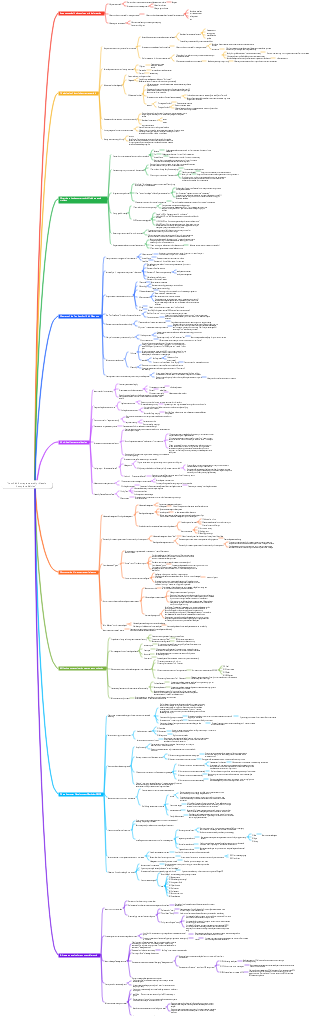
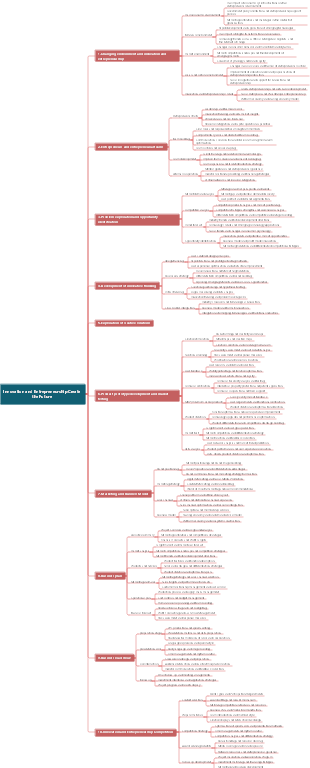
This is a mind map about "Small and Beautiful: The Business Rules of Continuous Profit", which mainly includes: long-term development and continuous innovation, corporate operations and management, financial management and cost control, market development and marketing, product and service creation, preliminary preparation for entrepreneurship, core views and concepts, authors and backgrounds.
Edited at 2025-03-07 18:02:25Rumi: 10 dimensions of spiritual awakening. When you stop looking for yourself, you will find the entire universe because what you are looking for is also looking for you. Anything you do persevere every day can open a door to the depths of your spirit. In silence, I slipped into the secret realm, and I enjoyed everything to observe the magic around me, and didn't make any noise. Why do you like to crawl when you are born with wings? The soul has its own ears and can hear things that the mind cannot understand. Seek inward for the answer to everything, everything in the universe is in you. Lovers do not end up meeting somewhere, and there is no parting in this world. A wound is where light enters your heart.
Chronic heart failure is not just a problem of the speed of heart rate! It is caused by the decrease in myocardial contraction and diastolic function, which leads to insufficient cardiac output, which in turn causes congestion in the pulmonary circulation and congestion in the systemic circulation. From causes, inducement to compensation mechanisms, the pathophysiological processes of heart failure are complex and diverse. By controlling edema, reducing the heart's front and afterload, improving cardiac comfort function, and preventing and treating basic causes, we can effectively respond to this challenge. Only by understanding the mechanisms and clinical manifestations of heart failure and mastering prevention and treatment strategies can we better protect heart health.
Ischemia-reperfusion injury is a phenomenon that cellular function and metabolic disorders and structural damage will worsen after organs or tissues restore blood supply. Its main mechanisms include increased free radical generation, calcium overload, and the role of microvascular and leukocytes. The heart and brain are common damaged organs, manifested as changes in myocardial metabolism and ultrastructural changes, decreased cardiac function, etc. Prevention and control measures include removing free radicals, reducing calcium overload, improving metabolism and controlling reperfusion conditions, such as low sodium, low temperature, low pressure, etc. Understanding these mechanisms can help develop effective treatment options and alleviate ischemic injury.
Rumi: 10 dimensions of spiritual awakening. When you stop looking for yourself, you will find the entire universe because what you are looking for is also looking for you. Anything you do persevere every day can open a door to the depths of your spirit. In silence, I slipped into the secret realm, and I enjoyed everything to observe the magic around me, and didn't make any noise. Why do you like to crawl when you are born with wings? The soul has its own ears and can hear things that the mind cannot understand. Seek inward for the answer to everything, everything in the universe is in you. Lovers do not end up meeting somewhere, and there is no parting in this world. A wound is where light enters your heart.
Chronic heart failure is not just a problem of the speed of heart rate! It is caused by the decrease in myocardial contraction and diastolic function, which leads to insufficient cardiac output, which in turn causes congestion in the pulmonary circulation and congestion in the systemic circulation. From causes, inducement to compensation mechanisms, the pathophysiological processes of heart failure are complex and diverse. By controlling edema, reducing the heart's front and afterload, improving cardiac comfort function, and preventing and treating basic causes, we can effectively respond to this challenge. Only by understanding the mechanisms and clinical manifestations of heart failure and mastering prevention and treatment strategies can we better protect heart health.
Ischemia-reperfusion injury is a phenomenon that cellular function and metabolic disorders and structural damage will worsen after organs or tissues restore blood supply. Its main mechanisms include increased free radical generation, calcium overload, and the role of microvascular and leukocytes. The heart and brain are common damaged organs, manifested as changes in myocardial metabolism and ultrastructural changes, decreased cardiac function, etc. Prevention and control measures include removing free radicals, reducing calcium overload, improving metabolism and controlling reperfusion conditions, such as low sodium, low temperature, low pressure, etc. Understanding these mechanisms can help develop effective treatment options and alleviate ischemic injury.
"Small and beautiful: Business rules for sustainable profit"
Author and background
Author's experience
Early Entrepreneurship: Starting the road to entrepreneurship at the age of 15, he became the co-founder of Pinterest in the first semester of college, accumulating early entrepreneurial experience and resources, and gaining insight into industry trends and opportunities. His experience at Pinterest allows the author to gain an in-depth understanding of the field of Internet entrepreneurship, such as accumulating valuable practical experience in product design, user growth, etc., laying the foundation for subsequent entrepreneurship.
Founded Gumroad: Leaving Pinterest in 2011, Gumroad was founded in 2012 to help creators sell digital products, etc. However, due to business difficulties, if the growth did not meet expectations, 75% of employees were laid off in 2015, and only the author was left in 2016. In the early days of Gumroad, the author hoped to create a convenient platform to allow creators to sell their works easily, but faced problems such as market competition and high user acquisition costs, which led to the development of the enterprise falling into a bottleneck.
Successful transformation: Change business thinking, from pursuing scale to focusing on profit, Gumroad "resurrected" and achieve annual revenue of over US$10 million and ultra-linear growth, accumulating practical experience for writing. By adjusting business strategies, focusing on core customer groups, optimizing product functions, improving user experience, and successfully achieving corporate profits and growth, these experiences have become an important source of concepts and methods in the book.
Creative background
Industry reflection: We have witnessed many startup companies blindly chasing scale and speed, ignoring core capabilities and profits, and having a high failure rate. We deeply feel that new business philosophy is needed to guide entrepreneurs. In the entrepreneurial boom, a large number of companies invest a lot of money in marketing, personnel expansion, etc. in order to expand rapidly, but ignore product polishing and customer needs satisfaction. In the end, due to breaking the capital chain or failure in market competition, the author reflects on the current situation of the industry based on this.
My own insights: In the ups and downs of Gumroad's business, the author has in-depth reflection on scale, speed, profit and operations, rethinks the corporate value and success standards, and refines the concepts of "simple entrepreneurship and operation". In the process of Gumroad's transition from dilemma to successful transformation, the author deeply realized that companies should not only pursue superficial scale, but also pay attention to internal profitability and sustainable development, thus summarizing a series of practical business rules.
Core viewpoints and concepts
Abandon unicorn obsession
Phenomenon analysis: In the entrepreneurial boom, many entrepreneurs will become unicorns (startups worth more than US$1 billion) as their goal, and invest a lot of resources to pursue rapid growth and large-scale expansion. Many entrepreneurs are affected by the phenomenon of capital pursuing unicorns and believe that only becoming a unicorn is successful. They will do whatever they want to do, such as spending a lot of money to subsidize users and blindly expanding their business areas.
Problem reveals: This practice often causes companies to ignore the core value of products, real customer needs and profitability, and excessive expansion leads to management chaos and breakage of capital chains. In order to pursue rapid growth, companies may hastily launch imperfect products that cannot truly meet customer needs; at the same time, the increase in management complexity brought about by large-scale expansion can easily lead to poor internal communication and inefficient decision-making, which will eventually lead to financial crisis.
Correct attitude: Entrepreneurs should let go of their obsession with becoming a unicorn and realize that not all companies can or need to become a unicorn. Paying attention to the company's continuous profit and long-term development is the key. Enterprises should return to the essence of business, focus on creating value for customers, establish a stable profit model by providing high-quality products and services, and achieve long-term sustainable development, rather than blindly pursuing high valuations and large-scale scale.
Minimalist entrepreneurship
Definition explanation: Use the least manpower and funds to do the best things, streamline business processes, organizational structure and operating costs, and improve corporate efficiency and benefits. For example, adopt a light asset operation model to reduce fixed asset investment; optimize business processes, eliminate cumbersome links, and improve operational efficiency; build a flat organizational structure, reduce management levels, and accelerate information transmission and decision-making speed.
Specific practices: such as using remote office, outsourcing non-core businesses, etc. to reduce office space and personnel management costs; using cloud computing, online tools, etc. to reduce technology investment. Remote office can save costs such as office space rental and equipment procurement, and at the same time expand the scope of talent recruitment; outsourcing non-core businesses, such as outsourcing logistics, customer service, etc. to professional companies, and enterprises can focus on core businesses; the use of cloud computing and online tools can avoid enterprises from purchasing expensive hardware equipment and software authorization, and reduce technical costs.
Be a sustainable profit "slow company"
Connotation of the concept: Enterprise development focuses on long-term and stable profits rather than short-term rapid growth. Through stable operations and continuous innovation, we can create a sustainable business model. Enterprises focus on improving product quality and maintaining customer relationships, continuously optimize internal management, and continue to invest in R&D and innovation to achieve long-term stable profits rather than pursuing short-term performance explosion.
Difference from traditional: Traditional enterprises often pursue short-term performance growth and adopt radical market strategies and expansion methods, while "slow companies" focus on long-term customer value, product service quality improvement and company risk resistance enhancement. Traditional enterprises may improve their performance in the short term through large-scale advertising and price wars, but they are prone to ignore the essence of products and customer experience; "slow companies" pay more attention to establishing long-term trust relationships with customers, and tap their lifelong value by continuously providing high-quality product services, while enhancing the company's ability to cope with market volatility.
Pre-emptive preparations for entrepreneurship
Find entrepreneurial ideas
Based on interest pain points: Starting from one's own interests, interest can provide lasting motivation. At the same time, pay attention to the pain points of oneself and the people of the same interest, such as photography enthusiasts' demand for convenient image processing software to explore potential entrepreneurial opportunities. Interest allows entrepreneurs to remain enthusiastic and persistent when facing difficulties. Starting from the pain points of interest groups, they can accurately locate market demand and develop targeted products or services, such as developing simple and powerful mobile image editing apps for photography enthusiasts.
Observe market gaps: Study the market and find niche needs that large companies ignore or are not fully met, such as exclusive products markets for specific pet varieties. Due to resources and strategic focus, large enterprises often ignore niche market segments. Entrepreneurs can find these neglected areas through market research and industry analysis, provide differentiated product services, and fill market gaps. For example, special care products are developed for hairless cats with skin allergies.
Verify business ideas
Build a Minimum Viable Product (MVP): Quickly develop the simplest product version with core functions, such as online education entrepreneurship, and launch a few free trial courses first. Collect user feedback through MVP to understand whether the product meets needs and needs improvement. MVP can help entrepreneurs verify business ideas in a low-cost and efficient way, avoid investing too much resources in the early stage of product development. For example, online education platforms first launch a small number of popular courses to listen to, and optimize the course content and form based on user viewing experience and feedback.
Obtain early user feedback: Use social media, industry forums and other channels to promote MVPs to early users and encourage them to provide feedback, such as functional experience, interface design opinions, etc., to help entrepreneurs optimize their products. Social media and industry forums gather a large number of potential users. Entrepreneurs can publish MVP information on these platforms to attract early-stage users and collect feedback through user comments, private messages, etc. For example, a fitness app released a beta version on social media, and improve products based on user feedback on training plan formulation, exercise data recording and other functions.
Form a core team
Complementary member abilities: Member skills should be complementary, such as technology, marketing, operations and other talent combinations to support the company's operations in multiple aspects, such as technology entrepreneurs to match partners who are good at marketing. Technical personnel are responsible for product research and development and technical maintenance, marketing personnel are responsible for marketing promotion and brand building, operation personnel ensure smooth daily operations of the company, and members use their expertise to jointly promote the development of the company. For example, in the Internet entrepreneurial team, programmers, marketing specialists, and operation managers cooperate with each other.
Focus on value fit: Team members have consistent values, identify with the company's vision and mission, and can maintain unity and persistence when facing difficulties and challenges. Common values can enhance team cohesion. When corporate development encounters difficulties, team members can work together to overcome difficulties. For example, if the company takes innovation and serving the society as its mission, team members all agree with this concept and actively work hard to achieve their goals.
Product and service creation
Focus on core functions
Clarify core values: clearly define the key issues that products or services solve for customers, such as the core value of takeaway delivery services is to deliver meals quickly and accurately. Design product functions around core values to avoid piles of functions. Clarifying core values will help enterprises stay focused in product development and focus resources on key functions optimization, such as food delivery platforms continuously optimize delivery algorithms to improve delivery speed and accuracy.
Simplify functional design: remove unnecessary complex functions and ensure that the product is easy to use. For example, mobile phone applications reduce cumbersome operation steps and improve user experience. Complex functions may increase user learning costs and difficulty in using them, reduce user satisfaction, and simplify function design can make the product more acceptable to users. For example, a certain office software simplifies the operation process of document editing functions and improves user work efficiency.
Pursuing excellent quality
Quality control measures: Establish a strict quality control system, strictly control all aspects from raw material procurement, production and production to finished product inspection, such as food companies strictly inspect the quality of food. Strict quality control can ensure that products and services meet high quality standards, enhance corporate reputation and customer loyalty, such as automobile manufacturing companies strictly monitor parts procurement, assembly processes, vehicle inspection and other links.
Continuous optimization and improvement: Continuously improve product and services based on user feedback and market changes, such as regular software updates and fix vulnerabilities and add new functions. The market and user needs are constantly changing. Continuous optimization can keep products and services competitive and meet new user needs. For example, e-commerce platforms optimize product search and recommendation functions based on users' shopping habits and feedback.
Create unique selling points
Dig into unique features: Analyze competitors and find out the unique advantages of a product or service, such as a brand of coffee that stands out with its unique roasting process and flavor. It can be explored from product functions, design, service methods, etc. Through market research, we can understand the characteristics of competitor products and discover differentiated advantages of our own products, such as smart home products have formed unique selling points in functional innovation, appearance design, installation services, etc.
Highlight differentiated value: Through marketing and publicity, highlight unique selling points, so that customers can clearly perceive the differences with competitors and the value they bring, such as emphasizing the use of environmentally friendly materials for products, attracting customers who pay attention to environmentally friendly. Marketing and publicity can convey the unique selling points of the product to the target customers and enhance the attractiveness of the product. For example, environmentally friendly home brands emphasize the environmental protection of materials and the benefits of health in advertising, and attract customers pursuing quality life.
Market development and marketing
Accurate customer positioning
Analyze the characteristics of target customers: study the target customers' age, gender, occupation, interests and hobbies, consumption habits, etc., such as beauty products target young women and analyze their preferences for brand, price, and packaging. Accurate analysis of target customer characteristics will help companies formulate targeted marketing strategies to meet customers' personalized needs, such as launching fashionable packaging and cost-effective products based on the beauty consumption characteristics of young women.
Determine customer segmentation: Segment the market according to customer characteristics, and select the most potential and matching segment as the goal, such as maternal and infant products target high-end consumer maternal and infant groups or pursue cost-effective maternal and infant groups. Market segmentation allows enterprises to more accurately position target customers, concentrate resources to meet the needs of specific customers, and enhance market competitiveness. For example, maternal and infant companies launch organic and imported products for high-end customers and economical and affordable products for customers pursuing cost-effectiveness.
Start with the community
Establish a virtual community: Use social media, forums and other platforms to create a community related to products or services, such as fitness products to create a community of fitness enthusiasts for users to exchange experiences and share their experiences. Virtual communities can enhance user interaction and stickiness, form word-of-mouth communication, such as users in the fitness community share fitness results and use product experiences, attracting more potential users.
Community operation strategy: Publish valuable content, such as professional knowledge and usage skills; hold online activities, such as Q&A, competitions; encourage user interaction, form an active community atmosphere, enhance user stickiness and sense of brand identity. Valuable content can attract users' attention, online activities can inspire users' enthusiasm for participation, and user interaction can create a good community atmosphere and enhance brand influence. For example, the fitness community regularly publishes fitness knowledge articles and holds online fitness challenge activities.
Marketing strategy formulation
Content marketing: Create high-quality content, such as blog posts, videos, e-books, etc., providing valuable information to attract potential customers, such as home decoration companies sharing decoration cases and matching skills, establishing a professional image, and attracting customer attention. Content marketing can establish a trust relationship between the company and customers by providing useful information, such as home decoration companies attract customers to choose their products and services when decorating through content marketing.
Word of mouth marketing: By providing high-quality product services, we encourage existing customers to recommend them to others. If we set up a recommendation reward mechanism, old customers can get discounts when successfully recommending new customers. At the same time, we actively collect customer praise and case display to enhance the trust of potential customers. Word-of-mouth marketing is based on the real customer experience and has high credibility, which can effectively expand the customer group. For example, catering companies have won favorable reviews from customers through high-quality dishes and services, and customers spontaneously recommend them to relatives and friends.
Financial management and cost control
Plan funds reasonably
Formulate a budget plan: Develop a detailed budget in the early stage of entrepreneurship, covering various expenses such as equipment procurement, personnel compensation, marketing and promotion, clarify the priority of fund use, and reasonably allocate funds. A detailed budget plan can help companies arrange funds reasonably and avoid waste and shortage of funds. For example, startups reasonably allocate funds for equipment purchase, personnel recruitment and marketing promotion based on their business development plans.
Sources of diversified funds: In addition to self-raised funds and equity financing, government entrepreneurship support funds, bank loans, etc., such as qualified entrepreneurial enterprises applying for government interest-subsidized loans. Diversified sources of funds can reduce the financial pressure of enterprises and ensure the development of enterprises. For example, technology startups can alleviate funding tensions by applying for government innovation funds and bank technology loans.
Strict cost control
Reduce unnecessary expenses: Regularly review corporate expenses and remove non-essential expenses, such as reducing luxury office space rentals and streamlining conference activities. Reducing unnecessary expenses can reduce the operating costs of enterprises and improve profitability. For example, enterprises reduce unnecessary office space rental areas and use online meetings to replace some offline meetings.
Optimize operating costs: reduce costs by optimizing business processes and improving efficiency, such as reducing manual operations using automated office systems, or negotiating with suppliers to strive for more preferential procurement prices. Optimizing operating costs can enhance corporate competitiveness, such as e-commerce companies optimizing logistics and distribution processes to reduce logistics costs; companies and suppliers cooperate for a long time to strive for more favorable procurement prices.
Achieve profit targets
Formulate profit strategies: clarify the profit model of products or services, such as direct sales, subscription fees, advertising revenue, etc. Adjust the price strategy according to market and customer needs to maximize profits. Formulating a reasonable profit strategy can ensure that the company achieves profitability. For example, software companies adopt a subscription charging model based on product functions and market needs, and adjust prices in a timely manner.
Monitor profitability: Establish a financial monitoring system, regularly analyze revenue, cost and profit data, promptly discover problems and adjust business strategies to ensure that the company continues to make profits. Monitoring profitability can help companies discover business problems in a timely manner and take measures to improve them. For example, through financial data analysis, the company discovers that a product's profit has declined, and timely adjusts its production and sales strategies.
Enterprise Operations and Management
Establish efficient processes
Business process sorting: A comprehensive review of the company's core business processes, such as sales processes, production processes, and customer service processes, and find out cumbersome and inefficient links. A comprehensive review of business processes can reveal problems and provide a basis for optimization. For example, manufacturing companies sort out production processes and find that some links have problems with waiting time too long.
Process optimization measures: simplify process steps, remove duplicate links, and introduce information tools to improve process efficiency, such as using customer relationship management system to optimize sales processes. Process optimization can improve the operational efficiency of enterprises and reduce costs. For example, enterprises can reduce manual operation in the production link and improve production efficiency by introducing automated equipment.
Remote office management
Adapt to remote mode: In the context of the epidemic and the rise of remote work, enterprises need to adapt to remote work mode and provide employees with necessary technical support and equipment, such as video conferencing software and cloud storage services. Adapting to the remote office model can ensure the normal operation of the enterprise and reduce office costs. For example, enterprises equip employees with computers and network equipment and provide video conferencing software accounts.
Management strategy method: Establish clear communication mechanisms, such as regular online meetings and instant messaging tools to communicate; set clear work goals and tasks, and track progress through project management tools; pay attention to employee care, organize online team building activities regularly, and enhance employees' sense of belonging and work enthusiasm. Effective management strategies can ensure efficient remote office work, such as enterprises track employee task progress in real time through project management software and regularly organize online team building to enhance team cohesion.
Corporate Culture Shaping
Establishing values: clarify the core values of the company, such as integrity, innovation, customer first, etc., so that values can be integrated into all aspects of the company's operations and guide employees' behavior. Clarifying values can guide the development direction of the company and enhance employee identity. For example, the company takes integrity as its value and strictly requires product quality, customer service, etc.
Cultural communication and creation: spread corporate culture through training, internal activities, corporate publicity, etc., such as introducing corporate culture with new employees' on-boarding training, and organizing team building activities to strengthen values. Cultural communication and creation can make corporate culture deeply rooted in people's hearts, such as companies promote corporate culture through internal publications and publicity columns and hold corporate culture themed activities.
Long-term development and continuous innovation
Stay focused and persistent
Focus on core business: In the development of the enterprise, always focus on core products or services, continue to deepen, improve competitiveness, and avoid blindly diversifying and dispersing resources and energy. Focusing on core businesses can make enterprises more refined and stronger in this field, such as companies focusing on software development, continuously optimizing software product functions and improving user experience.
Coping with difficulties and setbacks: It is normal to encounter difficulties and setbacks in entrepreneurship. Entrepreneurs need to maintain a firm belief and positive attitude, learn from failures, and adjust their strategies to continue moving forward. Actively responding to difficulties and setbacks can help companies overcome difficulties and achieve development. For example, when companies encounter obstacles in product promotion, they analyze the reasons, adjust their marketing strategies, and re-expand the market.
Continuous innovation and improvement
Pay attention to industry trends: Pay close attention to changes in industry technology, market and policy, and timely understand new trends and new needs. For example, the technology industry pays attention to the development of new technologies and make arrangements in advance. Paying attention to industry trends can enable companies to seize market opportunities and maintain competitiveness. For example, technology companies pay attention to the development of artificial intelligence technology and apply it to product research and development.
Innovative product services: Based on industry trends and customer feedback, we continue to innovate product services, such as traditional catering companies launching new dishes and introducing new dining models. Encourage employees to innovate and establish innovation incentive mechanisms. Continuous innovation can meet customers' changing needs and increase corporate market share. For example, catering companies launch low-fat and low-sugar dishes based on customers' healthy diet needs.
Explore new opportunities
Market expansion: On the basis of stabilizing the existing market, explore new market opportunities, such as domestic companies expanding overseas markets, or sinking from urban markets to rural markets. Market expansion can expand the business scope of enterprises and increase revenue sources, such as e-commerce companies expanding rural markets and tapping into new consumer groups.
Business diversification: moderately carry out related diversified businesses and extend the industrial chain, such as clothing companies launching accessories products, increasing revenue sources and risk resistance. Related diversified businesses can utilize the existing resources and advantages of the company to achieve coordinated development, such as clothing companies using brands and sales channels to launch accessories products.