MindMap Gallery Plant cell engineering
The knowledge points have been summarized and organized, and they can be directly focused on the key points. They can be used as study notes and review materials. I hope they can help high school students in biology♡ Students in need can collect it.
Edited at 2025-03-07 12:17:54Rumi: 10 dimensions of spiritual awakening. When you stop looking for yourself, you will find the entire universe because what you are looking for is also looking for you. Anything you do persevere every day can open a door to the depths of your spirit. In silence, I slipped into the secret realm, and I enjoyed everything to observe the magic around me, and didn't make any noise. Why do you like to crawl when you are born with wings? The soul has its own ears and can hear things that the mind cannot understand. Seek inward for the answer to everything, everything in the universe is in you. Lovers do not end up meeting somewhere, and there is no parting in this world. A wound is where light enters your heart.
Chronic heart failure is not just a problem of the speed of heart rate! It is caused by the decrease in myocardial contraction and diastolic function, which leads to insufficient cardiac output, which in turn causes congestion in the pulmonary circulation and congestion in the systemic circulation. From causes, inducement to compensation mechanisms, the pathophysiological processes of heart failure are complex and diverse. By controlling edema, reducing the heart's front and afterload, improving cardiac comfort function, and preventing and treating basic causes, we can effectively respond to this challenge. Only by understanding the mechanisms and clinical manifestations of heart failure and mastering prevention and treatment strategies can we better protect heart health.
Ischemia-reperfusion injury is a phenomenon that cellular function and metabolic disorders and structural damage will worsen after organs or tissues restore blood supply. Its main mechanisms include increased free radical generation, calcium overload, and the role of microvascular and leukocytes. The heart and brain are common damaged organs, manifested as changes in myocardial metabolism and ultrastructural changes, decreased cardiac function, etc. Prevention and control measures include removing free radicals, reducing calcium overload, improving metabolism and controlling reperfusion conditions, such as low sodium, low temperature, low pressure, etc. Understanding these mechanisms can help develop effective treatment options and alleviate ischemic injury.
Rumi: 10 dimensions of spiritual awakening. When you stop looking for yourself, you will find the entire universe because what you are looking for is also looking for you. Anything you do persevere every day can open a door to the depths of your spirit. In silence, I slipped into the secret realm, and I enjoyed everything to observe the magic around me, and didn't make any noise. Why do you like to crawl when you are born with wings? The soul has its own ears and can hear things that the mind cannot understand. Seek inward for the answer to everything, everything in the universe is in you. Lovers do not end up meeting somewhere, and there is no parting in this world. A wound is where light enters your heart.
Chronic heart failure is not just a problem of the speed of heart rate! It is caused by the decrease in myocardial contraction and diastolic function, which leads to insufficient cardiac output, which in turn causes congestion in the pulmonary circulation and congestion in the systemic circulation. From causes, inducement to compensation mechanisms, the pathophysiological processes of heart failure are complex and diverse. By controlling edema, reducing the heart's front and afterload, improving cardiac comfort function, and preventing and treating basic causes, we can effectively respond to this challenge. Only by understanding the mechanisms and clinical manifestations of heart failure and mastering prevention and treatment strategies can we better protect heart health.
Ischemia-reperfusion injury is a phenomenon that cellular function and metabolic disorders and structural damage will worsen after organs or tissues restore blood supply. Its main mechanisms include increased free radical generation, calcium overload, and the role of microvascular and leukocytes. The heart and brain are common damaged organs, manifested as changes in myocardial metabolism and ultrastructural changes, decreased cardiac function, etc. Prevention and control measures include removing free radicals, reducing calcium overload, improving metabolism and controlling reperfusion conditions, such as low sodium, low temperature, low pressure, etc. Understanding these mechanisms can help develop effective treatment options and alleviate ischemic injury.
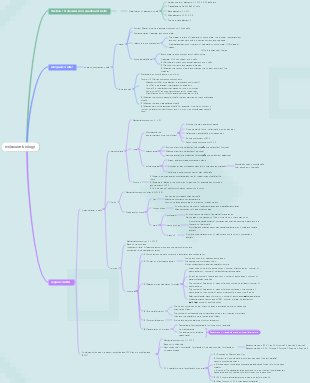
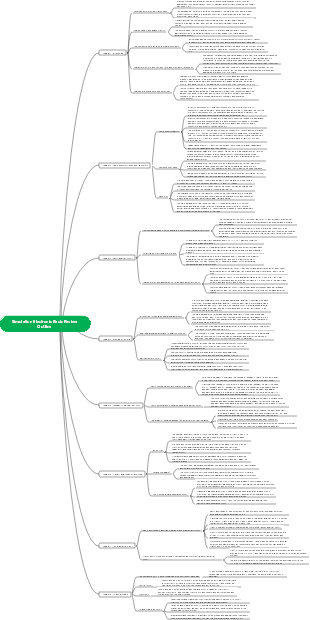
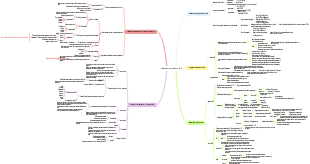
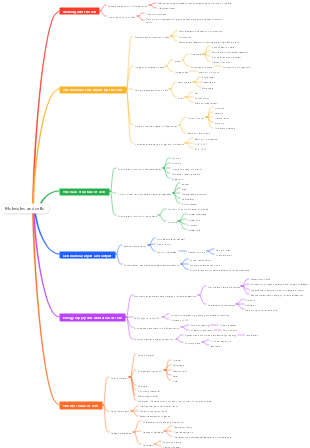
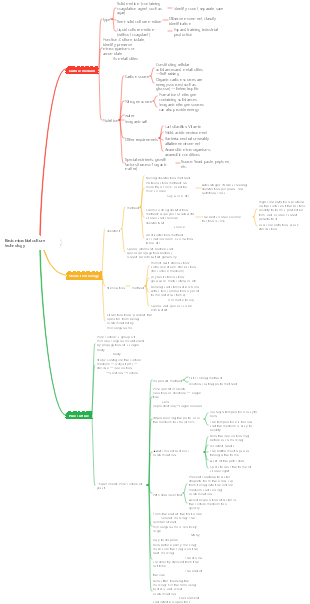
Plant cell engineering
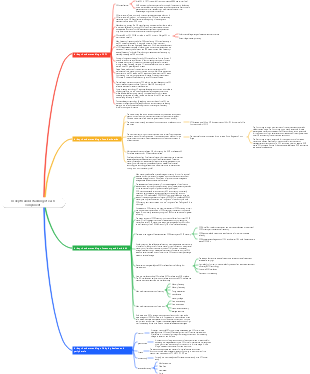
Plant tissue culture technology
Concept: The technology of culturing isolated plant organs, tissues or cells on artificially prepared culture medium to induce them to form a complete plant
Principle: The omnipotence of plant cells
Definition: After cell division and differentiation, there is still the potential to produce a complete organism or differentiate into various other cells.
Why is it all-around: There is a complete set of genetic material in this type of biological (nucleus)
Expression conditions
Suitable external conditions: temperature, pH...
Exit body
A certain amount of nutrients
Plant hormones
Process XXX
Reasons for dedifferentiation and avoiding light: It is not conducive to the production of a large amount of callus tissue under light conditions (easy to differentiate and produce vascular and other tissues)
Purpose: Obtain plant body
▲Experiment
Callus: The differentiated cells are dedifferentiated and transformed into undifferentiated cells, forming an amorphous parenchymal mass
Explant: Ex vivo cultured plant organ tissue cells
※Auxin and cytokinin are key hormones that initiate cell division, dedifferentiation, and redifferentiation. The concentration and proportion affect the development direction of cells.
Proportion: Auxin/cytokinin
High: Promote roots and suppress buds
Low: Promote budding and suppress roots
Moderate: Promote callus
order
Genin recytrin: beneficial for cell division but not differentiation
Cytokinin and regenerating auxin: cells divide and differentiate
Use simultaneously: Increased differentiation frequency
Material
Young and tender explants: slightly differentiated, easily inducing callus
Alcohol with a volume fraction of 70%, sodium hypochlorite solution with a mass fraction of 5%, and sterile water
Culture medium: solid or semi-solid
Disinfection process: XXX
Ingredients of culture medium: sucrose, phytohormones
Transplanting: Wash the root culture medium in water, transplant it onto toxic vermiculite or perlite, and then transplant it into the soil after it grows strong.
Causes of explants contamination
Incomplete disinfection of explants
Inoculation tools, the culture medium is not sterilized thoroughly
The operation process does not comply with sterile operation
Application: Rapid breeding, crop detoxification, haplogenic species
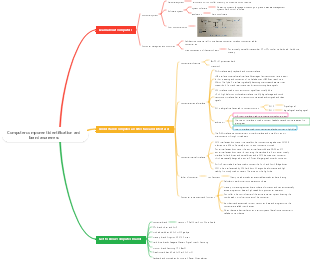
Plant somatic cell hybridization technology
Concept: The technology of fusing plant somatic cells from different sources into hybrid cells under certain conditions and cultivating them into new plant somatic bodies
principle
Fluidity of cell membranes
The omnipotence of plant cells
Asexual reproduction, mitosis
Heritable variant type: chromosome number variation
The number of chromosomes and the number of chromosome groups are the sum of the two parents
Process XXX
Fusion method
Physical method: electrical fusion method, centrifugal method
Chemical method: polyethylene glycol (PEG) fusion method (most commonly used), high calcium ions_high pH fusion method
Preparation of protoplasts
Use cellulase and pectinase to remove walls
Use an environment slightly greater than the internal solution concentration of the protoplasts to remove the wall (to separate the mass wall)
Purpose: Obtain hybrid plants
significance
Break the reproductive isolation
Realize distant hybrid breeding
Cultivate new plant varieties
Reasons for the expected traits of hybrid plants not obtained: biological gene expression is not isolated, and the expression of genetic material in the two species is interfered with each other
application
New ways to reproduce plants
Rapid breeding
Plant tissue culture technology for rapid reproduction of excellent varieties, also known as micro-reproduction
advantage
Efficient and rapid achieve large-scale breeding of seedlings
Maintain the genetic characteristics of excellent varieties
Not limited by natural growing season, short culture cycle
Crops detoxicated
Cause: Viruses infected with asexually reproduced crops are easily transmitted to offspring, resulting in low crop yield and reduced quality
Selection: Near the meristem area at the apical meristem (such as the stem tip), there are very few viruses, and even no viruses
Currently, stem tip tissue culture technology is used to detoxify
Advantages: Improve crop yield and quality
Cultivation of new crop varieties
Haplo Sports
principle
The omnipotence of plant cells
Chromosome number variation
advantage
Relatively stable genetic traits
Greatly shortened breeding years
Ideal materials for somatic mutagenesis breeding and research on genetic mutations
Reason: Most haploid plants have only one set of chromosomes, and the recessive traits of the plants are easily revealed after doubling.
The world's first new haploid crop variety: Single-Yuan No. 1 Tobacco
Utilization of mutants
Factors that affect their mutations
ray
Chemicals
Treatment of callus mutagenesis and screening for favorable mutants
Time of mutagenesis treatment: cultured cells are constantly proliferating
Factory production of cell products
Cell products
Firstborn metabolites
It's going on throughout the whole life
Metabolites include carbohydrates, lipids, proteins, nucleic acids, etc.
Secondary metabolites
Small molecule organic compounds
In specific tissues or organs, only under certain periods and environmental conditions
Not necessary for biological growth
Playing a role in plant resistance to disease and insect resistance, it is an important source of many drugs, fragrances, pigments, etc.
Plant cell culture
Principle: Cell proliferation
Process XXX
Objective: Obtain cell products (mainly secondary metabolites)
Advantages: It does not occupy arable land and is almost not restricted by seasons, weather, etc. It is of great significance to social, economic and environmental protection.
application
Zicao Ning: A drug and pigment extracted from zicao cells, which has antibacterial and anti-inflammatory, anti-tumor and other activities.
Paclitaxel: A secondary metabolite in the body of yew plants with high anti-cancer activity
Ginseng saponin