MindMap Gallery Hemolytic anemia
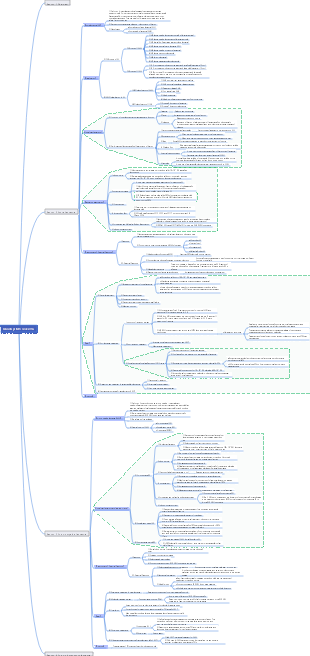
Internal Medicine Nursing - Hematologic System - Hemolytic Anemia refers to a group of anemia that occurs when red blood cells are destroyed and lifespan is shortened. It is mainly manifested in clinical practice as anemia, jaundice, splenomegaly, increased reticulocytes and compensatory hyperplasia of bone marrow erythrocytes.
Edited at 2025-02-20 19:52:38This template shows the structure and function of the reproductive system in the form of a mind map. It introduces the various components of the internal and external genitals, and sorts out the knowledge clearly to help you become familiar with the key points of knowledge.
This is a mind map about the interpretation and summary of the relationship field e-book, Main content: Overview of the essence interpretation and overview of the relationship field e-book. "Relationship field" refers to the complex interpersonal network in which an individual influences others through specific behaviors and attitudes.
This is a mind map about accounting books and accounting records. The main contents include: the focus of this chapter, reflecting the business results process of the enterprise, the loan and credit accounting method, and the original book of the person.
This template shows the structure and function of the reproductive system in the form of a mind map. It introduces the various components of the internal and external genitals, and sorts out the knowledge clearly to help you become familiar with the key points of knowledge.
This is a mind map about the interpretation and summary of the relationship field e-book, Main content: Overview of the essence interpretation and overview of the relationship field e-book. "Relationship field" refers to the complex interpersonal network in which an individual influences others through specific behaviors and attitudes.
This is a mind map about accounting books and accounting records. The main contents include: the focus of this chapter, reflecting the business results process of the enterprise, the loan and credit accounting method, and the original book of the person.
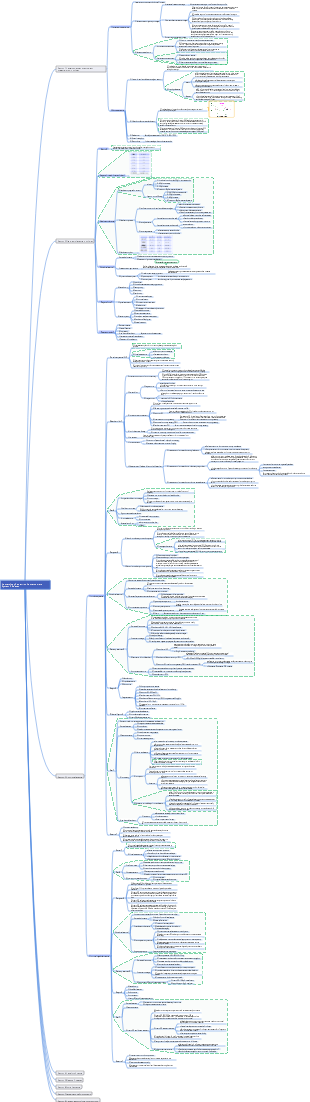
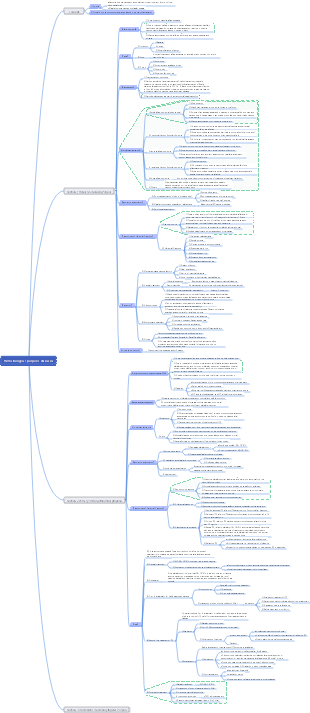
Hemolytic anemia (HA)
Definition and classification
Refers to a group of anemias that occur when red blood cells are destroyed, lifespan is shortened, and a group of anemias that occur when bone marrow hematopoietic compensation capacity is exceeded. The main clinical manifestations are anemia, jaundice, spleen enlargement, reticulum and compensatory hyperplasia of bone marrow erythrocytes
Classification
Hereditary/acquired Extravascular/intravascular Hemolysis of structural abnormalities/defects intrared blood cells and abnormalities in extrared blood cells
Causes and pathogenesis
Causes
Destruction of the structure of red blood cells caused by various reasons Changes in the function and quantity of red blood cells caused by changes in the extra-red blood cell environment
Pathogenesis
Extravascular hemolysis refers to the hemolysis of red blood cells in the mononuclear-phagocytosis system
Mainly chronic hemolysis, more common in hereditary autoimmune
Intravascular hemolysis refers to the destruction of red blood cells in the blood vessels during blood circulation. Hemoglobinemia is formed after hemoglobin is released
Mainly acute hemolysis, more common in blood transfusions with inconsistent blood type
Can form hemoglobinuria or tetanoside
Compensatory enhancement of hematopoietic function in the body's hematopoietic organs or tissues
Clinical manifestations
Acute hemolysis
Rapid onset, sudden chills, followed by high fever, soreness in the waist and back and limbs, headache, vomiting, soy sauce, jaundice
Mostly intravascular hemolysis
Chronic hemolysis
Mostly extravascular hemolysis
Slow onset, mild symptoms, characterized by anemia, jaundice, and splenomegaly
Laboratory and other inspections
General laboratory examination
Blood image examination: Red blood cell count and hemoglobin concentration decrease, and the proportion of reticulocytes increases
Urine examination: The color of the urine is darker and can be made into a strong tea or soy sauce
Urinary and urobic bilebin test: Urinary bilebin is strongly positive and urobic bilebin is negative (special manifestations)
Covered blood test: positive, negative erythrocytes under the microscope
Serum bilirubin determination: total bilirubin level increases
Bone marrow image examination: Increased life, mainly erythrocyte hyperplasia, and a large number of naive red blood cells can be seen
Screening and testing of hemolytic anemia
Plasma free hemoglobin detection: high intravascular hemolysis, and most extravascular hemolysis is normal
Iron-containing flavin urea test: chronic intravascular hemolysis is more common. Acute intravascular hemolysis needs to be tested after several days before it is positive.
Serum-bound globin detection: an indicator that reflects hemolysis sensitivity
Red blood cell lifespan determination: It is the most reliable indicator for diagnosing hemolysis
Detection of intrinsic defects of red blood cells
Red blood cell fragility test: It is the most common indicator for detecting red blood cell membrane defects
Anti-globulin test: autoimmune hemolytic anemia is considered positive
Acid hemolysis test: Positive mainly occurs in paroxysmal sleep hemoglobinuria
Hemoglobin electrophoresis: for diagnosis of thalassemia
G-6-PD activity determination: It is the most reliable indicator of G-6-PD deficiency
Key points of treatment
Cause treatment
Glucocorticoid immunosuppressant: mainly used for immune hemolytic anemia
Splenicectomy: for extravascular hemolysis
Ingredient blood transfusion: the fastest onset of relief treatment
other
Traditional Chinese medicine treatment
Nursing diagnosis and measures
Decreased endurance of activity: related to hypoxia in the systemic tissue caused by anemia
Potential complications: acute renal injury
Infusion and blood transfusion care
Infusion as prescribed by the doctor, increase urine output, accelerate the excretion of poisons
If blood transfusion is required, the blood should be injected immediately after retrieval. It is not suitable for long-term use or heated in. The blood temperature exceeds 37℃ will cause deformity and damage to the red blood cells.