 Wondershare EdrawMind
MindMap Gallery Human Parasitology Chapter 11 Sporidian Mind Map
- 45
- 1
Human Parasitology Chapter 11 Sporidian Mind Map
Do you know? There are many types of sporidia in human parasitology. Each has its own unique morphology and pathogenic mechanism. This chapter introduces in detail the basic information, life history and morphological characteristics of major sporidia such as Cryptosporidium, Toxoplasma gondii, Plasmodium, etc. In particular, Cryptosporidium mainly parasitizes in small intestine epithelial cells and causes intestinal mucosal lesions. The pathogenic mechanism is closely related to insect invasion. In addition, the epidemic distribution, experimental diagnosis methods and prevention measures of these parasites are also discussed. Understanding these knowledge can not only help us better prevent and treat related diseases but also improve our alertness to parasite infections. Do you know? There are many types of sporidia in human parasitology. Each has its own unique morphology and pathogenic mechanism. This chapter introduces in detail the basic information, life history and morphological characteristics of major sporidia such as Cryptosporidium, Toxoplasma gondii, Plasmodium, etc. In particular, Cryptosporidium mainly parasitizes small intestine epithelial cells and causes intestinal mucosal lesions. The pathogenic mechanism is closely related to insect invasion. In addition, the epidemic distribution, experimental diagnosis methods and prevention measures of these parasites are also discussed. Understanding these knowledge can not only help us better prevent and treat related diseases, but also increase our alertness to parasite infections.
Edited at 2025-02-22 16:25:35
- Reproductive system
This template shows the structure and function of the reproductive system in the form of a mind map. It introduces the various components of the internal and external genitals, and sorts out the knowledge clearly to help you become familiar with the key points of knowledge.
- Interpretation and summary of relationship field e-book
This is a mind map about the interpretation and summary of the relationship field e-book, Main content: Overview of the essence interpretation and overview of the relationship field e-book. "Relationship field" refers to the complex interpersonal network in which an individual influences others through specific behaviors and attitudes.
- Accounting books and accounting records
This is a mind map about accounting books and accounting records. The main contents include: the focus of this chapter, reflecting the business results process of the enterprise, the loan and credit accounting method, and the original book of the person.
Human Parasitology Chapter 11 Sporidian Mind Map
- Reproductive system
This template shows the structure and function of the reproductive system in the form of a mind map. It introduces the various components of the internal and external genitals, and sorts out the knowledge clearly to help you become familiar with the key points of knowledge.
- Interpretation and summary of relationship field e-book
This is a mind map about the interpretation and summary of the relationship field e-book, Main content: Overview of the essence interpretation and overview of the relationship field e-book. "Relationship field" refers to the complex interpersonal network in which an individual influences others through specific behaviors and attitudes.
- Accounting books and accounting records
This is a mind map about accounting books and accounting records. The main contents include: the focus of this chapter, reflecting the business results process of the enterprise, the loan and credit accounting method, and the original book of the person.
- Recommended to you
- Outline
Appendix 4 Parasitology, Human Body, Mind Map, Experimental Diagnosis Technology of Parasitology Experimental Diagnosis Technology
- 36
Human Parasitology Chapter 7 Modern Parasitology Prevention and Research Development Direction
- 16
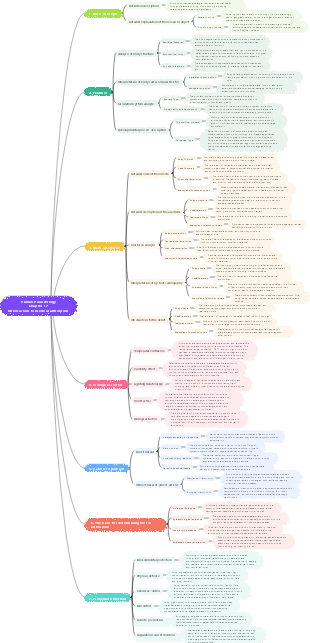

Human Parasitology Chapter 11 Sporeworm
1. Overview of sporidia
Classification status and characteristics
It belongs to the class Pyramidus sporidia, and it engages in parasitic life, has a complex life history, including reproductive methods such as fissure proliferation, gamete reproduction and spore reproduction.
Main pathogenic pests
Plasmodium, Toxoplasma gondii, Cryptosporidium, Babeworm, etc. are more harmful to the human body, and sermatosporidium, isosporidium, etc. can also parasitize in the human body.
2. Plasmodium
Types and distribution
Plasmodium parasites that are parasitic in humans include Plasmodium vivax, Plasmodium falciparum, Plasmodium vivax, Plasmodium ovale, and Plasmodium nuts, and other monkeys such as Plasmodium nuts also occasionally infect humans. China mainly consists of Plasmodium vivax and Plasmodium falciparum.
Morphological characteristics
Intra-hepatocyte development stage
The sporozoite is elongated and spindle-shaped, and it invades the surface molecules of hepatocytes by binding to surface proteins. In hepatocytes, sporozoites develop into trophoblasts, which then form schizoles, and eventually produce merozoles.
Intra-red blood cell development stage
It is divided into trophoblasts (the early form is circular, and pseudopod and pigment are present in the late stage), schizoles (immature and mature stages, mature schizoles contain merozoles) and gametophytes (the morphology of female and male gametophytes is different). The parasitic erythrocyte morphology varies by species of Plasmodium.
Life History
Develop in the human body
Including the extra-red blood cell phase (sporozoites invade hepatocytes and develop into schizoites, and the spores of Plasmodium vivax and Plasmodium ovade have fast-on and late-onset types, which can form dormant bodies) and the intra-red blood cell phase (merozoites invade red blood cells, develop into mature schizoites through circular and other stages, and some merozoites develop into gametophytes).
Developed in Anopheles
Anopheles bites patients or insect-carrying patients and inhales gametophytes, develop into male gametes and female gametes in the mosquito stomach, fertilizes to form zygotes, and then develops into zygotes and oocysts, which eventually produces sporozoites and enters the salivary glands.
Nutritional metabolism
Glucose metabolism
The intrared blood cell phase mainly depends on glucose. Plasmodium parasites change the red blood cell membrane, which is conducive to the uptake of glucose. The lack of glucose-6-phosphate dehydrogenase affects the development of the insect body.
Protein metabolism
Heme is converted to malaria pigment using hemoglobin hydrolysate.
Nucleic acid metabolism
The synthesis of purines can be synthesized by remedial pathways, which can synthesize pyrimidine nucleotides in de novo, and para-aminobenzoic acid affects the growth and reproduction of Plasmodium parasites.
Lipid metabolism
Relying on hosts to provide fatty acids and cholesterol.
Pathogenic mechanism
Incubation period
The duration is related to protozoa strains, sporozoite number and body immunity. The incubation period of malaria induced by blood transfusion is short and has no recurrence.
Malaria attack
The proliferation of lysates in the red blood cell period leads to periodic chills, high fever, sweating and fever reduction, which is consistent with the proliferation cycle of lyses in the red blood cell period.
Reignition and relapse
Reignition is caused by the large reproduction of Plasmodium in the intrared blood cell phase, which is related to decreased immunity and antigen mutation; recurrence is related to dormant resuscitation in hepatocytes, and there is no recurrence of Plasmodium falciparum and Plasmodium vivax.
complication
Including anemia (related to hypersplenary spleen function, etc.), spleen enlargement (caused by spleen congestion and mononuclear macrophage hyperplasia), dangerous malaria (such as brain malaria, the mechanism is related to infected red blood cell adhesion and immune pathology), gastrointestinal malaria, and pregnancy malaria. Special populations have innate resistance to malaria.
Immune response
Anti-malarial parasite immunity
Innate immunity recognizes Plasmodium through pattern recognition receptors, activates the immune response; adaptive immunity plays a role through antibody and cellular immunity, and has different mechanisms for Plasmodium in different periods.
Plasmodium evades and inhibits body immunity
Escape from immune attacks through parasitic sites (such as parasitizing in mature red blood cells to evade CD8⁺T cell attack), antigenic mutations and polymorphisms, inhibiting the body's immune response (suppressing DC function, etc.).
Immune with insects
Repeated infections induce the body to develop immunity and can resist reinfection, but there is still low level of protozoaemia in the blood.
Experimental diagnosis
Ecological diagnosis
Thick and thin blood membrane staining microscopy is most commonly used, pay attention to the time of blood collection and identification with Babeworm.
Immunological diagnosis
Circulating antibody detection is used for epidemiological investigations, etc., and circulating antigen detection is fast and suitable for the grassroots.
Molecular Biology Technology
PCR technology is highly sensitive and is used to detect asymptomatic infections and suspected patients.
Popular Distribution
Global prevalence
It is mainly endemic in tropical and subtropical regions, with the proportion of cases in Africa exceeding 90%.
Chinese prevalence
It was once an important insect-borne infectious disease. There have been no local cases since 2017, and imported cases still exist.
Prevention and control measures
prevention
Mosquito vector control (using mosquito nets, insecticides, etc.), preventive medication (select drugs according to region and population), and vaccine development (multiple vaccine candidates are at different stages).
treat
Select drugs according to the malaria parasite phase and follow the combined drug use strategy of artemisinin to ensure sufficient full medication.
3. Toxoplasma gonzo
Basic information
It is distributed worldwide, with cats as terminal hosts, and humans and many animals as intermediate hosts. Toxoplasmosis, which causes zoonotic diseases, is an opportunistic pathogenic pathogen.
Morphological characteristics
There are five forms of trophoblasts (scale melanocytes and slow melanocytes), cysts, schizombies, gametophytes and oocysts. The trophoblasts, cysts and oocysts are closely related to transmission and pathogenicity.
Life History
Intra-host development
After felines eat into the insect body during the infection stage, sexual reproduction and asexual reproduction are performed in the epithelial cells of the small intestine, producing ovum sacs excreted with feces.
Intra-intermediate host development
After the intermediate host swallows the oocyst, cyst or pseudocyst, sporozoites, cyst or cyst invade the cells, forming pseudocyst, and some cysts are converted into cysts to form cysts.
Pathogenic mechanism
Causative factors
It is related to the virility of insect strains and the host immune status, and the virility of insect strains of different genotypes is different.
Pathogenic stage
Radical mesophylls are the main pathogenic stage of acute infection and destroy cells; cysts are the main stage of chronic infection, and cyst rupture can trigger an immune response.
Immune response
Cellular Immune Effect
Sensitized T cells produce cytokines, and IFN-γ plays a leading role in anti-toxoplasma immunity.
Antibody action
Infection induced specific antibody production, and dynamic monitoring of antibodies helped to determine the time of infection and the probability of fetal involvement.
Experimental diagnosis
Ecological examination
The smear staining method is easy to operate but has a low positive rate. It is commonly used in animal inoculation isolation and cell culture method.
Serological examination
Staining tests, indirect hemoclotting tests and other methods are widely used, and serological examinations are an important auxiliary diagnostic method.
Molecular Biological Diagnosis
Real-time fluorescence quantitative PCR is used to detect amniotic fluid specimens suspected of congenital infection.
Popular Distribution
Global prevalence
The world is distributed, and the population is common, and the serum antibody positive rate of Toxoplasma gondii gondii is the highest in pregnant women and children in Brazil.
Chinese prevalence
It is widely distributed, and the seropositivity rate in the population is mostly below 10%.
Prevention and control measures
Strengthen monitoring and isolation of livestock, pay attention to dietary hygiene, avoid contact with cats, etc., and treat patients in the acute stage in a timely manner. Drugs include pyrimidine, sulfonamide, etc., and pregnant women's first choice for spiromycin.
IV. Cryptosporidium
Basic information
There are multiple species of sporidia. Cryptosporidium microcrystallis and Cryptosporidium humans are pathogenic to humans and cause zoonotic protozoosporidium with diarrhea as the main symptom.
Morphological characteristics
The oocyst is round or oval, and the mature oocyst contains 4 sporozoites and residual bodies. It is easy to observe after improved acid-resistant staining.
Life History
Only one host is required, and the life history includes cleft proliferation, gamete reproduction and spore reproduction, and the mature oocyst is the infection stage.
Pathogenic mechanism
It mainly parasitizes in the brush-like edge vacuole of small intestinal epithelial cells, leading to intestinal mucosal lesions. The pathogenic mechanism is related to insect invasion and host immune function. The severity of symptoms depends on immune function.
Experimental diagnosis
Ecological examination
Fecal smear staining (goldamine-phenol staining, improved acid-fast staining, etc.), gene detection (PCR detection of specific DNA).
Immunological examination
Immunological testing of fecal and serum specimens (IFAT, ELISA, etc.) can assist in diagnosis and epidemiological investigations.
Popular Distribution
Global prevalence
There are differences in insect species in Oceania, North America and other places, and the infection rate of high-risk population is high. It is listed as a suspected indicator of AIDS patients and a new infectious disease.
Chinese prevalence
The first case was discovered in 1987, and the infection rate was on the rise.
Prevention and control measures
To prevent fecal contamination, pay attention to personal hygiene, and protect people with low immune function, there are no ideal special drugs, mainly symptomatic and supportive treatments, nitazonidone is used for infant infection treatment.
V. Other sporeworms
(I) Sermatosporidium
Type and parasitic relationship
At least three types can parasitize the human body. Sermatosporidium Lin's use of humans as the intermediate hosts; the intermediate hosts of beef sermatosporidium and pig sermatosporidium are cattle and pig respectively, and humans are the final hosts.
Form and life history
The oocyst contains 2 sporangia, which is cylindrical or spindle-shaped. The life history involves alternating infection of the intermediate host and the final host. Sermatosporidium can also be transmitted through slow mesozoites.
Pathogenic mechanism
The symptoms of human infection depend on the number of sermatosporous sermatosporous sermatosporous, which can cause digestive tract symptoms, anemia, etc. The rupture of sermatosporous sermatosporous can cause serious problems.
Experimental diagnosis
Fecal examination or muscle biopsy can confirm the diagnosis of ovum, sporangia or sermatospora.
Epidemic and prevention
It is distributed worldwide and is more common in Europe. There are no specific drugs for treatment. Sulfonamide drugs can be tried. The main purpose of preventing them is to avoid raw meat and strengthen quarantine.
(II) Crazygotes Bellis isospora
Basic information
Parasitizes in the human small intestine, causing cystic coccidiosis, and the host symptoms are severe, and those who are susceptible are those who are immune-deficient or travelers.
Form and life history
The oocyst is round or oblong, and the life history includes the development and reproduction process in small intestinal epithelial cells, and the oocyst emission time limit is uncertain.
Pathogenic mechanism
The trophoblast invades the intestinal mucosa and causes proliferative enteritis, and the symptoms are related to the body's immune status.
Experimental diagnosis
The oocyst is mainly relied on feces to detect the oocyst. If necessary, the duodenal mucosa biopsy should be performed. Note that the oocyst is smaller and the oocyst is prone to missed detection.
Epidemic and prevention
It is distributed worldwide, common in tropical and subtropical areas. People are infected by the intake of mature oocysts, so they pay attention to drinking water and dietary hygiene, and use compound sulfamethoxazole for treatment.
(III) Microsporeworm
Classification and infection
The status of biological classification is controversial, with at least 8 genera about 15 species that can infect humans and are important pathogens of diarrhea in HIV-infected or AIDS patients.
Form and life history
Spores are typical stages, containing diodes, and the developmental process includes fission reproduction and spore reproduction, and mature spores infect host cells.
Pathogenic mechanism
The pathogenicity and clinical symptoms are related to the immune status of the insect species and the host, and can involve multiple organs, and the symptoms of immune-involved hosts are severe.
Experimental diagnosis
The feces, urine and other specimens were examined, and staining microscopy, serum antibody detection, cell culture and molecular biology methods were used, and tissue electron microscopy could identify insect species.
Epidemic and prevention
Zodiac disease is distributed worldwide and is mainly transmitted through food and water. Commonly used drugs include albendazole and aspergillin, but there are problems with treatment.
(IV) Human bud cyst protozoa
Discovery and Classification
It was first reported in 1899 that it was once considered a yeast and later classified as a protozoa, and is one of the pathogens that cause diarrhea in humans.
Form and life history
The shapes are diverse, including vacuole type, granule type, etc., which mainly parasitize in the ileocecal area, and the life history is not completely clear. The pathogenic period may be an amoeba type insect body.
Pathogenic mechanism
The pathogenicity is controversial, which may be related to the body's immunity or genotype. The pathogenesis includes induction of cell apoptosis, etc. There are pathological changes in immunosuppressive mice after infection.
Experimental diagnosis
Fecal examination (direct smear method, iodine solution staining method, etc.), pay attention to differentiation from other pathogens, and can also be diagnosed by PCR technology. Serological diagnosis is not used in clinical practice.
Epidemic and prevention
It is distributed worldwide, more common in Southeast Asia and South America. It is transmitted through the fecal-oral pathway, preventing and eliminating the source of infection and cutting off the transmission pathway. It is often treated with metronidazole, but there is a recurrence.
(V) Babeworm
Basic information
Parasitizes in mammalian red blood cells and causes Babesiasis, which is a zoonotic disease transmitted by ticks. Various insect species can infect people.
Form and life history
The insect body has diverse morphology, and its life history includes sexual reproduction in ticks and asexual development in mammalian red blood cells. Young ticks can sustainably infect the host, and some transovulate transmission occurs.
Pathogenic mechanism
The clinical manifestations are related to insect body action, red blood cell lysis and host immune status, which can lead to symptoms such as fever and anemia. Severe patients can endanger life, and splenectomy and AIDS patients have serious symptoms after infection.
Experimental diagnosis
Peripheral blood smear is commonly used for microscopy, and is assisted by serological detection and molecular biological methods. Animal inoculation is sensitive but cannot meet the clinical rapid detection needs.
Epidemic and prevention
There are a wide range of hosts, and the transmission routes include tick bites, etc. They are commonly treated with drugs such as clindamycin and quinine. The combination of drugs has good effect but has side effects. Prevention is mainly to prevent tick bites, and animal vaccines have been developed.
Human Parasitology Chapter 11 Sporeworm
1. Overview of sporidia
Classification status and characteristics
It belongs to the class Pyramidus sporidia, and it engages in parasitic life, has a complex life history, including reproductive methods such as fissure proliferation, gamete reproduction and spore reproduction.
Main pathogenic pests
Plasmodium, Toxoplasma gondii, Cryptosporidium, Babeworm, etc. are more harmful to the human body, and sermatosporidium, isosporidium, etc. can also parasitize in the human body.
2. Plasmodium
Types and distribution
Plasmodium parasites that are parasitic in humans include Plasmodium vivax, Plasmodium falciparum, Plasmodium vivax, Plasmodium ovale, and Plasmodium nuts, and other monkeys such as Plasmodium nuts also occasionally infect humans. China mainly consists of Plasmodium vivax and Plasmodium falciparum.
Morphological characteristics
Intra-hepatocyte development stage
The sporozoite is elongated and spindle-shaped, and it invades the surface molecules of hepatocytes by binding to surface proteins. In hepatocytes, sporozoites develop into trophoblasts, which then form schizoles, and eventually produce merozoles.
Intra-red blood cell development stage
It is divided into trophoblasts (the early form is circular, and pseudopod and pigment are present in the late stage), schizoles (immature and mature stages, mature schizoles contain merozoles) and gametophytes (the morphology of female and male gametophytes is different). The parasitic erythrocyte morphology varies by species of Plasmodium.
Life History
Develop in the human body
Including the extra-red blood cell phase (sporozoites invade hepatocytes and develop into schizoites, and the spores of Plasmodium vivax and Plasmodium ovade have fast-on and late-onset types, which can form dormant bodies) and the intra-red blood cell phase (merozoites invade red blood cells, develop into mature schizoites through circular and other stages, and some merozoites develop into gametophytes).
Developed in Anopheles
Anopheles bites patients or insect-carrying patients and inhales gametophytes, develop into male gametes and female gametes in the mosquito stomach, fertilizes to form zygotes, and then develops into zygotes and oocysts, which eventually produces sporozoites and enters the salivary glands.
Nutritional metabolism
Glucose metabolism
The intrared blood cell phase mainly depends on glucose. Plasmodium parasites change the red blood cell membrane, which is conducive to the uptake of glucose. The lack of glucose-6-phosphate dehydrogenase affects the development of the insect body.
Protein metabolism
Heme is converted to malaria pigment using hemoglobin hydrolysate.
Nucleic acid metabolism
The synthesis of purines can be synthesized by remedial pathways, which can synthesize pyrimidine nucleotides in de novo, and para-aminobenzoic acid affects the growth and reproduction of Plasmodium parasites.
Lipid metabolism
Relying on hosts to provide fatty acids and cholesterol.
Pathogenic mechanism
Incubation period
The duration is related to protozoa strains, sporozoite number and body immunity. The incubation period of malaria induced by blood transfusion is short and has no recurrence.
Malaria attack
The proliferation of lysates in the red blood cell period leads to periodic chills, high fever, sweating and fever reduction, which is consistent with the proliferation cycle of lyses in the red blood cell period.
Reignition and relapse
Reignition is caused by the large reproduction of Plasmodium in the intrared blood cell phase, which is related to decreased immunity and antigen mutation; recurrence is related to dormant resuscitation in hepatocytes, and there is no recurrence of Plasmodium falciparum and Plasmodium vivax.
complication
Including anemia (related to hypersplenary spleen function, etc.), spleen enlargement (caused by spleen congestion and mononuclear macrophage hyperplasia), dangerous malaria (such as brain malaria, the mechanism is related to infected red blood cell adhesion and immune pathology), gastrointestinal malaria, and pregnancy malaria. Special populations have innate resistance to malaria.
Immune response
Anti-malarial parasite immunity
Innate immunity recognizes Plasmodium through pattern recognition receptors, activates the immune response; adaptive immunity plays a role through antibody and cellular immunity, and has different mechanisms for Plasmodium in different periods.
Plasmodium evades and inhibits body immunity
Escape from immune attacks through parasitic sites (such as parasitizing in mature red blood cells to evade CD8⁺T cell attack), antigenic mutations and polymorphisms, inhibiting the body's immune response (suppressing DC function, etc.).
Immune with insects
Repeated infections induce the body to develop immunity and can resist reinfection, but there is still low level of protozoaemia in the blood.
Experimental diagnosis
Ecological diagnosis
Thick and thin blood membrane staining microscopy is most commonly used, pay attention to the time of blood collection and identification with Babeworm.
Immunological diagnosis
Circulating antibody detection is used for epidemiological investigations, etc., and circulating antigen detection is fast and suitable for the grassroots.
Molecular Biology Technology
PCR technology is highly sensitive and is used to detect asymptomatic infections and suspected patients.
Popular Distribution
Global prevalence
It is mainly endemic in tropical and subtropical regions, with the proportion of cases in Africa exceeding 90%.
Chinese prevalence
It was once an important insect-borne infectious disease. There have been no local cases since 2017, and imported cases still exist.
Prevention and control measures
prevention
Mosquito vector control (using mosquito nets, insecticides, etc.), preventive medication (select drugs according to region and population), and vaccine development (multiple vaccine candidates are at different stages).
treat
Select drugs according to the malaria parasite phase and follow the combined drug use strategy of artemisinin to ensure sufficient full medication.
"Human Parasitology" Chapter 11 Sporeworm
3. Toxoplasma gonzo
Basic information
It is distributed worldwide, with cats as terminal hosts, and humans and many animals as intermediate hosts. Toxoplasmosis, which causes zoonotic diseases, is an opportunistic pathogenic pathogen.
Morphological characteristics
There are five forms of trophoblasts (scale melanocytes and slow melanocytes), cysts, schizombies, gametophytes and oocysts. The trophoblasts, cysts and oocysts are closely related to transmission and pathogenicity.
Life History
Intra-host development
After felines eat into the insect body during the infection stage, sexual reproduction and asexual reproduction are performed in the epithelial cells of the small intestine, producing ovum sacs excreted with feces.
Intra-intermediate host development
After the intermediate host swallows the oocyst, cyst or pseudocyst, sporozoites, cyst or cyst invade the cells, forming pseudocyst, and some cysts are converted into cysts to form cysts.
Pathogenic mechanism
Causative factors
It is related to the virility of insect strains and the host immune status, and the virility of insect strains of different genotypes is different.
Pathogenic stage
Radical mesophylls are the main pathogenic stage of acute infection and destroy cells; cysts are the main stage of chronic infection, and cyst rupture can trigger an immune response.
Immune response
Cellular Immune Effect
Sensitized T cells produce cytokines, and IFN-γ plays a leading role in anti-toxoplasma immunity.
Antibody action
Infection induced specific antibody production, and dynamic monitoring of antibodies helped to determine the time of infection and the probability of fetal involvement.
Experimental diagnosis
Ecological examination
The smear staining method is easy to operate but has a low positive rate. It is commonly used in animal inoculation isolation and cell culture method.
Serological examination
Staining tests, indirect hemoclotting tests and other methods are widely used, and serological examinations are an important auxiliary diagnostic method.
Molecular Biological Diagnosis
Real-time fluorescence quantitative PCR is used to detect amniotic fluid specimens suspected of congenital infection.
Popular Distribution
Global prevalence
The world is distributed, and the population is common, and the serum antibody positive rate of Toxoplasma gondii gondii is the highest in pregnant women and children in Brazil.
Chinese prevalence
It is widely distributed, and the seropositivity rate in the population is mostly below 10%.
Prevention and control measures
Strengthen monitoring and isolation of livestock, pay attention to dietary hygiene, avoid contact with cats, etc., and treat patients in the acute stage in a timely manner. Drugs include pyrimidine, sulfonamide, etc., and pregnant women's first choice for spiromycin.
"Human Parasitology" Chapter 11 Sporeworm
IV. Cryptosporidium
Basic information
There are multiple species of sporidia. Cryptosporidium microcrystallis and Cryptosporidium humans are pathogenic to humans and cause zoonotic protozoosporidium with diarrhea as the main symptom.
Morphological characteristics
The oocyst is round or oval, and the mature oocyst contains 4 sporozoites and residual bodies. It is easy to observe after improved acid-resistant staining.
Life History
Only one host is required, and the life history includes cleft proliferation, gamete reproduction and spore reproduction, and the mature oocyst is the infection stage.
Pathogenic mechanism
It mainly parasitizes in the brush-like edge vacuole of small intestinal epithelial cells, leading to intestinal mucosal lesions. The pathogenic mechanism is related to insect invasion and host immune function. The severity of symptoms depends on immune function.
Experimental diagnosis
Ecological examination
Fecal smear staining (goldamine-phenol staining, improved acid-fast staining, etc.), gene detection (PCR detection of specific DNA).
Immunological examination
Immunological testing of fecal and serum specimens (IFAT, ELISA, etc.) can assist in diagnosis and epidemiological investigations.
Popular Distribution
Global prevalence
There are differences in insect species in Oceania, North America and other places, and the infection rate of high-risk population is high. It is listed as a suspected indicator of AIDS patients and a new infectious disease.
Chinese prevalence
The first case was discovered in 1987, and the infection rate was on the rise.
Prevention and control measures
To prevent fecal contamination, pay attention to personal hygiene, and protect people with low immune function, there are no ideal special drugs, mainly symptomatic and supportive treatments, nitazonidone is used for infant infection treatment.
"Human Parasitology" Chapter 11 Sporeworm
V. Other sporeworms
(I) Sermatosporidium
Type and parasitic relationship
At least three types can parasitize the human body. Sermatosporidium Lin's use of humans as the intermediate hosts; the intermediate hosts of beef sermatosporidium and pig sermatosporidium are cattle and pig respectively, and humans are the final hosts.
Form and life history
The oocyst contains 2 sporangia, which is cylindrical or spindle-shaped. The life history involves alternating infection of the intermediate host and the final host. Sermatosporidium can also be transmitted through slow mesozoites.
Pathogenic mechanism
The symptoms of human infection depend on the number of sermatosporous sermatosporous sermatosporous, which can cause digestive tract symptoms, anemia, etc. The rupture of sermatosporous sermatosporous can cause serious problems.
Experimental diagnosis
Fecal examination or muscle biopsy can confirm the diagnosis of ovum, sporangia or sermatospora.
Epidemic and prevention
It is distributed worldwide and is more common in Europe. There are no specific drugs for treatment. Sulfonamide drugs can be tried. The main purpose of preventing them is to avoid raw meat and strengthen quarantine.
(II) Crazygotes Bellis isospora
Basic information
Parasitizes in the human small intestine, causing cystic coccidiosis, and the host symptoms are severe, and those who are susceptible are those who are immune-deficient or travelers.
Form and life history
The oocyst is round or oblong, and the life history includes the development and reproduction process in small intestinal epithelial cells, and the oocyst emission time limit is uncertain.
Pathogenic mechanism
The trophoblast invades the intestinal mucosa and causes proliferative enteritis, and the symptoms are related to the body's immune status.
Experimental diagnosis
The oocyst is mainly relied on feces to detect the oocyst. If necessary, the duodenal mucosa biopsy should be performed. Note that the oocyst is smaller and the oocyst is prone to missed detection.
Epidemic and prevention
It is distributed worldwide, common in tropical and subtropical areas. People are infected by the intake of mature oocysts, so they pay attention to drinking water and dietary hygiene, and use compound sulfamethoxazole for treatment.
(III) Microsporeworm
Classification and infection
The status of biological classification is controversial, with at least 8 genera about 15 species that can infect humans and are important pathogens of diarrhea in HIV-infected or AIDS patients.
Form and life history
Spores are typical stages, containing diodes, and the developmental process includes fission reproduction and spore reproduction, and mature spores infect host cells.
Pathogenic mechanism
The pathogenicity and clinical symptoms are related to the immune status of the insect species and the host, and can involve multiple organs, and the symptoms of immune-involved hosts are severe.
Experimental diagnosis
The feces, urine and other specimens were examined, and staining microscopy, serum antibody detection, cell culture and molecular biology methods were used, and tissue electron microscopy could identify insect species.
Epidemic and prevention
Zodiac disease is distributed worldwide and is mainly transmitted through food and water. Commonly used drugs include albendazole and aspergillin, but there are problems with treatment.
(IV) Human bud cyst protozoa
Discovery and Classification
It was first reported in 1899 that it was once considered a yeast and later classified as a protozoa, and is one of the pathogens that cause diarrhea in humans.
Form and life history
The shapes are diverse, including vacuole type, granule type, etc., which mainly parasitize in the ileocecal area, and the life history is not completely clear. The pathogenic period may be an amoeba type insect body.
Pathogenic mechanism
The pathogenicity is controversial, which may be related to the body's immunity or genotype. The pathogenesis includes induction of cell apoptosis, etc. There are pathological changes in immunosuppressive mice after infection.
Experimental diagnosis
Fecal examination (direct smear method, iodine solution staining method, etc.), pay attention to differentiation from other pathogens, and can also be diagnosed by PCR technology. Serological diagnosis is not used in clinical practice.
Epidemic and prevention
It is distributed worldwide, more common in Southeast Asia and South America. It is transmitted through the fecal-oral pathway, preventing and eliminating the source of infection and cutting off the transmission pathway. It is often treated with metronidazole, but there is a recurrence.
(V) Babeworm
Basic information
Parasitizes in mammalian red blood cells and causes Babesiasis, which is a zoonotic disease transmitted by ticks. Various insect species can infect people.
Form and life history
The insect body has diverse morphology, and its life history includes sexual reproduction in ticks and asexual development in mammalian red blood cells. Young ticks can sustainably infect the host, and some transovulate transmission occurs.
Pathogenic mechanism
The clinical manifestations are related to insect body action, red blood cell lysis and host immune status, which can lead to symptoms such as fever and anemia. Severe patients can endanger life, and splenectomy and AIDS patients have serious symptoms after infection.
Experimental diagnosis
Peripheral blood smear is commonly used for microscopy, and is assisted by serological detection and molecular biological methods. Animal inoculation is sensitive but cannot meet the clinical rapid detection needs.
Epidemic and prevention
There are a wide range of hosts, and the transmission routes include tick bites, etc. They are commonly treated with drugs such as clindamycin and quinine. The combination of drugs has good effect but has side effects. Prevention is mainly to prevent tick bites, and animal vaccines have been developed.