MindMap Gallery Appendix 4 Parasitology, Human Body, Mind Map, Experimental Diagnosis Technology of Parasitology Experimental Diagnosis Technology
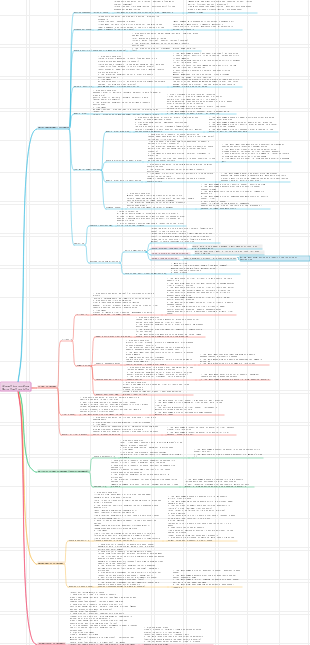
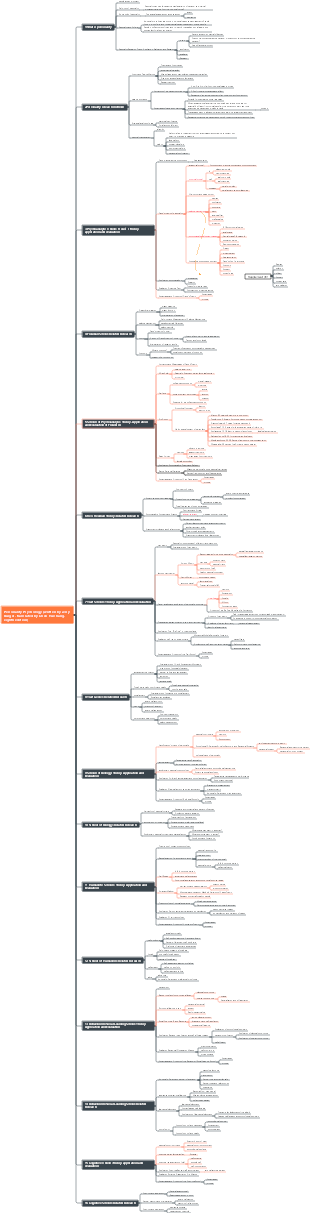
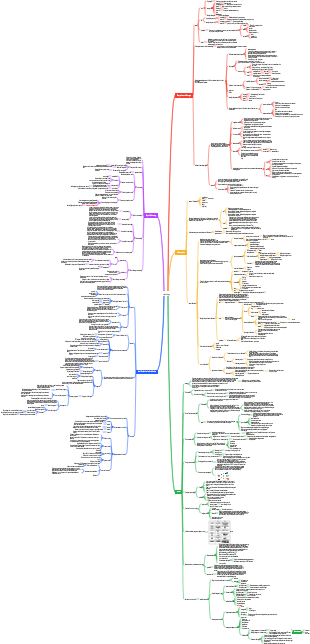
This is a mind map about the experimental diagnosis technology of parasitology in Appendix 4 of "Human Parasitology", which mainly includes: 1. Pathogenic diagnosis technology, 2. Immunological diagnosis technology, 3. Molecular biological diagnosis technology, 4. Omics technology.
Edited at 2025-03-02 09:31:22Rumi: 10 dimensions of spiritual awakening. When you stop looking for yourself, you will find the entire universe because what you are looking for is also looking for you. Anything you do persevere every day can open a door to the depths of your spirit. In silence, I slipped into the secret realm, and I enjoyed everything to observe the magic around me, and didn't make any noise. Why do you like to crawl when you are born with wings? The soul has its own ears and can hear things that the mind cannot understand. Seek inward for the answer to everything, everything in the universe is in you. Lovers do not end up meeting somewhere, and there is no parting in this world. A wound is where light enters your heart.
Chronic heart failure is not just a problem of the speed of heart rate! It is caused by the decrease in myocardial contraction and diastolic function, which leads to insufficient cardiac output, which in turn causes congestion in the pulmonary circulation and congestion in the systemic circulation. From causes, inducement to compensation mechanisms, the pathophysiological processes of heart failure are complex and diverse. By controlling edema, reducing the heart's front and afterload, improving cardiac comfort function, and preventing and treating basic causes, we can effectively respond to this challenge. Only by understanding the mechanisms and clinical manifestations of heart failure and mastering prevention and treatment strategies can we better protect heart health.
Ischemia-reperfusion injury is a phenomenon that cellular function and metabolic disorders and structural damage will worsen after organs or tissues restore blood supply. Its main mechanisms include increased free radical generation, calcium overload, and the role of microvascular and leukocytes. The heart and brain are common damaged organs, manifested as changes in myocardial metabolism and ultrastructural changes, decreased cardiac function, etc. Prevention and control measures include removing free radicals, reducing calcium overload, improving metabolism and controlling reperfusion conditions, such as low sodium, low temperature, low pressure, etc. Understanding these mechanisms can help develop effective treatment options and alleviate ischemic injury.
Rumi: 10 dimensions of spiritual awakening. When you stop looking for yourself, you will find the entire universe because what you are looking for is also looking for you. Anything you do persevere every day can open a door to the depths of your spirit. In silence, I slipped into the secret realm, and I enjoyed everything to observe the magic around me, and didn't make any noise. Why do you like to crawl when you are born with wings? The soul has its own ears and can hear things that the mind cannot understand. Seek inward for the answer to everything, everything in the universe is in you. Lovers do not end up meeting somewhere, and there is no parting in this world. A wound is where light enters your heart.
Chronic heart failure is not just a problem of the speed of heart rate! It is caused by the decrease in myocardial contraction and diastolic function, which leads to insufficient cardiac output, which in turn causes congestion in the pulmonary circulation and congestion in the systemic circulation. From causes, inducement to compensation mechanisms, the pathophysiological processes of heart failure are complex and diverse. By controlling edema, reducing the heart's front and afterload, improving cardiac comfort function, and preventing and treating basic causes, we can effectively respond to this challenge. Only by understanding the mechanisms and clinical manifestations of heart failure and mastering prevention and treatment strategies can we better protect heart health.
Ischemia-reperfusion injury is a phenomenon that cellular function and metabolic disorders and structural damage will worsen after organs or tissues restore blood supply. Its main mechanisms include increased free radical generation, calcium overload, and the role of microvascular and leukocytes. The heart and brain are common damaged organs, manifested as changes in myocardial metabolism and ultrastructural changes, decreased cardiac function, etc. Prevention and control measures include removing free radicals, reducing calcium overload, improving metabolism and controlling reperfusion conditions, such as low sodium, low temperature, low pressure, etc. Understanding these mechanisms can help develop effective treatment options and alleviate ischemic injury.
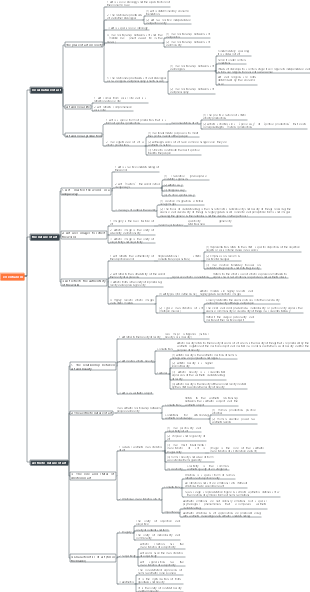
Appendix IV of "Human Parasitology" Parasitic disease experimental diagnosis technology
1. Pathogenic diagnostic technology
1. Fecal inspection
1||| Direct smear method
Mite egg examination
Operation steps: Smear of normal saline, smear of feces, and coverslips to observe
Note: Identify insect eggs and feces foreign substances
Protozoa examination
Trophobia examination: thin smear, insulation observation
Cycloprosthesis sulfonate staining examination: iodine solution staining, check cysts and live trophoblasts
Examination of oocyst staining for stable sporidia: modified acid-positive staining of gold amine-phenol, modified acid-positive staining of gold amine-phenol, and improved acid-positive staining of gold amine-phenol.
2||| Quantitative transparent thick smear method (improved Kato thick smear method)
Operation steps: quantitative plate sampling, transparent glycerol-maracea green solution, microscopic counting
Calculation formula: Number of insect eggs × 24 × Fecal trait coefficient = Number of insect eggs per gram of feces (EPC)
3||| Concentration method
Precipitation method
Gravity precipitation method: natural precipitation, pour off the upper layer liquid, and take the sediment for microscopic examination
Centrifugal precipitation method: Mirror examination after centrifugation
Centrifugal precipitation of permanent iodaldehyde: concentration, fixation and staining
Aldehyde precipitation method: good concentration effect, does not damage cysts and insect eggs
Floating method
Saturated saline water floatation method: check hookworm eggs
Centrifugal floating method of zinc sulfate: check for protozoa cysts, coccidium ovum cysts, etc.
Sucrose solution centrifugal floating method: checking cryptosporidium oocysts
4||| Micacerin hatching method
Operation steps: Incubate feces sediments and observe mariae
5||| Anal swab method
Cotton swab method: wipe the anus, saturated saline water floating and accumulation method
Transparent tape method: paste tape on the anus, mirror examination
6||| Germinal culture method
Operation steps: Cultivate filter paper and observe germinata
7||| Insect inspection method
Operation steps: Filter the feces and check the repelled insects
8||| Testing for pregnancy with tapeworm
Operation steps: Observe pregnancy section flattening and uterine branch counting
2. Body fluid examination
1||| Blood test
Check for Plasmodium
Blood collection and smear: thin blood film, thick blood film production
Fixation and staining: Gimssa staining, Rapid Gimssa staining, Reit staining
Check for filariae microfilariae
Fresh blood tablet examination, thick blood membrane examination, live microfilariae concentration method
2||| Cerebrospinal fluid examination
Check for amoeba trophoblasts, toxoplasma gondii trophoblasts, etc.
Operation steps: Take the sediment smear after centrifugation and microscopic examination
3. Exhaust and secretions check
1||| Sputum
Check for Episode trematode eggs, tissue-soluble amoeba trophozoites, etc.
Operation steps: Direct smear method, concentration method
2||| Duodenal fluid and bile
Examine the trophoblast of the Giadi flagellum, the vein of the genus schizoidae, etc.
Operation steps: direct smear method, centrifugal concentration method
3||| Urine
Check for trichomonas vaginalis, filariasis, etc.
Operation steps: Take the sediment after centrifugation and microscopic examination
4||| Hydrofluid
Check for Ban's microfilariae
Operation steps: Direct smear method, centrifugation and microscopic examination
5||| Vaginal secretions
Check vaginal trichoworms
Operation steps: Salt smear microscope
4. Examination of other organs
1||| Bone marrow apuncture
Examination of Leishmania Du's
Operation steps: Puncture and extraction of bone marrow fluid, smear staining microscopy
2||| Lymph node puncture
Check for Leishmania, Siva adults
Operation steps: Puncture and extraction of lymph node tissue fluid, smear staining microscopy
3||| Muscle tissue biopsy
Check for trichinidella larvae, lumpy flukes, etc.
Operation steps: Take muscle tissue, smear or section staining microscopy
4||| Skin and subcutaneous tissue biopsy
Check for cysticercariae, Leishmaniae, etc.
Operation steps: Take skin tissue, smear or section staining microscope
5||| Colon and rectal mucosa biopsy
Check schistosomiasis eggs, tissue-lysed amoeba, etc.
Operation steps: Take mucosal tissue from forceps, smear or section staining microscopy
2. Immunological diagnostic technology
1. General immunologic diagnostic technology
1||| Indirect hemocoagulation test
Principle: Red blood cells act as antigen carriers, and specific antibodies bind to produce agglutination
Applications: malaria, amoeba disease, etc.
2||| Latex agglutination test
Principle: Latex particles act as carrier, and specific antibodies or antigens bind to produce aggregation
Application: Toxoplasmosis, cysticidosis, etc.
3||| Indirect immunofluorescent antibody assay
Principle: Fluorescein labels a secondary antibody, detects antigen or antibody
Application: Malaria, filariasis, etc.
4||| ELISA test
Principle: Labeled antigen or antibody binds to solid phase carrier for color development reaction
Application: Diagnosis of multiple parasitic infections
5||| ELISA test
Principle: Antibodies capture cytokines secreted by cells, and enzyme-linked spots show color
Application: Clinical Diagnosis and Treatment Reference
6||| Immunoenzyme staining test
Principle: Enzyme-labeled secondary antibody binds to specific antibodies and reacts chromogenicly
Application: Schistosomiasis, filariasis, etc.
7||| Immunoblotting test
Principle: Combined with electrophoresis, electrotransfer and solid-phase enzyme immunoassay
Application: Parasite antigen analysis and immunodiagnosis
8||| Immunochromatography technology
Principle: Chromatography technology binds to antigen-antibody reaction
Application: Rapid diagnosis of common parasitic diseases
2. Parasitology special immunologic diagnostic technology
1||| Staining test for diagnosing Toxoplasma infection
Principle: Reaction between live Toxoplasma gondii trophoblasts and serum, staining observation
Application: Diagnosis of Toxoplasmosis
2||| Schistosomia ring egg precipitation test
Principle: Antigens in the egg bind to specific antibodies to form precipitates
Application: Diagnosis of schistosomiasis
3||| Trichinella ring precipitation test
Principle: Trichinella larvae react with serum to form precipitate
Application: Diagnosis of trichinosis
3. Application of monoclonal antibodies in the diagnosis of parasitic diseases
1||| Principle: Specific antigens stimulate B lymphocytes, fuse with myeloma cells, and secrete a single specific antibody
2||| Application: parasite species typing, insect body structure and function analysis, immunopathological research, etc.
3. Molecular Biological Diagnostic Technology
1. Nucleic acid amplification test
Polymerase chain reaction (PCR)
Common PCR: Specific primers amplify DNA fragments
Real-time fluorescence quantitative PCR (qRT-PCR): Fluorescent probes observe amplification products in real time
Nested PCR: Two pairs of primers amplify twice to improve sensitivity and specificity
Isothermal amplification technology
Loop-mediated isothermal amplification (LAMP): amplification of DNA fragments under constant temperature conditions
Recombinase polymerase amplification (RPA): amplification using recombinase and DNA polymerase
2. Biochip technology
Gene chip
Principle: Solid-phase hybridization, large-scale integrated solid-phase hybridization technology
Applications: malaria, echinococcosis, etc.
Protein chip
Principle: Interaction between proteins to detect specific proteins
Applications: malaria, toxoplasmosis, etc.
3. Genome sequencing
Principle: Determine all genetic information in individual genomes
Application: Traceability, detection and classification of parasites
4. Detection method based on CRISPR/Cas
Principle: CRISPR guides RNA and Cas protein complex to specifically recognize and cleave target DNA
Application: Diagnosis of parasitic diseases such as malaria
IV. Omics Technology
1. Genomics
Research content: The composition and function of all genes in organisms
Application: Parasite species identification, disease diagnosis, drug design and vaccine development
2. Transcriptomics
Research content: The situation of gene transcription in cells and the rules of transcription regulation
Application: Gene regulation and expression during parasite development, interaction between insect body and host
3. Proteomics
Research content: All proteins expressed by cells, tissues or organisms in a specific space and time
Application: Proteins that are abnormally expressed in disease states and protein markers at different stages of the disease
4. Metabolomics
Research content: Metabolic product map and its dynamic changes before and after the intervention of cells, tissues or organisms
Applications: Parasite-host interaction relationship, early diagnostic biomarkers and drug targets
Appendix 4 of "Human Parasitology" Parasitology Experimental Diagnosis Technology
1. Pathogenic diagnostic technology
1. Fecal inspection
1||| Direct smear method
Mite egg examination
Operation steps: Smear of normal saline, smear of feces, and coverslips to observe
Note: Identify insect eggs and feces foreign substances
Protozoa examination
Trophobia examination: thin smear, insulation observation
Cycloprosthesis sulfonate staining examination: iodine solution staining, check cysts and live trophoblasts
Examination of oocyst staining for stable sporidia: modified acid-positive staining of gold amine-phenol, modified acid-positive staining of gold amine-phenol, and improved acid-positive staining of gold amine-phenol.
2||| Quantitative transparent thick smear method (improved Kato thick smear method)
Operation steps: quantitative plate sampling, transparent glycerol-maracea green solution, microscopic counting
Calculation formula: Number of insect eggs × 24 × Fecal trait coefficient = Number of insect eggs per gram of feces (EPC)
3||| Concentration method
Precipitation method
Gravity precipitation method: natural precipitation, pour off the upper layer liquid, and take the sediment for microscopic examination
Centrifugal precipitation method: Mirror examination after centrifugation
Centrifugal precipitation of permanent iodaldehyde: concentration, fixation and staining
Aldehyde precipitation method: good concentration effect, does not damage cysts and insect eggs
Floating method
Saturated saline water floatation method: check hookworm eggs
Centrifugal floating method of zinc sulfate: check for protozoa cysts, coccidium ovum cysts, etc.
Sucrose solution centrifugal floating method: checking cryptosporidium oocysts
4||| Micacerin hatching method
Operation steps: Incubate feces sediments and observe mariae
5||| Anal swab method
Cotton swab method: wipe the anus, saturated saline water floating and accumulation method
Transparent tape method: paste tape on the anus, mirror examination
6||| Germinal culture method
Operation steps: Cultivate filter paper and observe germinata
7||| Insect inspection method
Operation steps: Filter the feces and check the repelled insects
8||| Testing for pregnancy with tapeworm
Operation steps: Observe pregnancy section flattening and uterine branch counting
Appendix 4 of "Human Parasitology" Parasitology Experimental Diagnosis Technology
1. Pathogenic diagnostic technology
2. Body fluid examination
1||| Blood test
Check for Plasmodium
Blood collection and smear: thin blood film, thick blood film production
Fixation and staining: Gimssa staining, Rapid Gimssa staining, Reit staining
Check for filariae microfilariae
Fresh blood tablet examination, thick blood membrane examination, live microfilariae concentration method
2||| Cerebrospinal fluid examination
Check for amoeba trophoblasts, toxoplasma gondii trophoblasts, etc.
Operation steps: Take the sediment smear after centrifugation and microscopic examination
3. Exhaust and secretions check
1||| Sputum
Check for Episode trematode eggs, tissue-soluble amoeba trophozoites, etc.
Operation steps: Direct smear method, concentration method
2||| Duodenal fluid and bile
Examine the trophoblast of the Giadi flagellum, the vein of the genus schizoidae, etc.
Operation steps: direct smear method, centrifugal concentration method
3||| Urine
Check for trichomonas vaginalis, filariasis, etc.
Operation steps: Take the sediment after centrifugation and microscopic examination
4||| Hydrofluid
Check for Ban's microfilariae
Operation steps: Direct smear method, centrifugation and microscopic examination
5||| Vaginal secretions
Check vaginal trichoworms
Operation steps: Salt smear microscope
4. Examination of other organs
1||| Bone marrow apuncture
Examination of Leishmania Du's
Operation steps: Puncture and extraction of bone marrow fluid, smear staining microscopy
2||| Lymph node puncture
Check for Leishmania, Siva adults
Operation steps: Puncture and extraction of lymph node tissue fluid, smear staining microscopy
3||| Muscle tissue biopsy
Check for trichinidella larvae, lumpy flukes, etc.
Operation steps: Take muscle tissue, smear or section staining microscopy
4||| Skin and subcutaneous tissue biopsy
Check for cysticercariae, Leishmaniae, etc.
Operation steps: Take skin tissue, smear or section staining microscope
5||| Colon and rectal mucosa biopsy
Check schistosomiasis eggs, tissue-lysed amoeba, etc.
Operation steps: Take mucosal tissue from forceps, smear or section staining microscopy
Appendix 4 of "Human Parasitology" Parasitology Experimental Diagnosis Technology
2. Immunological diagnostic technology
1. General immunologic diagnostic technology
1||| Indirect hemocoagulation test
Principle: Red blood cells act as antigen carriers, and specific antibodies bind to produce agglutination
Applications: malaria, amoeba disease, etc.
2||| Latex agglutination test
Principle: Latex particles act as carrier, and specific antibodies or antigens bind to produce aggregation
Application: Toxoplasmosis, cysticidosis, etc.
3||| Indirect immunofluorescent antibody assay
Principle: Fluorescein labels a secondary antibody, detects antigen or antibody
Application: Malaria, filariasis, etc.
4||| ELISA test
Principle: Labeled antigen or antibody binds to solid phase carrier for color development reaction
Application: Diagnosis of multiple parasitic infections
5||| ELISA test
Principle: Antibodies capture cytokines secreted by cells, and enzyme-linked spots show color
Application: Clinical Diagnosis and Treatment Reference
6||| Immunoenzyme staining test
Principle: Enzyme-labeled secondary antibody binds to specific antibodies and reacts chromogenicly
Application: Schistosomiasis, filariasis, etc.
7||| Immunoblotting test
Principle: Combined with electrophoresis, electrotransfer and solid-phase enzyme immunoassay
Application: Parasite antigen analysis and immunodiagnosis
8||| Immunochromatography technology
Principle: Chromatography technology binds to antigen-antibody reaction
Application: Rapid diagnosis of common parasitic diseases
2. Parasitology special immunologic diagnostic technology
1||| Staining test for diagnosing Toxoplasma infection
Principle: Reaction between live Toxoplasma gondii trophoblasts and serum, staining observation
Application: Diagnosis of Toxoplasmosis
2||| Schistosomia ring egg precipitation test
Principle: Antigens in the egg bind to specific antibodies to form precipitates
Application: Diagnosis of schistosomiasis
3||| Trichinella ring precipitation test
Principle: Trichinella larvae react with serum to form precipitate
Application: Diagnosis of trichinosis
3. Application of monoclonal antibodies in the diagnosis of parasitic diseases
1||| Principle: Specific antigens stimulate B lymphocytes, fuse with myeloma cells, and secrete a single specific antibody
2||| Application: parasite species typing, insect body structure and function analysis, immunopathological research, etc.
Appendix 4 of "Human Parasitology" Parasitology Experimental Diagnosis Technology
3. Molecular Biological Diagnostic Technology
1. Nucleic acid amplification test
Polymerase chain reaction (PCR)
Common PCR: Specific primers amplify DNA fragments
Real-time fluorescence quantitative PCR (qRT-PCR): Fluorescent probes observe amplification products in real time
Nested PCR: Two pairs of primers amplify twice to improve sensitivity and specificity
Isothermal amplification technology
Loop-mediated isothermal amplification (LAMP): amplification of DNA fragments under constant temperature conditions
Recombinase polymerase amplification (RPA): amplification using recombinase and DNA polymerase
2. Biochip technology
Gene chip
Principle: Solid-phase hybridization, large-scale integrated solid-phase hybridization technology
Applications: malaria, echinococcosis, etc.
Protein chip
Principle: Interaction between proteins to detect specific proteins
Applications: malaria, toxoplasmosis, etc.
3. Genome sequencing
Principle: Determine all genetic information in individual genomes
Application: Traceability, detection and classification of parasites
4. Detection method based on CRISPR/Cas
Principle: CRISPR guides RNA and Cas protein complex to specifically recognize and cleave target DNA
Application: Diagnosis of parasitic diseases such as malaria
IV. Omics Technology
1. Genomics
Research content: The composition and function of all genes in organisms
Application: Parasite species identification, disease diagnosis, drug design and vaccine development
2. Transcriptomics
Research content: The situation of gene transcription in cells and the rules of transcription regulation
Application: Gene regulation and expression during parasite development, interaction between insect body and host
3. Proteomics
Research content: All proteins expressed by cells, tissues or organisms in a specific space and time
Application: Proteins that are abnormally expressed in disease states and protein markers at different stages of the disease
4. Metabolomics
Research content: Metabolic product map and its dynamic changes before and after the intervention of cells, tissues or organisms
Applications: Parasite-host interaction relationship, early diagnostic biomarkers and drug targets